



WoW Boss Mounts Boost
Add sought-after Boss Drop Mounts to your Retail WoW collection without managing every lockout or low-chance attempt yourself. Choose a mount obtained from a selected raid or dungeon boss, then review the exact reward, requirements, farming terms, and estimated completion time before ordering. Use the filters to find your target by source or expansion.
Expansion:
Receiving method:
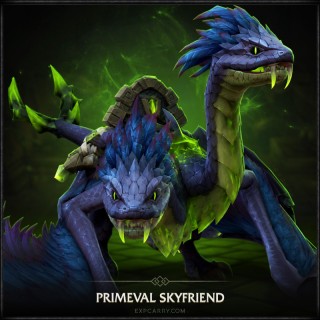
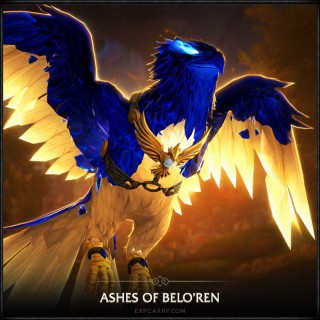
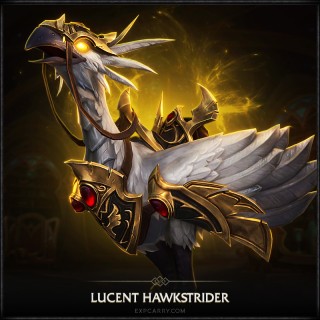
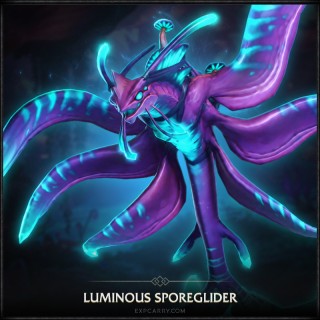
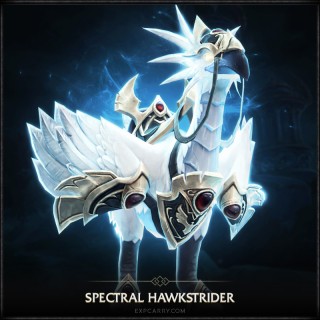
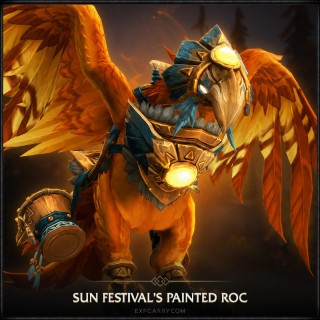
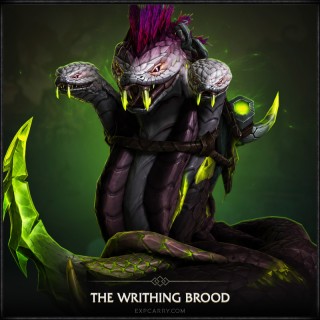
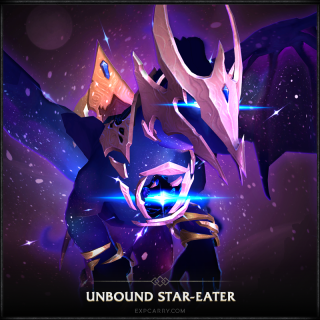
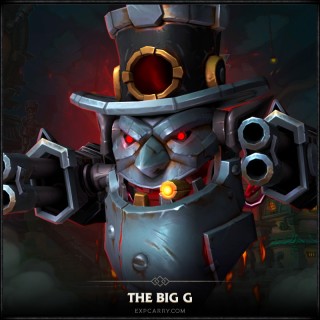
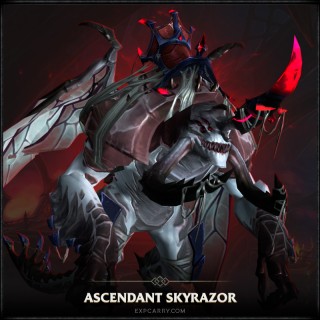
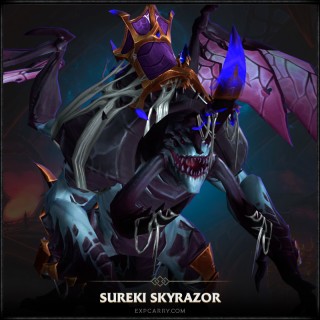

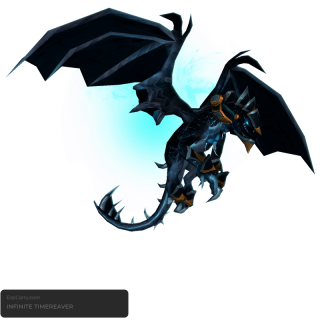
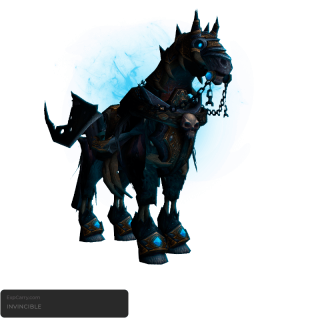
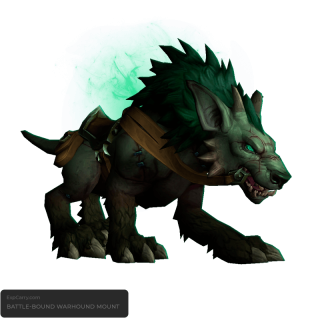
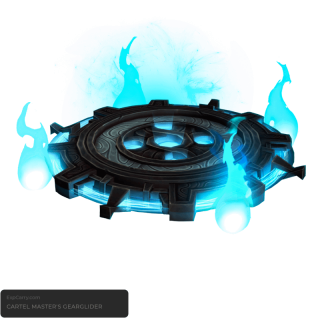
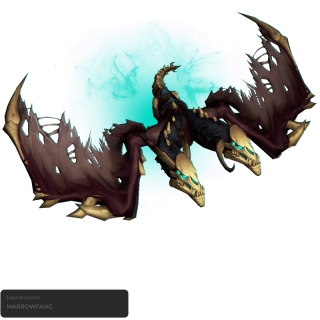
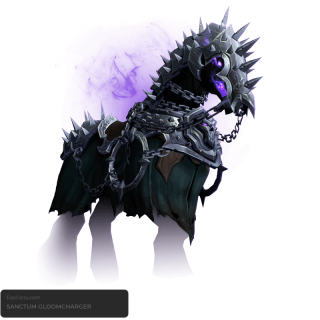
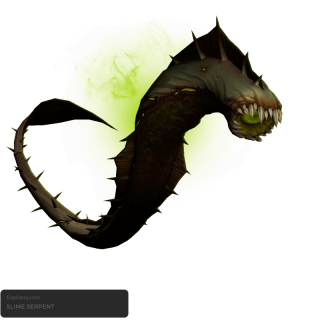
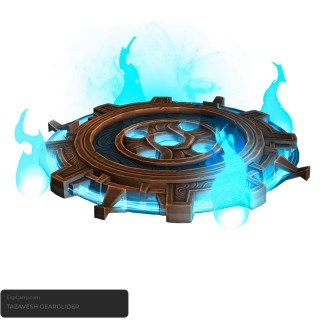
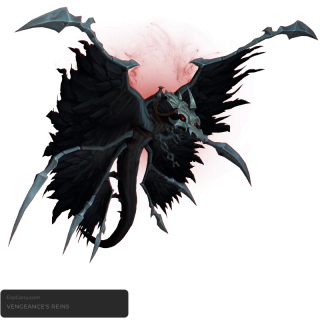
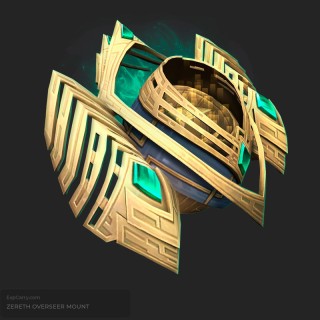
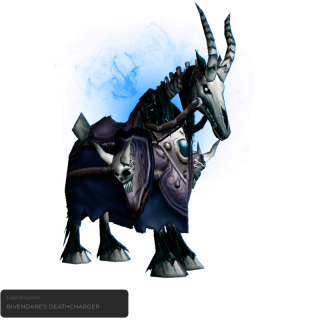
Buy WoW Boss Drop Mounts from Raids and Dungeons
A WoW boss drop mount boost is a service for obtaining a mount linked to a specific raid or dungeon encounter in Retail World of Warcraft. Instead of organizing every run, repeating the same lockout, or relying only on your own farming schedule, you select the target mount and order the exact type of assistance listed on its product page. Depending on the reward, the service may cover a guaranteed mount, a defined number of boss kills, repeated farming, or completion of the encounter that makes the character eligible for the drop.
Boss mounts are popular because their source is easy to identify but often difficult to repeat efficiently. A collector may know the instance, boss, difficulty, and route, yet still face a low drop rate, a weekly raid lockout, a daily dungeon limit, a group requirement, or a fight that is not practical to solo. This category brings those raid and dungeon mount services together while keeping them separate from PvP rewards, reputation grinds, meta-achievements, and open-world collectibles.
When players search for WoW boss mounts for sale, they are not usually buying a freely tradeable item. They are ordering help with the in-game activity that awards the mount. The product configuration is therefore more important than the product image: it explains what will be completed, whether the result is guaranteed, which character is used, what prerequisites apply, and how the estimated delivery time is calculated.
What Counts as a Boss Drop Mount?
The narrow definition is a mount placed directly on a boss loot table. In practice, a boss-mount catalog can also include encounter rewards that are closely tied to defeating a particular boss, clearing a required difficulty, opening a related loot container, or completing a boss-specific objective. The decisive detail is the acquisition source shown on the individual offer.
| Reward type | Typical acquisition rule | Main obstacle | What to verify |
|---|---|---|---|
| Raid boss drop | Loot from a selected raid boss on an eligible difficulty | Weekly lockout, group size, low drop chance | Difficulty, loot eligibility, guaranteed result or attempts |
| Dungeon boss drop | Loot from a dungeon boss in Normal, Heroic, Mythic, or another specified mode | Daily or weekly limits, repeated clears, route length | Required mode, number of runs, reset rule |
| Difficulty-based boss reward | Reward connected to defeating a boss before its acquisition rules change | Current-content difficulty and limited raid availability | Cutoff, difficulty, number of mount copies, booking schedule |
| Encounter-linked reward | Mount from a boss-related quest, container, or special completion condition | Extra steps or character-specific prerequisites | Included objectives and required access |
This distinction prevents a common ordering error. Killing the correct boss is not always the same as receiving the mount. Some offers sell eligible attempts, some continue until the reward is obtained, and some guarantee the reward through a defined completion method. Read the included rewards rather than assuming that every page in the category uses identical rules.
Raid Boss Drop Mounts
Raid mounts usually combine three barriers: access to the correct difficulty, an eligible boss kill, and limited loot opportunities. Legacy encounters may be easy for a geared character to defeat but still inefficient because the player must travel through the instance, clear earlier bosses, manage several characters, and repeat the route every reset. More recent raids can require an organized group, current tactics, suitable gear, and a scheduled place in the run.
A raid mount service should identify the target boss and difficulty, not simply promise a generic raid clear. If the selected boss is late in the instance, the service may need a full or partial clear before the relevant attempt. If the mount is restricted to a particular difficulty, completing another mode does not automatically create an eligible chance. When a product offers multiple runs or characters, check whether the quantity refers to boss kills, full raid clears, weekly resets, or characters used during one reset.
Legacy raid mount farming is primarily a probability and time-management problem. Adding eligible characters increases the number of independent attempts, but it does not guarantee a drop unless the package explicitly says that farming continues until success. Current-content raid mounts are different: the difficult part may be securing and executing the boss kill, while the acquisition rule can change after a season, tier, or expansion transition. Because these conditions are updated by the game, the current product page must remain the source of truth.
Dungeon Boss Drop Mounts
Dungeon mount farming often allows more frequent attempts than raid farming, but the reset rule depends on the instance and difficulty. Some dungeons can be repeated quickly, while Heroic or Mythic versions may impose daily, weekly, or other eligibility restrictions. Timewalking availability, event schedules, character access, and route length can also determine how many valid attempts fit into a given period.
The fastest route is not always the shortest instance. A useful farming plan considers where the target boss appears, whether previous bosses can be skipped, how quickly the dungeon can be reset, whether the character can solo the required mode, and whether each clear produces another eligible loot chance. A service that lists a set number of dungeon runs should make the unit clear: one run should correspond to one eligible completion under the stated conditions.
Dungeon boss mounts should not be confused with seasonal Mythic+ rating mounts or Glory meta-achievement rewards. A boss drop is controlled by the encounter's loot or reward rule. A rating mount is earned through progression, and a Glory mount requires a defined set of achievements. If the desired reward comes from coordinated achievement conditions rather than the boss loot table, the WoW Glory Mounts category is the more accurate destination.
Current-Content Boss Mounts vs Legacy Mount Farming
Collectors use the same word, “mount,” for two very different buying decisions. A current-content boss mount may require a high-difficulty kill with a scheduled group. A legacy mount may come from an old encounter that is simple to defeat but has a very low acquisition chance. The service, price, ETA, and preparation differ accordingly.
| Factor | Current-content boss mount | Legacy boss mount |
|---|---|---|
| Main difficulty | Boss mechanics, group coordination, gear, scheduling | Low drop chance, lockouts, repeated travel and clears |
| Time model | Booked run or progression window | Attempts across characters or resets |
| Primary requirement | Eligible character and access to the relevant content | Eligible characters, instance access, and available lockouts |
| Major source of uncertainty | Group availability and successful encounter completion | RNG unless the mount is explicitly guaranteed |
| Best order check | Difficulty, schedule, loot rule, and reward cutoff | Number of attempts, characters, resets, and guarantee terms |
This comparison is more useful than sorting only by expansion. Expansion filters help locate the product, but the acquisition model explains what you are actually paying for. Two mounts from the same era can have completely different delivery conditions if one is tied to a difficult boss kill and the other is a low-chance farm.
Guaranteed Boss Mount or Paid Farming Attempts?
A guaranteed mount package and a farming-attempt package are not interchangeable. With a guaranteed service, the named mount is included in the final result under the terms shown on the page. With an attempts package, the order covers a specific number of eligible boss kills or dungeon clears. The mount is received only if the game awards it during those attempts.
Price alone does not tell you which model is being offered. A lower entry price can represent one run rather than the mount itself. Before ordering, locate the product sections that describe the reward, quantity, expected duration, and completion conditions. Look for direct wording such as “guaranteed mount,” “one attempt,” “selected number of runs,” or “farm until obtained.” If the wording is unclear, ask support to confirm the unit you are buying.
The guarantee must also be read together with the prerequisites. A service cannot provide an eligible boss attempt on a character that is already locked, lacks required access, or does not meet a stated condition. Confirming character status before the start protects the schedule and prevents paid time from being spent on preparation that was not included.
How Drop Chance Affects the Expected Farm
Drop chance is not a progress bar. If a mount has a 1% chance per eligible kill, the hundredth attempt is not automatically successful. Each independent attempt still has the same 1% chance unless the game uses a separate bad-luck or increasing-chance mechanic for that specific reward.
The cumulative probability of seeing at least one drop after repeated independent attempts is calculated as 1 − (1 − p)n, where p is the chance per attempt and n is the number of attempts. The table below illustrates a 1% example; it does not claim that every boss mount uses a 1% rate.
| Eligible attempts | Chance of at least one drop at 1% | Chance of no drop |
|---|---|---|
| 1 | 1.0% | 99.0% |
| 10 | 9.6% | 90.4% |
| 50 | 39.5% | 60.5% |
| 69 | 50.0% | 50.0% |
| 100 | 63.4% | 36.6% |
| 230 | 90.1% | 9.9% |
This is why attempt bundles and guaranteed packages can have very different prices. The farming team is not only completing a boss kill; it may be absorbing the time and variance of many unsuccessful lockouts. Use the WoW Mount Drop Chance Calculator to test the listed or community-estimated drop rate against your planned number of runs before choosing a package.
How to Choose the Right Boss Mount Service
Start with the exact in-game mount name. Similar models, recolors, and translated names can lead to the wrong product. Then identify the source and acquisition rule. The mount journal, current product description, and reliable game databases can help confirm the boss, instance, difficulty, and whether the reward is a direct drop.
- Confirm the game version. This category is intended for Retail World of Warcraft. A similarly named reward in a Classic version can use different content, rules, or availability.
- Select raid or dungeon. Use the receiving-method filter to remove offers from the wrong instance type.
- Filter by expansion. This is the fastest way to reduce the catalog when you remember the era but not the exact boss.
- Open the exact product. Do not order from the category title alone; the product page defines the reward.
- Identify the service model. Check whether you are purchasing the mount, attempts, a boss kill, or continued farming.
- Verify requirements. Match region, character level, access, difficulty, gear, and lockout status.
- Review method and ETA. Confirm how the service is completed and when an eligible run can begin.
If the desired mount is absent, contact support with the English in-game name, region, faction, and relevant character information. A precise request is easier to evaluate than a screenshot or a general request for “a rare raid mount.”
How the Boss Drop Mount Order Works
After selecting the offer, configure only the options that apply to your goal. Quantity can mean different things across products, so verify whether it changes runs, characters, weeks, or mount copies. Add the configured service to the cart, complete checkout, and keep the order number available for coordination.
After payment, the service team confirms the selected reward, region, character, completion method, and start window. For a scheduled raid, coordination focuses on the run time and character readiness. For a farming service, it focuses on available lockouts, characters, and the cadence of eligible attempts. Any prerequisite not included in the order should be resolved before the first run.
During execution, the team completes the activity described in the package. A one-run order ends after the eligible attempt even if the mount does not drop. A multi-run order continues until the purchased attempts are used. A guaranteed package follows the conditions stated on its page. These boundaries should be clear before the service begins, not negotiated after an unlucky roll.
Character Requirements and Loot Eligibility
Requirements vary more than many category descriptions suggest. Character level is only one condition. The character may also need access to the zone or instance, completion of an introductory quest, a suitable item level, the correct raid difficulty, an unused lockout, or eligibility for the relevant loot. Some encounters can be entered freely in legacy content; others require current progression or scheduled group access.
- Confirm the account has active Retail WoW access and the correct region.
- Use a character that meets the level and access requirements listed on the offer.
- Disclose whether the target boss has already been killed during the active reset.
- Check whether several characters are required or optional for the selected farm.
- Do not assume that loot eligibility transfers between difficulties or instance modes.
- Confirm faction, class, race, or usage restrictions if the mount has any special limitation.
If additional preparation is required, establish whether it is included. Leveling, gearing, access quests, and clearing unrelated bosses can add time and cost when they are not part of the base mount service.
What Determines the Price of a WoW Boss Mount Boost?
The price reflects expected work and delivery risk, not only cosmetic rarity. A legacy boss that dies in seconds can still produce an expensive guaranteed service if the drop rate is low and only one eligible attempt is available per character each week. A visually impressive dungeon mount may cost less if the instance can be reset often and the route is short.
Key price factors include the boss difficulty, group size, number of eligible attempts, expected farming time, reset restrictions, required characters, access preparation, completion method, and whether RNG is carried by the buyer or the service provider. Time-limited availability can also affect capacity because only a finite number of scheduled runs fit before the reward changes or disappears.
Compare like with like. A guaranteed result should not be compared directly with the price of one attempt. Likewise, a boss-only kill is not equivalent to a full clear, and one character is not equivalent to a multi-character farm. The cheapest visible starting price is useful only after the scope is matched.
What Determines the Delivery Time?
Delivery can range from a scheduled encounter to several resets of farming. For a current raid mount, group availability and the next suitable run are often the main constraints. For a legacy raid drop, the number of eligible characters and weekly lockouts control the pace. For a dungeon drop, reset rules, route length, and the number of runs in the package matter most.
An ETA for a chance-based service is an estimate, not a promise that the game will award the mount within that period. The only exception is when the product explicitly guarantees the mount and defines how farming continues. Seasonal or event-based offers should be confirmed before checkout because availability can change faster than evergreen category copy can be updated.
Self-Play and Account-Sharing Options
Completion methods depend on the encounter and offer. Self-Play means you participate on your character with the organized group. It is suitable when the service is a scheduled boss kill and the character can meet the run requirements. Account-sharing may be used for repeated farming or character-specific objectives when the product lists that method.
Do not assume that both options exist for every mount. A low-chance legacy farm across repeated lockouts has different operational needs from a single current-content raid slot. Review the available method in the configuration and coordinate access times before the start. If you need to use the character during a longer farming order, agree on a schedule so the service and your own playtime do not conflict.
Additional Loot, Achievements, and Collection Progress
The primary reward is whatever the product page names: a mount, eligible attempts, or a boss completion. Runs may also produce gear, transmog appearances, currencies, pets, achievements, or quest items, but these should be treated as extras unless explicitly included. Do not select a mount service as a substitute for a targeted gear carry unless the offer specifies loot conditions.
Once learned, most Retail mounts contribute to the account collection, although individual mounts can have usage, faction, class, or other restrictions. Collection achievements may update when the new mount qualifies under their counting rules. The service does not increase combat power by itself; the purchase is primarily for collection progress, appearance, rarity, and the achievement attached to defeating or farming a notable encounter.
Common Mistakes When Buying Boss Drop Mount Services
- Assuming every listing is guaranteed. A product can sell runs rather than the final drop.
- Ordering the wrong source. Glory, PvP, reputation, and rare-spawn mounts follow different acquisition systems.
- Ignoring the difficulty. The same boss on another mode may not award the target mount.
- Using a locked character. A completed boss kill can remove eligibility for the active reset.
- Comparing only starting prices. One attempt and unlimited farming are different products.
- Expecting a fixed RNG delivery date. Probability does not create a guaranteed deadline.
- Forgetting access requirements. Quests, level, gear, or instance progression may be needed before the run.
- Choosing Classic by mistake. Retail and Classic catalogs must be treated separately.
Boss Drop Mounts vs Glory and Rare Mounts
Use this category when the desired reward is obtained from a raid or dungeon boss encounter. Choose Glory Mounts when the reward comes from completing a set of raid or dungeon achievements. Choose Rare Mounts when the source is a rare spawn, world activity, event, or another low-availability system rather than an instanced boss. For reputation, quest, secret, and exploration rewards, use Explore & Farm Mounts.
This internal separation helps you compare services with the same acquisition logic. It also reduces the chance of buying a boss kill for a mount that actually requires an achievement or a separate farming step. If you are still deciding between sources, return to the complete WoW Mounts catalog and filter by your collection goal.
Build Your Boss Mount Collection with a Clear Order Scope
The best boss mount order is not the one with the broadest promise. It is the one that clearly identifies the mount, source, difficulty, number of eligible attempts, completion method, requirements, and final result. That information lets you compare the real cost of a scheduled kill, a weekly farm, and a guaranteed package without treating them as the same service.
Use the raid or dungeon filter, open the exact mount page, and confirm the reward wording before checkout. If RNG is involved, compare attempts with the cumulative probability rather than expecting a drop after an arbitrary number of runs. If the reward is time-limited or tied to current progression, confirm the next available slot. A precise order gives the team a precise objective and gives you a realistic expectation of what will be delivered.