




Buy WoW Rare Mounts
Expansion:
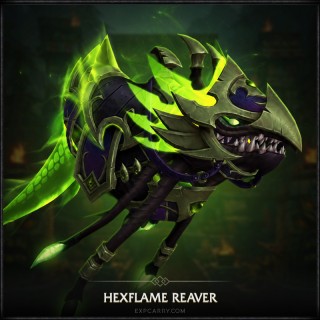


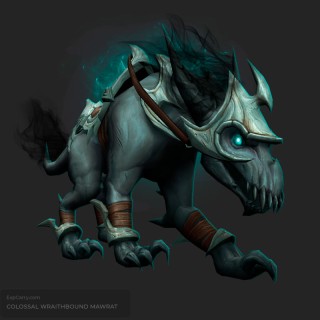
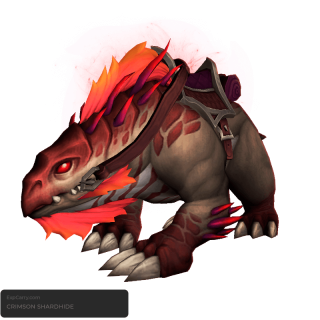
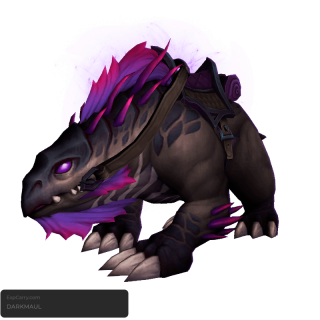
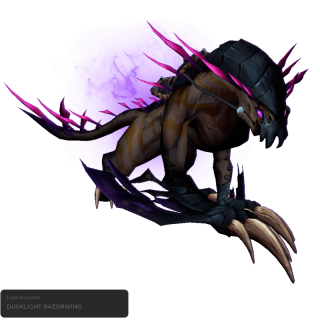

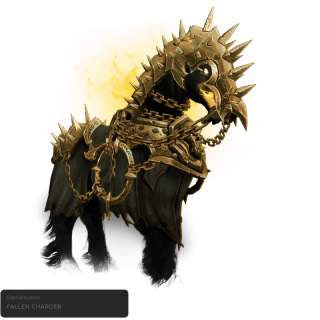
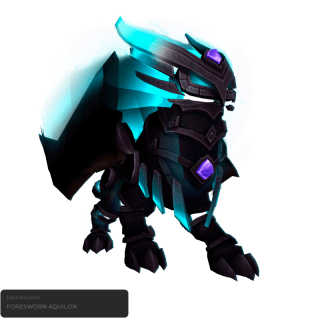
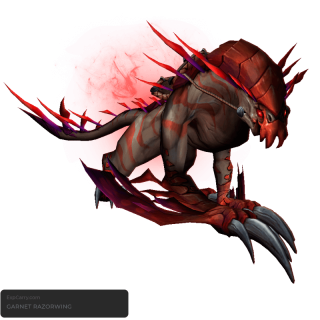
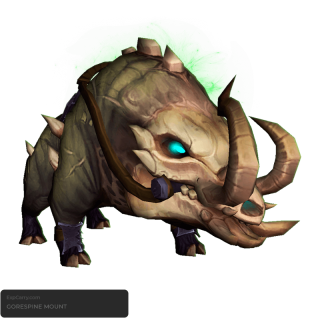
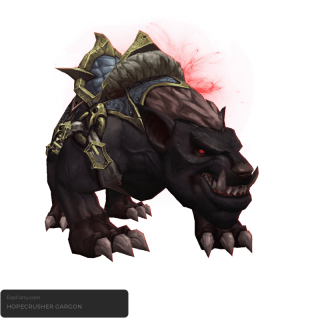

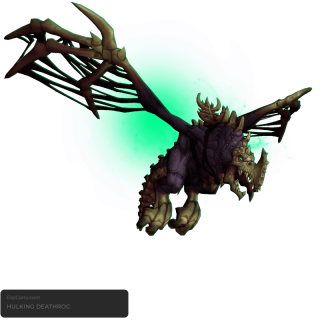

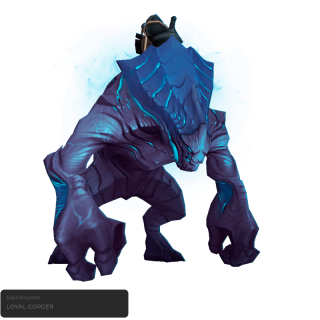
Buy WoW Rare Mounts for Retail
A rare mount is rarely difficult for one reason alone. The real obstacle may be an elusive NPC, a long or irregular spawn window, heavy competition in the zone, a limited loot lockout, a rotating event, or a low-probability reward after the target is finally defeated. ExpCarry’s WoW Rare Mounts category brings these open-world and special-source collection goals together so you can compare the acquisition method before choosing a service.
Every listing is tied to a specific in-game source in World of Warcraft Retail. Instead of treating all rare mounts as the same kind of farm, review whether the selected offer covers a named result or a fixed number of eligible attempts, which region is supported, what access your character needs, and how the work will be completed. This matters because camping a guaranteed-drop rare such as Aeonaxx is a different job from repeating a source that still has a random mount roll after each kill.
What Makes a WoW Mount Rare?
“Rare” can describe ownership statistics, an old appearance, a difficult source, or simply an item that few players have collected. On this page, the useful definition is acquisition scarcity. The mount belongs here when the main barrier is finding, activating, reaching, or repeatedly looting a scarce world source. That source can remain permanently available and still be rare: permanent does not mean quick, predictable, or uncontested.
A low collection percentage alone is not enough to define the service. A mount earned through a raid or dungeon boss belongs with Boss Drop Mounts, even if its drop rate is exceptionally low. A reward built around reputation, currencies, quest chains, secrets, or cumulative zone progress fits Explore & Farm Mounts. This Rare Mounts category is organized around scarcity-driven hunting: rare spawns, world drops, limited opportunities, special summons, and similar sources where timing and RNG dominate the workload.
| Rare-source type | Main bottleneck | What to verify before ordering |
|---|---|---|
| Guaranteed mount from a rare NPC | Locating and tagging the correct spawn | Camping scope, expected coverage, competition, and completion condition |
| Random mount from a rare NPC | Spawn access plus an RNG loot roll | Guaranteed result versus a stated number of eligible attempts |
| World boss or limited world target | Daily, weekly, or character-based eligibility | Reset rules, number of eligible characters, and included kills |
| Summoned or triggered rare | Preparation items, prerequisites, and activation | Whether preparation and required materials are included |
| Event or rotating source | A limited availability window | Event dates, eligibility, and what happens if the window closes |
| World, zone, or container drop | High farming volume and random loot | Farm duration, attempt definition, loot rules, and delivery target |
Rare Spawn Mount Farming
Rare spawn hunting looks simple on paper: go to the correct zone, find the NPC, and complete the encounter. In practice, the waiting and search coverage are the service. A target may share spawn behavior with another NPC, patrol a large route, appear in several locations, phase differently according to character progress, or disappear before a player reaches it. Population, shards, War Mode, maintenance, and other players in the area can also affect a real farming session.
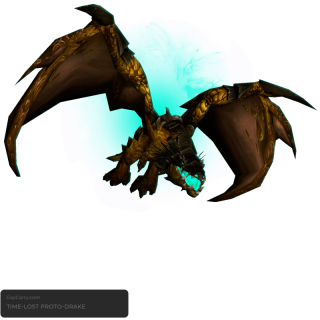
The Time-Lost Proto-Drake is the classic example of a mount whose reputation comes from the hunt itself. The target patrols the open world, and the difficult part is being present when the correct rare appears and securing the encounter. A scanner can assist active searching, but it does not turn a rare hunt into a fully passive task: detection generally depends on the game client encountering the unit through its loaded area, nameplate, target, or mouseover conditions.
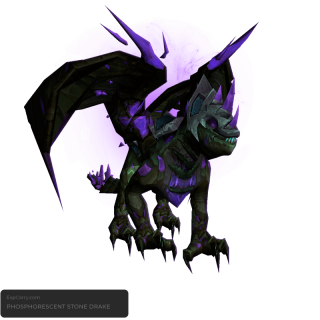
The Phosphorescent Stone Drake illustrates why source details matter. Its source, Aeonaxx in Deepholm, is scarce, while the mount is associated with defeating that specific rare. Here, the scarce opportunity is more important than quoting a generic “low drop rate.” A useful listing must describe the actual work: finding the source, meeting access requirements, completing the encounter, and defining when the order is considered finished.
Guaranteed Rare Encounters and RNG Rare Drops Are Not the Same
Two products can both be labeled rare mounts while carrying very different risk and delivery logic. If the mount is guaranteed from the correct rare once the encounter is successfully completed, the uncertainty is concentrated in spawn discovery. If the rare only provides a chance at the mount, the service must overcome two layers of uncertainty: the source must become available, and the loot roll must then succeed.
This distinction changes price, estimated completion time, and the wording of the result. “Farm until obtained” describes an outcome-based service, subject to the exact conditions on the product page. “One kill,” “five attempts,” or “a farming session” describes delivered opportunities, not ownership of the mount. Never infer a guaranteed result from the word boost alone. Read the “You will get” section and selected options, because those terms define the order more accurately than a category label.
The same care applies to mounts connected to moving rares, rotating assaults, or zone events. The Fallen Charger, for example, represents a source where availability, reaching the target, eligibility, and the loot outcome all need to be considered. Current reset rules and source behavior can be adjusted by the game, so the live product configuration should take priority over old farming guides.
World Bosses, Lockouts, and Eligible Attempts
Some rare mounts come from outdoor bosses or world targets rather than from a conventional rare patrol. The encounter may be easy for a current-level character, but access to the loot table can be restricted by a daily or weekly reset. In that situation, raw playtime is not the only resource. The number of eligible characters on the account can determine how many valid chances are available during a reset period.
An eligible attempt means that the correct character can receive the relevant loot roll under the current game rules. Arriving at a boss after the character has already used that lockout does not create another attempt. Likewise, repeatedly killing a source that only awards its mount chance on the first eligible completion will not multiply the odds. Before ordering, check whether the service includes one character, several alts, one reset, multiple resets, or continued farming until a named outcome.
Alt-based farming can increase the number of opportunities, but only when each character meets the source requirements. Zone unlocks, introductory campaigns, level requirements, faction restrictions, covenants, phases, and travel access can make an apparently large alt roster unusable. Preparing those characters may be a separate task, so it should never be assumed to be included unless the offer says so.
Summoned Rares, Events, and Special World Sources
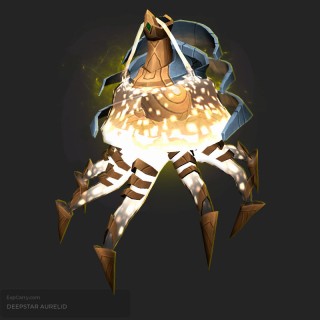
Not every rare waits openly on a predictable route. Some must be summoned or triggered after collecting materials, interacting with objects, completing a short preparation chain, or entering the correct phase. The Deepstar Aurelid is a useful example of a mount associated with a specific rare source whose activation route can involve more preparation than simply standing at a spawn point. For these products, confirm whether the order includes the activation work and materials or starts only when your character is already ready for the encounter.
Rotating events create another kind of scarcity. A mount can have a permanent place in Retail while its source is available only during a recurring invasion, assault, holiday, zone state, or scheduled event. Evergreen content should not promise a fixed date because calendars and rotations can change. The product page should show current availability, and the estimated completion time should begin from a realistic eligible window rather than from payment alone.
World and container drops reverse the problem: the source may be continuously available, but the farm can require a large volume of kills, looted objects, or opened containers. Efficiency then depends on route density, respawn speed, competition, group rules, and what the game counts as an eligible reward event. This is why “hours farmed” and “attempts completed” are not interchangeable metrics.
How Drop Probability Works
A listed drop chance is an estimate, not a countdown. If a mount has probability p on each independent eligible attempt, the chance of seeing at least one successful drop after n attempts is:
P(at least one drop) = 1 − (1 − p)n
This formula explains a common collector mistake. Reaching the reciprocal of a drop rate does not guarantee the reward. With an assumed 1% chance per independent attempt, 100 attempts produce roughly a 63.4% chance of at least one success, not 100%. A player can receive the mount immediately, or remain unlucky beyond the average. Previous failures do not normally make the next independent roll “due” unless the game explicitly uses bad-luck protection for that item.
Use the WoW Mount Drop Chance Calculator to compare estimated cumulative probability across several attempts. Enter the best current estimate for the source and the number of genuinely eligible tries. Database percentages may be distorted by reporting methods, changing loot rules, bonus attempts, or incomplete samples, so they should guide planning rather than serve as a contractual promise.
Guaranteed Result vs Attempt Package
| Service model | What is delivered | Best fit | Main point to check |
|---|---|---|---|
| Named mount result | The selected mount, under the stated service conditions | Collectors who want one defined outcome | Completion terms, exclusions, and availability window |
| Fixed attempts | A specified number of eligible kills or loot events | Players managing a budget or adding chances | No automatic mount guarantee unless explicitly stated |
| Timed farm | Active farming for a stated duration | Open-world sources measured by coverage | Whether waiting, setup, and travel count toward the time |
| Scheduled window | Work during an event, rotation, or reset | Time-gated sources | Fallback if the target or event is unavailable |
Choose the model that matches your intent. If the only acceptable outcome is seeing the mount learned on your account, select a listing and option that explicitly names that result. If you only want to use several weekly lockouts or add a block of rare-spawn coverage, an attempt or time package may be more economical. Transparent scope is more valuable than an unrealistically precise ETA.
How to Choose a Rare Mount Service
- Select the exact mount. Similar names and models can come from completely different sources. Match the product title to the in-game mount or item.
- Check Retail and region. Confirm that the listing supports WoW Retail and your EU or US region. Classic-era versions can use different rules or may not contain the same collectible.
- Read the acquisition method. Identify whether the source is a rare NPC, world boss, summoned encounter, event, container, or zone drop.
- Verify the result. Distinguish a guaranteed named outcome from attempts, kills, or farming time.
- Review requirements. Look for level, zone access, campaign progress, eligible alts, faction, item, and subscription requirements.
- Compare ETA and price. Interpret both through the source mechanics. Spawn scarcity, lockouts, and event windows make rare-mount delivery variable.
- Confirm the service mode. Make sure the listed method works for your schedule and account setup before checkout.
Service Mode, Requirements, and Account Preparation
Rare mount farms are usually completed through the mode displayed on the selected product. Open-world camping and repeated character-based attempts often require scheduled account access because the work happens on your character and collection. If a self-play or group-based option is available for a particular encounter, it will be shown separately. Do not assume that every rare source supports both modes.
Before the start, keep an active WoW subscription and verify that the intended character can enter the correct zone. Avoid overlapping play sessions during scheduled account work, and follow the coordinator’s instructions for access and timing. If the farm relies on several alts, list only characters that are genuinely eligible. Missing unlocks can delay the order or reduce the number of usable attempts.
Manual completion means the in-game acquisition path is played rather than replacing the collectible with a separate transferable item. Many mounts are account-wide once learned but cannot be traded directly. The service therefore targets the actual source on the customer’s account under the method stated in the listing.
Rare Mount Prices and Completion Times
Rare mount prices are source-specific. A short encounter with a predictable reset is priced differently from an extended patrol farm, an event window, a long preparation route, or an outcome-based service with uncertain RNG. Region, speed option, required character preparation, number of attempts, and current availability may also affect the total shown in the configurator.
The ETA is an estimate based on the selected scope and normal source behavior. It is not a fabricated guarantee that an uncontrollable NPC will spawn or a random roll will succeed at a particular hour. A trustworthy estimate explains the dependency: immediate scheduling may be possible, while final completion can still depend on the next reset, event rotation, rare appearance, or loot result.
For a useful comparison, evaluate total scope rather than only the lowest displayed price. Check whether preparation, materials, extra characters, repeat attempts, and the final mount are included. A cheaper attempt package and a higher-priced guaranteed-result option solve different problems and should not be compared as identical products.
Plan a Rare Mount Collection Efficiently
Start with sources that have the least flexible availability. Event windows, rotating assaults, and weekly world targets should be scheduled first; permanently available world farms can fill the time between them. Next, group mounts by zone and character eligibility. A prepared alt parked near a weekly source can be more valuable than repeated travel on one character, while a rare patrol may benefit from longer uninterrupted coverage on a single eligible character.
Keep a simple record of lockouts and obtained mounts. Account-wide collections can make it easy to lose track of which character has already used an attempt. Before buying several services, review the complete WoW Mounts catalog and place each goal in the correct source category. This avoids ordering overlapping work and keeps rare-spawn hunting separate from raid and dungeon drops, PvP rewards, Glory achievements, and cumulative exploration farms.
Prioritize the mount you actually want, not an arbitrary rarity ranking. Ownership percentages change as the player base, expansions, and data samples change. Source mechanics provide a more durable way to assess effort: availability, eligibility, preparation, competition, and whether the reward is guaranteed after the encounter.
Why Choose ExpCarry for WoW Rare Mounts?
ExpCarry organizes rare mount services around the real Retail acquisition method. Product options show the region, scope, requirements, completion mode, price, and estimated timing relevant to that source. The goal is not to hide uncertainty behind a generic promise, but to make clear what the order covers and what remains controlled by WoW’s spawn, reset, and loot systems.
- Manual completion through the mount’s legitimate in-game source;
- EU and US options where supported by the selected listing;
- Source-specific scope for named results, attempts, or farming time;
- Progress coordination and human support throughout the order;
- Clear requirements and configurable speed options where available.
Browse the listings, select the rare mount missing from your collection, and review its live options before checkout. If the source mechanics or completion condition are unclear, ask support to confirm whether the offer covers the mount itself or a defined set of eligible attempts. That one check makes the order measurable from the start.
- How to get rare mounts in WoW?
- Where can I find rare mounts in WoW?
- Where to buy WoW rare mounts?