AION 2 Global PvP needs separate rankings for duels, roaming and organized faction battles. Updated October 6, 2026, this guide combines early Global player results with player class analysis and the available Global tools. These S/A/B grades are editorial assessments, not official ratings or class-wide win rates. A strong class in one format can be a less suitable choice in another.
Short answer: Sorcerer and Cleric lead this early Arena snapshot. Assassin, Gladiator and Chanter are the leading roaming recommendations. For organized Abyss groups, Cleric, Spiritmaster, Sorcerer and Chanter receive S for their healing, disruption, ranged pressure or support.
How This AION 2 PvP Tier List Is Ranked
Arena uses the best class scores reported in Kevin Link’s October 6 check of Ereshkigal’s Asmodian leaderboards. The roaming and Abyss tables interpret player class reviews, including discussions collected by Corpus, against Global class roles. Some reviews predate launch and are used for role interpretation, not as live Global match data. Those two tables are qualitative recommendations, not measured Global leaderboards. The letters are assigned by this guide; the sources do not provide this exact three-table ranking.
Player Results An early Global Arena snapshot. Player Analysis Mode-specific strengths and limitations discussed by players. Global Roles Recommendations concern the eight playable Global classes.
Tier meaning: S means a leading recommendation for the stated task, A means competitive with clearer conditions, and B means more situational for that task. For the Arena snapshot, S groups the two highest reported best-class scores, A the next four and B the last two. Roaming and Abyss grades instead assess role fit; B never means unplayable.
AION 2 Arena PvP Tier List
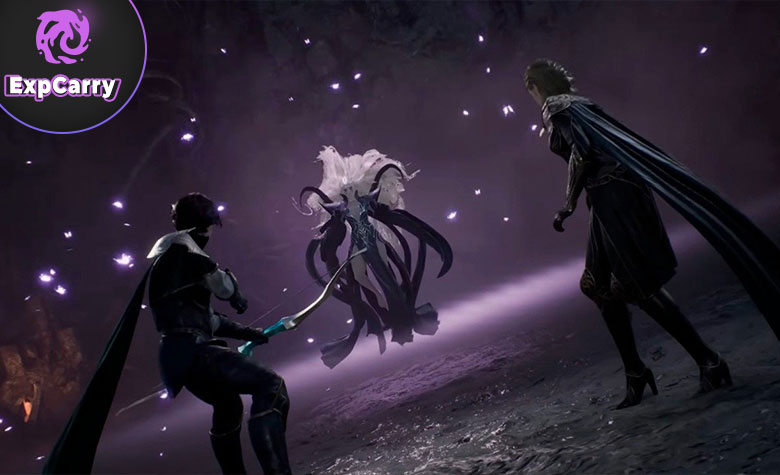
The Arena table focuses on ranked 1v1 Arena of Solitude. Sorcerer and Cleric have the strongest reported best-class scores in this early sample. Ranked 5v5 Arena of Cooperation needs its own composition assessment. Character progression matters in both; the normalized 10v10 Arena of Tactics uses a different ruleset.
| Class | Global Tier | Why It Ranks Here | Main Limitation |
|---|---|---|---|
| Gladiator | A | A-tier score band; melee pressure with recovery tools. | Needs sustained contact with a moving opponent. |
| Spiritmaster | B | Lower score band in this early duel snapshot. | Summons and control require careful setup. |
| Templar | A | A-tier score band; defensive tools and control. | Control must be followed by useful damage. |
| Chanter | A | A-tier score band; damage and recovery in one kit. | Its roaming recommendation does not establish Arena dominance. |
| Sorcerer | S | Top score band; ranged spell damage and control. | A top player’s result is not a class-wide win rate. |
| Assassin | A | A-tier score band; positional melee pressure. | An unsuccessful opening can leave it exposed. |
| Cleric | S | Top score band; recovery alongside offensive skills. | Equipment, build and individual execution still matter. |
| Ranger | B | Lower score band in this early duel snapshot. | Needs space when an opponent closes the gap. |
This is a one-server snapshot of top players, not an average across Global. Small match counts, equipment and individual skill can affect the order. Do not transfer these grades directly into 5v5: a class’s healing, control or coordinated damage can have a different value in a team.
AION 2 Open World PvP Tier List
This table evaluates solo roaming and target hunting. Player class analysis favors the ability to choose an opening, stay on a target, recover and leave an unfavorable fight. Assassin, Gladiator and Chanter are the leading recommendations under those criteria. These are editorial role assessments, not a verified eight-class Global roaming dataset.
| Class | Global Tier | Why It Ranks Here | Main Limitation |
|---|---|---|---|
| Assassin | S | Stealth and positional attacks support selecting a target. | A surviving target or additional enemies can disrupt the opening. |
| Gladiator | S | Pressure, recovery and control suit sustained skirmishes. | Must reach the target and maintain melee contact. |
| Chanter | S | Hybrid attacks and recovery support flexible engagements. | Must balance offensive actions with recovery. |
| Templar | A | Defense and control support deliberate engagements. | Personal kills need an offensive follow-up. |
| Spiritmaster | B | Control and summons work best with a prepared setup. | An unexpected attack complicates that setup. |
| Ranger | A | Ranged attacks and spacing suit selective encounters. | Terrain or a closed gap can remove its distance advantage. |
| Sorcerer | B | Spell pressure is useful when it can establish position. | Ambushes can interrupt its casting plan. |
| Cleric | B | Recovery helps survival and supporting a companion. | This table prioritizes independent hunting over healing allies. |
B in this table concerns independent hunting, not every open-world activity. Cleric gains value when supporting allies, while ranged casters benefit from prepared positions and protection. Global also offers a PvE/PvP mode choice outside the Abyss, including Rift visits; entering enemy territory alone does not require choosing PvP mode.
Explore services related to this guide, selected from our Aion 2 catalog.
View All Aion 2 Services


AION 2 Abyss PvP Tier List
The Abyss table evaluates organized group fighting rather than solo hunting or the fastest Abyss-point accumulation. Healing, coordinated ranged pressure, control and party support receive greater weight. That favors Cleric, Spiritmaster, Sorcerer and Chanter, while melee damage specialists need more selective engagements.
| Class | Global Tier | Why It Ranks Here | Main Limitation |
|---|---|---|---|
| Templar | A | Pulls and defensive control create targets for a group. | Teammates must follow the engagement. |
| Spiritmaster | S | Control, spirits and ranged pressure support coordinated disruption. | Needs positioning and a useful follow-up from the team. |
| Cleric | S | Healing, recovery and debuff removal sustain allies. | Personal kill counts do not measure its contribution. |
| Sorcerer | S | Ranged spell pressure and area control fit group engagements. | Needs protected casting positions. |
| Chanter | S | Recovery and party support contribute across group exchanges. | Support actions and personal damage compete for attention. |
| Ranger | A | Bow pressure provides a ranged damage role. | Positioning and allied support remain important. |
| Gladiator | B | Melee pressure works when the group creates an opening. | Exposure rises when committing into concentrated enemies. |
| Assassin | B | Stealth helps attack exposed or separated targets. | Less suited to sustained fighting inside an enemy formation. |
Abyss points and kills do not measure the same thing as group usefulness. Early leaderboard observations can show successful players, but do not prove a class wins large battles. The grades here are this guide’s interpretation of player role analysis; group composition, progression and coordination still decide how useful a character is.
AION 2 PvP Class Breakdown

These class summaries explain the different grades across the tables. They describe the task each class is being recommended for, not guaranteed matchup outcomes.
AION 2 Gladiator PvP
Gladiator suits players who want direct melee pressure with recovery and control tools. It receives A in the early Arena score grouping and S for roaming combat. In organized Abyss fighting it drops to B because committing to close range requires a coordinated opening and allied support.
AION 2 Templar PvP
Templar is rated A across the three formats for defensive control and disruption. Its pulls can create targets for teammates, while a more offensive setup supports personal pressure. Its grade reflects a useful, composition-sensitive role rather than a guarantee that it can independently finish every target.
AION 2 Assassin PvP
Assassin is rated S for roaming, where stealth and positional attacks support target selection. Its Arena A follows the early score grouping. Abyss B concerns organized frontline battles: attacking an exposed target is a different job from staying useful inside a concentrated enemy formation.
AION 2 Ranger PvP
Ranger receives B in the early Arena score grouping and A for roaming and Abyss. Bow attacks and distance management give it a clear ranged role, but it needs room to operate. An early duel placement does not establish that it is weak in organized ranged combat.
AION 2 Sorcerer PvP
Sorcerer receives S in the Arena snapshot and for organized Abyss pressure, but B for independent roaming. This reflects different tasks: setting up spells in a contained duel or supported group is not the same as responding to an unexpected attack while hunting alone. Positioning and control timing remain central.
AION 2 Spiritmaster PvP
Spiritmaster receives B in the early Arena grouping, B for independent roaming and S for organized Abyss disruption. Summons and control can help a team act against a target. The roaming grade reflects the demands of managing that setup during an unexpected engagement, not a claim that the class cannot win solo.
AION 2 Cleric PvP
Cleric receives S in the Arena snapshot and for organized Abyss healing, but B for solo hunting. Those grades answer different questions: successful duels and keeping teammates alive do not establish the best independent target-hunting tools. Positioning, recovery and healing priorities are central to its group role.
AION 2 Chanter PvP
Chanter receives A in the early Arena grouping and S for roaming and organized Abyss support. Its mix of attacks, recovery and party tools gives it several ways to contribute. Recent favorable player feedback supports considering it, but does not establish that it beats Gladiator or every other class in all matchups.
Which AION 2 PvP Class Should You Pick?
For the early duel snapshot, consider Sorcerer or Cleric. For solo hunting, consider Assassin, Gladiator or Chanter. For an organized Abyss group, choose among Cleric, Spiritmaster, Sorcerer and Chanter according to the role your team needs; Templar and Ranger remain strong alternatives for frontline control and ranged attacks.
For a broader PvE and PvP comparison, use the AION 2 class tier list. Keep overall class usefulness separate from the specific tasks ranked here.
AION 2 PvP Tier List FAQ
The following answers clarify the playable Global roster and older English class naming.
Why is Brawler not in the Global PvP tier list?
Brawler is not in the current eight-class Global roster, so it is excluded from these tables. This guide does not assume a future Global release date for it.
Are Spiritmaster and Elementalist the same AION 2 class?
Yes. Older English coverage uses Elementalist for the summoner class called Spiritmaster in Global-focused material. It is not a separate ninth class. This guide consistently uses Spiritmaster.
Conclusion
Choose around the format you intend to play. The Arena letters group early player results; roaming and Abyss letters are player-informed role assessments. Keep equipment, build and execution in the comparison, and reassess the tables when broader Global evidence or confirmed balance changes justify it.