Diablo Immortal combines fast action combat with class builds, equipment upgrades, Legendary Gems, Paragon progression, raids, dungeons, PvP, daily activities, clans, Warbands, and long-term character development. Our Diablo Immortal guides explain these systems with practical information for new, returning, and experienced players.
This category covers the complete progression path, from choosing a class and completing the campaign to improving Combat Rating, preparing for Helliquary encounters, upgrading Legendary Gems, farming equipment, building Paragon setups, and participating in competitive or group content.
Diablo Immortal Guides for New and Returning Players
Diablo Immortal contains many connected progression systems that unlock gradually through the campaign, character level, Paragon progression, difficulty settings, and account-wide activities. New or returning players can lose time by upgrading unsuitable equipment, spending rare materials too early, or focusing on activities that provide little value at their current stage.
Our beginner and returning-player guides may cover:
- Character creation and class selection.
- Campaign progression and zone order.
- Character level, Paragon level, and Combat Rating.
- Difficulty progression and activity requirements.
- Daily and weekly activity priorities.
- Equipment, currencies, and upgrade materials.
- Returning-player events and catch-up systems.
- Preparation for dungeons, raids, and PvP.
- Efficient development of a main character.
Diablo Immortal Class Guides
Every Diablo Immortal class has its own skills, resources, mobility, defensive tools, damage pattern, group utility, and preferred combat range. Some classes rely on direct melee pressure, while others use ranged attacks, summons, transformations, persistent damage, support effects, or carefully timed burst windows.
Class guides can include:
- Class strengths, weaknesses, and difficulty.
- Recommended PvE and PvP builds.
- Skill selection and rotation priorities.
- Legendary equipment and Essence combinations.
- Primary and secondary attribute priorities.
- Single-target and multi-target setups.
- Mobility, crowd control, survivability, and group utility.
- Paragon trees and specialization choices.
- Legendary Gems and Normal Gems.
- Dungeon, raid, farming, and Battleground recommendations.
Builds should always match the intended content. A setup designed for open-world farming may not be suitable for Helliquary bosses, Challenge Rifts, Battlegrounds, or high-difficulty group content.
Choosing the Right Diablo Immortal Class
The best class depends on more than maximum damage. Players should consider mobility, survivability, combat range, group demand, control effects, equipment dependence, Legendary Essence requirements, PvP performance, and the type of content they play most often.
Class comparison guides help players choose between:
- Melee and ranged combat.
- Damage, support, summoning, and hybrid playstyles.
- Burst damage and sustained pressure.
- Mobile and stationary builds.
- Solo farming and organized group content.
- Simple rotations and mechanically demanding setups.
- PvE-focused and PvP-focused classes.
Warlock Guides
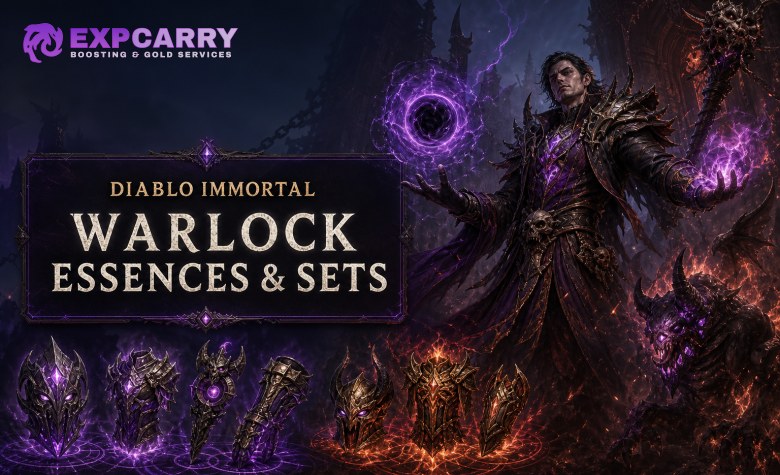
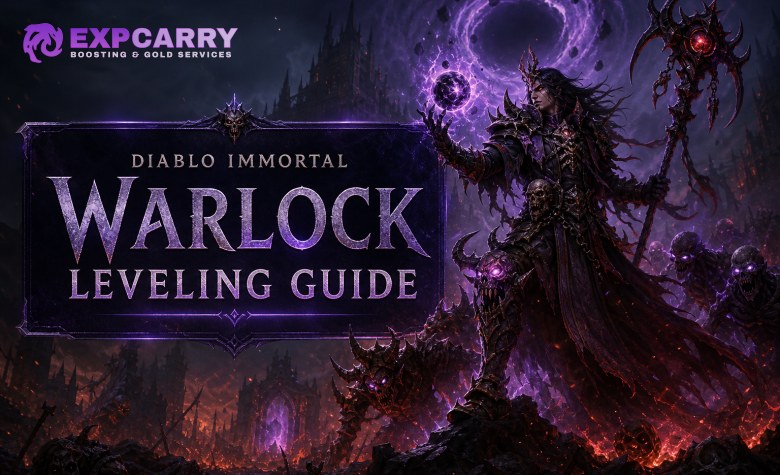
Warlock is Diablo Immortal's tenth class. It uses demonic summons, portals, sacrifice mechanics, persistent pressure, and dark magic to control the battlefield. Warlock guides explain how its Soulgorger, Devour effects, summons, skills, Legendary Essences, and build variations work across PvE and PvP content.
Warlock coverage may include:
- Leveling and beginner builds.
- Open-world and dungeon farming setups.
- Helliquary and single-target builds.
- Battleground and competitive PvP builds.
- Soulgorger management and Devour effects.
- Legendary Essence combinations.
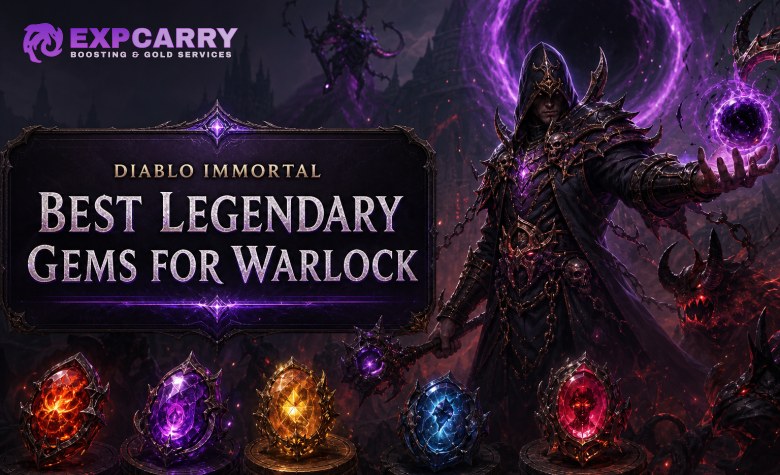
- Recommended Legendary Gems.
- Paragon and gear priorities.
Gear and Combat Rating Progression
Combat Rating is one of the main indicators of character progression. It affects access to higher difficulties and determines how effectively a character performs against enemies with higher content requirements.
Our gear guides explain:
- How Combat Rating is calculated and used.
- Primary and secondary equipment progression.
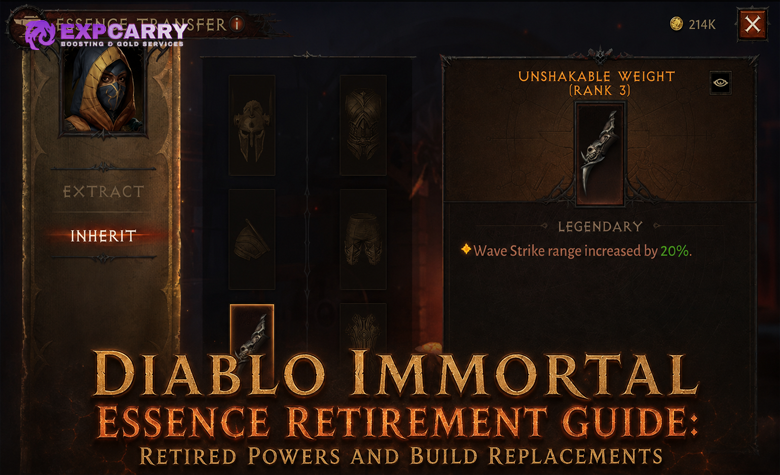
- Legendary equipment and Essence transfer.
- Set items and recommended combinations.
- Equipment upgrades and material requirements.
- Reforging, attributes, and bonus properties.
- How to compare potential upgrades.
- When to replace or retain an existing item.
- Gear priorities for PvE and PvP.
Legendary Essence and Build Guides
Legendary Essences modify class skills and can change how an ability deals damage, provides protection, controls enemies, summons creatures, or supports allies. A complete build usually depends on several Essences working together rather than one isolated item.
Essence guides may cover:
- Recommended Essences for each skill setup.
- Alternative items for incomplete builds.
- Open-world, dungeon, raid, and PvP combinations.
- Essence transfer and extraction.
- New and reworked Essence pools.
- Build changes after class balance updates.
Legendary Gem Guides
Legendary Gems are a major source of character power and can provide damage, survivability, control, summons, resource support, or situational effects. Their value depends on class, build, star quality, rank, Resonance, and available upgrade resources.
Our Legendary Gem guides explain:
- Recommended gems for each class and build.
- One-star, two-star, and five-star options.
- Budget and premium gem combinations.
- Gem ranking and upgrade priorities.
- Duplicate gem requirements.
- Gem Power and resource planning.
- Resonance and secondary effects.
- Elder Rift acquisition and crafting options.
- When a lower-rarity gem is more practical than an expensive alternative.
Normal Gems, Resonance, and Secondary Stats
Normal Gems improve secondary attributes such as damage, life, armor, armor penetration, resistance, and potency. Gem selection should match class role, preferred content, and existing attribute balance.
These guides may cover:
- Normal Gem priorities by class.
- Socket colors and equipment placement.
- Four-player party gem farming.
- Tradable and bound gem rules.
- Gem upgrading and combining.
- Resonance progression.
- Armor, armor penetration, potency, and resistance.
Paragon Level and Paragon Builds
Paragon progression provides additional attributes, specialization effects, and long-term character development after reaching the base level cap. The best Paragon setup depends on activity, survivability, group role, and current progression stage.
Paragon guides can include:
- Recommended Paragon priorities.
- PvE, farming, raid, and PvP setups.
- Damage and survivability trade-offs.
- Specialization activation.
- Attribute allocation.
- Catch-up mechanics and server progression.
- Adjustments after Paragon system changes.
Helliquary Raid Guides
Helliquary encounters are important group challenges that test Combat Rating, boss knowledge, positioning, damage output, survivability, and coordination. New bosses are added through major updates, making raid preparation an ongoing part of character progression.
Helliquary guides may cover:
- Entry requirements and recommended Combat Rating.
- Boss abilities and encounter phases.
- Dangerous attacks and safe positioning.
- Group mechanics and role responsibilities.
- Damage windows and priority targets.
- Recommended builds and Legendary Gems.
- Rewards and Helliquary progression.
- Normal and higher-difficulty differences.
Dungeon Guides
Dungeons provide equipment, set items, Battle Pass progress, experience, and materials. Efficient dungeon farming depends on route knowledge, boss phases, group composition, movement speed, and the current difficulty level.
Dungeon guides may include:
- Entrance and unlock requirements.
- Boss mechanics and phases.
- Fast farming routes.
- Recommended group composition.
- Set item drop locations.
- Difficulty and Combat Rating requirements.
- Common mistakes that slow down runs.
- Dungeon-specific achievements and rewards.
Challenge Rift and Elder Rift Guides
Challenge Rifts test character power through progressively harder enemies and provide ranking, upgrade materials, and progression rewards. Elder Rifts use Crests and are closely connected to Legendary Gem acquisition.
Rift guides explain:
- How Challenge Rift difficulty scales.
- Recommended builds for pushing higher levels.
- Boss selection and shrine usage.
- Legendary Crest and Eternal Legendary Crest differences.
- Legendary Gem drop mechanics.
- Fading Embers and crafting resources.
- Efficient group and solo strategies.
Open-World Farming Guides
Open-world farming provides experience, Legendary equipment, materials, Bestiary progress, Monstrous Essence, gold, and event participation. Efficient routes depend on monster density, respawn timing, party coordination, zone activity, and current server population.
Farming guides may cover:
- Recommended farming zones and routes.
- Monster density and respawn patterns.
- Four-player party bonuses.
- Bestiary and Monstrous Essence farming.
- Legendary equipment farming.
- Hidden Lairs and Normal Gems.
- Bounties and Codex activities.
- Fishing and other repeatable systems.
- Limited-time bonus events.
Lut Gholein and Current Story Content
Lut Gholein is a major part of Diablo Immortal's 2026 content direction. The region expands through new subzones, quests, enemies, farming areas, and story updates throughout the year.
Current-content guides may cover:
- Access requirements and prerequisite quests.
- New Lut Gholein subzones.
- Main story and side quests.
- Farming routes and enemy locations.
- New Helliquary bosses.
- Legendary Gems and equipment additions.
- Events and temporary rewards.
Diablo Immortal PvP Guides
Diablo Immortal PvP requires different builds and priorities from PvE. Crowd control, resistance, potency, mobility, survivability, team coordination, Resonance, and objective play can be more important than maximum damage against monsters.
PvP guides can include:
- Battleground class builds.
- Attack and defense strategies.
- Objective control and positioning.
- Crowd-control and immunity management.
- Resonance and secondary-stat considerations.
- Legendary Essence and Gem choices.
- Wild Brawl, Trial of the Hordes, and other PvP modes.
- Bout of Realms and equalized competition.
- PvP reward systems and seasonal progression.
Clans, Warbands, and Group Activities
Clans and Warbands provide access to group progression, competitive systems, raids, towers, events, and shared rewards. The value of each system depends on participation, group organization, and the current activity schedule.
Group-system guides may cover:
- Creating or joining a Clan.
- Warband activities and rewards.
- Accursed Towers.
- Shadow and Immortal systems.
- Cycle of Strife activities.
- Group raid preparation.
- Weekly contribution priorities.
Daily and Weekly Activities
Efficient progression depends on completing the activities that provide the best rewards for the time invested. Not every activity remains equally important at every stage of character development.
Our daily and weekly guides may include:
- Bounties.
- Horadric Bestiary.
- Dungeons.
- Challenge Rifts.
- Elder Rifts.
- Hidden Lairs.
- Helliquary raids.
- Iben Fahd's Sanctum.
- Accursed Towers.
- Battlegrounds and PvP rewards.
- Events and Codex objectives.
Events and Limited-Time Activities
Diablo Immortal regularly introduces limited-time events with bonus experience, equipment, Legendary Gems, Normal Gems, Battle Pass Points, cosmetics, and progression resources. Event value depends on participation requirements, daily caps, activation periods, and reward expiration.
Event guides explain:
- Start and end dates.
- Eligibility and participation rules.
- Reward structure.
- Daily and weekly limits.
- The most efficient activities during the event.
- Whether rewards are automatically claimed.
- Which bonuses apply to farming, dungeons, or PvP.
Find the Right Diablo Immortal Guide
Use this category to choose a class, create a build, increase Combat Rating, improve Legendary Gems, plan Paragon progression, prepare for a raid, farm equipment, compete in PvP, or return after a break. Start with the relevant overview and then open the detailed guide for your class, activity, progression system, or character goal.



 ExpCarry Editorial TeamExpCarry Editorial Team