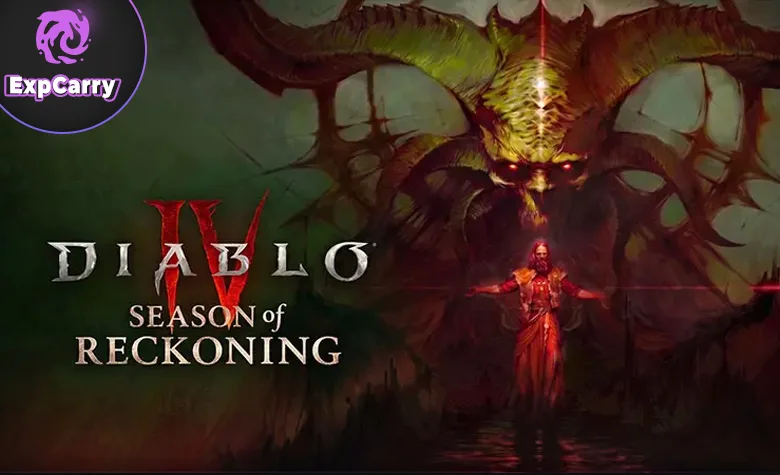
Diablo 4: Lord of Hatred launched with Season of Reckoning, but this is not a normal Diablo 4 season in the usual sense. Blizzard stated directly that Season of Reckoning does not introduce a season-specific story, theme, or gameplay elements. That means no separate seasonal mechanic built only for this season, no unique seasonal questline acting as the main hook, and no temporary gimmick designed to define the next few months. Instead, the season works as a fresh-start structure built around a major expansion release.
That makes Season of Reckoning a strange but understandable move. Lord of Hatred is not a small patch trying to survive on one borrowed mechanic. It brings a new campaign, Skovos, the Warlock class, the Paladin, War Plans, Echoing Hatred, the Horadric Cube, Talisman, itemization updates, a loot filter, map overlay, level cap changes, progression updates, difficulty changes, and more. Blizzard's argument is clear: the expansion already changes so much that adding a separate seasonal theme on top would create noise instead of focus. Convenient? Yes. Slightly suspicious? Also yes, because "the expansion is the theme" always sounds cleaner in a blog post than it does when players ask what the free seasonal hook actually does.
Diablo 4 Season of Reckoning Drops the Seasonal Theme
The most important detail is simple: Season of Reckoning is still a season, but it is not built around a traditional seasonal theme. Blizzard says the season includes Season Rank, Season Blessings, Reliquary rewards, the Battle Pass structure, and the return of the Tower and Leaderboards Beta, but it does not bring its own season-specific story, theme, or gameplay layer. For Diablo 4 players used to seasonal powers, temporary systems, special questlines, or new loop modifiers, that is a real departure.
This does not mean there is no new content around the season. The opposite is true. The Lord of Hatred expansion carries the content weight. The important distinction is ownership and classification. A player who buys Lord of Hatred gets the Lord of Hatred Campaign, Skovos, new classes, War Plans, the Horadric Cube, Talisman, Echoing Hatred, Fishing, and other expansion systems. A seasonal player gets Season Rank progression, rewards, Blessings, Reliquary, Tower and Leaderboards Beta updates, and the seasonal structure, but not a separate seasonal mechanic designed to stand on its own.
That distinction matters because Diablo 4 seasons have trained players to expect a fresh identity every few months. Even weaker seasons usually had a defining hook. Season of Reckoning does not. Its identity is tied to the broader 3.0.0 and Lord of Hatred overhaul. That can work if the expansion systems are strong enough, but it also means the season risks feeling like a rewards track attached to an expansion launch rather than a fully separate seasonal event.
Lord of Hatred Becomes the Real Season Hook
Blizzard is clearly positioning Lord of Hatred as the reason Season of Reckoning can afford to skip a traditional theme. The expansion brings major permanent additions, while the season provides the fresh-start structure around them. That is not automatically a bad idea. When a game receives a large expansion, a new region, two new classes, major itemization changes, endgame restructuring, and progression changes, a separate seasonal gimmick can become redundant or even distracting.
The strongest argument for this approach is focus. Lord of Hatred already asks players to learn new systems. War Plans restructure endgame activity chaining and rewards. The Talisman adds Seals and Charms as a new build layer. The Horadric Cube returns as a crafting and transmutation system. Echoing Hatred creates a rare challenge built around Trace of Echoes and the Sightless Eye in Temis. The loot filter, map overlay, skill tree changes, itemization changes, and level cap increase also affect how players move through the game. Adding a temporary seasonal mechanic on top of all that could easily turn the launch into a design traffic accident.
The weak side is just as clear. If a player does not buy Lord of Hatred, Season of Reckoning may look thinner than a normal Diablo 4 season. Players catching up before the reset may also need a Difficulty Tiers Unlock before pushing higher-end objectives. Blizzard says major Skill Tree updates, class changes, level cap changes, difficulty and progression updates, itemization updates, and quality-of-life improvements release alongside the season, with some changes applying across the full game regardless of expansion ownership. Still, the emotional center of the update is the expansion. Without it, the season has rewards and system changes, but not the same content gravity.
Season Rank, Blessings, Reliquary, and Tower Carry the Seasonal Side
Season of Reckoning still has a seasonal wrapper. Blizzard says its Season Rank is larger than before, with nine ranks and over 100 objectives. The rewards include up to 12 Skill Points, up to 42 Paragon points, up to 14 Resplendent Sparks, the Loathroot pet, the Hateful Heraldry Mount Trophy, new emblems, new titles, title laurels, crafting and Masterworking materials, currency, boss keys, caches, runes, sigils, seals, and charms. That is a lot of checklist meat, even without a unique seasonal mechanic stapled to it.
Season Blessings also return through Smoldering Ashes. The available Blessings focus on practical account progression: better Purveyor of Curiosities outcomes, rare material salvage, more Obducite, extra Glyph upgrade chances, and improved Whisper cache potential. This is not flashy seasonal fantasy. It is functional progression support. In other words, the season is less "here is a strange new power fantasy" and more "here are the incentives and accelerators while you digest the expansion." Thrilling? Not exactly. Useful? Probably.
The Reliquary gives the season its reward economy. The free Season of Reckoning Reliquary includes weapon appearances, Platinum, the Skovosi Horse mount with armor, and the Path of Antiquity Town Portal. Premium Reliquaries add more cosmetics, including armor sets, mounts, mount armor, pets, weapon appearances, and other visual rewards. The Tower and Leaderboards Beta also return, with updates to timing, environments, monsters, bosses, scoring, rewards, and build snapshot viewing. These systems give the season structure, but they do not replace a true theme. They support the season. They are not the season's identity.
| Feature | Part of Season of Reckoning | Role in the launch | Theme replacement? |
|---|---|---|---|
| Season Rank | Yes | Progression track with nine ranks and over 100 objectives | No, it is reward structure |
| Season Blessings | Yes | Account-style seasonal bonuses through Smoldering Ashes | No, it supports progression |
| Reliquary | Yes | Free and premium seasonal cosmetic reward paths | No, it is the reward economy |
| Tower and Leaderboards Beta | Yes | Competitive challenge content returning with updates | Partly, but not a full seasonal mechanic |
| War Plans | Expansion / permanent system | Endgame activity chaining and reward planning | Expansion system, not seasonal theme |
| Horadric Cube | Expansion / permanent system | Crafting, transmutation, gear control, and build support | Expansion system, not seasonal theme |
| Talisman | Expansion / permanent system | Seals, Charms, affixes, and set-style bonuses | Expansion system, not seasonal theme |
Explore services related to this guide, selected from our Diablo IV catalog.
View All Diablo IV Services

Theme-Free Season Makes Sense, But the Trade-Off Is Real
Blizzard's decision makes sense from a production and player-overload perspective. Lord of Hatred already changes progression, itemization, endgame, crafting, UI, classes, and campaign content. A separate seasonal mechanic could compete with the expansion's own systems and make the launch harder to understand. In that sense, Season of Reckoning acts as a guided reset around the expansion rather than a standalone seasonal experiment.
The trade-off is that seasonal players may feel the missing layer immediately. Diablo 4 seasons are not just reward tracks. They are supposed to give returning players a reason to start over beyond "numbers changed again." If the season has no unique theme, no seasonal story, and no temporary gameplay idea, the seasonal reset depends heavily on the permanent and expansion-driven changes feeling fresh enough. For expansion owners, that may be fine. For non-expansion players, the package is less exciting, even if system updates still affect them.
This is where Blizzard's messaging has to be careful. Calling Season of Reckoning a departure from past seasons is accurate. Framing future seasons as a return to the regular cadence and form is also important, because it positions this as a one-off expansion launch decision rather than a permanent downgrade in seasonal ambition. Players can accept a theme-free season more easily if they believe it is temporary. They will react very differently if it starts looking like the new baseline. Gamers, tragically, can recognize patterns. Sometimes.
Lord of Hatred Systems Need to Justify the Missing Theme
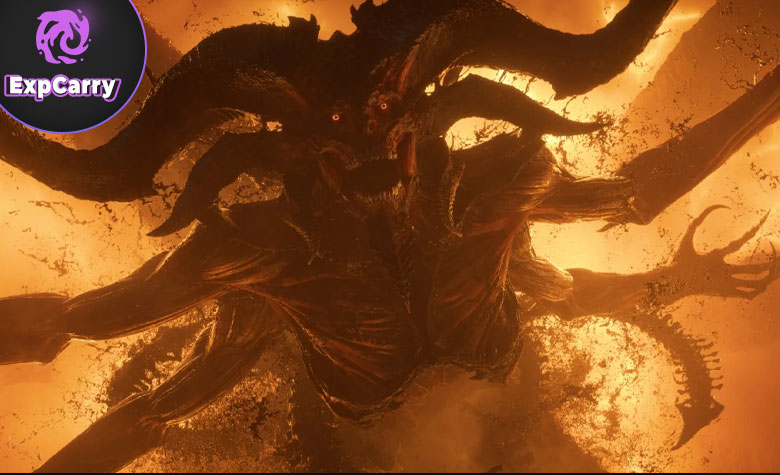
The success of Season of Reckoning depends less on the absence of a seasonal theme and more on whether Lord of Hatred's systems are strong enough to carry the same excitement. War Plans are central here because they target one of Diablo 4's long-running endgame problems: activity fragmentation. Blizzard describes War Plans as a way to chain Nightmare Dungeons, Helltides, The Undercity, Lair Bosses, Infernal Hordes, and The Pit into a custom playlist, with teleports between activities, generated Sigils when needed, Activity Points, and War Chest rewards in Temis.
That kind of endgame structure can matter more than a temporary seasonal power if it works well. Diablo 4 has often had good pieces scattered across the game without enough elegant connective tissue. War Plans sound like an attempt to make the endgame feel directed without forcing everyone through one narrow activity. If the rewards and pacing are strong, this could become more valuable than another seasonal mechanic that disappears after three months.
The Horadric Cube and Talisman carry the buildcrafting side. The Cube can transmute, customize, and create gear, consumables, Talisman objects, and socketables, with recipes tied to sources such as Elite Monsters, War Plan Cube Spoils, Undercity Tributes, and Whisper Caches. Talisman adds Seals and Charms, with affixes and set-style bonuses. Those systems are permanent, which gives them more weight than a season-only mechanic. The question is whether they create depth without drowning players in another crafting menu that exists mainly to make inventory management feel like unpaid accounting.
Seasonal Realm Still Has a Reason to Exist
Even without a dedicated seasonal theme, Seasonal Realm still matters. Blizzard describes Seasonal Realm as the place for a fresh start, Season Rank progression, earnable seasonal rewards, Season Blessings, and competitive Tower and Leaderboards Beta participation. Eternal Realm is better for long-term progression and existing characters. That split remains intact. The difference is that Seasonal Realm is not getting a unique season-specific gameplay layer this time.
For players who want the cleanest Lord of Hatred launch, Seasonal Realm is still the obvious choice. A fresh character lets the redesigned progression, skill changes, itemization updates, and new systems land together. The season also offers additional reward structure through Rank, Blessings, Reliquary, and Tower goals. Eternal Realm is more practical for players who want to continue older characters, test legacy gear changes, or avoid rerolling. But Eternal will not deliver the same seasonal reward pacing.
The more complicated question is expansion ownership. Blizzard's official breakdown separates Lord of Hatred expansion content from permanent full-game updates and Seasonal Realm content. The Lord of Hatred campaign, Warlock, Paladin, Skovos, War Plans, Echoing Hatred, Horadric Cube, Talisman, Fishing, extra stash tab, and character slots sit on the expansion side. Major skill tree updates, itemization updates, loot filter, map overlay, pathfinding, Pit overhaul, added Torment tiers, and other changes are broader. Season of Reckoning content remains Seasonal Realm-only and limited-time. That means the season experience varies sharply depending on whether the player owns the expansion.
Final Thoughts
Diablo 4: Season of Reckoning is not a normal themed season. Blizzard says it plainly: no season-specific story, no separate seasonal theme, and no season-specific gameplay elements. Instead, the season launched beside Lord of Hatred and uses the expansion's major systems as the real reason to return. That makes Season of Reckoning less of a standalone seasonal experiment and more of an expansion reset with seasonal rewards attached.
This approach can work if Lord of Hatred delivers enough depth. War Plans, the Horadric Cube, Talisman, Echoing Hatred, Skovos, new classes, itemization updates, progression changes, difficulty updates, loot filter, and endgame improvements are all substantial additions. If those systems land well, players may not miss a temporary seasonal gimmick as much as expected. If they feel uneven, Season of Reckoning will be an easy target because it has no unique seasonal identity to hide behind. Convenient little design trap, that.
The safest read is that Blizzard is treating Season of Reckoning as a bridge season for a massive expansion launch. It keeps the seasonal structure, rewards, Blessings, Reliquary, Tower updates, and fresh-start loop, but skips the separate seasonal fantasy so Lord of Hatred can dominate the update. That is defensible for one season. It becomes a problem only if this turns into a pattern. Diablo 4 can survive one theme-free season if the expansion is strong. It cannot build long-term seasonal excitement by repeatedly asking players to applaud the absence of a hook.