
Fellowship has had a few fresh official updates lately, but the March 31 Campfire Checkpoint is still the most substantial one for anyone trying to understand where the game is heading. This is the update where Chief Rebel stopped teasing the new dynamic loot model in broad terms and finally explained what it is supposed to do, what it is not supposed to do, and why it sits inside a much larger Season 3 rework rather than above it.
That distinction matters. The headline version is easy: Fellowship is moving toward a more dynamic, ARPG-style loot structure. The more useful version is that Chief Rebel is trying to loosen the game's rigid itemization, widen build variety, and add better protection against dead-end gearing, while also reworking heroes, talents, dungeon progression, endgame structure, and several quality-of-life systems at the same time. The loot update is important, but it is not being presented as a miracle fix, and that makes the whole direction easier to take seriously.
The March 31 Campfire Checkpoint Gives Fellowship a Clearer Season 3 Direction
The earlier Campfire Checkpoint laid out the broader Season 3 vision, but the March 31 post was the first one that really drilled into a core system deeply enough to matter. Instead of dropping another vague teaser, Chief Rebel used a long Q&A to explain how the dynamic loot prototype is meant to work and how it connects to the rest of the game's progression. That makes this update more valuable than a normal roadmap post, because it shows the studio's current logic instead of just listing features.
It also helps that the studio did not oversell it. Chief Rebel explicitly framed dynamic loot as one part of a broader Season 3 package that is still being tested and refined. Some systems look far enough along to describe with confidence, while others are still under evaluation. That is a more grounded message than the usual Early Access habit of treating every prototype like a complete answer.
Why This Update Lands Better Than the Earlier Teasers
- The earlier Campfire Checkpoint established the wider Season 3 direction.
- The March 31 update explained one system in enough detail to show actual design intent.
- Together, the two posts make it clear that Season 3 is being built as a structural rework, not just a content drop.
The important shift here is not just that Fellowship may get more interesting loot. It is that itemization is finally being discussed as part of a wider rebuild that touches progression pacing, build flexibility, endgame goals, and how players recover from bad gear luck.
What the New Dynamic Loot System in Fellowship
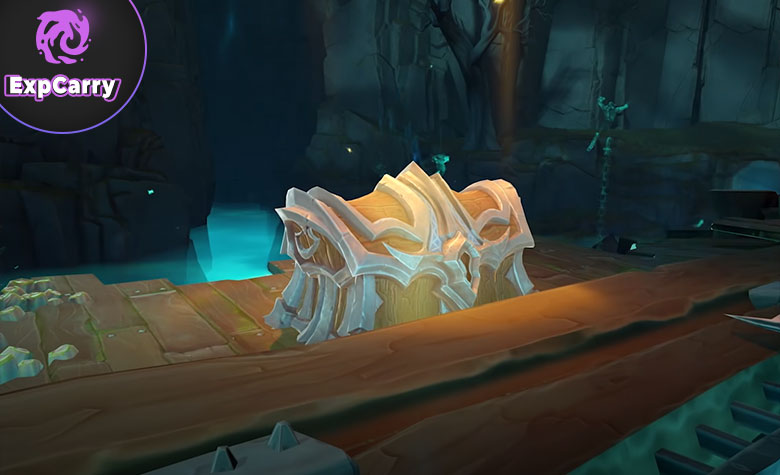
Chief Rebel describes the new loot direction as a hybrid model. It is not a full conversion into a traditional loot grinder, and it is not just the current system with a few extra random rolls attached. The studio wants difficulty to remain the main source of power progression while making rarity and item variation more flexible than they are now.
In practice, that means the baseline strength of an item still comes from the content you clear, while rarity opens more variation inside that framework. The design is meant to preserve the value of harder dungeon clears without leaving every build trapped under one overly rigid Best-in-Slot list.
The Core Rules Behind the New Loot Direction
| System Part | Current Direction | What It Changes |
|---|---|---|
| Item Level | Comes from dungeon difficulty | Keeps challenge tied to baseline reward power |
| Upgrade Potential | Comes from dungeon difficulty | Preserves harder content as the main progression driver |
| Rarity | Moves toward a percentage-based system | Loosens the old league-locked structure |
| Bad Luck Protection | Built into the rarity model | Reduces long streaks of dead progression |
| Stats | Fixed stats plus random modifiers | Adds variation without erasing planned item targets |
This is where the update becomes more interesting than the usual "more RNG equals more excitement" pitch. Chief Rebel is not trying to delete planning from the gearing process. The studio says players should still be able to target specific dungeons-service">dungeons-services">dungeons for strong baseline items. The random layer is meant to expand what counts as a strong item, not replace planning with chaos.
Fixed Stats and Random Modifiers Are Meant to Open More Build Space
The proposed model gives items two layers. The first is the stable layer: fixed stats that keep an item's core identity readable and targetable. The second is the variable layer: random modifiers that scale with rarity and create more room for strong alternatives. The goal is not to make Best-in-Slot disappear, because that is not realistic in a game like this. The goal is to make BiS less absolute and let more high-end items compete for that space.
That is one of the healthier ideas in the update. Fellowship's current itemization can feel too solved too early, especially once players understand which pieces are clearly ahead of the rest. A system with fixed foundations and variable upside gives the studio a better chance of keeping loot interesting without making progression unreadable.
Dynamic Loot Is Only One Part of the Season 3 Rework
The strongest thing Chief Rebel said in the March 31 post was also the least flashy: dynamic loot does not solve everything. That line matters because Fellowship's current friction is not limited to item drops. Some of the game's roughest edges come from how gearing, queue flow, build experimentation, endgame access, and long-term progression all lean on each other. Changing only one layer would never be enough.
That is why the Campfire Checkpoint spends so much time pointing toward adjacent systems that are being reworked or evaluated alongside loot. The better reading of the update is not "Fellowship is getting ARPG loot." The better reading is "Chief Rebel is trying to rebuild how seasonal progression feels from several directions at once."
The Other Systems That Still Matter for Season 3
| System | Current Direction | Why It Matters |
|---|---|---|
| Bad luck protection | Being built alongside dynamic loot | Keeps item variance from turning into pure frustration |
| League structure | Still under evaluation | Could change how players move through progression bands |
| Solo queue buckets | Still under evaluation | Could improve matchmaking across different stages of progress |
| Eternal tiers and queue systems | Still under evaluation | Targets a clumsy part of the late-game loop |
| Leaver penalties | Still under evaluation | Would make queued runs more reliable |
| Gems | Being explored for better flexibility | Should make build testing less punishing |
| Weapons | Being reviewed for investment friction | Targets one of the more rigid progression pain points |
| Catch-up systems | Planned as part of chapter progression | Should help late players enter the season without feeling locked out |
That is the real Season 3 story. Loot is the clearest hook, but the long-term value depends on whether these surrounding systems actually support it. A more dynamic item model will not feel good if weapon investment stays too rigid, build swapping stays too punishing, or matchmaking and progression pacing keep dragging the whole season down.
Heroes, Dungeons, and New Content Are Still Moving Alongside the Loot Rework
One obvious concern from players is whether a system-heavy update like this slows down the content pipeline. Chief Rebel addressed that directly. According to the Campfire Checkpoint, the team working on the loot prototype does not meaningfully overlap with the people building heroes and dungeons, even if larger studio resources are still shared. That does not guarantee perfect output, but it does answer the idea that dynamic loot is swallowing the whole roadmap.
Season 3 Content Already Connected to the Current Direction
- A new faction called the Heskyr
- A new hero named Gunde
- Two new dungeons
- A new Pinnacle Dungeon activity
- Hero reworks and wider talent restructuring
The Heskyr are framed as a blood-corrupted cult shaped by the blood of a god, which gives them a much darker identity than a generic filler faction. Gunde is being introduced as a blood-fueled berserker and is now planned as a melee DPS rather than the tank role tied to his earlier concept. That is a small detail, but it matters, because it shows Chief Rebel is still willing to change class direction before lock-in instead of pretending every early idea was final all along.
Hero Reworks Look More Structural Than Cosmetic
The talent changes matter almost as much as the loot discussion. Chief Rebel says shared defensive talents such as Spirited Fortitude and Magic Ward are being moved out of hero-specific trees into a separate progression layer. The point is to free hero trees from generic defensive tax nodes and make them carry more real playstyle identity instead.
If that lands well, the result should be more distinct builds and less wasted talent space. If it lands badly, the system could still end up feeling redistributed rather than improved. But at least the studio is targeting a real problem instead of pretending a few number buffs count as class depth.
Pinnacle Dungeon and Chapter Progression Show the Shape of the Next Season
The loot conversation makes more sense once it is placed next to the broader Season 3 structure. Chief Rebel is not only changing what players get. The studio is also changing when certain progression layers open and how the season is paced across its first weeks. That matters because a better gearing model does not solve much on its own if the seasonal structure around it still feels flat or front-loaded.
Pinnacle Dungeon Looks Like a Real Endgame Target
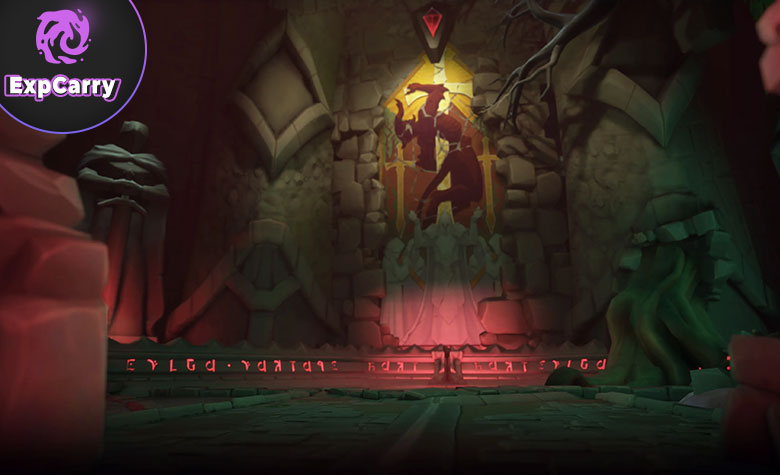
The new Pinnacle Dungeon is described as a separate endgame activity that unlocks after the Paragon Capstone. Chief Rebel says it is significantly harder than the regular league path and comes with its own progression and reward structure, with rewards limited to once per week. That last part is important. The studio is trying to build a difficult destination activity, not another treadmill that gets farmed into meaninglessness on day three.
If this system works, Pinnacle Dungeon could become the place where build planning, gear quality, and long-term progression finally meet in a cleaner way. Fellowship has needed a sharper endgame target for a while, and this is one of the more promising signs in the whole update.
Chapter-Based Progression Should Control the Early Rush
Season 3 is also planned around chapter-based progression. In the first week, players will have limited gem access and Eternal difficulty will remain locked. Later weeks will open more of the seasonal structure, while catch-up systems are meant to help people who join after launch move faster through early layers.
- Week 1 limits gem acquisition.
- Week 1 keeps Eternal difficulty locked.
- Later chapters expand access to more progression layers.
- Catch-up systems are intended to reduce the cost of starting late.
This structure is easy to dislike on instinct, because any gating system risks feeling artificial. But Fellowship also needs a cleaner early-season ramp than the current rush toward solved paths and uneven power spikes. If Chief Rebel balances the pacing correctly, chapter progression could make the season easier to manage without making it feel strangled.
Bad Luck Protection, Gems, and Weapons May End Up Deciding Whether the Loot Rework Works
Dynamic loot gets the attention because it is easy to package into a headline. The quieter systems around it may matter just as much. A more flexible loot model only feels good when the surrounding support systems stop it from becoming a mess of wasted drops, awkward swapping, and upgrade friction.
The Support Systems Around Loot Need to Carry Real Weight
| System | Current Pain Point | Direction of Change |
|---|---|---|
| Bad luck protection | Long streaks of weak or irrelevant drops | Use loot history to make progression feel less stagnant |
| Gems | Build experimentation feels too punishing | Make swapping and testing easier, potentially through equip limits |
| Weapons | Upgrade investment feels too rigid | Reduce how punishing weapons are as long-term commitments |
These are not side notes. They are the systems that decide whether dynamic loot feels strategic or just noisy. If bad luck protection is weak, players will still hit long dead zones. If gem and weapon flexibility do not improve, build variety will remain narrower than the loot model suggests on paper. The Campfire Checkpoint works best when read as a package, because that is clearly how the studio wants these changes to function.
What the Latest Fellowship Updates Actually Mean Right Now
The useful takeaway is fairly simple. Chief Rebel is not pitching one miracle rework. The studio is building toward a Season 3 package that changes loot structure, talent structure, progression pacing, endgame layering, and build flexibility at the same time. That is more ambitious than a routine seasonal patch, but it also means the results will depend on how well those moving parts support each other when they finally hit the live game.
The March 31 Campfire Checkpoint matters because it gives the clearest official explanation yet of how dynamic loot is supposed to fit into that wider rebuild. The April 1 Weekly Update keeps the communication moving, but the Campfire Checkpoint is still the post that best explains the design direction behind the changes instead of just acknowledging ongoing work.
Final Thoughts
The latest substantial Fellowship update is not important because it drops another flashy buzzword. It matters because Chief Rebel finally explained how the game's next big systems are supposed to work together. Dynamic loot is the headline feature, but the real value sits in the way it connects to bad luck protection, talent restructuring, progression pacing, weapon flexibility, chapter-based unlocking, and a clearer endgame target.
That is why the March 31 Campfire Checkpoint reads better than a normal Early Access roadmap post. It is not pretending one mechanic will suddenly fix the game. It is describing a broader attempt to make Fellowship's progression feel less rigid, less solved, and less punishing to experiment with. That is a harder promise to deliver, but it is also a smarter one.
If enough of this package lands in stable form, Season 3 could be the first time Fellowship feels like it is being rebuilt around long-term structure instead of patched around one seasonal pain point after another. That is the real reason this update matters. Not because it says "dynamic loot," but because it finally shows a more coherent direction behind loot, heroes, progression, and endgame at the same time.