



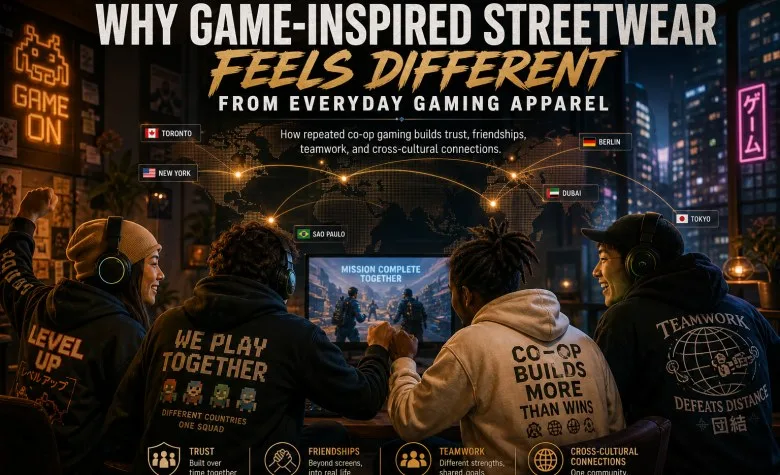
The most persuasive case for gaming as a cross-border social space starts with repetition, not a memorable one-off match. When the same people return for co-op sessions, they gain familiarity with each other’s habits, communicate around shared goals, and create a reason to meet again. That regular rhythm can turn remote teammates into a community with real continuity.
The appeal is practical as well as social: each return gives people another chance to notice progress, settle into group customs, and build trust through dependable participation with others over time.
Practical access supports that routine when a group wants to keep playing together. A Razer Gold gift card from Eneba is one gift card product that can fit into plans for shared digital play without turning the purchase into the focus of the group.
Players can buy digital games through official platform stores or digital marketplaces. The platform offers game keys or gift cards, and clear region tags help buyers choose a product that fits their account region and intended platform.
Familiarity gives co-op groups a social foundation
Cooperative online games require remote collaboration: players coordinate actions, communicate, and solve problems together. Repeating that work reveals useful patterns. One teammate may prefer planning, another may act quickly under pressure, while a third keeps the conversation calm when an approach fails.
Research on online team formation links positive familiarity with players choosing to team up again. That finding captures why recurring sessions carry more social potential than a single encounter. People have a chance to recognize effort, build confidence in one another, and develop expectations that make future collaboration easier.
Shared objectives also give conversation a natural focus across borders. Strategy, timing, problem-solving, and encouragement offer concrete subjects even when players have different first languages or cultural reference points. Common rules, roles, and game terminology create a shared framework for cooperation, though they do not remove every linguistic or cultural difficulty.
Routine adds a further layer. A weekly campaign night or scheduled co-op session can become an informal ritual, a dependable appointment with a clear purpose. Research on gaming communities has linked ritualized group activities, social focus, and emotional intensity with stronger commitment to the community.
Inclusive routines can bridge countries and cultures
Repeated co-op play can support two different kinds of social connection. Playing with established friends may strengthen bonding social capital within a close group, while meeting strangers through matchmaking, guilds, or community groups can create bridging ties beyond a player’s usual geographic and social circles. Over time, a group may contain both: close friends and newcomers who become familiar regulars.
The cross-cultural value comes from more than players merely sharing a server. Research on multicultural esports teams indicates that a common gamer identity and shared game-related language can help people from different cultural backgrounds communicate and collaborate. The same research found that cultural diversity improved team strategy under some conditions, which gives groups a reason to welcome varied perspectives rather than treat difference as a barrier.
Community quality decides how far that promise goes. Inclusive norms, mutual respect, and emotional investment can strengthen belonging, while exclusion, toxic interaction, or excessive dependence on gaming can undermine the benefits. A reliable group sets a tone where people can explain unfamiliar customs, ask for clarification, and contribute without being dismissed.
Repeated co-op play is not proven to be the single strongest way gaming connects people across borders, but it is a compelling one. Its strength lies in the ordinary return: familiar voices, shared responsibilities, and traditions built one session at a time. For groups arranging their next meeting, digital marketplaces like Eneba offer deals on digital products that can support access to shared play.