
League of Legends Classic launches on July 29, 2026, through the existing League of Legends client. The mode returns to an earlier form of Summoner's Rift with older champion identities, retired items, legacy preparation systems, and gameplay patterns that no longer exist in the live version.
Riot is presenting Classic as a renewed version of early League rather than an untouched copy of one historical patch. That difference affects every part of the mode, from champion kits and item combinations to runes, masteries, queue rules, and future updates. Archived guides may help explain older mechanics, but the released client will remain the final authority for exact values and available content.
League of Legends Classic Release Date and Access
The official League of Legends Classic release date is July 29, 2026. Riot displays that date on the official League of Legends Classic page. The German version also lists July 29, while the official Korean and Japanese pages show July 30 because the launch falls on the following local calendar date.
Riot has not published one universal launch hour covering every region. Players should therefore check their regional League website and the game client near release instead of expecting the mode to become available everywhere at the same moment.
| Launch detail | Player information |
|---|---|
| Primary release date | July 29, 2026 on the English and German Riot pages |
| Korea and Japan | July 30, 2026 on the corresponding regional Riot pages |
| Game client | Classic is accessed from the standard League of Legends installation |
| Supported installers | Riot provides the regular Windows and macOS client downloads |
| Riot account | Existing players can use their current account after updating the client |
| Regional launch hour | Players should follow local client notices and service updates near release |
A separate Classic launcher is not required. Riot's official Classic download page confirms that the mode will operate inside the main League of Legends client. Anyone who already has League installed only needs to keep the normal installation updated.
Players returning after a long break should verify their login details before release. Riot links directly to its official account recovery service for forgotten usernames, passwords, and account access problems.
League Classic Format and Historical Scope
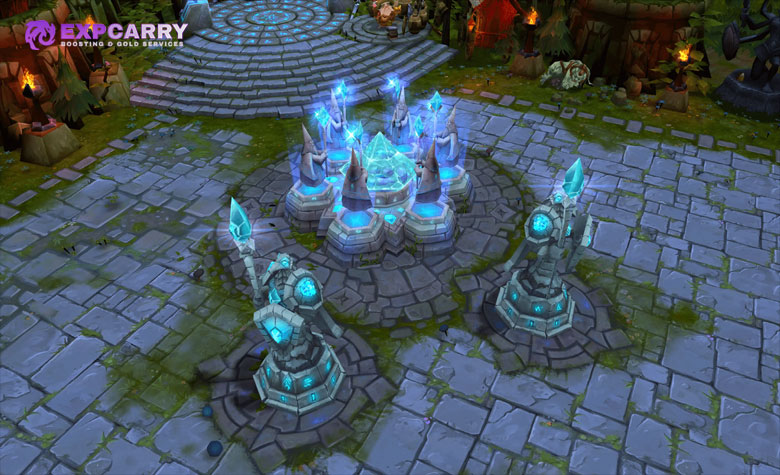
League Classic should not be described as a confirmed Season 3 server. Riot refers to a broader early period of League and has not identified one exact patch that will define every champion, item, system, and balance value at launch.
A strict historical restoration would need to reproduce one specific roster, map version, item shop, mastery tree, rune inventory, client interface, and set of champion numbers. The current official presentation does not make that claim. Instead, it combines recognizable parts of older League into a supported mode that can continue developing after release.
This distinction prevents several common mistakes. An archived champion guide may contain a familiar ability kit but use item costs, cooldowns, rune statistics, or mastery values that differ from the Classic launch build. Information taken from separate early seasons can also create combinations that never existed together in one official patch.
Players should use historical material only to understand the background of old mechanics. Exact builds, matchups, item paths, and role strategies should be based on the values visible inside the released Classic client.
Confirmed League Classic Champions, Items, Runes, and Masteries
Riot has already identified several returning examples. AP Master Yi, stunlock Sion, and Deathfire Grasp appear directly in the official Classic presentation. These choices show that the mode is restoring abandoned champion identities and item combinations rather than applying an old visual theme to the current live game.
The official page also displays separate rune and mastery systems. These belong to the older pre-game structure used before the current rune format. Riot has not yet supplied a complete written list of available runes, mastery choices, numerical bonuses, page limits, or account unlock requirements.
| Confirmed feature | Role in League Classic |
|---|---|
| Classic Summoner's Rift | Returns the map identity and gameplay setting associated with earlier League |
| AP Master Yi | Restores an older ability power playstyle that is absent from his current design |
| Stunlock Sion | Brings back a former version of Sion built around his original control-focused kit |
| Deathfire Grasp | Returns a retired item associated with older burst-oriented builds |
| Legacy runes | Reintroduce a separate pre-match system for adjusting champion statistics |
| Mastery pages | Allow players to distribute preparation choices through the older mastery structure |
| Community voting | Gives players a role in determining how Classic develops after its initial release |
The full champion roster has not been published on the current official page. Riot has also not released a complete item database, rune catalogue, mastery calculator, summoner spell list, or final balance sheet. Lists assembled from teaser footage, archived wikis, or unofficial servers should not be treated as complete launch information.
The same caution applies to older ability values. A champion can return with a recognizable historical identity without using every number from the patch most players remember. Reliable build guides will require direct information from the launch client or later Riot documentation.
Explore services related to this guide, selected from our League of Legends catalog.
View All League of Legends Services


League Classic Access, Ranked Play, Skins, and Progression
Riot does not list a separate Classic purchase, preorder package, or standalone paid client. The official access instructions direct players to the existing League installation. This supports the conclusion that no additional game download is needed, but the current page does not provide a complete commercial or account-access FAQ.
Several questions important to returning players remain outside the present announcement. Riot has not explained whether Classic will launch with ranked matchmaking, a separate rating, placement games, custom lobbies, or multiple permanent queues. The public page also does not define how champion ownership, previously purchased skins, account level, missions, rewards, or independent progression will function inside the mode.
These subjects should not be converted into repeated yes-or-no entries with the same empty answer. The useful conclusion is that Classic currently shares the main client and Riot account infrastructure, while the relationship between existing account content and the Classic ruleset still requires a detailed launch explanation.
The long-term availability of the mode also remains unclear. Community voting indicates that Riot expects Classic to change after release, but it does not automatically confirm that every queue will remain permanently active. Riot may describe the schedule, available formats, and update structure closer to launch.
How to Play League of Legends Classic on Release
Players who already use the live version of League can prepare without installing another game. The main requirements are an accessible Riot account, an updated client, and confirmation of the regional release date.
- Install or update the official League of Legends client for Windows or macOS.
- Confirm that the Riot account username, password, and recovery details are current.
- Use Riot's account recovery page before launch if the account has been inactive.
- Check the regional League website for the local release date and client notices.
- Open the normal League client after Classic becomes available in the region.
- Review champion abilities, runes, masteries, items, and queue rules inside the client before joining a match.
Reading the in-client information is especially important for experienced players. Memories from different seasons can easily blend together, causing players to expect an item recipe, ability ratio, summoner spell, or rune value that does not exist in Riot's selected version.
Players should also avoid third-party installers claiming to provide official Classic access. Riot has placed the mode inside the standard League client, so a separate executable is unnecessary.
Community Voting and Future League Classic Updates
League Classic is designed to have its own development path after launch. Riot states that community voting will help influence the direction of the mode, separating it from a historical server that remains permanently locked to one patch.
The exact voting framework has not been published. Riot has not detailed who can participate, how often polls will appear, what approval level will be required, or which gameplay decisions will remain under direct developer control.
Community input could become important when Riot considers additional champions, balance corrections, retired items, older systems, or changes to modern conveniences. However, those possible subjects should not be presented as confirmed poll categories until Riot explains the process.
The distinction between influence and complete control also matters. Player votes can guide Classic without replacing Riot's responsibility for technical stability, matchmaking quality, account security, and disruptive balance problems.
Information to Check Before the July 29 Launch
The current official page establishes the release date, access method, general historical direction, several returning gameplay examples, and the role of community voting. It does not yet function as a complete mechanical guide.
Before publishing final champion builds or detailed preparation guides, players and content creators should wait for the launch roster, item values, rune options, mastery trees, summoner spells, queue formats, ownership rules, skin compatibility, progression details, and regional release schedule.
Keeping these subjects together is more useful than filling a table with repeated statements that information is unavailable. It tells the reader exactly which parts of the mode are established and which areas require another official update.
Final Thoughts
League of Legends Classic brings back recognizable parts of early League while remaining connected to Riot's current client and account system. The confirmed foundation includes a July 29 release, regional timing differences, the classic map, older champion identities, retired items, runes, masteries, and community involvement in later development.
The mode should be judged as its own version of League rather than an exact reconstruction of one remembered season. Preparing the normal client and Riot account is enough for now. Detailed claims about ranked play, skins, champion ownership, progression, permanent queues, complete builds, and exact balance values should wait for additional official documentation.