



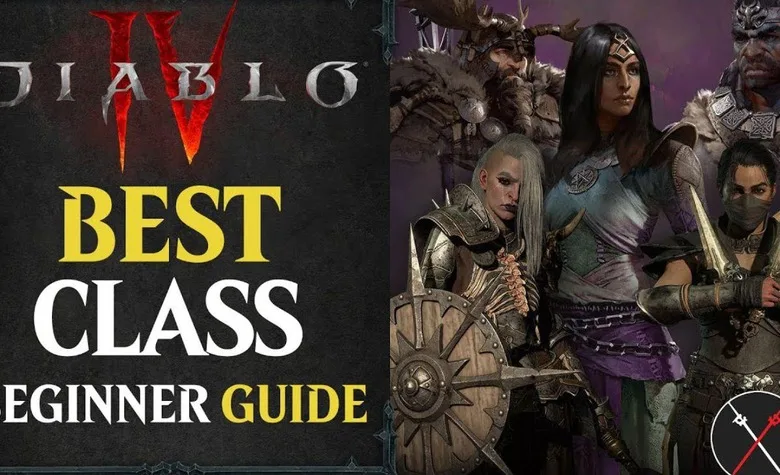
Diablo IV Gear Progression: How to Build a Stronger Character Without Wasting Resources
In Diablo IV, character progression is about more than finding equipment with higher numbers. A successful build depends on how weapons, armor, skills, and defensive attributes work together. As enemies become more challenging, players often discover that replacing an item with a higher-level alternative does not always improve their overall performance.
Understanding gear progression can make the journey through Sanctuary more rewarding. By identifying the weaknesses in a build, prioritizing meaningful upgrades, and managing resources carefully, players can improve their characters without spending unnecessary time chasing every available item.
Understand What Your Build Actually Needs
Before upgrading equipment, take a moment to evaluate your character's current strengths and weaknesses. Some builds depend heavily on skill damage, while others benefit from attack speed, critical strikes, resource generation, or defensive bonuses.
The most useful attributes depend on the skills and mechanics that define a particular build. An offensive bonus may look attractive, but it offers limited value if it does not benefit the abilities used most frequently. Similarly, defensive stats can become increasingly important when a character struggles to survive difficult encounters.
Start by identifying the problem you want to solve. If enemies take too long to defeat, review your main damage sources and the bonuses supporting them. If you regularly die during boss fights, examine your defenses, positioning, and ability to recover between attacks.
This approach makes equipment decisions more purposeful. Instead of changing several items at once, test individual upgrades and observe how they affect your performance.
Why Item Synergy Matters More Than Individual Stats
A strong Diablo IV build is usually the result of several pieces working together. Weapons provide important offensive attributes, armor can improve survivability, and additional effects may strengthen specific skills or combat mechanics.
Consider a build that relies on a particular skill to deal most of its damage. Equipment that improves that skill or supports its resource requirements may provide more value than an item with impressive but unrelated attributes.
Players should also consider how often an effect activates and whether it supports their preferred combat style. An effect that performs well under specific conditions may be less useful if those conditions rarely occur during normal gameplay.
When comparing two items, evaluate their contribution to the entire build rather than judging them individually. This helps avoid upgrades that look powerful on paper but make little practical difference during combat.
Prioritize Upgrades Instead of Replacing Everything
It can be tempting to replace several equipment slots whenever new loot becomes available. However, frequent upgrades can consume resources that would be better spent improving the items that matter most.
A more efficient strategy is to rank equipment by its current importance. If a weapon is significantly weaker than the rest of the build, improving it may provide an immediate benefit. If the weapon is already performing well, another slot might offer a more meaningful opportunity for improvement.
Players should also distinguish between temporary equipment and items intended to support a longer-term build. Spending heavily on a short-lived upgrade may not be worthwhile when a more suitable replacement is likely to appear soon.
Keeping a clear progression goal helps maintain a balance between experimentation and efficiency.
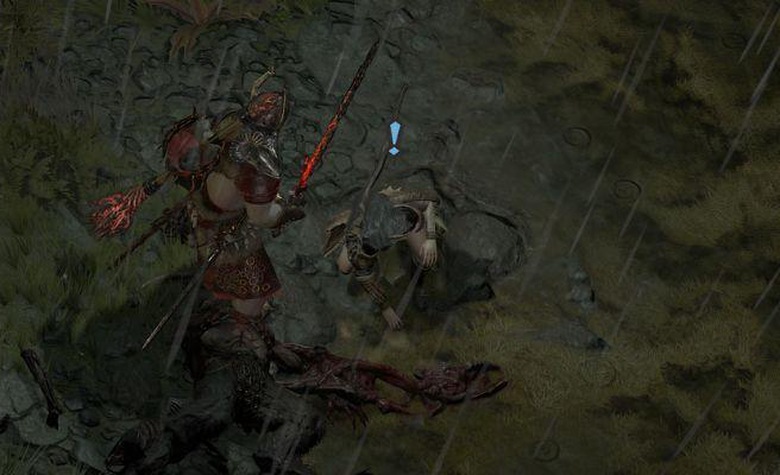
Farming Efficiently in Diablo IV
Farming remains an important part of equipment progression, but not every activity contributes equally to every player's goals. The best activity depends on what the character needs, how difficult the content is, and how much time the player wants to invest.
Before beginning a farming session, decide whether the priority is experience, crafting materials, equipment, or progression through a particular activity. A focused objective makes it easier to evaluate whether a session was productive.
It is equally important to choose content that matches the character's capabilities. Increasing difficulty can provide greater challenges, but struggling through encounters inefficiently may reduce the value of the time spent playing.
Players should review their results periodically. If an activity repeatedly fails to provide useful upgrades, consider changing the approach or targeting a different progression objective.
Managing Resources and Equipment Choices
Resources become more valuable when players understand where they provide the greatest benefit. Upgrading every promising item can quickly become expensive, particularly when equipment is frequently replaced during progression.
Before committing materials or currency, consider how long the item is likely to remain useful and whether its attributes support the build's main objectives. An upgrade that resolves a major weakness may justify the expense, while a minor improvement might be better postponed.
Players exploring external equipment marketplaces should approach their options carefully. EZBUFF provides gaming-related listings that players can review alongside their own progression plans. Before using a third-party service, check its current terms, delivery conditions, account-security considerations, and the rules that apply to Diablo IV.
For players researching available equipment options, the Diablo IV items page is another resource to review. Any decision should be based on the character's actual needs rather than the assumption that acquiring more items will automatically produce a stronger build.
Preparing for Difficult Encounters
Endgame encounters often test several aspects of a build simultaneously. Damage output matters, but so do survivability, resource management, and the ability to respond to enemy mechanics.
Players should pay attention to the reasons behind failed attempts. If a character consistently survives only briefly, additional offensive power may not address the underlying issue. Improving defenses, adjusting skills, or learning encounter patterns could produce better results.
Likewise, a build that survives comfortably but takes too long to defeat enemies may benefit from more focused offensive improvements.
Small adjustments are often easier to evaluate than a complete rebuild. Test changes in manageable steps and keep the equipment and skills that consistently improve performance.
Experiment Without Losing Sight of Your Goal
One of Diablo IV's strengths is the variety of ways players can develop their characters. Different skills, equipment combinations, and combat approaches can produce distinct playstyles, even when characters share the same class.
Experimentation is useful, but it works best when players understand what they are testing. Changing every part of a build simultaneously makes it difficult to determine which decisions were successful.
Instead, establish a clear objective, make a small number of adjustments, and compare the results. This process helps players discover effective combinations while keeping resource expenditure under control.
Final Thoughts
Improving a Diablo IV character does not require replacing every piece of equipment or chasing every possible upgrade. Consistent progress comes from understanding build requirements, selecting complementary attributes, managing resources, and recognizing which weaknesses need attention first.
Players who make equipment decisions with a clear purpose can spend less time on unnecessary upgrades and more time enjoying the challenges of Sanctuary. Whether the goal is to improve an existing build or prepare for more demanding encounters, a thoughtful progression strategy remains one of the most reliable ways to get more out of Diablo IV.