




Gaming has changed significantly over the past decade, but one thing remains constant: players enjoy seeing the results of their decisions. Whether it's winning a close PvP match, completing a difficult dungeon, or surviving a challenging boss encounter, the moment when effort turns into a visible outcome is a major part of the experience.
Modern games deliver that satisfaction in different ways. Some reward hours of preparation and strategic planning, while others create excitement through short challenges that last only a few minutes. Both approaches have their place, and understanding their appeal reveals a great deal about how gaming habits are evolving.
The Appeal of Quick Results in Modern Gaming
Not every gaming session needs to involve a lengthy campaign or a complicated progression system. Sometimes, players want to enjoy a complete experience without committing an entire evening.
Fast-paced games address this preference by reducing the time between taking an action and seeing its outcome. Players can enter a match, complete a challenge, and immediately understand what happened.
This design philosophy appears across several popular gaming genres.
In competitive shooters, individual encounters may be decided in seconds. Racing games reward precise reactions at critical moments. Fighting games create tension through short rounds where every decision matters.
Even MMORPGs, traditionally associated with extensive character development, include shorter activities designed around immediate engagement. Arena matches, world events, and timed encounters allow players to experience meaningful gameplay without necessarily completing a lengthy raid.
The common element is immediate feedback. Players understand the consequences of their actions quickly, making each interaction feel relevant.
How Instant Feedback Changes the Gaming Experience
Feedback is one of the fundamental elements of effective game design. It helps players understand whether their decisions were successful and encourages them to improve their approach.
Consider a challenging boss encounter in World of Warcraft. A player must recognize attack patterns, react to incoming abilities, and coordinate with teammates. Successfully avoiding a dangerous mechanic provides immediate confirmation that the correct decision was made.
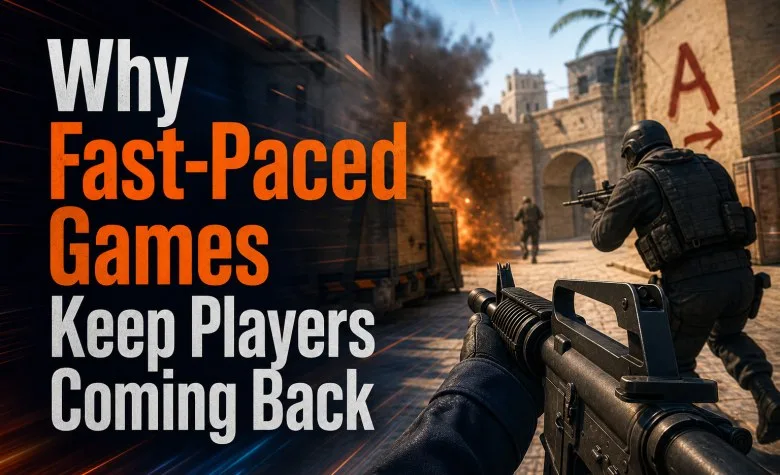
The same principle applies to competitive games such as Counter-Strike 2, where positioning and reaction time can determine the outcome of an encounter.
Developers reinforce these moments through visual effects, sound design, animations, and clear performance indicators.
However, immediate feedback should not be confused with guaranteed success. A game can communicate results instantly while still requiring substantial skill, preparation, or practice.
From Competitive Gaming to Instant-Result Entertainment
The popularity of short gaming sessions extends beyond traditional video game genres. Arcade experiences, casual mobile titles, and simple probability-based games also use rapid rounds and easily understood mechanics.
For example, players exploring casino games with instant wins may encounter titles such as Plinko, Crash, or Mines in the specialty games section of BetUS Casino. These games typically resolve individual rounds quickly, although their outcomes depend on chance rather than the skill-based progression associated with competitive video games. Quick results do not mean guaranteed winnings, and real-money participation involves financial risk.
The comparison illustrates how different entertainment formats can share similar interface principles while offering fundamentally different experiences.
In skill-based competitive games, practice and decision-making influence performance. In chance-based games, random outcomes remain central regardless of how quickly results are displayed.
Understanding this distinction is important when evaluating different gaming formats.
Why Short Gaming Sessions Fit Modern Lifestyles
One reason quick gameplay has become increasingly relevant is the way people organize their free time.
Many players balance gaming with work, education, family responsibilities, and other commitments. Spending several uninterrupted hours completing a raid or progressing through a lengthy campaign is not always practical.
Games built around shorter sessions provide greater flexibility.
A player might complete a few matches during a break, participate in a brief multiplayer activity, or finish a daily challenge before returning to other responsibilities.
Several characteristics make shorter gaming sessions appealing:
Accessible gameplay: Players can start participating without extensive preparation.
Clear objectives: Challenges communicate what needs to be accomplished.
Immediate feedback: Results become visible shortly after completing an activity.
Flexible session length: Players can stop between rounds or encounters.
Repeatability: Familiar mechanics allow players to return without relearning the experience.
These characteristics do not necessarily make shorter games better than longer ones. Instead, they expand the range of experiences available to different audiences.
Why MMORPG Players Still Value Long-Term Progression
Despite the popularity of quick gameplay, MMORPGs demonstrate that long-term progression remains an essential part of gaming.
In World of Warcraft, character development involves equipment upgrades, class knowledge, encounter preparation, and cooperation with other players.
Completing a challenging raid can require substantial preparation, particularly when a group is learning unfamiliar mechanics.
The satisfaction comes not only from the final reward but also from overcoming obstacles through experience and teamwork.
This creates a different form of engagement from games designed around rapid individual rounds.
Short gaming experiences emphasize immediate outcomes, while MMORPG progression often emphasizes accumulated accomplishments.
Interestingly, successful MMORPGs combine both approaches. Players may spend weeks improving their characters while participating in shorter activities between major progression milestones.
Timed dungeon runs, arena matches, and repeatable encounters create opportunities for immediate achievement within a larger progression system.
The Role of Difficulty and Player Skill
One of the most important differences between gaming experiences is how they reward player improvement.
In competitive titles, players can often increase their performance through practice. Better positioning, stronger communication, improved timing, and deeper knowledge of game mechanics can directly affect the outcome.
This connection between effort and improvement creates a strong motivation to continue playing.
For example, mastering a difficult boss mechanic becomes satisfying because success reflects accumulated experience.
Similarly, competitive players may spend considerable time refining their movement, accuracy, or strategic decisions.
Games that rely primarily on chance operate differently. Although their interfaces may appear interactive, additional practice does not necessarily improve the underlying probability of winning.
Players should recognize the distinction between systems that reward skill and those determined by randomness.
How Game Developers Balance Speed and Depth
Creating an engaging fast-paced game involves more than simply making everything happen quickly.
Developers must balance accessibility, meaningful decisions, and sufficient variety to maintain interest.
An experience that moves too slowly may struggle to maintain attention. However, gameplay that becomes excessively fast can leave players without enough time to understand their choices.
Effective game design provides a rhythm that matches the intended experience.
Competitive games often alternate between intense encounters and quieter preparation phases. MMORPGs balance demanding progression content with exploration, crafting, and social activities.
Casual arcade titles generally simplify controls and reduce preparation requirements, allowing players to focus on individual challenges.
Each approach serves a different audience.
The key is ensuring that gameplay speed supports the experience rather than replacing meaningful interaction.
What Fast-Paced Gaming Means for the Future
The growing variety of gaming formats suggests that players increasingly value flexibility.
Modern audiences do not necessarily want to choose between complex, long-term adventures and shorter entertainment experiences. Many enjoy both, depending on their available time and interests.
Developers are responding by creating games that support different session lengths, clearer objectives, and more accessible entry points.
At the same time, established genres continue to evolve.
MMORPGs increasingly incorporate activities that can be completed in shorter sessions, while competitive games refine matchmaking and progression systems to make individual matches feel rewarding.
The future of gaming is unlikely to belong exclusively to either long-form progression or rapid gameplay.
Instead, successful experiences will continue offering players meaningful choices about how they spend their time.
Final Thoughts
Fast-paced games remain popular because they provide clear objectives, immediate feedback, and opportunities to engage without lengthy preparation.
Yet speed alone does not determine whether a game is enjoyable. Challenge, player agency, meaningful progression, and well-designed mechanics all contribute to the experience.
From competitive PvP encounters to cooperative MMORPG activities and casual arcade entertainment, different genres approach these principles in their own ways.
For players, the greatest advantage is variety: there are more ways than ever to enjoy gaming, whether they have ten minutes available or an entire evening dedicated to a difficult challenge.