





Riot Games' official reveal of the October match dates and broadcast windows has finally outlined the competitive framework for the autumn's premier esports spectacle. Even though the final Swiss stage matchups will only take shape once the Play-In phase wraps up, this locked-in cadence allows us to gauge the physical and tactical strain waiting for every roster. The October campaign opens on October 15 in Los Angeles before transitioning directly into high-stakes group fixtures in Texas. Scrutinizing the published broadcast schedule, I see an organizer determined to deliver maximum match density with minimal downtime between series. In this breakdown, I analyze the structure of the confirmed timetable, evaluate how regional time zones impact player readiness, and break down the strategic weight of the opening fixtures.
October Calendar Structure and the Play-In Filter

The tournament's opening phase kicks off on October 15 at the Riot Games Arena in Los Angeles, where four contenders in a Bo5 double-elimination bracket will battle for the single remaining ticket to the main event. A compact four-day stretch running from October 15 through October 18 leaves teams zero room for a slow start. For Wildcard-caliber rosters, this represents their sole path into the World Championship, meaning every elimination match will be played under tremendous nerve.
The primary clash ignites on October 23 once the live draw seeds the Swiss stage in Texas. Monitoring tier allocations and the updated lol worlds 2026 schedule across competitive hubs, I see just how critical the round-one draw will be for powerhouses like Gen.G, G2, or BLG. The opening stretch from October 23 to October 26 is reserved for Bo1 series and initial progression matches, where underestimating an underdog instantly shatters expectations for a clean qualification run.
The closing leg of the Swiss stage from October 28 to October 31 will resolve every remaining quarterfinal spot. Matches are compressed into two dense blocks, forcing coaching staffs to overhaul draft strategies inside hotel rooms between match days. Personally, I favor this tight cadence: it strips away flukes and ensures that only rosters built to endure marathon schedules survive.
The Time Zone Test for Asian Favorites
The confirmed broadcast windows clearly favor North American and European audiences, kicking off around 11:00-12:00 local time. For Korean and Chinese rosters, this timetable translates to early morning wakeups and uncharacteristic stage hours, which often compromises mechanical sharpness during opening Bo1 sets. I recall past international events hosted in North America where even premier giants took several games to find their rhythm simply due to disrupted biological clocks.
Thorough acclimatization in Texas will serve as the defining out-of-game factor for LCK and LPL squads. As detailed in the official LoL Esports venue and stage update, the tournament shifts directly into Allen after the preliminary stage, giving traveling teams very little leeway to adjust. If contenders like Hanwha Life Esports or Anyone's Legend fail to reset their sleep routines before October 23, hungry underdogs will punish their sluggishness in the opening minutes of game one. Miscalculated wave management and hesitation around river chokepoints at the eight-minute mark typically stem from physical exhaustion rather than poor meta reads.
European lineups such as G2 Esports and Karmine Corp secure a subtle psychological edge under these conditions thanks to an operational window that closely mirrors their domestic routines. Sustaining crisp comms from minute one comes much more naturally to them. For the West, this represents an operational window of opportunity that must be exploited immediately during the opening days of the tournament.
Swiss Stage Density and the Cost of Early Bo1s
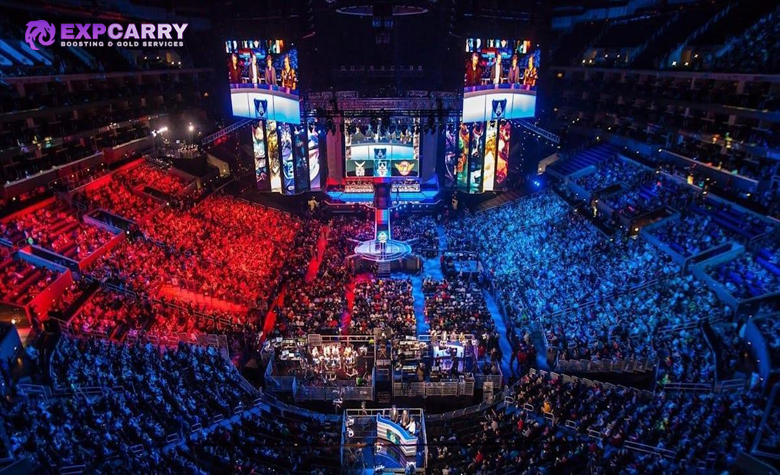
The Swiss stage schedule in October runs in two distinct waves: four consecutive opening days from October 23 through October 26, a one-day pause, and a final four-day push concluding on October 31. This setup turns the opening Bo1s into high-risk minefields for established favorites. Dropping a single map on October 23 immediately scraps plans for a clean 3-0 progression run, dropping that team into survival pools.
In my view, this timing will force top seeds to pull out hidden preparation far earlier than planned. It is impossible to hold signature pocket picks in reserve for the playoffs when your tournament life hangs by a thread at 0-1 or 1-2. The second half of the Swiss stage (October 28-31) consists entirely of grueling Bo3 progression and elimination series, where any room for error evaporates completely.
This calendar compression directly penalizes teams with shallow champion pools. When back-to-back elimination series leave coaching staffs with less than 24 hours of turnaround time, analysts cannot engineer nuanced counter-strategies. The rosters that survive will be those with built-in backup drafts that hold up against ruthless early snowballing.
Tactical Pause Ahead of the Knockout Phase
The conclusion of the Swiss stage on October 31 grants exactly three days of breathing room before the quarterfinals kick off on November 3. This brief pause marks a critical turning point for the entire tournament. The eight surviving rosters receive valuable time to digest the tactical shifts that inevitably develop across two weeks of high-intensity play in October.
I have repeatedly watched the Worlds meta transform drastically between the group fixtures and the bracket stage. Picks that look dominant in opening Bo1s frequently fall off by month's end once teams uncover direct lane answers and structural counters. The coaching staffs that use these three quiet days to identify the strongest champion pairings on the tournament patch will hold a massive drafting advantage once Bo5 sets begin.
Beyond tactics, this interlude is necessary for players to reset mentally. Lineups that fight through the 3-2 qualification trenches will reach October 31 visibly depleted. Three days removed from stage pressure give them the runway to rebuild emotional stamina and enter the knockouts with a clear head.
Conclusion
Riot Games' October timetable for Worlds 2026 establishes an uncompromising pace where every match day carries direct tournament consequences. The lack of extended breaks throughout the Swiss stage will test the depth of preparation and mental fortitude of every contender. Victory will not belong merely to the most mechanically gifted roster, but to the team capable of delivering its absolute ceiling under relentless schedule pressure. The tournament starts shortly, and the confirmed calendar makes one reality certain: no team can afford a slow start this year.