




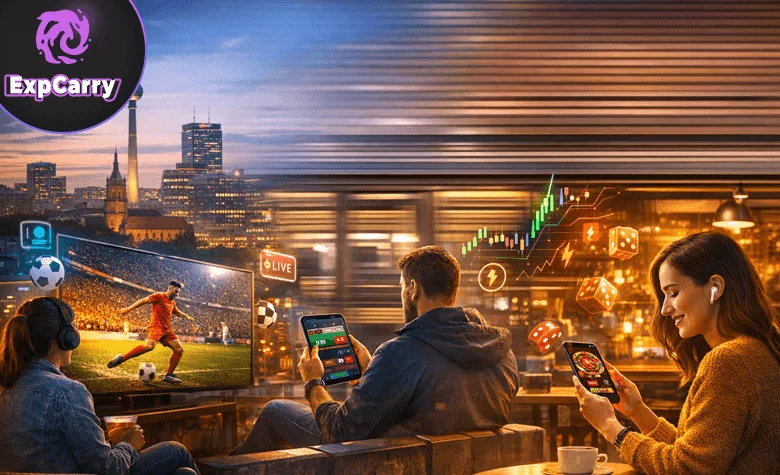
Urban life in German cities is changing noticeably. Work, mobility, and leisure are blending together more than ever before. Traditional leisure models with fixed schedules and specific locations are losing importance. Instead, there is a growing demand for flexible activities that adapt to the pace and rhythm of city life. Sports and excitement still play a central role, but they are increasingly complemented by digital alternatives. These developments show how entertainment is being reorganized within the modern urban environment.
Digital experiences do not replace traditional sports. They expand them. They create new forms of participation, allow shorter engagement periods, and integrate more naturally into everyday routines. Especially in cities, where time is a limited resource, new habits are emerging around these flexible forms of entertainment.
The Changing Sports Experience - From Stadiums to Digital Platforms
For a long time, sports were tied to specific places. Visiting stadiums, attending club events, or watching matches together in bars shaped the traditional sports experience. These formats still remain relevant, but they are increasingly supplemented by new options. Urban residents want to follow sports whenever it fits into their daily schedule.
Digital platforms provide exactly this kind of flexibility. Livestreams, statistics, and interactive features allow people to follow sporting events even while commuting or during short breaks. These services are often perceived as part of an expanded sports ecosystem rather than a replacement for traditional experiences. They add additional layers of excitement and encourage a more active engagement with the events.
This shift is especially visible among younger audiences. Sports are no longer experienced as occasional events but rather as a continuous part of everyday life. Digital platforms respond to this demand and reshape how people interact with sports content.
Digital Excitement as Part of Modern Leisure Culture
Life in large cities is characterized by constant change. Appointments, commuting, and responsibilities leave little room for long leisure periods. As a result, demand is growing for formats that can deliver excitement in a short amount of time. Digital entertainment is designed to meet exactly these expectations.
Excitement is no longer defined by duration but by intensity. Short, clearly structured interactions can create engaging experiences without requiring a significant time commitment. Live elements, real-time feedback, and dynamic visual design help maintain attention even within limited time frames.
Formats That Are Particularly Popular
Modern digital leisure services often reflect these urban lifestyle needs. The most successful formats usually combine structure with flexibility:
- Live-based sports content with immediate feedback.
- Interactive platforms with clear and simple processes.
- Experiences that can be paused and continued later.
- Services that combine information and entertainment.
- Content that does not require long-term commitments.
These characteristics help explain why digital alternatives are becoming increasingly accepted in urban environments. They adapt to everyday life rather than forcing people to adapt their schedules.
Between Leisure and Everyday Life - New Urban Habits
Digital services are changing not only what people do during their leisure time but also when they do it. Free time no longer exists only in the evenings or on weekends. Instead, it spreads throughout the day. A short session in the morning, a quick check during lunch breaks, or a spontaneous moment of relaxation in the evening are all becoming common routines.
This transformation creates new behavioral patterns. City residents move smoothly between information, entertainment, and relaxation. Digital platforms respond with intuitive structures and quick entry points that allow users to engage instantly without complicated preparation.
Control has also become increasingly important. Users want to decide how deeply they participate in any activity. Transparent systems and clear structures therefore play a key role in the success of modern digital entertainment services.
What Digital Alternatives Reveal About Urban Needs
The success of digital leisure formats reveals much about the expectations of people living in cities. It is no longer about maximizing the amount of time spent on an activity, but about maximizing the quality of each minute. Variety is appreciated, while overwhelming complexity is avoided.
Digital platforms respond by offering modular experiences that allow users to decide how deeply they want to engage. This sense of autonomy increases acceptance because it reflects the broader desire for flexibility and independence in urban lifestyles.
At the same time, people expect reliability. Even digital entertainment services must provide clear rules, transparent processes, and a stable user experience. Platforms that balance flexibility with structure integrate seamlessly into modern city life.
When Urban Leisure Becomes Hybrid
Sports, culture, dining, and digital entertainment are no longer competing forms of leisure. Instead, they complement each other. Visiting a stadium on the weekend does not exclude engaging with digital sports content during the week. A restaurant visit can easily be combined with digital entertainment.
This hybrid leisure culture is characteristic of modern cities. It allows diversity without obligation. Digital experiences have become one element within a broader ecosystem of urban entertainment.
Urban life is becoming more diverse rather than more one-dimensional. Sports remain an essential part of everyday culture, while digital alternatives expand and adapt them to the realities of modern city residents.