
Path of Exile 2: Return of the Ancients is the biggest Early Access update Grinding Gear Games has released so far, and patch 0.5.0 does far more than move a few balance numbers around. Released on May 29, 2026, the update adds the Runes of Aldur challenge league, a rebuilt Atlas endgame, six new endgame storylines, new Pinnacle Bosses, new crafting systems, two new Ascendancy Classes, new Lineage Supports, new Unique Items, and a clearer structure for post-campaign progression.
The main point of Return of the Ancients is simple: Path of Exile 2 needed a better bridge between the campaign and the endless Atlas grind. Earlier versions of the endgame had powerful systems, but too much of the experience felt like being dropped into a huge board with unclear priorities. Patch 0.5.0 gives each major endgame mechanic a stronger identity through questlines, hub areas, Atlas progression, boss paths, and more readable reward goals.
This does not mean the launch has been smooth. Return of the Ancients arrived with a massive player spike during the free weekend, but also with crashes, broken quests, NPC issues, reward bugs, and several hotfixes. That matters for anyone deciding whether to return immediately or wait a little longer. The patch is ambitious, important, and clearly aimed at making Path of Exile 2 feel more complete before 1.0, but the first days have also shown the usual cost of shipping a giant ARPG update: the systems are exciting, and some of them arrived held together by hotfix tape.
Path of Exile 2 Return of the Ancients Patch 0.5 Changes Endgame Progression
Return of the Ancients is mainly an endgame expansion, even though it also touches the campaign, classes, crafting, items, supports, trade, interface systems, and player convenience. The Atlas now has fixed points of interest at specific locations, which gives players more obvious goals instead of forcing every post-campaign step to feel like loose map spam. League mechanics on the Atlas now have quests that introduce their systems, guide progression, and lead toward Pinnacle Boss encounters.
This is the biggest structural improvement in patch 0.5.0. Path of Exile 2 works best when its systems create pressure, planning, and meaningful choices. It works worse when basic direction is hidden behind unclear map movement. Return of the Ancients gives each endgame branch a more deliberate path. Breach is tied to the Genesis Tree and Breach Domains. Delirium gets clearer fog progression, new encounters, and a refreshed Simulacrum. Ritual gets the Rite of the Nameless and a stronger boss route. Abyss gets large Atlas cracks and guaranteed Abyssal Depths with bosses. Fate of the Vaal becomes part of the core game with its own Atlas tree. Expedition is rebuilt around Ocean Exploring and tied into the Runes of Aldur structure.
Origins of Divinity gives the PoE 2 Atlas a stronger spine
Origins of Divinity is the backbone of the new endgame structure. After completing your first tower, a Fortress rises from the earth, and maps inside that Fortress now grant Atlas Passive Tree points. That replaces the older method of gaining Atlas points and gives players a clearer reason to push through specific endgame locations instead of farming whatever appears nearby and calling it a plan.
The Fortress introduces Ancient Modifiers, Gateway maps, Citadel maps, new bosses, and the Arbiter of Divinity Pinnacle Boss. The Burning Monolith and Arbiter of Ash have also been moved into this Fortress structure, which helps connect older pinnacle content to the new endgame progression instead of leaving it floating as a separate legacy path. Maps inside the Fortress can also be completed through repeated Arbiter of Divinity kills, giving high-end players another way to unlock sections automatically.
The practical result is a more directed endgame loop. You still run maps, stack difficulty, chase bosses, and build your Atlas, but those actions now have a clearer sequence. Return of the Ancients does not simplify Path of Exile 2 into a shallow checklist. It gives the game's complexity a better skeleton, which is exactly where this update needed to land.
Masters of the Atlas adds flexible endgame specialization
Masters of the Atlas is one of the most important long-term systems in Return of the Ancients. It introduces Ascendancy-style progression for the endgame through masters such as Doryani, Hilda, and Jado. Each master has 12 nodes, with 4 selectable at a time, and players can change selections freely. All three masters can be allocated at once, and a quick-select option lets you swap between master setups before running a map.
This gives farming another layer without forcing every decision into the main Atlas Tree. Doryani's Science, Hilda's Hunting, and Jado's Spycraft push players toward different mapping styles and rewards. When tablets, league mechanics, Atlas passives, and master bonuses all interact, your farming route becomes more deliberate. If built badly, it also becomes more impressively self-destructive, which is very on-brand for Path of Exile.
Runes of Aldur League Brings Remnants, Verisium, and Runic Ward
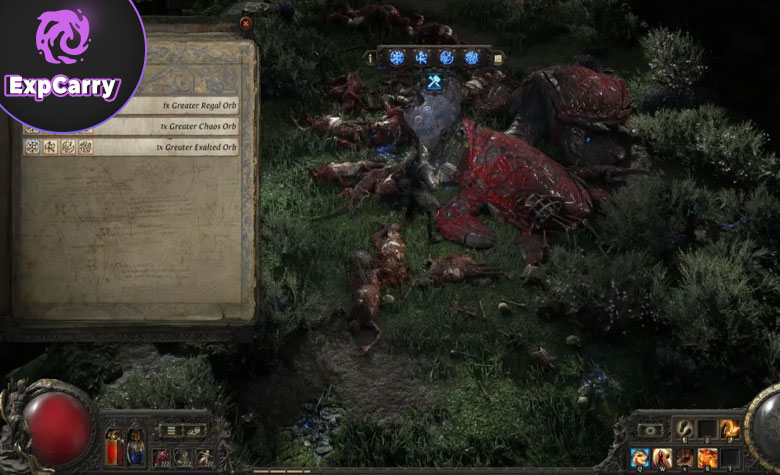
The Runes of Aldur league is the new challenge league for patch 0.5.0. It starts players in a fresh economy and adds Remnants to areas. These Remnants let players craft an item by placing Runic Recipes into slots. More runeshapes mean tougher waves of enemies and more runic modifiers, but also better potential rewards. Remnants can have between 2 and 10 slots, with higher-slot Remnants being rarer and capable of producing rarer items.
The league also introduces Verisium, a new metal dropped by monsters raised through Remnants. Farrow, the new NPC, brings campaign quests that unlock crafting features as players progress. This gives Runes of Aldur a stronger arc than a basic "click object, kill monsters, loot pile" league. That combat loop is still there, because ARPG players apparently require a legally mandated number of glowing objects to click, but the league has a broader crafting spine behind it.
Verisium Runeforging makes Runic Ward a real gearing decision
Verisium Runeforging is the key crafting system in Runes of Aldur. After unlocking it in Act 1, players can add Runic Ward to armour by spending Verisium. Armour below level 55 gains Runic Ward with no downside, while higher-level armour trades some regular base defences for Runic Ward. Runic Ward is a new defence that activates when the player reaches 1 life, absorbing damage while regenerating independently from life.
This makes Runic Ward interesting because it is not a universal upgrade button. Low-level armour benefits cleanly, while higher-level armour asks whether the added emergency defence is worth losing some of the base's normal defensive value. Good crafting systems create decisions. Bad crafting systems create chores with better icons. Runic Ward is closer to the first category because it changes how players evaluate armour, survival layers, and unique item upgrades.
Unique Verisium Runeforging adds another major angle. Players can upgrade the base type of low-level Unique Weapons and Armours so they remain more competitive at higher levels. Upgraded Unique Weapons gain higher damage, while upgraded Unique Armours gain stronger base defences and Runic Ward. Unique Armours above level 55 can still be Runeforged to include Runic Ward, but with the same defensive tradeoff. Kalguuran Uniques gain extra properties through this system, making them especially important in the league economy.
Runes of Aldur rewards push crafting past simple currency drops
Runes of Aldur adds Alloy currency items, Ancient Runes, Mythical early-game runes, Fluxes, Meta crafting runes, runes created by destroying Uniques, and Runic Ward Runes. These rewards do not all serve the same purpose. Some change item modifiers, some support leveling, some provide weapon-specific bonuses, some manipulate resistances, and some build directly around Runic Ward.
The league also adds 23 Kalguuran Skills and 7 Kalguuran Supports that can be crafted from Remnants. Skills such as Animus Exchange, Frostflame Nova, Hollow Shell, Rain of Blades, Skyfall, Triskelion Cascade, Verisium Manifestations, Voltaic Barrier, and Wardbound Minions give the league its own build identity instead of merely feeding more passive stats into existing setups. Supports such as Fist of Kalguur, Runic Infusion, Runeforged Blades, and Scouring Flame tie the league directly to crafted combat tools.
The main takeaway is that Runes of Aldur is not just a loot multiplier. It is a crafting league with defensive, offensive, and build-enabling rewards. Players who treat Remnants only as another monster-wave machine will miss part of the value. The better approach is to judge each Remnant by slot count, runeshape risk, reward type, crafting goal, and whether the fight is actually worth the time.
PoE 2 Atlas Mechanics Get New Bosses, Hubs, and Rewards
Return of the Ancients rebuilds several major endgame mechanics so they fit into the new Atlas structure. Delirium, Breach, Ritual, Fate of the Vaal, Abyss, and Expedition all receive significant changes. The update works best when read not as separate mechanic changes, but as a coordinated attempt to give each system a hub, tree, progression route, reward identity, and boss destination.
| System | Major patch 0.5.0 change | Player impact |
|---|---|---|
| Runes of Aldur | New challenge league with Remnants, Verisium, Runeforging, Runic Ward, Kalguuran skills, and league challenges | Fresh economy, new crafting goals, new defensive layer, and league-specific build tools |
| Atlas Endgame | Fixed points of interest, mechanic questlines, quest and repeatable Pinnacle Boss versions, and 30 new Endgame Map Areas | Clearer progression, stronger boss access, and less aimless post-campaign mapping |
| Origins of Divinity | Fortress progression, Ancient Modifiers, Gateway and Citadel maps, and Arbiter of Divinity | Main endgame storyline now drives Atlas point progression and pinnacle structure |
| Masters of the Atlas | Selectable endgame bonuses from Doryani, Hilda, and Jado | More flexible farming specialization before each map |
| Delirium | New hub, revamped tree, fog progress bar, new encounters, updated Simulacrum, and new Pinnacle Boss path | Cleaner Delirium pacing and more visible risk-reward tracking |
| Breach | New hub, revamped tree, Stabilised Breach, Genesis Tree crafting, Breach Domains, and new bosses | Breach becomes a stronger crafting and bossing route instead of only monster density chaos |
| Ritual | New hub, revamped tree, Rite of the Nameless, improved reward direction, and new boss path | Ritual gains more structure, stronger escalation, and clearer pinnacle progression |
| Fate of the Vaal | Moved to core game with Atlas tree, Atziri's Temple, updated rooms, Infusers, and storage changes | Vaal content becomes a permanent endgame branch with better progression control |
| Abyss | Large Atlas cracks, revamped tree, and guaranteed Abyssal Depths with boss fights | Abyss becomes more reliable as a targeted endgame mechanic |
| Expedition | Old Expedition structure is temporarily disabled in Standard while the system is integrated with Runes of Aldur and rebuilt around Ocean Exploring | Expedition shifts into a Kalguuran island route with new rewards, factions, and progression |
Breach gains Genesis Tree crafting and stronger domain progression
Breach has one of the most meaningful reworks in the patch. It now has a hub area called The Monastery of the Keepers, with surrounding Atlas maps containing Breach encounters and granting points for the Breach Atlas Tree. Starting a Breach now shows a progress bar that tracks how long it will stay open and how much monster killing extends it. Reaching 100% begins a Stabilised Breach, which creates new challenges at the starting point and can lead to Vruun, Marshal of Xesht.
The Genesis Tree is the major new Breach crafting system. It consumes Wombgifts and Hiveblood to create Rings, Amulets, Belts, and Currency. Players can allocate nodes on the Genesis Tree to shape what gets crafted, and new nodes unlock through Wombgifts. The system adds exclusive ring, amulet, and belt bases, plus Caster and Minion modifiers for Rings and Belts. Catalysts now come solely from the Genesis Tree, and a new set of Catalysts can add quality modifiers to Jewels.
Breachstone Splinters now convert into a special Wombgift when fully stacked, which can be used at the Genesis Tree to create a Breachstone. Breach Domains appear on the Atlas, and maps inside them can include Breach Hives, Sky Hives, and Sky Fortresses. The new chain is much clearer: run Breach, push the bar, earn materials, craft through the Genesis Tree, enter Domains, fight bosses, and move toward pinnacle rewards.
Delirium becomes easier to read without losing pressure
Delirium now has a dedicated hub called The Withered Willow, and the maps around it contain Delirium encounters that grant Delirium Atlas Tree points. The Delirium tree has been completely revamped. Once a mirror is broken, a new progress bar shows how deep the player is in the fog and how long remains before it clears. The bar also shows new Delirium encounters, and the fog direction now points toward the map boss.
This is a practical improvement because Delirium has always lived on a thin line between pressure and visual nonsense. The new bar makes progression easier to judge, while map bosses in Delirium are always 100% delirious. The update adds new Elite Delirium Monsters, the Loathsome Mire sub-area, new amulet base types, jewel crafting through Liquid Emotions, Grand Mirrors, the Trial of Madness, updated Simulacrum, and a path to a new Delirium Pinnacle Boss.
Simulacrum is now a 7-wave encounter, and completing it grants a key to the new Delirium Pinnacle Boss. Delirious maps can also scale beyond 100% delirious up to 200%, giving dedicated players a deeper risk-reward curve. Delirium is still hostile to calm living, but now it tells you more clearly how badly things are going.
Ritual and Fate of the Vaal become stronger endgame branches
Ritual receives a new hub, Caer Tarth, west of the Atlas starting location. Nearby maps contain Ritual encounters and grant points for the Ritual Atlas Tree. After completing a Ritual Altar in a map, locusts point toward the next Altar, improving flow inside maps. Ritual rewards in the endgame screen are now either Uniques or Omens, and tribute not spent on rewards can be sacrificed to gain an Audience with the King.
The Rite of the Nameless is the new Ritual Atlas mechanic. It asks players to choose a sequence of 5 maps for a continuous ritual. Monsters from each ritual, including map bosses, return in each map in the chain, creating a stacked challenge that escalates over the sequence. Each map awards part of the key used to access the Ritual Pinnacle Boss. The Queen in the Mists is also added as a new boss after allocating a specific Atlas Tree node.
Fate of the Vaal has moved into the core game. Players first encounter Ancient Beacons in Act 3, then again in the Interludes. The system now has an Atlas Passive Tree, and Atziri's Temple appears on the Atlas in the city of Lira Vaal. Temple progression is more controlled, rooms can be upgraded to Tier 4 after unlocking the ability, reward rooms have been improved, and several Infuser types now apply to different item categories. Fate of the Vaal is no longer a temporary experiment. It is now part of Path of Exile 2's permanent endgame structure.
Explore services related to this guide, selected from our Path of Exile 2 catalog.
View All Path of Exile 2 Services

New Ascendancies and Lineage Supports Shift Build Planning
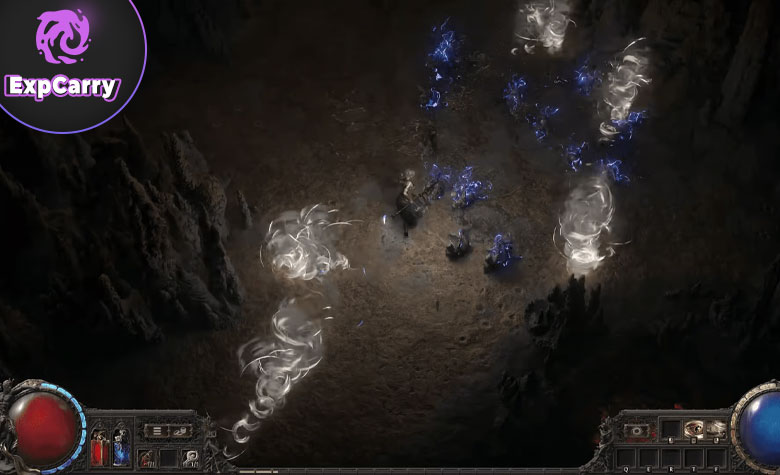
Patch 0.5.0 adds two new Ascendancy Classes: Martial Artist for the Monk and Spirit Walker for the Huntress. Martial Artist focuses on illusions, runes socketed into the body, illusory bells, and unarmed combat. Spirit Walker calls on Stag, Owl, and Bear spirits, can subdue beasts in spirit, and can summon a spectral companion. These are not minor class flavor additions. They open new build routes at the same time that the patch changes supports, passives, leech, deflection, crafting, and endgame pressure.
The patch also adds a large set of new Lineage Supports, including Arbiter's Reach, Breachlord's Amalgam, Esh's Prowess, Olroth's Conviction, Medved's Felling, Morrigan's Insight, Prototype Seventeen, Tangmazu's Thurible, Tul's Avalanche, Uhtred's Rite, Vorana's Siege, Vruun's Inevitability, and several others. Lineage Supports matter because they can meaningfully alter how skills function and how builds scale. Combined with Kalguuran Skills and Supports from Runes of Aldur, this gives patch 0.5.0 a large buildcrafting footprint.
Martial Artist and Spirit Walker need more than style
Martial Artist pushes Monk toward a different fantasy built around illusions, bells, and hand-based combat. That creates room for unarmed and illusion-focused setups rather than another slight variation on existing Monk skill packages. Spirit Walker gives Huntress a spirit-bound identity built around animal aspects and a companion angle. For players who already liked Huntress but wanted a more mystical route, Spirit Walker is the obvious new experiment.
The real question is not whether these Ascendancies look stylish. The question is whether they can survive Return of the Ancients endgame pressure. The rebuilt Atlas creates more bossing routes, deeper mechanic specialization, higher risk-reward scaling, and more structured pinnacle access. New Ascendancies have to clear, scale, defend, and handle mechanic-specific pressure. Pretty animations help. They do not kill bosses by themselves, which is rude but historically consistent.
Balance changes make old PoE 2 build advice less reliable
Return of the Ancients also changes enough balance systems that older build advice should be treated carefully. The patch touches leech, Energy Shield Recharge, Deflection, passive skills, item bases, supports, monsters, and several defensive interactions. That does not mean every old build is dead. It means any guide that ignores patch 0.5.0 systems is now incomplete at best and misleading at worst.
Players should pay special attention to builds that relied heavily on previous leech behavior, fragile Energy Shield setups, narrow defensive layering, or old Atlas pacing assumptions. Runic Ward may become valuable for some characters, but it is not a free replacement for proper defence. Masters of the Atlas, league-specific rewards, and mechanic-specific crafting also change how players should think about long-term gearing. In this patch, copying an old passive tree without checking its assumptions is not efficiency. It is self-sabotage with extra loading screens.
PoE 2 Return of the Ancients Launch Bugs and Hotfix Risk
Return of the Ancients launched with huge interest, helped by a free weekend from May 29 to June 1 PDT and a 50% discount on the Early Access Supporter Pack. The player spike was real, but so were the problems. Early reports after launch included crashes, quest-breaking bugs, unresponsive NPCs, inconsistent rewards, passive skill display issues, controller problems, and broken interactions inside some new systems.
Grinding Gear Games started releasing hotfixes shortly after launch, and the official launch update thread tracked active issues and fixes. That is important context for returning players. The patch is worth playing if you want the new league, the rebuilt Atlas, and the first serious version of PoE 2's endgame spine. It may be worth waiting a little if you hate unstable quest states, bugged rewards, or early patch chaos. This is the usual ARPG bargain: new systems arrive, the servers groan, and everyone pretends this was not completely predictable.
The most practical advice is to check the latest hotfix notes before committing to a long farming plan. If a questline, reward source, or boss path is bugged, forcing it for hours is not dedication. It is donating time to the void. Early league economies move quickly, but broken mechanics can waste more progress than they create.
Campaign Replayability and Quality-of-Life Changes Cut Friction
Return of the Ancients also adjusts the campaign so experienced players can replay it faster in new leagues. Some areas have been shortened, the second Dreadnaught area has been removed, Act 3 area order has been rearranged for smoother progression, Waterways levers have been turned into pressure pads, and monster density has been reduced in the second half of the campaign, especially in the Interludes. These changes do not remove the campaign, but they reduce some of the repetition for players who already know the route.
This matters more than it looks. A fresh league economy works better when players are willing to restart, and campaign replay friction can become a tax on every new character. Return of the Ancients is trying to make repeated leveling less irritating without turning the game into instant endgame teleportation. That is the correct direction. The campaign should teach, pace, and challenge. It should not feel like paperwork with claws.
Trade, Atlas navigation, and build guides make patch 0.5 easier to use
Patch 0.5.0 adds several practical interface and usability changes. The Endgame Atlas Map now supports searching, and players can zoom out further on the Atlas screen. The town on the Atlas can be clicked for travel through the waypoint, and quick travel receives a Ctrl-click option. These are small changes individually, but they matter in an update where the Atlas has more fixed content, more hubs, more questlines, and more specialized farming paths.
Trade also gets a useful improvement: players can Shift-Alt click an item to quickly populate trade market filters and check current prices. For rare items, individual modifiers can be enabled or disabled to estimate their effect on price. Controller users can access the feature by holding Y or Triangle on the item. This is one of the better quality-of-life additions because price checking in ARPGs often turns into unpaid clerical labor, and apparently loot games needed more office work.
Build Guide support has also been added. Community creators can make .build files that players can open in the client, showing passive skills, Ascendancy choices, skill gems, and support gem recommendations. This is important for new and returning players because Return of the Ancients adds enough systems that build onboarding could otherwise become a swamp. The feature does not replace learning the game, but it gives players a cleaner way to follow structured builds without alt-tabbing through five half-updated pages.
Best Early Priorities in Path of Exile 2 Patch 0.5
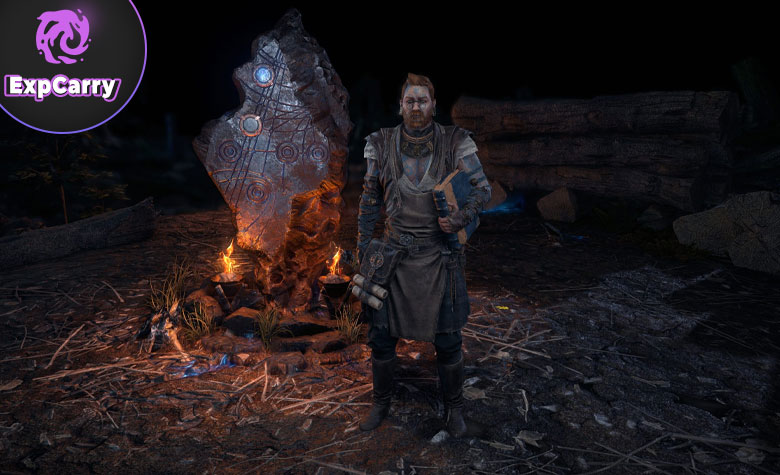
The best early move in Return of the Ancients is not to farm randomly. Start by unlocking Farrow's crafting features, learning how Remnants scale, and understanding how Verisium affects your gear progression. Runes of Aldur appears through the campaign and feeds Runeforging, Runic Ward, runes, crafted skills, and league rewards. Ignoring it means giving up one of the core systems of the patch.
Once you reach endgame, follow the new quest structure before chasing every visible mechanic. Origins of Divinity drives Atlas point progression through the Fortress. Breach, Delirium, Ritual, Fate of the Vaal, Abyss, and Runes of Aldur each have their own reward identity and boss path. Pick mechanics that support your build and economy goals, then use Atlas investment and Masters of the Atlas to reinforce that plan. If everything looks equally important, that is not strategy. That is panic with a loot filter.
Players should also watch item valuation more carefully in this patch. Genesis Tree bases, Catalysts, Verisium, Runic Ward gear, Kalguuran Skills, Kalguuran Supports, upgraded low-level Uniques, Lineage Supports, and mechanic-specific drops all create new economy pressure. The market will likely move quickly as players discover which systems actually produce top builds and which ones only looked impressive in patch notes.
For cautious players, the smartest route is simple: progress the new Atlas storylines, avoid overinvesting in bugged mechanics, check hotfixes often, and do not blindly follow old build guides. For aggressive league starters, the early advantage is in learning reward pipelines before prices settle. In either case, Return of the Ancients rewards players who treat the patch like a new structure, not the old endgame with a different logo.
Final Thoughts on Path of Exile 2 Return of the Ancients
Path of Exile 2: Return of the Ancients is the most important Early Access patch because it attacks the game's biggest structural problem: the post-campaign endgame needed clearer purpose. Patch 0.5.0 adds that purpose through fixed Atlas points, mechanic questlines, boss progression, Fortress-based Atlas points, Masters of the Atlas, and major reworks for several endgame systems. The game still has its usual density, but now that density has more direction.
Runes of Aldur is a strong league concept because it gives players more than a temporary combat gimmick. Remnants, Verisium, Runeforging, Runic Ward, runes, Kalguuran Skills, Kalguuran Supports, and upgraded Uniques all connect into crafting and build planning. That gives the league a reason to matter from campaign leveling into endgame progression. The system will live or die by reward tuning, bug fixes, and balance, but its foundation is stronger than simply adding another pile of monsters to explode.
The endgame mechanic reworks are the real long-term test. Breach, Delirium, Ritual, Fate of the Vaal, Abyss, and Expedition now have more defined routes, clearer rewards, and stronger links to Atlas progression. This makes Return of the Ancients feel less like a content dump and more like a reassembly of Path of Exile 2's endgame spine. If the systems hold up after early bugs and balance swings, patch 0.5.0 could be the update that makes PoE 2 feel genuinely ready for the road to 1.0.
For players coming back after earlier patches, the best advice is direct: do not treat Return of the Ancients like the old endgame with a new coat of paint. Start the new league, unlock Farrow's crafting features, learn Remnants early, push the new Atlas storylines, and choose mechanic branches deliberately. For build planning, watch Martial Artist, Spirit Walker, Runic Ward setups, Lineage Supports, Genesis Tree jewellery, upgraded Uniques, and patch 0.5 defensive changes closely. This patch changes enough systems that lazy assumptions will age badly, and in Path of Exile, bad assumptions usually die right next to the player.