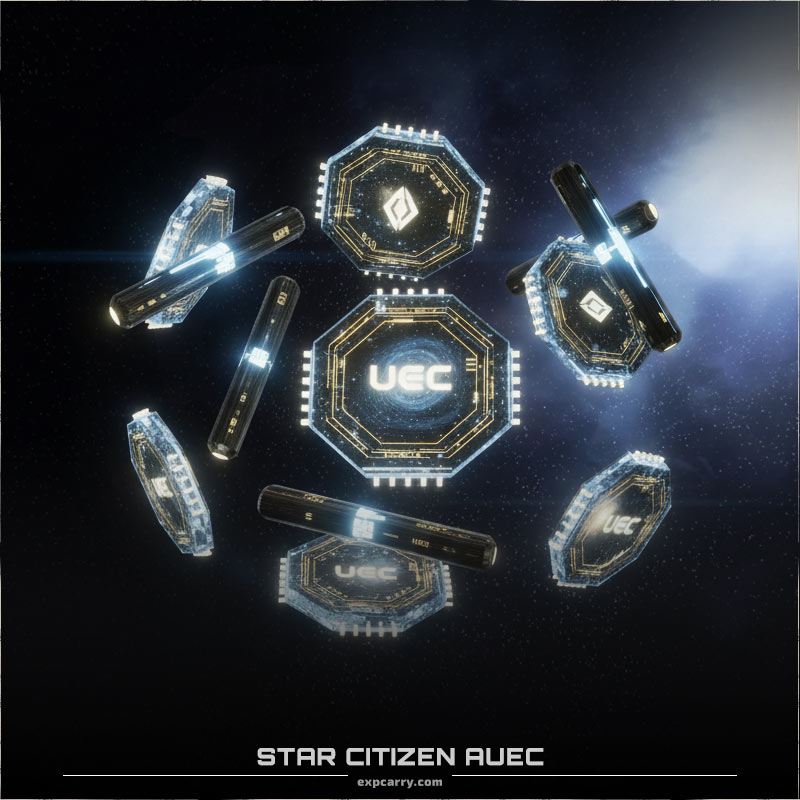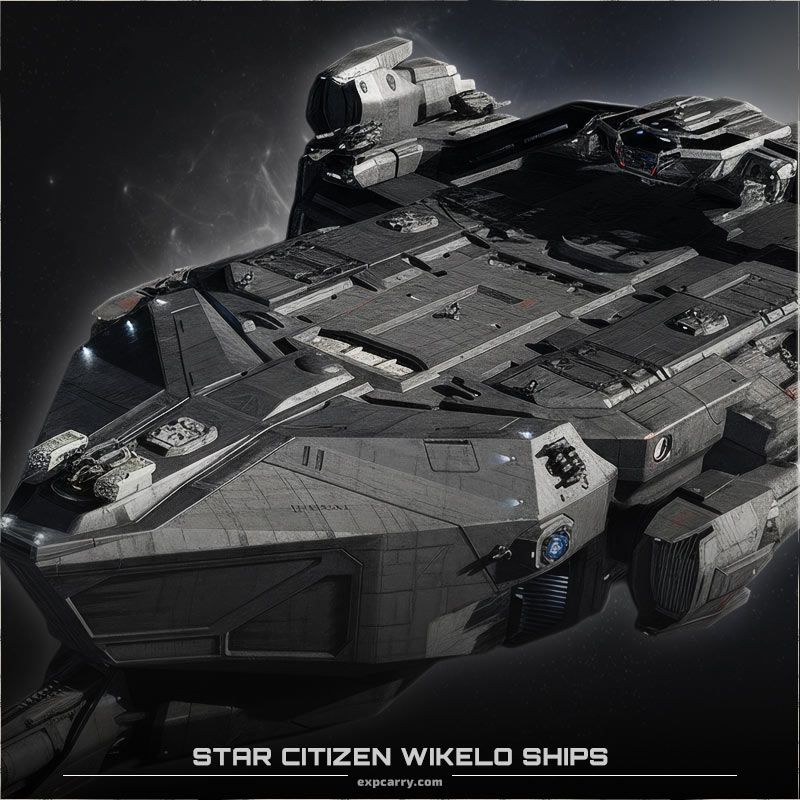
Polaris Bits are one of the most specific Wikelo currencies in Star Citizen. Polaris Bits are one of the most specific Wikelo currencies in Star Citizen, and the broader Star Citizen economy makes this kind of contract route especially relevant. They are not a mined resource, not a normal shop currency">currency-farm">currency, and not a random loot drop from enemies or containers. Polaris Bits are reward items from Wikelo's contract system, and their main purpose is to move players toward the Wikelo Polaris reward path.The core loop is simple, at least by Star Citizen standards, which means it still has plenty of room to become annoying. You bring Quantanium to the correct Wikelo Emporium station, complete the right Wikelo collection contract, and receive Polaris Bits as the reward. Those Bits are later used as part of the larger Polaris trade contract. The important distinction is that you farm Quantanium, but you earn Polaris Bits through Wikelo.
Star Citizen Polaris Bits and the Wikelo Contract Route
Polaris Bits come from Wikelo's collection contract system. Wikelo is a Banu trader and mission giver in Stanton who operates through Emporium stations. His rewards are built around physical item turn-ins instead of normal vendor purchases, so Polaris Bits cannot simply be bought from a terminal like a standard commodity.
Polaris Bits are a Wikelo reward, not a mining resource
The current Polaris Bit route is tied to the Wikelo contract "Want Polaris? Need something special." This contract asks players to bring Quantanium to a Wikelo Emporium station and rewards them with Polaris Bits. The contract description frames Polaris Bits as a way for Wikelo to track how much Quantanium you have delivered, which is why they work more like a special progress currency than a normal cargo item.
That means "Polaris Bits farming" is really a controlled Quantanium farming and delivery route. You are not searching caves, bunkers, wrecks, or asteroid fields for loose Bits. You are gathering or acquiring Quantanium, moving it to the required Wikelo location, depositing it through the contract flow, and receiving Bits after completion. The game has somehow turned loyalty stamps into hazardous cargo logistics, because apparently future commerce needed extra suffering.
This also explains why Polaris Bits can become expensive in player-to-player trading. They represent mining time, hauling risk, contract access, storage discipline, and the chance of losing everything to bugs, pirates, or basic human decision-making. If someone sells Polaris Bits, they are not just selling an item. They are selling the completed effort behind that item.
Wikelo Emporium stations for Polaris Bit turn-ins
The known Wikelo Emporium network in Stanton uses three asteroid station locations: Wikelo Emporium Dasi Station near Hurston, Wikelo Emporium Selo Station near Crusader, and Wikelo Emporium Kinga Station near microTech. These stations matter because Wikelo contracts are accepted through the Emporium system, and contract materials must be delivered to the correct listed location.
Do not treat the three stations as interchangeable once a contract is active. Read the contract location before moving Quantanium. If the contract points to one Wikelo Emporium, taking the cargo to another one is not clever routing. It is just creating a small documentary about wasted fuel. After completion, check the local inventory at the correct Emporium location before assuming the reward failed to appear.
Polaris Bits Farming Starts With Quantanium
The main Polaris Bits route is built around Quantanium. Current Wikelo listings track the conversion as 24 Quantanium for 1 Polaris Bit through the "Want Polaris? Need something special." contract. Because Wikelo requirements and Star Citizen systems can change across patches, the active in-game contract should always be treated as the final source before you mine, buy, refine, or haul a full batch.
Quantanium is the real farming target
Quantanium is the material you need to prepare for the Polaris Bit conversion. The practical route begins with mining or acquiring enough Quantanium, then moving it to the correct Wikelo Emporium for the active contract. A solo player can work toward Polaris Bits in small batches, but the scale makes group farming more efficient once the goal moves beyond one or two Bits.
The biggest pressure point is risk. Quantanium has always carried extra danger compared with ordinary cargo, and the Wikelo route adds location-specific delivery on top of that. If your ship is destroyed, delayed, pirated, or trapped by a bug while carrying the required material, your future Polaris Bit does not politely wait in a protected spiritual dimension. It is just gone, because Star Citizen remains committed to making logistics feel like a personality test.
For solo farming, smaller controlled batches are safer than gambling too much on one run. For organized groups, the better route is role splitting: miners gather Quantanium, haulers move it, escorts protect the transfer, and one player tracks the active contract, required amount, target station, and completed Bits. The larger the cargo batch, the less room there is for casual improvisation.
Polaris Bits per Quantanium batch
With the current listed structure, each Polaris Bit requires a meaningful Quantanium commitment. One Bit is not difficult to understand, but the full Polaris reward path multiplies that work quickly. If the Polaris contract requires 15 Polaris Bits and each Bit comes from a 24 Quantanium turn-in, the Bit layer alone represents 360 Quantanium worth of Wikelo conversion work.
That number only covers the Polaris Bit part of the Polaris reward path. It does not include Wikelo Favors, Carinite, Valakkar items, medals, helmets, secure drives, or the RCMBNT items required by the larger contract. This is where many players misread the grind. Polaris Bits are important, but they are not the entire recipe. Farming only Bits without checking the full Polaris contract is how people create a neat stack of progress and still remain nowhere near the ship.
| Goal | Requirement to check | Practical meaning | Best farming style |
|---|---|---|---|
| 1 Polaris Bit | Current "Want Polaris? Need something special." contract | One Quantanium turn-in converted into one Bit | Solo or small group |
| Several Polaris Bits | Repeated Quantanium turn-ins | A repeatable mining and hauling routine | Small group recommended |
| Polaris reward progress | Current "Now make Polaris. Short Time Deal." contract | Bits plus Favors and several rare items | Organized group strongly recommended |
| Player-to-player purchase | Seller trust, price, item location, and trade safety | Faster than farming, but risky and expensive | Only with secure trading habits |
Polaris Bits Locations and Wikelo Delivery Flow

The location side of Polaris Bits is not about where the item spawns. Polaris Bits do not have a normal spawn route. The important locations are the Wikelo Emporium stations that accept the Quantanium contract and later handle the Polaris reward chain. You accept the relevant Wikelo collection contract, bring the required material to the listed Emporium, deposit it through the correct delivery flow, and collect the reward after the contract completes.
Dasi, Selo, and Kinga as Wikelo hubs
Dasi near Hurston, Selo near Crusader, and Kinga near microTech are the three key Wikelo hubs in Stanton. Their positions give players different regional options depending on where they mine, stage cargo, or organize group logistics. Convenience matters, but the active contract matters more. The correct station is the one named by the contract, not the one that happens to be closest when you finally remember to read the objective.
Before moving Quantanium, confirm three things: the contract is active, the required amount is correct, and the target Wikelo station is the one you are visiting. This sounds basic because it is basic. Naturally, it is also the exact step players skip before donating an evening to the void. Wikelo trades are physical and location-bound, so treat them like cargo work rather than an invisible account-wide currency exchange.
Freight elevator turn-ins and local inventory rewards
Wikelo turn-ins rely on physical delivery at the correct location. The required materials must be deposited into the proper contract flow rather than merely carried nearby in a ship or left in the wrong local inventory. Once the contract accepts the material and completes, the Polaris Bit reward should be checked at the relevant Wikelo Emporium location.
This matters because Polaris Bits are later used in another trade. Losing track of where they are stored creates avoidable problems during the final Polaris hand-in. Keep completed Bits in a known local inventory, move them only when needed, and avoid carrying your full stack during unrelated gameplay. Physical currency sounds immersive until a crash, ambush, or inventory mistake turns your progress into a public lesson in pain management.
Explore services related to this guide, selected from our Star Citizen catalog.
View All Star Citizen Services


Polaris Bits Uses in the Wikelo Polaris Trade
Polaris Bits are used in the Wikelo Polaris reward chain, especially the "Now make Polaris. Short Time Deal." collection contract. Current listed requirements include 15 Polaris Bits alongside Wikelo Favors, Carinite, rare Valakkar materials, helmets, medals, secure drives, and RCMBNT items. The exact live requirement should still be checked in-game before a final turn-in, because old player math spreads faster than useful information.
Polaris Bits are only one part of the Polaris recipe
The current Polaris trade path is not solved by Polaris Bits alone. Bits are the Quantanium conversion layer, but the final Wikelo Polaris contract asks for several other categories of items. The listed contract includes 50 Wikelo Favor, 15 Polaris Bit, DCHS-05 Orbital Positioning Comp-Boards, Carinite, Irradiated Valakkar Fang items, Ace Interceptor Helmets, Irradiated Valakkar Pearls, UEE 6th Platoon Medals, Carinite (Pure), ASD Secure Drives, and several RCMBNT items.
This changes the correct farming plan. Do not farm Polaris Bits in isolation until you have checked the full active Polaris contract. A better route is to split the recipe into lanes: Bits from Quantanium turn-ins, Wikelo Favors from Wikelo progression, mined or sourced materials such as Carinite, rare creature-related Valakkar items, loot or trade items such as helmets and medals, and the specific RCMBNT pieces required by the contract. Once the recipe is divided into lanes, the grind becomes ugly but manageable. Left unsorted, it becomes a pile of nouns wearing a capital ship costume.
Current Polaris trade checklist to verify before farming
Before serious farming, write down the active "Now make Polaris. Short Time Deal." requirements and update that list if the game changes. The key Polaris Bit number to track right now is 15 Bits for the Polaris reward contract. If you see older discussions mentioning 50 Polaris Bits, do not blindly apply that number to the current Polaris route. Older data and other Wikelo trades can create confusion, and confusion is already doing too much work in this game.
Use this planning order: first confirm the full Polaris contract, then calculate the Polaris Bits, then assign sources for every other item. For the Bit layer, multiply the required Bits by the current Quantanium requirement from "Want Polaris? Need something special." For the rest, check which items your group can farm directly and which ones may need trading. The final turn-in should only begin when every item name, grade, quantity, and location has been checked.
Best Polaris Bits Farming Plan for Solo Players
Solo Polaris Bits farming is possible, but it should be planned conservatively. The goal is not to move the largest possible Quantanium load every time. The goal is to complete repeatable Bit conversions without losing cargo, wasting travel time, or trapping progress in the wrong inventory. A solo route should prioritize contract clarity, safe batch size, direct travel, and clean storage.
Solo Quantanium batches and safer delivery rhythm
Start by checking the active Wikelo contract before mining or moving anything valuable. If the contract is available and the requirement is clear, prepare the Quantanium batch around that requirement instead of guessing. Smaller batches are less efficient on paper, but they reduce the damage from piracy, bugs, disconnects, bad routing, and the usual performance lottery. Efficiency that explodes on the pad is not efficiency. It is just a lesson with engines.
After mining or acquiring the required Quantanium, move directly toward the correct Wikelo Emporium. Do not take detours with valuable cargo. Do not carry unrelated valuables in the same run. Do not stack several risky objectives into one trip unless you enjoy designing failure in layers. At the station, complete the turn-in, confirm the Polaris Bit reward, and store the Bit somewhere deliberate.
Solo limits and the point where groups become smarter
The solo problem is scale. One or two Bits may be manageable with patience, but the full Polaris reward chain is a much larger project because Bits are only one requirement category. Once Wikelo Favors, Valakkar materials, medals, helmets, secure drives, and RCMBNT items enter the plan, the workload becomes much bigger than a normal solo grind.
The smarter solo strategy is to farm the parts you can control and trade carefully for the parts you cannot. Polaris Bits may be farmable through your own Quantanium route, while some rare materials or specific loot items may be easier to acquire through trusted players or organized groups. That introduces trade risk, so avoid unsecured deals with strangers while carrying your entire progress. Star Citizen players are friendly right up to the moment a cargo grid full of value appears in front of them.
Best Polaris Bits Farming Plan for Groups
Group farming is where Polaris Bits make the most sense. The workload naturally splits across miners, haulers, scouts, escorts, contract managers, and storage handlers. A group can gather Quantanium faster, protect cargo better, and farm other Polaris requirements in parallel. The main risk is coordination. A disorganized group can lose materials faster than a solo player, just with more microphones involved.
Mining, hauling, and escort roles
Miners should focus on steady Quantanium output instead of heroic single-run greed. Haulers should move cargo only after the target station and contract status are confirmed. Escorts should protect high-value transfers instead of floating nearby as decorative insurance. One person should own the checklist: active contract, required quantity, station name, completed Bits, stored items, and final Polaris recipe progress.
For larger batches, staging matters. Keep materials organized by recipe category. Do not mix Polaris Bits, Wikelo Favors, Valakkar materials, helmets, medals, secure drives, RCMBNT items, and unrelated loot in one chaotic inventory pile. The whole point of group farming is to reduce risk through structure. If the group storage looks like someone dumped a flea market into a cargo elevator, the system is already failing.
Parallel farming for the full Polaris contract
A group should not farm Polaris Bits forever while ignoring the rest of the Polaris recipe. The efficient route is parallel progress. While miners and haulers work on Quantanium and Bits, other players can collect Wikelo Favors, source Carinite, look for rare Valakkar items, gather helmets and medals, track ASD Secure Drives, or hunt for the required RCMBNT pieces depending on the current contract list.
This is also where a shared requirement sheet becomes useful. Requirements have changed before, and the active game can differ from old guides, videos, or trade posts. If the live contract no longer matches an old spreadsheet, the live contract wins. That sentence should not need to exist, but Star Citizen has trained players to worship outdated spreadsheets like sacred tablets.
Polaris Bits Trading, Storage, and Risk Control
Because Polaris Bits are physical items with a real grind behind them, player-to-player trading exists around them. Buying Bits can save time, but it adds price risk, scam risk, robbery risk, and storage risk. Selling them can be profitable, but only if the transaction is controlled. The more valuable the stack, the less room there is for optimism, which is tragic because optimism was already barely useful.
Player trading needs security, not trust
If you buy Polaris Bits from another player, use a safe meeting location, avoid carrying extra valuables, and do not expose the whole payment or full item stack until the deal is controlled. If your group provides security, escorts should actually watch the area instead of admiring the scenery. Polaris Bits are exactly the kind of item that turns friendly local chat into a robbery documentary.
Prices can swing depending on patch demand, Wikelo availability, Polaris reward requirements, and player patience. A Bit's price is not just the Quantanium behind it. It includes the time saved, the risk avoided, and the seller's belief that someone else wants the Polaris badly enough to pay. If you can farm them safely, farming is cleaner. If you cannot, buying may be reasonable, but only with strict trade discipline.
Storage discipline for Polaris Bits and final turn-ins
Keep Polaris Bits in a known local inventory and document where they are. If your group is farming toward the Polaris reward, track who holds each resource category and where it is stored. Do not move all Bits, Favors, rare items, and trade materials together until the final contract is ready. Concentrating every valuable item in one ship before the turn-in is prepared is less a strategy and more a sacrifice ritual.
Before the final Wikelo Polaris turn-in, verify the contract list, station, quantities, and item names. Similar item names are not good enough. Grade and condition matter for some rare materials, and the contract will not reward effort if the item is wrong. Build the final delivery like a checklist: contract active, location confirmed, every item counted, transport secured, local inventory checked, and reward confirmed after completion.
Final Thoughts
Polaris Bits in Star Citizen are best understood as Wikelo progress currency created through Quantanium turn-ins. You farm or acquire Quantanium, deliver it through the correct Wikelo contract, and receive Bits that count toward the larger Polaris reward chain. They are not random loot, not a standard currency, and not the whole Polaris recipe by themselves.
The best solo route is controlled batch farming: check the active Wikelo contract, prepare the required Quantanium, deliver it directly to the correct Emporium station, complete the turn-in, and store each Polaris Bit carefully. The best group route is parallel farming, with miners handling Quantanium, other players collecting Favors and rare items, and one person tracking the current Polaris contract from start to finish.
The safest rule is simple: trust the active in-game contract over old guide math. Polaris Bit requirements and Wikelo reward recipes can shift, and old player discussions often stay online long after they stop being useful. Use this guide as the structure: Quantanium creates Bits, Wikelo Emporiums handle the turn-ins, Polaris Bits feed the Polaris reward chain, and the final Polaris trade requires broader item planning. Farm with a checklist, store items deliberately, and do not turn a capital-ship grind into a cargo-loss anecdote with better lighting.