
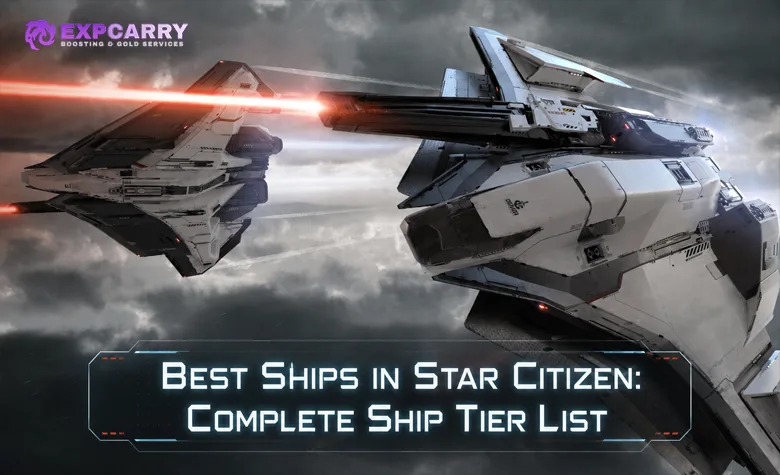
The best ship depends on the mission, crew and target. A Gladius can control a fighter duel that a Hull C should never enter, while the Hull C carries 4,608 SCU and serves an entirely different purpose. This Star Citizen ship tier list ranks ships within their intended roles instead of claiming that one hull is best at everything. Light, medium and heavy fighters, cargo ships, mining vessels, salvage ships and support craft are evaluated separately, with distinctions between solo and multicrew operations and between PvE and PvP combat.
Short answer: the Gladius is a reliable light fighter, while the Meteor, F7A Hornet Mk II, M80 and Guardian are strong options in their combat categories. The C1 Spirit and Constellation Taurus are practical solo-capable cargo ships, the Prospector leads flexible solo mining, the Vulture handles complete solo salvage, and the MOLE, MOTH and Reclaimer reward organized crews.
This ranking covers Star Citizen Alpha 4.10.2 LIVE, released on October 9, 2026, as build 4.10.2-LIVE.12881860. It includes ships introduced in previous releases, the Kruger S-65 Stingray from Alpha 4.10.0, the updated Constellation Mk IV family and the temporarily rentable Constellation Mk V Centaurus. These tiers are editorial recommendations based on ship capabilities and practical roles, not official CIG ratings or measured universal win rates.
Combat recommendations include the L-21 Wolf and Gladius among light fighters, the Meteor and F7A Hornet Mk II among medium fighters, and the M80, Guardian and F8C among solo-oriented heavy fighters. The S-65 Stingray is a competitive medium-fighter alternative. For cargo, the Avenger Titan remains useful for starters, while the Zeus Mk II CL, Taurus, Hermes, Railen, C2 Hercules, Ironclad and Hull C serve increasingly demanding hauling operations. Industrial pilots should primarily consider crew size, equipment and material-handling workflow.
Star Citizen Ship Tier List 4.10.2 Ranking Method
Ships are evaluated according to their effectiveness in an intended role under current LIVE gameplay conditions. A fighter is not penalized for having no cargo capacity, and a freighter is not expected to win a dedicated PvP duel. The goal is to compare practical performance within a relevant category.
Combat evaluation considers pilot-controlled weapons, turret firepower, damage application, armor and shields, mobility, target profile, missiles, operating range and crew requirements. Cargo and industrial rankings consider usable capacity, supported containers, access to equipment, loading time, crew requirements and the ability to complete an entire gameplay loop.
Acquisition restrictions are treated separately from performance. A limited reward ship can be effective without being accessible to most players, and a recently released hull should not automatically outrank established alternatives. PvP outcomes also vary with pilot skill, server conditions, loadout and opponent selection.
| Tier | Meaning | Expected result |
|---|---|---|
| S | Leading recommendation for a defined role | Strong balance of effectiveness and operational practicality |
| A | Excellent option with a meaningful limitation | May outperform S-tier ships in particular scenarios |
| B | Viable option with significant compromises | Worth considering for a preferred layout, handling style or secondary function |
| C | Niche or relatively inefficient for the category | Best chosen for a specific advantage rather than general performance |
S tier does not represent a guaranteed win rate or an official balance statistic. A skilled light-fighter pilot can defeat heavier opponents, a fully crewed turret ship can overwhelm a superior solo fighter, and efficient loading can make a smaller freighter more useful than a larger one.
The official Alpha 4.10 release notes document the Stingray and accompanying ship changes. The Alpha 4.10.2 LIVE release notes confirm the Constellation Mk IV rebuild, its vehicle balance pass and a correction affecting flat shield-resistance values.
The Time-to-Kill and Time-to-Disable experiments tested during the 4.10.2 PTU cycle were designated as a separate Tech Preview rather than part of the intended LIVE release. These rankings do not treat experimental PTU survivability figures as production balance values.
Star Citizen Light Fighter Tier List
Light fighters emphasize agility, target control and reliable damage against small ships. They are particularly relevant to PvP duels, interception and PvE missions involving highly maneuverable enemies.
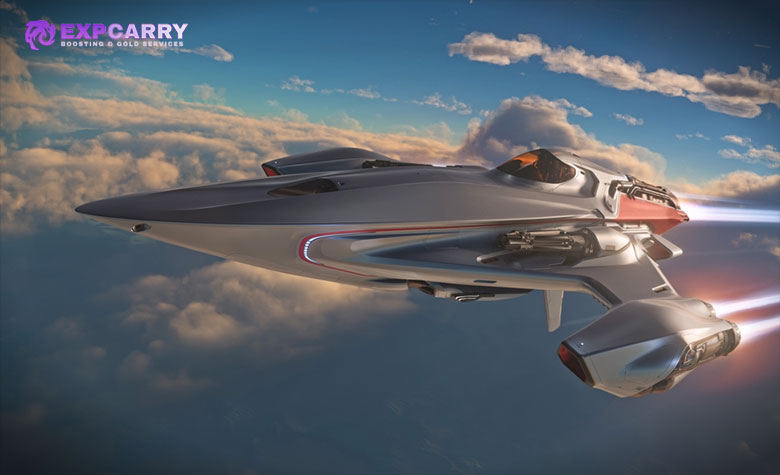
The Kruger L-21 Wolf is an aggressive light fighter equipped with two bespoke Size 4 ballistic gatlings. Its compact profile and substantial firepower are attractive to experienced pilots, but ammunition limits can interrupt extended combat sessions.
The Aegis Gladius is a balanced recommendation for players learning dogfighting. It combines three Size 3 weapon mounts, two shield generators and manageable handling. It is useful in both PvE and PvP, although no fixed loadout performs equally well against every target.
The Anvil Arrow is a strong agility-focused alternative. Its small profile rewards disciplined movement and distance control, while its single shield generator makes positioning errors more costly.
L-21 Wolf vs. Gladius vs. Arrow
The Wolf emphasizes concentrated ballistic pressure, the Gladius offers an accessible balance of mobility and protection, and the Arrow emphasizes maneuverability. Each can be competitive, but the ideal selection depends on the pilot's ability to exploit its strengths.
For a new PvP pilot, the Gladius is generally the most approachable starting point. More experienced pilots may favor the Arrow's agility or the Wolf's heavier weapons, particularly in specific one-on-one matchups.
L-22 Alpha Wolf and Basher
The L-22 Alpha Wolf uses bespoke Size 4 laser repeaters in its standard configuration, providing a different endurance profile from the ballistic-equipped L-21. Compatible weapon kits allow players to change the Wolf family's armament, so these are default-loadout distinctions rather than completely fixed weapon identities.
The Grey's Market Basher, introduced in Alpha 4.9, carries six Size 2 gun hardpoints. Its default equipment includes four Snapper laser repeaters and two Deathroll ballistic gatlings, delivering substantial offensive potential for a light fighter.
The Basher trades survivability and conventional design advantages for aggressive weapon pressure. Its offensive potential is meaningful, but an opponent able to control the engagement can exploit its defensive weaknesses.
The Aurora Mk II is better understood as a modular starter with useful combat configurations than as a dedicated top-tier dogfighter. Its additional utility matters more in mixed everyday gameplay than in isolated fighter duels.
| Tier | Ships | Main advantage |
|---|---|---|
| S | L-21 Wolf, Gladius, Arrow | Strong agility, target control and practical dogfighting |
| A | L-22 Alpha Wolf, Basher, Talon, Blade, Khartu-al | Competitive specialized performance with trade-offs |
| B | Hawk, Mustang Delta, Reliant Tana, Aurora Mk II | Useful combat capability with broader compromises |
| C | 125a and combat-modified general starters | Greater emphasis on utility and travel than dedicated dueling |
The Drake Pitbull belongs in a separate snub-fighter category. Its agility can be useful in local defense, but without independent quantum travel it cannot replace a conventional fighter for missions spread across a system.
Star Citizen Medium Fighter Tier List
Medium fighters combine useful agility with greater firepower and combat endurance. They appeal to players undertaking general PvE combat, fighter bounties and PvP engagements where additional firepower is valuable.
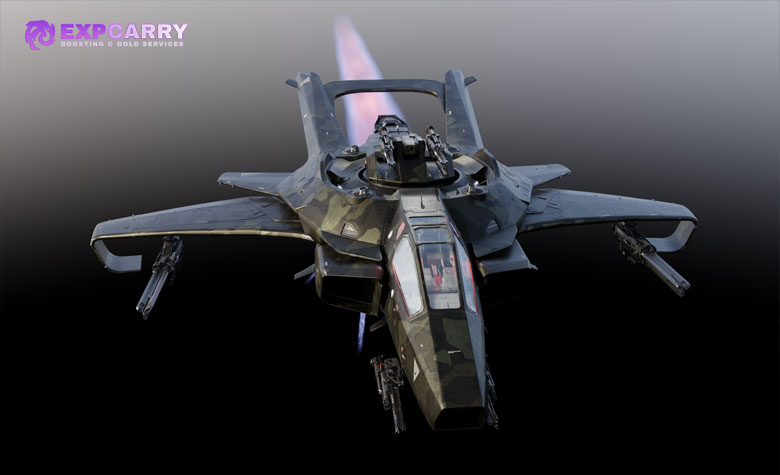
The RSI Meteor is a strong general medium-fighter recommendation thanks to its pilot-controlled firepower, mobility and ability to operate independently. It can handle varied combat missions without requiring a gunner.
The F7A Hornet Mk II offers concentrated weapon firepower and a dedicated combat configuration. Its restricted acquisition is an important practical limitation for players who do not already own the ship.
The F7C Hornet Mk II offers a more accessible basis for a customized fighter. Installed modules and weapons influence its effectiveness. The Super Hornet Mk II provides additional two-seat functionality and becomes more valuable when its second station is occupied.
Kruger S-65 Stingray in Alpha 4.10
The Kruger S-65 Stingray was released into LIVE with Alpha 4.10.0 on August 26, 2026. It is a single-seat medium fighter built around Kruger's bespoke weapon family.
Its equipment includes two Size 4 weapon positions compatible with the L-21 ballistic gatlings or L-22 laser repeaters, four bespoke Size 2 weapon positions, and eight Size 2 missiles. These characteristics provide a flexible combination of concentrated gunfire and missile pressure.
Its transforming airframe has distinct flight, combat and landing configurations. The different stances affect how the ship operates and presents its profile, making it a distinctive fighter rather than a straightforward replacement for an existing Hornet or Meteor.
The Stingray receives an A-tier editorial placement. Its equipment and combat role are confirmed, but a higher universal ranking would require consistent LIVE comparisons involving damage application, survivability and handling against different opponents.
Some Stingray issues, including spawning problems, were addressed during the 4.10.1 cycle. Earlier PTU observations should not be presented as unchanged LIVE combat statistics.
Sabre, Ghost and Other Medium Fighters
The Aegis Sabre remains relevant to pilots who value lower signatures and specialized approaches. The F7C-S Ghost Mk II offers a comparable emphasis within the Hornet family.
Stealth can influence how an engagement begins, but it does not automatically win an extended direct fight. Once opponents are in effective weapon range, damage application, maneuvering and protection become decisive.
The San'tok.yai provides an unconventional maneuvering profile. It can reward experienced pilots but demands greater familiarity than a conventional general-purpose fighter.
| Tier | Ships | Best use |
|---|---|---|
| S | Meteor, F7A Hornet Mk II | High-end independent fighter combat |
| A | S-65 Stingray, F7C Hornet Mk II, F7C-M Super Hornet Mk II, Sabre, San'tok.yai | Competitive combat with specialized advantages |
| B | F7C-S Ghost Mk II, F7C-M Super Hornet Mk I, Sabre Comet | Stealth, older configurations or narrower strengths |
| C | Hornet setups focused on noncombat modules | Utility at the expense of fighter optimization |
The Meteor is a convenient independent option, the F7C Mk II offers customizable Hornet gameplay, and the Stingray delivers a different combination of bespoke weapons and transforming flight characteristics. The F7A remains attractive to players who already have access to it.
For weapon sizes, cannons, repeaters, ballistic guns and loadout trade-offs, see the Star Citizen Ship Weapons Guide.
Explore services related to this guide, selected from our Star Citizen catalog.
View All Star Citizen Services
Star Citizen Heavy Fighter Tier List
Heavy fighters need separate consideration for solo pilots and coordinated crews. Some deliver most of their firepower from the pilot's seat, while others depend on turret operators or specialized equipment.
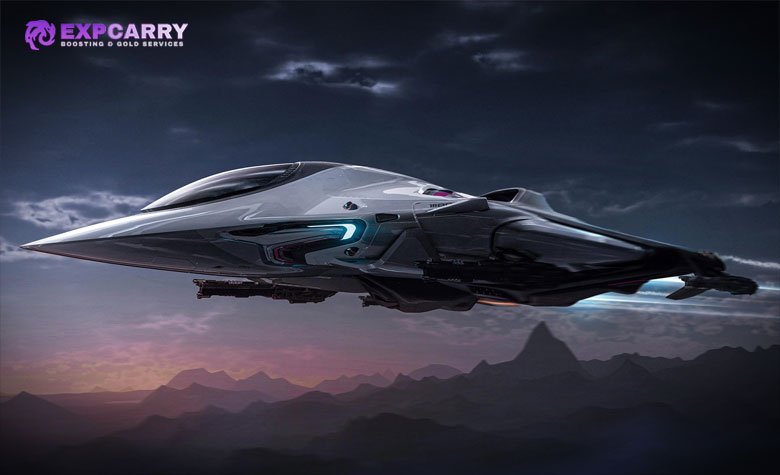
The Origin M80 is a strong solo heavy-fighter candidate. Pilot-controlled weapons, protection, range and interior facilities allow it to undertake combat without requiring an additional operator.
The Mirai Guardian uses two Size 5 weapons and offers facilities suited to longer missions. It is particularly relevant against heavier PvE targets, though its maneuvering characteristics can be exploited by agile opponents.
The F8C Lightning delivers substantial pilot-controlled firepower from a relatively compact heavy-fighter platform. Its limited acquisition remains an important distinction between performance and practical availability.
Best Solo Heavy Fighters
The M80, Guardian and F8C are strong solo options with different priorities. The M80 emphasizes an independent combat package, the Guardian favors heavy weapons and operational endurance, and the F8C concentrates firepower in a dedicated fighter hull.
The Guardian MX offers a more aggressive variation, while the Vanguard Warden and Sentinel remain useful long-range fighters. The Vanguard Harbinger favors engagements in which its additional heavy ordnance is relevant.
Heavy fighters can be efficient for PvE bounties against large or slower ships, but their larger target profiles and handling limitations can make them vulnerable in close engagements against skilled light-fighter pilots.
Best Two-Player Heavy Fighters
The Anvil Hurricane and RSI Scorpius are leading two-player fighter recommendations because their turrets are central to their intended combat performance.
With a coordinated pilot and gunner, both ships can maintain weapon pressure against targets that would be harder to track with pilot-controlled guns alone.
Without a gunner, a substantial part of their weapon package is unavailable. They should not be compared with dedicated solo fighters solely by adding together all mounted weapon statistics.
The Vanguard family also gains from a second operator while retaining meaningful pilot-controlled firepower. The Scorpius Antares is a different two-seat specialization: its second operator contributes electronic-warfare functionality rather than the standard Scorpius's gun turret.
Shiv: Heavy Fighter and Combat-Cargo Hybrid
The Grey's Market Shiv combines combat equipment, cargo capacity and interdiction utility. It is better assessed as a specialized combat-cargo platform than as a pure dueling fighter.
Its equipment includes two pilot-controlled Size 4 weapons, a four-gun remote turret, missiles, a 32-SCU cargo grid and quantum-dampening capability.
These features can be useful in recovery missions, small-group combat and piracy-oriented PvP engagements where controlling a target matters alongside dealing damage.
The Shiv's main advantage is versatility. It can fight while moving recovered cargo or supporting interdiction, but this does not make it the strongest choice for every isolated fighter duel.
A turret operator improves its combat usefulness, making it more attractive to a coordinated two-person crew than to a pilot seeking only solo fighter performance.
| Operating model | S tier | A tier | Main limitation |
|---|---|---|---|
| Solo heavy fighter | M80, Guardian, F8C Lightning | Guardian MX, Vanguard Sentinel, Vanguard Warden | Lower agility and larger profiles against light fighters |
| Solo PvE and hybrid combat | Shiv | Vanguard Harbinger, Ares Ion, Ares Inferno | Specialized equipment or unused crew functions |
| Two-player heavy fighter | Hurricane, Scorpius, Shiv | Vanguard series, Scorpius Antares | Dependence on pilot-gunner coordination or specialized crew systems |
| Specialized alternatives | Mission-dependent | Banu Defender, Vanguard Hoplite | Specialized transport or support functionality |
The correct heavy fighter depends on the target, crew and mission. Ships designed for sustained two-person combat should not automatically receive the same rating when used by a single pilot.
Bombers, Interceptors, Gunships and Fleet Combat Ships
Specialized combat ships require separate comparisons. Interceptors depend on speed, bombers on appropriate targets and ordnance, while gunships and capital vessels need enough operators to use their available systems.
The Drake Buccaneer is a strong interceptor choice because of its speed and firepower. It can pressure targets and disengage, but is less forgiving when forced into sustained fighting.
The Aegis Eclipse is designed for stealth-oriented torpedo attacks against large targets. Its effectiveness in that role does not make it a general-purpose dogfighter against evasive ships.
The Sabre Firebird emphasizes missile combat, while the Gladiator and Retaliator provide different offensive configurations with their own crew and ordnance requirements.
For attacks on ground targets, the A1 Spirit is a more manageable bomber, while the A2 Hercules supports larger bombing operations at substantially greater operational cost and complexity.
The Anvil Asgard is designed for armored troop and vehicle transport. Its strengths relate to deployment under dangerous conditions rather than replacing a dedicated air-superiority fighter.
The Aegis Tiburon, released during Alpha 4.8, provides specialized firepower against large ships. It is most useful when supported against smaller opponents that can exploit a gunship's limitations.
| Combat role | S tier | A tier | Selection rule |
|---|---|---|---|
| Interceptor | Buccaneer | M50, 350r, Avenger Warlock | Pursuit speed and disengagement capability |
| Stealth torpedo attack | Eclipse | Retaliator | Large targets rather than ordinary fighter duels |
| Missile fighter | Sabre Firebird | Gladiator | Missile capacity and suitable targets |
| Ground bombing | A1 Spirit, A2 Hercules | Gladiator | Different operational scales and payloads |
| Anti-fighter gunship | Fully crewed Hammerhead | Redeemer | Turret coverage and crew coordination |
| Anti-capital gunship | Crewed Tiburon | Ares Ion, Ares Inferno | Large-target damage with supporting escorts |
| Dropship | Asgard | Valkyrie, Prowler, Cutlass Steel | Troop and vehicle deployment |
The RSI Polaris belongs in fleet combat rather than ordinary solo play. Its torpedoes, hangar and support facilities can provide substantial value, but only when a group can manage its numerous combat and operational stations.
The Gatac Tyilui serves a different carrier role, supporting up to four snub fighters and 96 SCU of cargo. Its value comes from transporting, servicing and deploying those craft, not from replacing a dedicated large combat ship.
For weapon behavior, armor, shields and component interactions, see the Star Citizen Ship Weapons and Armor Guide.
Best Cargo and Multirole Ships in Star Citizen 4.10.2
Cargo ships should be compared by usable SCU, supported crate sizes, cargo access, loading equipment, route requirements and crew needs. The largest nominal capacity does not necessarily deliver the best income per hour or the easiest hauling experience.
The Avenger Titan remains a useful starter upgrade. Its 8-SCU cargo hold, bed, rear ramp and pilot-controlled weapons support deliveries, basic combat and everyday missions.
The Nomad is a good starter-class alternative for cargo and vehicle transport. Its external 24-SCU cargo bed favors players who value hauling versatility over dedicated fighter performance.
The Aurora Mk II provides modular configurations for general gameplay, although its usefulness depends on the modules and equipment actually installed.
Best Solo Cargo Ships
The C1 Spirit is a practical solo freight upgrade with 64 SCU and accessible cargo handling. It offers meaningful hauling capacity without requiring the operating arrangements of a larger industrial ship.
The Cutlass Black carries 46 SCU and combines cargo, vehicle transport and turret-supported combat. It is particularly useful for players who alternate between missions or operate as a duo.
The Zeus Mk II CL carries 128 SCU and provides a capable small-crew cargo platform. Its main appeal is freight capacity within a ship smaller than heavy transport alternatives.
The Freelancer MAX provides 120 SCU and remains a viable alternative. Practical comparisons should consider cargo access, compatible vehicles and loading arrangements rather than capacity alone.
The Constellation Taurus combines 174 SCU with strong pilot-controlled weapons and cargo-handling equipment. It is a versatile option for players combining hauling with PvE contracts.
Constellation Mk IV Rework in Alpha 4.10.2
The Constellation Mk IV family received a comprehensive rebuild in Alpha 4.10.2 LIVE. This is a relevant change for players already operating a Constellation or comparing the Taurus against other cargo ships.
The update improves cockpit visibility, replaces cargo and crew lifts, updates turret displays and access, revises airlocks and engineering components, refreshes interior and exterior sections, and applies a vehicle balance pass.
The Taurus receives a rebuilt cargo bay and revised cargo grid, while the family also gains improved access arrangements and corrections to equipment interactions. These are gameplay-relevant changes, not simply cosmetic adjustments.
The Taurus remains a strong editorial cargo-and-PvE recommendation. The Andromeda emphasizes combat-oriented use, while the Aquila and Phoenix serve different exploration and touring priorities.
Because the update changes physical ship layouts and components, players should inspect their actual 4.10.2 LIVE configuration before applying older cargo-loading guides or assuming all previous component interactions are unchanged.
New Constellation Mk V Centaurus and Skylark
RSI Discovery Month provides temporary access to the Constellation Mk V Centaurus and its RSI Skylark snub through an event rental opportunity.
The Constellation Rental Offer awards a five-day rental of the Centaurus and Skylark. This is not the same as permanent ownership or unrestricted purchase availability.
The Centaurus represents a new multicrew Constellation generation with combat and transport functions. However, brief rental access alone is insufficient for a dependable long-term ranking against established cargo and combat alternatives.
For that reason, it has no permanent S- or A-tier placement in this list. A stable ranking should depend on regular availability and sustained comparisons under ordinary LIVE conditions.
The Skylark belongs to the snub-fighter category because its connection to a carrier affects deployment and operational independence.
Best Medium and Large Freight Ships
The Starlancer MAX carries 224 SCU and provides long-range facilities and multirole utility. Its size can increase loading, parking and cargo-handling time compared with smaller ships.
The RSI Hermes offers 288 SCU of internal cargo capacity, a rear loading ramp and an integrated tractor-beam arrangement. It supports standard containers up to 32 SCU and can be operated solo or with a small crew.
Its protected internal cargo and blockade-running emphasis distinguish it from some external-container transports, especially on routes where access and defensive capability matter.
The MISC Hull B, flight-ready since Alpha 4.7.1, carries 512 SCU on external cargo spindles. Its redesigned X-shaped cargo structure allows it to land planetside while fully loaded, an important advantage compared with larger Hull-series freighters.
The C2 Hercules carries 696 SCU and remains a strong heavy freighter with internal cargo space and large ramps, making it especially useful for moving vehicles or cargo that benefits from physical interior access.
The Gatac Railen carries 640 SCU using external cargo grids that support standard 32-SCU containers. Its layout is best suited to crews and hauling contracts that can take advantage of its specialized cargo arrangement.
The Drake Caterpillar carries 576 SCU in modular cargo sections. Its suitability depends on cargo accessibility, handling requirements and how efficiently the operator can use its existing loading arrangements.
The Drake Ironclad, introduced as flight-ready in Alpha 4.8, is a major heavy-freight option missing from older rankings. It provides 2,204 SCU of cargo capacity with a large ramp and an open-roof loading arrangement for handling substantial cargo volumes and vehicles.
The Ironclad Assault provides 1,440 SCU, additional combat equipment, troop capacity and a service bay suited to ground vehicles and certain small craft. Its operational role differs from the freight-focused standard Ironclad.
The Ironclad competes in large-scale logistics where significant cargo capacity, physical access and vehicle movement matter. It is not as convenient as a smaller freighter for light solo contracts, and using its full capability efficiently requires planning and potentially crew assistance.
The MISC Hull C carries 4,608 SCU and remains an important bulk-freight platform. Its external cargo system and loaded docking limitations favor station-based transport rather than ordinary fully loaded planetary landings.
| Hauling category | S tier | A tier | Main reason |
|---|---|---|---|
| Starter and daily ship | Avenger Titan, Nomad | Aurora Mk II, Clipper, Cutter, Intrepid | Low overhead and flexible missions |
| Solo light freight | C1 Spirit | Hull A, Cutlass Black | Accessible cargo space and manageable operation |
| Medium freight | Zeus Mk II CL, Constellation Taurus | Freelancer MAX, RAFT, Mercury Star Runner | Useful capacity with solo or small-crew potential |
| Large solo-capable freight | Starlancer MAX, RSI Hermes | Caterpillar | Higher capacity with additional handling demands |
| External container freight | Hull B, Railen | RAFT | Container-focused loading arrangements |
| Large internal freight | C2 Hercules | Caterpillar, M2 Hercules | Large cargo holds and vehicle access |
| Heavy freight and vehicle logistics | Drake Ironclad | Ironclad Assault | High capacity, large cargo access and specialized operations |
| Bulk station freight | Hull C | Ironclad for different loading requirements | 4,608 SCU for high-volume station-based hauling |
For ordinary solo contracts, the C1 and Taurus are often more practical than a huge freighter. The Hermes offers protected internal capacity, while the Hull B and Railen favor container logistics. The C2 and Ironclad support large freight and vehicle operations with different loading requirements.
The Hull C is appropriate when station facilities, route economics and cargo volumes justify its scale. The Ironclad provides a different heavy-freight solution where access to a large cargo bay and planetary logistics matter.
Alpha 4.10.1 addressed several cargo and freight-elevator problems. However, active bugs and contract behavior can change, so players planning expensive hauling operations should review the Alpha 4.10.2 Known Issues before committing valuable cargo.
Star Citizen Mining and Salvage Ship Tier List
Mining and salvage ships should be evaluated by their complete industrial cycle. Extraction speed matters, but storage, processing, container handling, crew requirements and the return trip also influence operational efficiency.
Best Mining Ships
The MISC Prospector is a flexible solo mining recommendation, offering an interchangeable Size 1 mining laser and 32 SCU of standard mineral capacity. Equipment customization gives experienced miners greater control over their setup.
The Drake Golem is a straightforward entry-level mining ship with 32 SCU of mineral capacity. It appeals to players who prefer a simpler setup while learning mining fundamentals.
The Argo MOLE is a strong multicrew mining platform with three mining turrets and 96 SCU of mineral capacity. Coordinated miners can combine operators and equipment to handle more demanding deposits.
Solo MOLE operation requires frequent movement between the pilot seat and mining stations. A Prospector may therefore complete simpler routes more efficiently despite carrying less material.
The RSI Arrastra remains a planned mining vessel rather than a normal LIVE mining recommendation. Its intended capabilities should not be ranked as if they were already available for current gameplay.
For ore selection, mining heads, modules, mineral storage and the extraction process, see the Star Citizen Mining Guide.
Best Salvage Ships
The RSI Salvation is a compact entry-level salvage ship with a 6-SCU cargo grid and an integrated material-processing workflow. It supports small-scale hull scraping and structural salvage, making it useful for learning the profession.
The Drake Vulture is the leading practical full-loop solo recommendation. It supports scraping, structural salvage and material packaging, with 12 SCU of secured cargo capacity. Managing output and selling runs remains part of the work.
The MISC Fortune provides 16 SCU and an alternative one-player salvage layout. Its appeal depends on cargo handling and the pilot's preferred salvage process rather than capacity alone.
The Argo MOTH provides a larger multicrew salvage platform, with three independent scraping turrets, structural salvage equipment and 224 SCU of listed cargo capacity.
The Aegis Reclaimer offers 420 SCU of listed cargo space and substantial salvage-processing capability. It is well suited to larger wrecks and organized crews capable of coordinating collection and material transport.
The Reclaimer can be used solo for certain tasks, but scraping output is not equivalent to net profit per hour. Moving containers, repositioning, selling and handling multiple stations can significantly affect efficiency.
| Career and crew | S tier | A tier | Why |
|---|---|---|---|
| Solo mining | Prospector | Golem | Flexible equipment and practical solo workflow |
| Multicrew mining | MOLE | Prospector group | Multiple mining beams and coordinated extraction |
| Entry solo salvage | Salvation | Vulture | Compact operating model and automated material output |
| Full solo salvage | Vulture | Fortune | Complete solo salvage-and-cargo workflow |
| Medium crew salvage | MOTH | Multiple Vultures | Independent workstations and substantial storage |
| Heavy crew salvage | Reclaimer | MOTH group | Large-wreck processing and organized cargo management |
These rankings concern currently functional mining and salvage activities, not future promised mechanics. Greater theoretical capacity does not guarantee better earnings when the operator cannot keep extraction, processing and selling moving efficiently.
For RMC, Construction Materials, contracts and sales, see the Star Citizen Salvage Guide.
Medical, Exploration and Support Ship Tier List
Support ships should be ranked by the services they actually provide in LIVE. Medical rescue, travel, towing, refueling and exploration-related operations have distinct equipment and crew requirements.
The C8R Pisces Rescue is a practical compact medical ship. Its small size and Tier 3 medical bed make it suitable for accessible solo rescue missions.
The Terrapin Medic provides a more protected extraction platform with a Tier 2 medical bed, making it useful when dangerous operating conditions justify additional survivability.
The Cutlass Red offers two Tier 3 medical beds alongside a useful general-purpose ship layout, making it a flexible alternative for individual or small-group rescue operations.
The Apollo Triage and Apollo Medivac support more extensive medical operations through configurable treatment facilities. Their strengths matter most when several patients or additional medical operators are involved.
Exploration rankings require caution because some long-term exploration systems are not yet fully realized in LIVE. Current recommendations therefore emphasize travel, scanning-related equipment, vehicles, medical facilities and existing mission utility.
The Zeus Mk II ES is a practical small-group expedition ship, while the Carrack is better suited to organized crews needing hangar, vehicle, medical and long-duration mission facilities.
The Terrapin, 400i and Corsair offer different balances of protection, travel and utility. Smaller craft such as the 315p and Cutter Scout suit players who want exploration-oriented capabilities without operating a large ship.
Specialized support options include the ARGO SRV for towing, the MISC Starlite for entry-level refueling, and the Starfarer series for larger fuel-transfer operations.
| Support role | S tier | A tier | Main consideration |
|---|---|---|---|
| Fast solo medical rescue | C8R Pisces Rescue | Cutlass Red | Small size and practical medical access |
| Armored medical extraction | Terrapin Medic | Apollo Medivac | Protection and treatment capability |
| Medical team transport | Apollo Triage, Apollo Medivac | Cutlass Red | Medical capacity and crew coordination |
| Small-group exploration | Zeus Mk II ES | Terrapin, 400i, Corsair | Range and currently useful facilities |
| Full-crew exploration | Carrack | 400i, Corsair | Hangar, medical and expedition capability |
| Towing | ARGO SRV | No direct general-purpose equivalent | Tractor-based ship towing |
| Solo refueling | Starlite | No direct compact equivalent | Accessible independent fuel-transfer work |
| Heavy refueling | Starfarer, Starfarer Gemini | Starlite | Larger fuel reserves and fleet support |
A support ship earns its ranking only when the related activity is being performed. A medical vessel should not be judged as a cargo freighter, while a fuel ship is not automatically a good transport solution simply because it has substantial onboard resources.
Star Citizen Racing and Snub Ship Tier List
Racing performance depends on acceleration, handling, course layout and atmospheric conditions. Snub craft also require separate consideration because not all can travel independently between locations.
The Origin M50 is a strong general racing option, combining speed and responsiveness with independent travel.
The Kruger P-72 Archimedes can be competitive on compact technical courses, but the absence of a quantum drive limits independent deployment.
The Razor and Razor LX are specialized alternatives with different handling characteristics, while the 350r and Fury LX can suit particular tracks and pilot preferences.
| Tier | Ships | Best use |
|---|---|---|
| S | M50, P-72 Archimedes | M50 for independent travel and racing; P-72 for technical courses |
| A | Razor, Razor LX, 350r, Fury LX | Specialized handling and course preferences |
| B | Mustang Gamma, Mustang Omega, P-52 Merlin | Viable alternatives with greater restrictions |
The RSI Skylark is available through the temporary Centaurus rental offer during RSI Discovery Month. Its long-term competitive position remains provisional because this limited access is not equivalent to regular ownership or extensive comparative testing.
The Pitbull and similar snub fighters can be effective in local combat or carrier-supported operations, but independent quantum-travel limitations prevent them from serving every role of a conventional fighter.
Best Star Citizen Ships for Solo Players and Crews
Crew size should guide ship choice before theoretical maximum firepower or capacity. A solo pilot generally benefits from ships whose main weapons, controls and career equipment remain accessible without leaving essential stations unattended.
Useful solo ships include the Avenger Titan, Gladius, Meteor, M80, Guardian, C1 Spirit, Prospector, Vulture and C8R Pisces Rescue. The Taurus, Hermes and Starlancer MAX can be used independently, but create additional handling demands.
Two-person crews gain substantial benefits from ships with an active second-player role. Hurricane and Scorpius turrets, the Shiv's combat and cargo functions, and the Cutlass Black's flexible layout all reward cooperation.
Three- or four-player groups can make better use of the MOLE, MOTH, Railen and Carrack. Larger crews can operate Reclaimers, Hammerheads, Ironclads and Polaris ships more effectively when important operational stations are assigned.
Best Ships for Solo PvE
Solo PvE rewards reliable pilot-controlled weapons, reasonable travel range and equipment matched to the target category.
The Gladius is suitable for lighter targets, while the Meteor and F7C Hornet Mk II offer additional offensive options for more demanding fighter engagements.
The Guardian and M80 are useful against heavier opponents, while the Constellation Taurus combines combat with cargo and recovered-material transport.
For industrial activities, the Prospector and Vulture remain accessible solo recommendations because they allow a player to complete the basic mining or salvage workflow independently.
Best Ships for Solo PvP
Solo PvP depends on tracking, positioning, damage application and avoiding the opponent's effective firing angles.
The Gladius, Arrow and L-21 Wolf are competitive light-fighter options. The Meteor and F7A Hornet Mk II offer more concentrated fighter firepower, while the F8C and M80 appeal to players who prefer heavier platforms.
No individual ship is guaranteed to defeat every opponent. Matchups, weapon configuration, pilot experience and current server behavior can alter the outcome.
Best Ships for Two-Player PvP
The Hurricane and Scorpius are strong choices when a coordinated gunner can make full use of their turrets.
The Shiv supports specialized interdiction and combat-cargo operations, while the Scorpius Antares provides electronic-warfare utility instead of the normal Scorpius turret role.
Two-player crews should avoid comparing their ships with fully staffed capital or large multicrew vessels based on theoretical combined weapon output.
Best Ships for Multicrew PvE
Cooperative combat favors ships whose extra crew stations provide clear benefits, including the Scorpius, Hurricane and appropriately staffed gunships.
Industrial groups benefit from the MOLE and MOTH, while larger salvage teams can use the Reclaimer. Heavy freight groups should also consider the Ironclad when missions justify its scale.
The Carrack becomes useful for groups combining medical, travel, vehicle and hangar activities in one expedition.
The Polaris and similar fleet-scale combat platforms require deliberate crew assignments and should not be treated as oversized solo ships.
| Player goal | Primary choice | Alternative | Typical crew |
|---|---|---|---|
| Starter and daily missions | Avenger Titan | Nomad, Aurora Mk II, Cutlass Black | 1 |
| Solo PvP fundamentals | Gladius | Arrow, L-21 Wolf | 1 |
| Solo medium fighter combat | Meteor | F7A Mk II, F7C Mk II, S-65 Stingray | 1 |
| Solo heavy fighter combat | M80 | Guardian, F8C Lightning | 1 |
| Solo heavy PvE bounties | Guardian | Vanguard Warden, M80 | 1 |
| Solo PvE with recovered cargo | Constellation Taurus | Shiv | 1, additional crew useful |
| Solo light freight | C1 Spirit | Zeus Mk II CL | 1 |
| Solo medium freight | Constellation Taurus | Starlancer MAX, Hermes | 1, crew optional |
| High-capacity freight | C2 Hercules | Railen, Hull B, Caterpillar | 1–3 depending on operation |
| Heavy freight and vehicle logistics | Drake Ironclad | Ironclad Assault | Organized crew recommended |
| Bulk station freight | Hull C | Ironclad for different cargo access needs | Small organized crew recommended |
| Solo mining | Prospector | Golem | 1 |
| Multicrew mining | MOLE | Prospector group | 2–4 |
| Entry solo salvage | Salvation | Vulture | 1 |
| Full solo salvage | Vulture | Fortune | 1 |
| Medium crew salvage | MOTH | Vulture group | 2–4 |
| Large salvage operation | Reclaimer | MOTH group | Organized crew |
| Two-player PvP | Hurricane, Scorpius | Shiv, Vanguard series | 2 |
| Solo medical rescue | C8R Pisces Rescue | Terrapin Medic | 1 |
| Small-group exploration | Zeus Mk II ES | Terrapin, 400i, Corsair | 1–3 |
| Organized fleet combat | Polaris, Tiburon, Hammerhead | A2 Hercules, Redeemer | Full assigned crew |
For a single general-purpose ship, the Titan remains a manageable starter, the Cutlass Black suits a small team, and the Taurus combines useful freight and PvE performance. The Shiv addresses a more specialized combat-and-interdiction role.
None of those ships replaces a dedicated Prospector or Vulture for efficient mining or salvage. Likewise, moving substantial cargo through planetary ports may favor an Ironclad, while bulk station hauling suits a Hull C.
Before acquiring a ship, distinguish between flight-ready status, aUEC store availability, limited pledge or reward access, and temporary rentals. These access categories are not interchangeable and may change between patches.
Final Thoughts
Alpha 4.10.2 supports role-based ship selection rather than a universal best-ship claim. The Meteor, M80, Guardian, F7A and Shiv offer different combat advantages, while the Wolf, Gladius and Arrow remain attractive for light-fighter engagements. The Stingray broadens the medium-fighter choices, but its A-tier placement remains an editorial assessment rather than a measured LIVE win rate.
For cargo, the C1, Taurus, Hermes, Railen, C2, Ironclad and Hull C serve distinct transport needs. The Prospector and MOLE divide mining by crew requirements, while the Salvation, Vulture, MOTH and Reclaimer cover different salvage scales. Choose the smallest ship that reliably completes your intended missions, then account for cargo handling, operators and acquisition restrictions. Consult the flight-ready ship database and current LIVE patch notes before committing significant in-game currency.