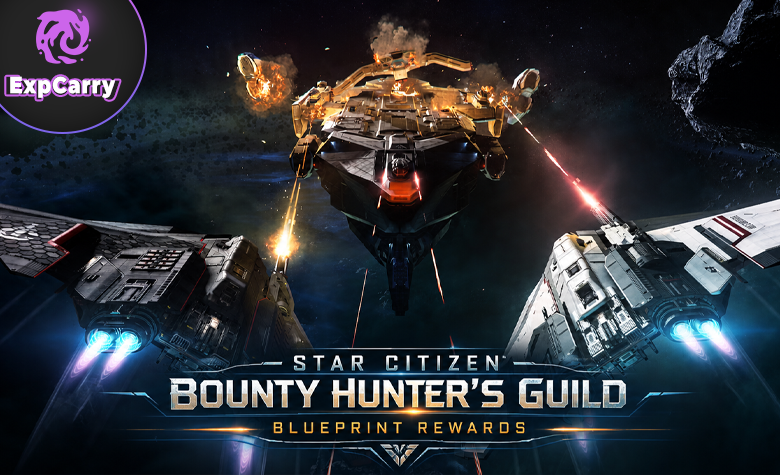

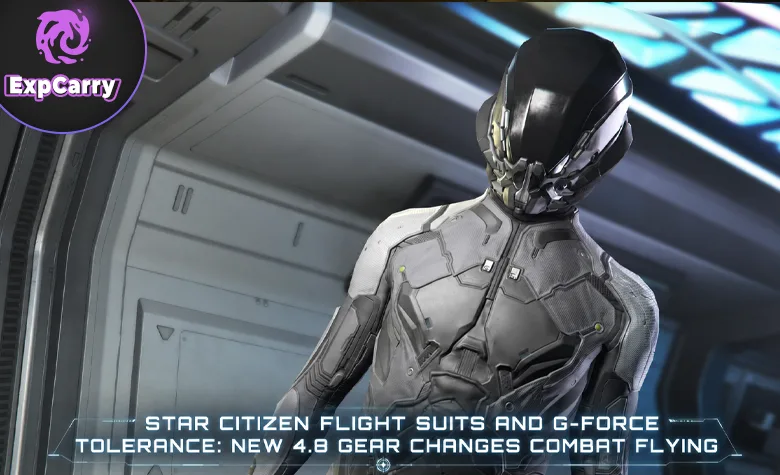
Star Citizen Alpha 4.8 makes pilot gear matter in a direct way. Flight suits are no longer just cockpit fashion or roleplay clothing. With the new G-force tolerance system, what a player wears now affects how well their character handles hard turns, evasive maneuvers, racing lines, and long combat engagements before blackout becomes a real threat.
The core change is simple: flight suits improve G-force tolerance, while combat armor reduces it. That means the best gear for bunkers, boarding, and ground fights is no longer automatically the best gear for flying. Alpha 4.8 turns cockpit clothing into part of the combat loadout, and pilots now have to choose between flight endurance, personal protection, and mixed-role flexibility.
Star Citizen 4.8 Flight Suits Finally Matter in the Cockpit
Alpha 4.8 adds G-force resistance modifiers to flight suits. Pilots comparing lighter gear can look at the Stirling Exploration Suit for cockpit-focused travel and flight testing. Dedicated flight gear can raise a pilot's tolerance above the unequipped baseline, giving them more room to sustain pressure during sharp maneuvers. That affects racing, dogfighting, escort work, and any situation where a pilot keeps pulling high-G inputs for too long.
Before this change, many players wore combat armor in the cockpit because it helped if the fight turned into FPS combat. That habit now has a cost. Armor weight reduces the pilot's G-force tolerance, so a heavily armored pilot does not make the ship turn worse, but becomes less able to sustain hard maneuvers without blackout risk. It is a real trade-off, which is apparently still legal in game design.
G-Force Tolerance Is Now a Pilot Loadout Stat
G-force tolerance is now calculated from the player's worn gear. Flight suits add a positive modifier. Combat armor adds a negative modifier. Undersuits also contribute to the final result, and partial loadouts are calculated proportionally instead of forcing one simple all-or-nothing state.
This matters because the pilot's outfit now belongs in the same preparation category as ship weapons, shields, components, missiles, fuel, and repair supplies. A player who launches into PvP in heavy armor is not only choosing FPS protection. They are also choosing worse high-G endurance during flight.
| Gear type | G-force effect | Best use |
|---|---|---|
| Racing flight suit | Highest focus on G-force tolerance | Racing, time trials, pure flight control |
| Combat flight suit | Strong G-force tolerance with 15% damage mitigation | Dogfighting, escort work, mixed combat flying |
| Unequipped baseline | Neutral reference point | Comparison state, not an optimized loadout |
| Light or medium armor | Moderate G-force penalty | Mixed missions with some FPS risk |
| Heavy combat armor | Largest G-force penalty | Ground combat, boarding, bunker work, not serious dogfighting |
Tailwind Flight Suit Sets the 4.8 Pilot Gear Direction
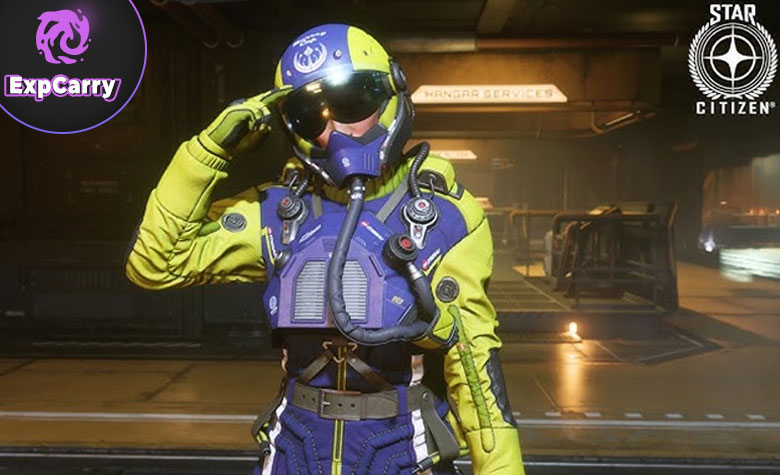
The Tailwind Flight Suit is one of the key new 4.8 suits tied to the G-force tolerance update. It represents the new direction for pilot equipment: dedicated flight clothing should help in the cockpit instead of existing only as a visual choice. Tailwind is built around the idea that a pilot should dress for flight performance when the mission depends on control, speed, and high-G endurance.
Current item data connects Tailwind to the 4.8 item set, but exact acquisition and shop availability can shift with patch state, economy tuning, and item placement. Players should treat Tailwind as a key 4.8 flight-suit name to watch, while still checking current in-game availability before planning a full loadout around one specific variant.
Explore services related to this guide, selected from our Star Citizen catalog.
View All Star Citizen Services
Combat Flight Suits Give Dogfighters the Best Middle Ground
Combat flight suits are the most practical category for many PvP pilots. They improve G-force tolerance while also giving 15% damage mitigation. That does not make them equal to full combat armor for FPS fights, but it gives pilots a useful compromise between cockpit performance and survival outside the seat.
This matters for bounty hunters, escort pilots, interdiction crews, Tactical Strike Group players, and anyone who expects ship combat to turn into EVA, boarding, or station fighting. A racing suit is better for pure maneuvering. A combat flight suit is better when the pilot still needs some protection after the ship takes damage or the fight moves inside a structure.
Heavy Armor Now Punishes High-G Ship Control
Heavy armor still has a place in Pilots who still want stronger protection can compare that choice with the Artimex Elysium Full Armor Set before leaving the cockpit. Star Citizen, but Alpha 4.8 makes it a poor default choice for serious flying. A heavily armored pilot loses G-force tolerance compared with proper flight gear, which means hard turns, evasive chains, and sustained pressure can become harder to maintain without blackout risk.
The penalty matters most in agile ships. Light fighters, racers, interceptors, and maneuver-focused medium fighters depend on sharp control and sustained input. Armor does not reduce the ship's agility by itself, but it reduces how long the pilot can keep pushing that agility before the character starts losing vision and control. In those ships, wearing heavy armor is not just a defensive choice. It is a pilot-performance penalty attached to the body in the seat.
Dogfighting Loadouts Now Decide How Long You Stay Conscious
Dogfighting in Alpha 4.8 rewards pilots who prepare their gear before launching. A flight suit or combat flight suit gives better tolerance for high-G movement, while heavy armor increases the risk of losing control during sustained maneuvering. The difference does not replace skill, positioning, aim, or ship choice, but it can decide whether a pilot stays functional during the most demanding part of the fight.
This is especially important in PvP because blackout usually happens at the worst moment: during a hard turn, after a defensive break, or while trying to keep guns on target. A pilot who stays conscious keeps pressure. A pilot who blacks out becomes cargo with opinions.
Blackout Prevention Starts with Better Flight Inputs
The easiest way to avoid blacking out in Star Citizen 4.8 is to stop flying every engagement like a permanent maximum-input turn. Flight suits improve tolerance, but they do not remove the need for clean control. Holding hard pitch, roll, boost, and strafe pressure for too long stacks G-force stress quickly, especially in agile fighters and racing ships.
Good pilots break long high-G turns into shorter controlled maneuvers. Pull hard when it gives a real positional advantage, then ease off before the blackout effect builds too far. A short recovery window can preserve vision and control better than forcing one more second of turn rate. In PvP, staying conscious is usually more valuable than gaining a small angle advantage and then losing the ship because the pilot blacked out during the follow-up.
Throttle discipline matters as much as suit choice. Pilots who stay at full speed while forcing sharp turns often create more stress than they can use effectively. Reducing speed before a hard turn can make the ship easier to control and reduce the need for extreme sustained input. This does not mean flying slowly all the time. It means changing speed deliberately instead of treating throttle control like decorative furniture.
PvP Flying After 4.8 Rewards Rhythm, Not Panic Turning
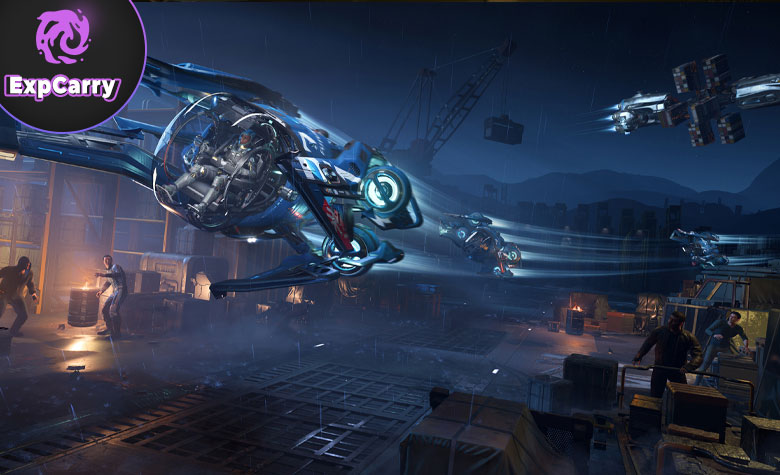
For PvP, the new G-force system rewards pilots who fly with rhythm. A strong pilot combines short bursts of aggressive movement with controlled recovery windows, using boost, roll, strafe, throttle changes, and vector shifts to reposition without constantly forcing blackout-level pressure. The goal is not to avoid G-force completely. The goal is to spend it only when it creates a real advantage.
Flight suit choice should match the ship and fight style. A racing or dedicated flight suit is better for pure maneuvering, especially in agile fighters where sustained turns decide pressure. A combat flight suit is stronger for mixed combat because it keeps useful G-force resistance while adding damage mitigation. Heavy armor should be avoided for serious dogfighting unless the pilot expects immediate FPS combat after landing, boarding, or crashing.
Recovery windows keep pilots alive longer than ego turns
A recovery window is a short moment where the pilot eases high-G input before blackout pressure becomes dangerous. It can be as simple as relaxing a hard turn, reducing boost use, lowering speed, or changing vector instead of continuing to pull the same overloaded maneuver. These tiny resets keep vision stable and prevent the pilot from losing control during the next engagement beat.
In PvP, recovery windows should be intentional. Use them after a hard defensive break, after forcing an opponent to overshoot, or after gaining enough distance to reset the fight. The bad version is easing off randomly and giving the opponent free position. The good version is managing G-force like another resource, alongside shields, boost, ammo, and capacitor pressure.
Training Against Blackout Builds Real PvP Consistency
Players who want better PvP performance should practice high-G recovery deliberately. Arena Commander is useful because it lets pilots repeat maneuvers without the full cost of losing gear in the persistent universe. Practice hard turns until the blackout effect begins, then learn how quickly vision and control recover after easing input. That teaches the limit before a real fight punishes the mistake.
The most useful practice is simple: enter a low-risk fight, perform aggressive pitch and roll chains, then deliberately reduce input before blackout becomes severe. Repeat the same process with lower throttle, different strafe inputs, and controlled boost use. The goal is to build muscle memory for staying functional under pressure instead of discovering the limit during actual PvP, which is the traditional human method of learning by donating wreckage.
Better PvP flying starts before takeoff
Before launching into PvP, pilots should check their suit, armor weight, weapon setup, and expected combat role. A light fighter pilot should prioritize G-force tolerance. An escort pilot can justify a combat flight suit. A dropship or boarding-focused player may accept armor penalties because the mission depends more on survival after landing. The mistake is using one default loadout for every role.
A practical PvP routine should be simple. Pick the suit before the ship leaves the hangar, test high-G turns before the real fight, avoid holding maximum input for no reason, use boost only when it creates position, and give the pilot short recovery windows before vision starts collapsing. Alpha 4.8 does not reward passive flying, but it punishes pilots who confuse constant pressure with good pressure.
Racing Benefits Most from Dedicated Flight Suits
Racing is the clearest use case for the new G-force system. Arena Commander race modes now spawn players with the best available racing flight suit by default, which shows the intended design direction clearly. Competitive racing should start with optimized G-force configuration instead of letting a gear mistake decide the result.
In racing, every sustained turn matters. Better G-force tolerance helps pilots hold sharper lines and recover more consistently through demanding sections. The benefit is not only speed. It is control under pressure. A strong racing setup now includes the ship, the route, the pilot's input discipline, and the suit worn in the cockpit.
TSG and Fleet Combat Make Pilot Gear More Strategic
Tactical Strike Groups and fleet-style combat make flight-suit choices more important because pilots may need to perform under pressure for longer periods. High-G tolerance matters when fighters screen larger ships, escorts maneuver around objective zones, and support pilots try to survive while staying useful to the group.
At the same time, fleet combat can involve more than flying. Players may need to move between ships, fight after landing, survive emergency EVA, or handle boarding pressure. That makes combat flight suits more attractive than pure racing suits for mixed operations. They give up some specialization but provide a better balance for pilots who expect the fight to continue outside the cockpit.
Best 4.8 Flight Suit Choices by Player Type
The best gear depends on the player's real activity. A racer wants maximum G-force tolerance. A dogfighter wants enough resistance to sustain aggressive maneuvers. A fleet pilot may want a combat flight suit for survival flexibility. A bunker runner who only flies short routes may still prefer armor because the real danger starts after landing.
| Player type | Best gear direction | Reason |
|---|---|---|
| Racing pilot | Racing flight suit | Maximum G-force tolerance matters more than FPS protection |
| Light fighter pilot | Flight suit or combat flight suit | Sustained maneuvering is central to survival and pressure |
| Fleet escort | Combat flight suit | Balances G-force resistance with damage mitigation |
| Bounty hunter | Combat flight suit or light armor mix | Needs cockpit performance but may face FPS follow-up combat |
| Industrial pilot | Flight suit for dangerous routes, armor for ground-heavy work | Choice depends on whether the main risk is flying or FPS combat |
| Ground combat player | Combat armor | FPS protection matters more than sustained high-G performance |
Partial Armor Mixing Gives Pilots Room to Tune Risk
Because the modifier is distributed across the full gear set, partial armor choices can matter. A pilot does not have to choose only between a full flight suit and full heavy armor. Lighter mixed setups can reduce the penalty compared with heavier armor while still giving some FPS utility.
This is where many practical loadouts will settle. Players who expect cockpit combat first should lean toward flight suits or combat flight suits. Players who expect ground combat first can keep armor, but they should understand that ship handling does not magically stay free of consequences. The ship may still fly the same, but the pilot becomes easier to overwhelm under sustained G-force. The system makes that compromise visible instead of letting one loadout serve every role with no downside.
Flight Suits Change the Pre-Launch Checklist
Before Alpha 4.8, many pilots focused on ship weapons, shields, missiles, components, and fuel. Those still matter, but the pilot's worn gear now belongs in the same pre-launch checklist. A player heading into PvP, racing, or high-risk escort work should check their suit before takeoff, not after the first blackout warning.
The new checklist is simple: match gear to the mission. Flight suit for maneuvering. Combat flight suit for ship combat with some FPS risk. Armor for ground work. Mixed gear only when the activity demands compromise. This makes flight preparation more specific and removes the lazy default of wearing the heaviest armor everywhere.
Current 4.8 Caveats for Flight Suits and G-Force Tolerance
Alpha 4.8 is live, but the details of item availability, economy placement, suit sourcing, and balance can still change. Tailwind shop data and variant availability should be checked in the current build before players build a long-term plan around one source. Any exact performance value outside officially stated details should be treated carefully unless verified in the live patch.
Players should also expect tuning. G-force penalties and bonuses affect PvP, racing, ship balance, and gear progression, so CIG has strong reasons to adjust values if one loadout becomes too dominant. The current direction is clear: flight suits improve cockpit performance, armor hurts G-force endurance, and combat flight suits create a middle path. The exact balance may not stay frozen forever.
Final Thoughts
Star Citizen Alpha 4.8 turns flight suits into real pilot equipment. G-force tolerance now depends on what the player wears, which means racing suits, combat flight suits, undersuits, and armor all affect cockpit performance. This makes gear choice part of combat flying instead of a cosmetic afterthought.
The biggest winner is the dedicated pilot. Racers get clearer value from optimized suits. Dogfighters gain a stronger reason to stop flying in heavy armor. Fleet players can use combat flight suits to balance maneuvering and protection. Ground-focused players can still wear armor, but they now accept a direct cost when they climb into a cockpit and start pulling hard maneuvers.
The practical lesson is not only "wear a flight suit." The better lesson is to fly with control. Avoid permanent maximum-input turns, manage throttle, use short recovery windows, practice blackout recovery, and choose gear that matches the role. Alpha 4.8 does not make every pilot better automatically, because technology remains tragically unable to repair panic. It does give serious pilots another way to build consistency in PvP and stay conscious when the fight gets violent.