



Ashes of Creation does not have a final, locked meta yet. It is in active development, and frequent updates can shift power quickly. That said, players still want a practical answer to a simple question: what are the best classes to start with right now if you care about winning fights, getting invited to groups, and staying useful when balance changes.
This tier list is written for early 2026 builds and real testing realities: limited time, mixed content, and opponents who learn counterplay fast. It ranks the eight primary archetypes by practical value across common activities, then explains how to turn a strong primary choice into a strong class combination later through your secondary archetype and augments.
Important note: note that feature availability can be phased during testing, and implementation details can change from patch to patch. Class combinations and augments come online later and can change how your kit plays, but the foundation of your performance still starts with your primary archetype. Treat this tier list as a decision tool, not a promise. Pick a role you can execute consistently, then customize it through secondary archetype augments when you unlock them.
How This Tier List Works: Practical Power, Not Hype
Ashes of Creation is designed around eight primary archetypes that form the base of your kit. Later, you select a secondary archetype to create one of 64 class combinations, mainly by augmenting your primary abilities rather than replacing them. Because of that, a "best class" conversation is most useful when it starts with the primary archetype, then treats secondary choice as optimization. Also keep in mind that augments are not necessarily applied to every ability, so your best results come from planning around which parts of your kit you can reliably improve.
This list uses three criteria that stay relevant even when balance patches land:
- Role demand: how often groups and guilds need the archetype, especially in organized content.
- Baseline reliability: how well the archetype performs without perfect gear, perfect teammates, or perfect execution.
- Flex value: how many different jobs the archetype can do once augments and team comps evolve.
If you only care about personal damage meters, your ranking will look different. This is a "best overall value" tier list for players who want smooth progression, steady invites, and strong impact in both PvE and PvP. If you want the most accurate version for your server and patch, treat this as a framework and sanity check it against what people are actually running in your current build.
Ashes of Creation Class Tier List: Best Primary Archetypes
This table ranks the eight primary archetypes for overall practical value. This table ranks the eight primary archetypes for overall practical value. If you mainly care about efficient PvE progress, a PvE Boost can save time while you level and learn your role. Each entry includes what they are best at and what typically holds them back. The goal is to help you pick a strong foundation that stays useful even when the meta shifts.
| Tier | Primary archetype | Why it is strong | Common weakness to plan around |
| S | Cleric | High demand in organized content. Stabilizes groups, prevents wipes, and rewards coordination in both PvE and PvP. | High target priority in PvP. Requires positioning discipline, cooldown planning, and good reads under focus. |
| S | Tank | Controls tempo, enables teammates, and anchors both PvE pulls and frontline fights. Reliable value even when damage balance swings. | Lower solo speed compared to pure damage roles if you build fully defensive. Needs clear goals so you do not feel like a slow bruiser with no payoff. |
| S | Bard | Team multiplier. Strong Bards improve uptime, damage conversion, control, and recovery, so coordinated groups want them often. | Power depends on awareness and uptime. Poor timing makes utility feel invisible, and mistakes can look like you are doing nothing. |
| A | Ranger | Consistent ranged pressure, strong solo comfort, and reliable contribution in chaotic fights. Easy to stay relevant while learning. | Can struggle when hard engaged, pinned in tight spaces, or denied line of sight without peel or reposition tools. |
| A | Fighter | Clear win conditions, strong brawl presence, and good scaling with skill and gear. Can be a simple, repeatable impact role. | Can be kited or controlled without a clear engage plan and follow-up. Needs help converting contact into secure kills. |
| A | Mage | High impact when played well. Threatens space and punishes mistakes with burst, control, and strong moment-to-moment decision pressure. | Execution and positioning heavy. Mistakes get punished fast, especially in PvP when dives and interrupts are coordinated. |
| B | Rogue | Great at picks, disruption, and small-scale pressure when you choose fights on your terms and play the map well. | Lower value if fights are fully coordinated and enemies protect backlines well. Struggles when targets never isolate and vision control is strong. |
| B | Summoner | Potentially very flexible once systems mature. Can offer unique utility and mixed damage patterns that are hard to prepare for. | Higher volatility in development and balance iterations. Expect frequent adjustment and a need to adapt builds as testing evolves. |
Best Picks by Content: What to Play for Your Main Activity
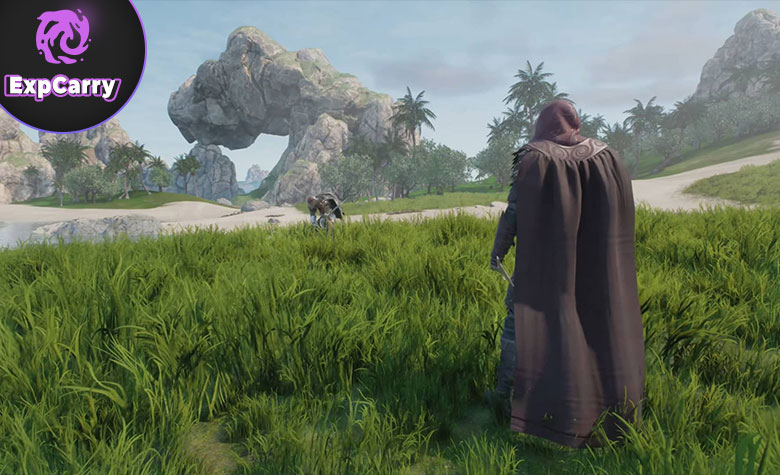
The "best class" depends on what you do most. Use this section to match your primary archetype to your main content, then optimize with a secondary archetype later. If you are torn between two picks, choose the one whose daily gameplay loop you can execute consistently. Consistency beats theoretical peak power in both PvE and PvP, especially when builds and tuning are still moving.
Best for group PvE and getting invited
Group PvE rewards stability. The most valued players are the ones who prevent wipes, speed up pulls, and keep the party moving even when mistakes happen. That is why Cleric, Tank, and Bard sit at the top of most practical tier lists: they solve the hardest group problems and their value is obvious to everyone, even in mixed-skill groups.
- Cleric: Your value is recovery and prevention. You turn chaos into a stable fight. If you want fast invites, clean progression, and a role that remains relevant long-term, Cleric is a safe foundation.
- Tank: Your value is control and tempo. You decide where enemies stand, what hits the group, and when the group can safely commit damage. Good Tanks make average groups feel organized and reduce deaths that slow progression.
- Bard: Your value is efficiency. You improve output, control, and survival across the entire group. In practice, a Bard makes pulls smoother and boss attempts more consistent, especially when groups have mixed skill levels.
How to choose between them: pick Cleric if you want to be the safety net, Tank if you want to lead pulls and control fights, Bard if you want to be the multiplier who makes everyone else better. When you unlock a secondary archetype, prioritize augments that protect your uptime and job clarity: survival and delivery tools for Cleric, control reliability and sticking power for Tank, and consistent access plus disruption for Bard.
Best for solo leveling and roaming
Solo play rewards speed, self-sufficiency, and repeatable wins without needing perfect setup. You want a kit that can start fights on your terms, finish targets reliably, and survive mistakes. Ranger and Fighter are the most practical all-rounders for most players, while Mage can be excellent if you enjoy execution and planning and do not mind higher punishment when you misplay.
- Ranger: Strong solo comfort because ranged pressure stays useful in almost every situation. You can often choose how fights begin, which is a huge advantage when roaming.
- Fighter: Strong solo comfort because the win condition is simple: get to the target, stick to the target, and convert pressure into a kill. Fighters reward clean fundamentals and repetition.
- Mage: High solo ceiling when you play around spacing and timing. Mages punish mistakes hard, both yours and the enemy's. If you like high impact plays and can accept occasional volatility, Mage can feel great.
Solo tip that improves results immediately: define your default fight plan in three steps. How you start, how you secure control or damage, and how you leave if it goes wrong. Then choose a secondary archetype later that supports that plan, usually by improving access, control reliability, or survival after you commit so you can repeat your loop without coin-flip fights.
Best for small-scale PvP (duos, trios, skirmishes)
Small fights are about tempo. A single pick, a single save, or one clean control chain can decide the whole outcome. The strongest small-scale picks are the ones that create a clear advantage window and can repeat it without needing a full raid's worth of coordination, while still having a reset option when the first attempt fails.
- Rogue: Excels at picks and disruption when you control engagement timing. Your best fights start on your terms, with your target isolated or distracted.
- Ranger: Excels at steady pressure and clean finishing. You often decide when the enemy is low enough to force a retreat or a commit.
- Fighter: Excels when you can force a brawl. Fighters thrive when they can stick to a target and trade efficiently, especially with minimal peel on the enemy team.
- Cleric and Bard (with a partner): Support wins small fights because it lets your duo take longer trades, reset after mistakes, and turn enemy cooldowns into wasted effort. Tempo plus recovery is a brutal advantage.
Small-scale planning tip: do not build around one perfect combo. Build around a repeatable loop: engage or pick, convert into advantage, then reset. Your secondary archetype later should support your loop by making your key button easier to land, harder to counter, or safer to repeat so you are not all-in every time you touch a target.
Best for siege-scale and organized wars
Large fights reward roles that stay useful when the battlefield is messy. In sieges, you do not need to top a meter to be high impact. You need uptime, coordination value, and tools that work when visibility is bad, targets swap constantly, and focus fire is real. Reliable roles become even more valuable when the enemy can punish greedy positioning instantly.
- Tank: Anchors the frontline and controls space. In organized wars, Tanks often decide where fights happen and whether your group can push or must retreat.
- Cleric: Keeps groups alive through burst and attrition. In large fights, survival is a resource, and Cleric is one of the strongest ways to buy time for your team's damage and control to matter.
- Bard: Amplifies pushes and recoveries. In coordinated play, a Bard turns a good engage into a winning engage and turns a losing trade into a reset instead of a wipe.
- Mage: Spikes value when teams coordinate control windows and punish clumps. When your team can create moments where enemies cannot move or cannot respond, Mage impact becomes obvious.
- Ranger: Provides consistent ranged pressure and finishing. Even when everything is chaotic, reliable ranged contribution stays relevant, especially when you can focus marked targets.
Siege reality check: if you play a damage archetype, your value often comes from discipline, not greed. Stay alive, keep uptime, and convert pressure into clean target focus when your team calls it. When you unlock a secondary archetype, prioritize augments that keep your role online under pressure: survivability, delivery reliability, and tools that still function in chokes and clutter where fights are decided.
From Archetype to "Best Class": Secondary Archetype and Augments
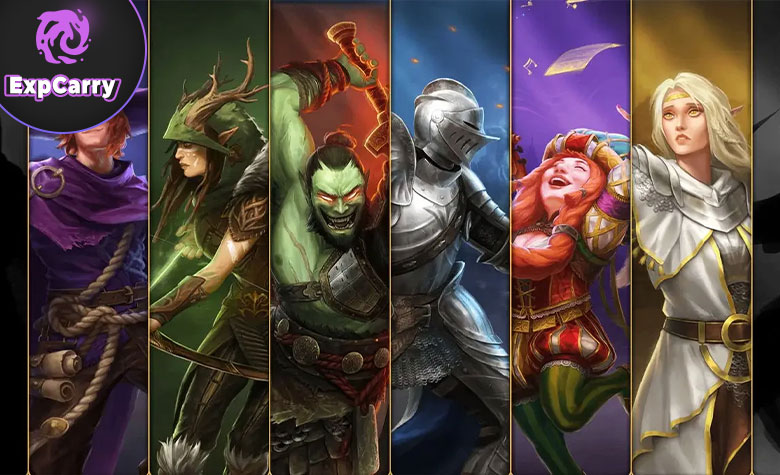
At a later milestone, you choose a secondary archetype and create your class combination. In the full class design this is commonly discussed as unlocking around level 25, but in testing it can be introduced in stages and expanded over time. The important part is what happens next: the secondary archetype primarily modifies your primary abilities through augments. That means your primary choice still defines your fundamentals, while your secondary choice tunes delivery and role details. Also remember that class augments are not the only customization layer in the overall augment system, so your long-term build can gain additional flavor from other progression paths.
A practical way to think about "best classes" is to build in two layers:
- Pick the best primary archetype for your main activity and role.
- Pick a secondary archetype that either patches your weakness, amplifies your strength, or changes delivery so you stay effective in different fight sizes.
Example logic that stays useful even when exact numbers change:
- If you are a Tank, your best secondary often increases your ability to control space, survive focus, or keep pressure on targets you have pinned.
- If you are a Cleric, your best secondary often improves how you deliver saves, how you survive being targeted, or how you add utility without losing healing identity.
- If you are a Bard, your best secondary often improves uptime, mobility, or disruption so your buffs and debuffs stay online in messy fights.
- If you are a Ranger or Mage, your best secondary often helps you survive dives, secure casts, or convert pressure into actual kills.
- If you are a Fighter or Rogue, your best secondary often improves engage reliability, follow-up control, or escape routes after committing.
Because secondary choice is not something you want to swap constantly, build a plan around your main content. Choose a secondary archetype that makes you more consistent across many fights, not just stronger in a perfect scenario. Consistency is the easiest way to stay valuable when tuning changes how hard specific combos hit.
Best "Class" Strategy for Beginners: Pick Value, Then Customize
If you want the safest path to a strong character, do not chase a complicated class identity from day one. Pick an archetype that is valuable in groups and still playable solo, then use augments to specialize later. When you do start customizing, aim to improve repeatability first, not peak damage in a single ideal setup.
- Safest high-value start: Cleric, Tank, or Bard if you want stable invites and long-term relevance.
- Safest solo-friendly start: Ranger or Fighter if you want comfort and strong baseline impact.
- High ceiling but harder start: Mage if you enjoy execution-heavy gameplay and can accept volatility.
- Niche, timing-based start: Rogue if you love pick play and are comfortable when fights become coordinated.
The best beginner choice is the one you can execute consistently. In testing environments, reliability beats theory. A "lower tier" archetype played well will outperform a "higher tier" archetype played poorly, especially in PvP where decision mistakes are punished immediately.
Common Tier List Traps and How to Avoid Them
Tier lists fail when they pretend every player runs the same content with the same team and the same skill level. Use these quick checks to stay realistic and to avoid wasting time chasing a build that only works in highlights.
- Trap: picking purely for damage. Fix: value roles that win fights and get invites, not only roles that pad numbers.
- Trap: ignoring counterplay. Fix: ask how your archetype survives focus and what your escape or reset loop is.
- Trap: building for highlight moments. Fix: prioritize repeatable windows you can land in real fights.
- Trap: assuming "best class" means "best forever." Fix: pick a strong primary foundation and stay flexible with augments.
Conclusion
The best classes in Ashes of Creation start with the best primary archetypes for practical value. In most organized play, Cleric, Tank, and Bard rise to the top because they decide outcomes and are always needed. For solo comfort and consistent pressure, Ranger and Fighter are strong picks. Mage and Rogue can be excellent, but they demand sharper execution, better positioning, and smarter fight selection.
Once you unlock your secondary archetype, you turn a strong foundation into a real build through augments. Pick your primary for the job you will do most, then pick a secondary that patches weaknesses, amplifies strengths, or changes delivery so you stay effective across content and balance shifts.