
Diablo IV is in a very different place from the one many players left behind. If your memory of the game is still tied to the launch version, the easiest mistake is assuming Season of Slaughter is just one more temporary reason to log in for a weekend and leave again. It is not that simple anymore. The better question is not whether Season 12 looks stylish enough. The better question is whether Diablo 4 has changed enough since release to make a return feel worthwhile now.
For a lot of players, the answer is stronger than it would have been a year ago. Blizzard has not only stacked another seasonal mechanic on top of the same old foundation. The game has been reshaped through itemization changes, endgame additions, broader progression updates, a more developed boss structure, and a season built around pace, bloodier loot, and a much more aggressive combat identity. For players focusing on loot quality, Diablo IV Unique Items can be a practical goal alongside the new seasonal chase. Season of Slaughter matters partly because of what it adds, but also because of the version of Diablo 4 it is landing on.
This is why "Should you return for Diablo 4 Season of Slaughter?" is really two questions at once. First, is the season itself interesting enough. Second, has Diablo 4 improved enough since launch that the experience you return to is meaningfully better. Right now, the strongest case for coming back is that both answers look much better than many lapsed players probably expect.
What Changed Since Launch
| System | At Launch | Now |
|---|---|---|
| Itemization | Less focused loot, weaker upgrade clarity | Loot Reborn made upgrades cleaner and item chase easier to read |
| Helltide | Useful, but not strong enough as a major pillar | Much more important and better integrated into the endgame loop |
| Endgame Structure | Narrower long-term loop | The Pit, Infernal Hordes, bosses, and seasonal systems give the game more shape |
| Boss Farming | Less developed as a repeatable pillar | More deliberate and more central to build progression |
| Progression Flow | More uneven and easier to burn out on | Broader progression updates have made the overall path easier to follow |
| Seasonal Hook | Could take time to feel distinct | Season of Slaughter immediately pushes a stronger combat fantasy |
That summary matters because many returning players do not need a full systems lecture first. They need quick proof that the modern game is not just the launch version with a different seasonal coat of paint. Diablo 4 now has more structure, clearer progression goals, and more activities that feel like they serve a defined purpose inside the larger loop. If you are returning for group endgame encounters, Diablo IV World Bosses also fit that broader boss structure.
Season of Slaughter gives Diablo 4 a much stronger short-term hook
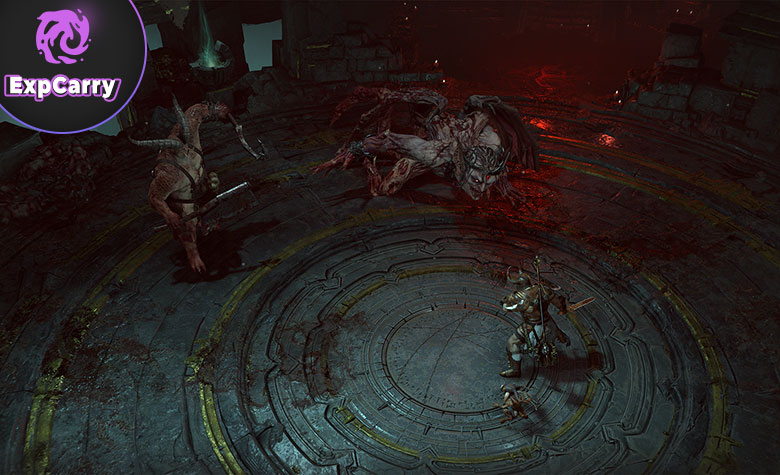
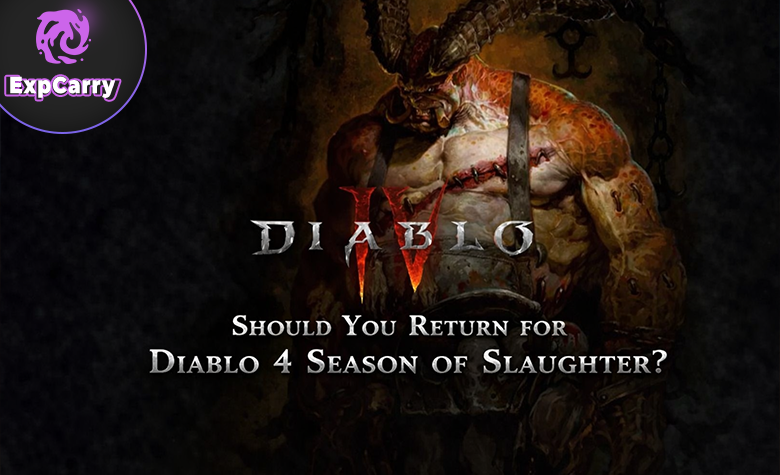
On its own, Season of Slaughter already has more bite than a typical filler season. Blizzard launches it on March 11, 2026 and centers the whole thing around becoming The Butcher, building Killstreaks, chasing Bloodied Items, pushing through Slaughterhouses, and unlocking more seasonal danger through Bloodied Sigils. That is not just one seasonal story with a few passive bonuses attached. It is a season built around a much more aggressive gameplay identity, where flow, chain killing, and risk-reward scaling sit at the center of the pitch.
That matters because comeback seasons work best when they immediately answer the question, "What feels different the first time I log in?" Season of Slaughter looks designed to do exactly that. The Butcher transformation is the obvious headline, but the deeper draw is the way Killstreaks and Bloodied loot are meant to affect how you move through combat across the game rather than only inside one tiny seasonal lane. Blizzard is clearly presenting Killstreaks as something that changes how you engage across multiple activities, which gives the season a broader identity than a simple questline gimmick.
Why this season may hook returning players faster than some older ones
Returning players usually do not need another season that takes hours to explain why it is supposed to be fun. They need one that changes the feel of the game quickly. Season of Slaughter looks positioned for that. You have a clearer fantasy, more immediate combat identity, and a loot chase tied directly to the way you play instead of sitting passively in the background. That gives the season a better first-week pull than a softer mechanic would have.
It also helps that the seasonal fantasy is instantly readable. "Become the Butcher" is easier to understand than many more abstract seasonal systems Diablo 4 has tried. The payoff is immediate: stronger visual identity, more violent tempo, clearer momentum through Killstreaks, and a loot layer that feels connected to how aggressively and efficiently you play. For returning players, that clarity matters. A comeback season needs to make sense fast, and Season of Slaughter appears built around exactly that kind of fast understanding.
The biggest reason to return is that Diablo 4 no longer plays like launch Diablo 4
If you bounced off Diablo 4 early, the most important thing to understand is that the current game is not just "launch Diablo 4 plus more stuff." Blizzard has reworked too many fundamentals for that to be an accurate picture anymore. The clearest turning point was Season 4: Loot Reborn, which Blizzard itself described as bringing sweeping changes to itemization and major Helltide updates. That patch was not minor tuning. It was one of the biggest structural attempts to make the game feel better moment to moment.
That matters more than any single seasonal theme. Launch Diablo 4 had a progression feel that a lot of players found muddy or flat once the first rush wore off. Loot Reborn was Blizzard's answer to that criticism. When a game changes its itemization, it changes how upgrades feel, how drops are judged, and how long players stay excited about a farming session. If you quit because loot started to feel dull or cluttered, that is one of the strongest reasons to take another look.
The Helltide and endgame loop are much healthier than they used to be
The same update wave also pushed Helltide harder and helped give the endgame more shape. Since then, Diablo 4 has continued layering more structured activities onto that base. Blizzard's own messaging around the modern game highlights Helltide, The Pit, Infernal Hordes, and endgame bossing as major parts of the experience that now carry more weight than they did in the early version many players remember. That is important because one of Diablo 4's biggest launch-era weaknesses was not a lack of content in pure quantity, but a lack of satisfying long-term texture in how that content connected.
The game now has a much clearer loop between farming, pushing, bossing, and testing builds. That does not mean every old complaint is gone, but it does mean the game you return to has a more defined shape than the one many players left.
There is simply more to do now, and more of it has a clear purpose
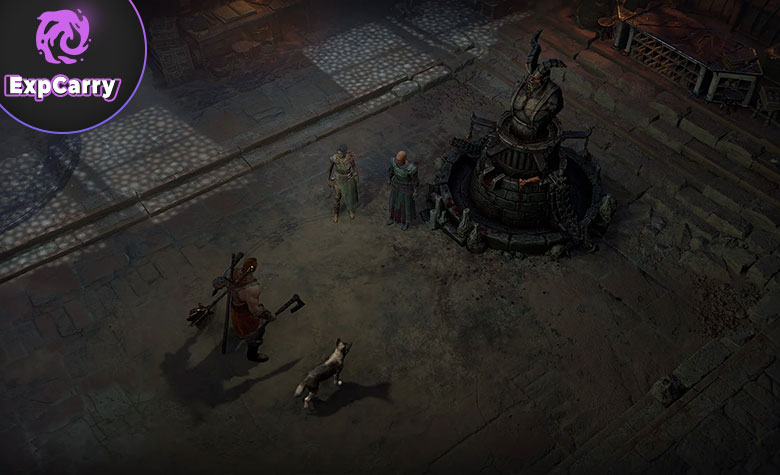
Another good reason to return is that Diablo 4 has filled out a lot of its missing middle. The Pit gave players a more direct pushing activity tied to endgame progression, while Infernal Hordes introduced a wave-based mode with its own tempo and reward structure. Infernal Hordes also became part of the broader game rather than feeling like a throwaway one-season experiment, which matters because it adds another repeatable lane for players who want denser action than a standard roaming loop.
That may sound like ordinary feature growth, but it matters for returning players because older Diablo 4 often felt like it had dead space between its strongest activities. More of the current game has a job now. Helltide is more important. Bosses are more deliberate. The Pit gives build pushers something clearer to measure against. Infernal Hordes gives a denser wave-based alternative. The result is not just more content, but more reasons for different types of players to stay engaged for longer than they did at launch.
The boss game is more developed than many lapsed players realize
Blizzard has also continued expanding and revising the boss layer. Endgame bosses were one of the earliest big post-launch improvements, and the structure evolved further through the Lair Boss system and later reward flow changes. That makes bossing feel more like a real pillar of the game than a niche side activity. If you enjoy target-farming, build testing, or coordinated repeat kills, Diablo 4 now gives that part of the game more weight than it had near launch.
This is important because ARPGs tend to last when players have more than one satisfying reason to keep logging in. Launch Diablo 4 often funneled too much of the experience into a narrower rhythm. The more mature boss structure helps break that problem. It gives stronger build goals, more defined repeat content, and a clearer sense that your character is progressing toward something concrete rather than just repeating the same farm loop with slightly larger numbers.
Vessel of Hatred changed the game's foundation, even for players who care mostly about the base game
One of the easiest ways to misread modern Diablo 4 is to think the expansion only matters if you plan to buy expansion-only content like Spiritborn, Mercenaries, Runewords, Dark Citadel, or Kurast Undercity. Those are real expansion features, but Blizzard also tied Vessel of Hatred to major base-game progression changes. That included updates to leveling, difficulty structure, the Paragon system, itemization support, and other progression fundamentals.
That means even players who are returning mainly for a seasonal comeback should understand that the overall Diablo 4 framework has moved. The game has had more than one chance to mature since June 2023. If you own Vessel of Hatred, there is even more to see: the expansion-specific features widen the experience substantially. But even outside those expansion-only pieces, the broader systems around how Diablo 4 levels and progresses are not stuck in their launch form.
If you skipped the expansion, there is still a real comeback case
You do not need to own Vessel of Hatred for the return argument to make sense. That is an important distinction, because a lot of lapsed players assume the current Diablo 4 conversation only matters if they also commit to the expansion immediately. The game is in a better state even before that extra layer enters the picture. Season of Slaughter, the post-launch itemization overhaul, improved Helltide structure, The Pit, Infernal Hordes, and the more developed boss ecosystem already create a much stronger comeback package than the launch version ever had.
That means the core value proposition has changed on the base game side alone. A returning player can come back and immediately feel more direction in progression, cleaner incentive in farming, more shape in the endgame, and a more readable seasonal hook without needing every premium layer on day one. That matters because one of the biggest barriers to re-entry is psychological. Players do not want to feel like they have to buy and relearn everything at once just to see whether the game is finally worth another shot. Diablo 4 is in a better place now specifically because the comeback case does not rely on that kind of all-in commitment.
The expansion still widens the experience in meaningful ways, especially if you want the fullest version of modern Diablo 4. But the base comeback argument now stands on its own much more convincingly than it once did. You can return to test the current itemization, modern Helltide, the refined boss ladder, and Season of Slaughter's systems first, then decide whether the expansion additions are worth folding into that experience later. For many lapsed players, that is a much healthier re-entry path than being told the game only becomes worthwhile after a full expansion buy-in.
In other words, skipping Vessel of Hatred does not automatically lock you out of the reasons Diablo 4 feels more complete today. It only means you are seeing a narrower version of that improved game. And for some returning players, that narrower version may already be enough to answer the main question: is Diablo 4 finally better at rewarding my time than it was when I left? Right now, the answer looks much closer to yes than it did at launch.
So, should you return for Diablo 4 Season of Slaughter
If you quit because launch Diablo 4 felt thin, repetitive, or unsatisfying in its loot and endgame rhythm, this is one of the better times to check back in. The game has more shape, more systems with actual purpose, a stronger endgame ladder, and a season that looks built to feel different immediately rather than slowly. Season of Slaughter is not the only reason to return, but it may be the best excuse because it lands on top of a game that has already been reworked in some of the areas that used to push players away.
If you left because you fundamentally dislike Diablo 4's combat, tone, or class structure, Season 12 probably will not magically rewrite your taste. But if you liked the foundation and fell off because the game lacked satisfying momentum, rewarding loot structure, or enough meaningful endgame texture, there is a much stronger case now than there was at release. That is the real comeback angle. Not that Diablo 4 became a totally different game, but that it became a more complete and more purposeful version of itself.
Conclusion
Should you return for Diablo 4 Season of Slaughter? If you have been waiting for a version of Diablo 4 that feels more confident about what kind of ARPG it wants to be, this is one of the clearest yes windows the game has had. Season of Slaughter adds a sharper seasonal fantasy through The Butcher, Killstreaks, Bloodied Items, and a more aggressive combat identity. More importantly, it lands after Blizzard has already reworked itemization, strengthened Helltide, added The Pit and Infernal Hordes, expanded endgame bossing, and overhauled major progression systems.
That combination is what makes the current moment stronger than a normal season launch. You are not returning to the same old foundation with one new trick layered on top. You are returning to a game that has spent multiple updates trying to solve the exact issues that made many players leave in the first place. Season of Slaughter just happens to be the season arriving when that cumulative work is easier to feel.
If the Diablo 4 you left behind felt unfinished, too static, or too easy to abandon after the first burst, the current game gives you a better reason to come back than its launch version ever did. Not because every problem is gone, but because there is finally enough changed - and enough new - for a return to feel like a real re-entry instead of a nostalgic check-in.