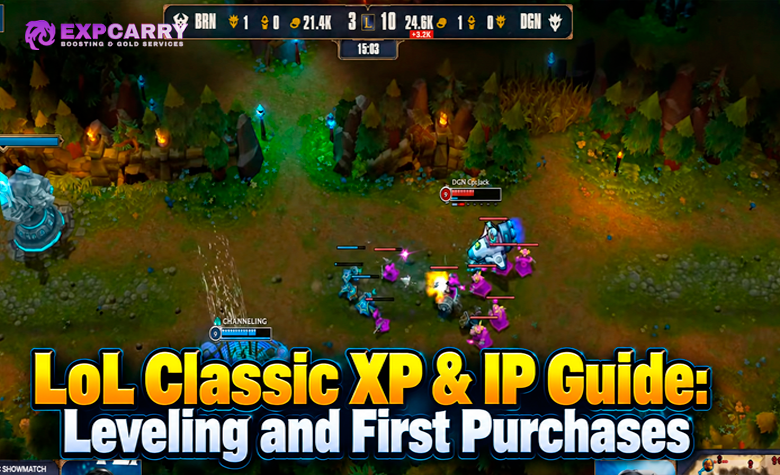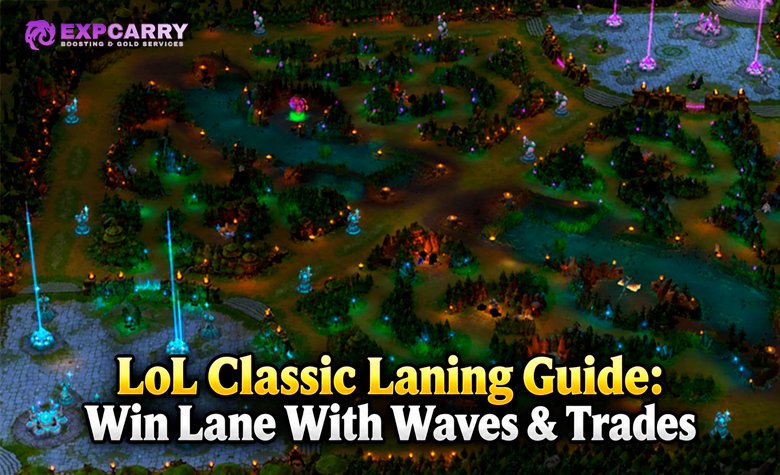
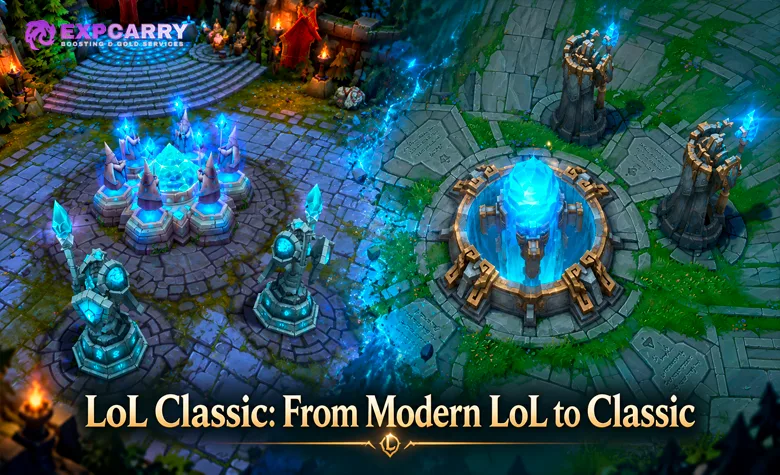
Starting League of Legends Classic after playing modern LoL means relearning several systems before your first match. Classic uses older champion abilities, separate rune pages, 30-point mastery trees, retired items and a more punishing early-game economy. You can still rely on familiar skills such as farming, positioning and objective control, but modern champion combos, item recipes and jungle routes may not work. In Patch 26.20, Classic has 77 playable champions drawn from different early League eras, not one exact Season 3 patch. The mode also has its own progression system instead of the standard Ranked ladder. This beginner guide explains what to change in champion select, what to buy, how to approach your lane or jungle, and how to play your first Classic matches without carrying over the wrong modern habits.
Short answer: Before playing Classic, check your champion's old abilities, select a Classic rune and mastery page, and use items from the Classic shop. Start with a familiar role, prioritize farming and survival, and expect stronger early punishment for poor trades, missed waves and failed jungle routes.
What Changes When You Switch From Modern LoL to Classic?
The biggest adjustment is not learning a new objective. Both games still revolve around destroying the enemy Nexus, but the tools used to reach it are different. League Classic combines older champions and systems from several early seasons with selected modern interface and matchmaking improvements.
Riot deliberately restored an older combat pace with sharper champion strengths and weaknesses. Many abilities consume more resources and deal heavier damage, crowd control is more prominent, and a bad early fight can create a significant disadvantage.
| System | Modern LoL | League Classic |
|---|---|---|
| Champions | Modern abilities and a much larger roster | Selected older champion versions and a smaller roster |
| Runes | Modern rune paths and keystones | Separate Marks, Seals, Glyphs and Quintessences |
| Masteries | No separate legacy mastery trees | 30-point Offense, Defense and Utility system |
| Items | Current items, stats and recipes | Older items, actives, costs and build paths |
| Jungle | Modern jungle companions and camps | Hunter's Machete, older camps and different clearing requirements |
| Match economy | Modern reward and comeback systems | Classic gold economy with greater early snowball potential |
| Progression | Regular account progression and Ranked LP | Classic Levels, Influence Points and Summoner's Journey |
Not every modern feature disappears. Riot retained modern pings, improved matchmaking infrastructure, spell buffering and optional WASD controls. Classic also includes ward trinkets and other selected conveniences. The practical rule is to check the gameplay system rather than assume the entire client has returned to 2013.
Choose a Classic Champion You Can Actually Play
Modern champion familiarity is useful only when the old kit remains recognizable. Some champions still perform broadly similar jobs, while others have completely different abilities or ultimates. Before selecting your main, inspect the Classic champion overview and read its passive, Q, W, E and R.
As of Patch 26.20, the roster contains 77 champions, including Aatrox, Caitlyn, Irelia, Karma and Quinn added in that patch. You do not need to learn all of them to begin. Choose one primary champion and a backup for your preferred role.
Do Not Assume Your Modern Champion Has the Same Kit
Several popular examples illustrate how much a champion can change:
- Graves: Classic Graves is a traditional ADC with Buckshot and the original True Grit, not the modern ammunition-based jungler.
- Fiora: Classic uses Blade Waltz instead of the modern vital-point-focused Grand Challenge.
- Karma: Her original kit includes Heavenly Wave, Spirit Bond and a two-charge Mantra available from Level 1.
- Irelia: Classic uses Hiten Style, Equilibrium Strike and Transcendent Blades rather than the modern defensive and blade-combination abilities.
- Warwick: His original Infinite Duress is a targeted suppression, not the modern leaping ultimate.
These differences affect skill order, trading, itemization and the situations where your champion can win a fight. Even when the ability names remain familiar, cooldowns and damage values may differ.
For your first matches, a mechanically straightforward champion such as Garen in top lane or Annie in mid can reduce the number of unfamiliar interactions you must learn. These are examples of accessible kits, not claims that they are the strongest champions in the current meta.
How Champion Select Works in Classic
League Classic launched with a PvP draft queue, Co-op vs. AI and custom games. Riot included positional preferences so players can choose roles in order of preference rather than relying on the old system of calling positions in chat. PvP availability may depend on the region and queue schedule.
Patch 26.17 also added champion swapping and pick-order swapping during champion select. Check your assigned position before confirming a champion, and make sure your pre-game setup matches the character you will actually play.
If you already own a champion in modern League and that champion is available in Classic, Riot allows you to use the owned champion in Classic. Other characters can be unlocked through Classic progression or shop options, while the free rotation provides additional choices.
Set Up Classic Runes and Masteries Before Queueing
This is one of the most important changes for modern players. Classic brings back two separate preparation systems: runes that provide statistics and masteries that distribute points across three trees. Selecting a modern keystone is not an option.
You should understand the basic structure before trying to optimize individual statistics. A correct, simple page is better than accidentally entering a match with choices meant for another champion.
How the 30-Slot Rune Page Works
A complete Classic rune page contains four categories:
- 9 Marks: Commonly used for offensive statistics such as Attack Damage, Attack Speed or Magic Penetration.
- 9 Seals: Often used for Armor, health or resource sustain.
- 9 Glyphs: Frequently provide Magic Resist, Ability Power or cooldown-related statistics.
- 3 Quintessences: Larger individual bonuses such as offensive power, movement speed or utility.
The categories have different stat efficiencies, so copying one stat into every available slot is not automatically the best choice. Start with a page appropriate for your champion's damage type and role, then adjust it as you understand your matchups.
Riot provides default rune pages, and unfilled rune slots receive automatic placeholder statistics. Patch 26.16 increased those placeholder values to 80% of their corresponding rune strength. You can therefore begin playing before building a perfectly optimized collection. Classic also uses its own rune unlocks rather than requiring the old Tier 1-to-Tier 3 upgrade process.
How the 30-Point Mastery System Works
Classic masteries are divided into Offense, Defense and Utility. A configuration written as 21/9/0 invests 21 points in Offense, nine in Defense and none in Utility. Other common approaches prioritize defensive survival or utility depending on the champion.
Offense supports damage-oriented play, Defense helps with survivability, and Utility provides resource, movement or economic benefits. These are separate from modern champion mastery grades and modern rune keystones.
Mastery pages and points unlock through Classic progression. Default configurations are available while your collection is incomplete, so do not delay your first match solely because every customization option is not yet unlocked.
For exact rune values, mastery nodes and role-specific pages, use the League Classic Runes and Masteries Guide. This beginner guide focuses on getting a usable page ready, not reproducing the entire rune catalogue.
How to Earn Runes and Influence Points
Classic uses Influence Points (IP) for rune-related purchases and other Classic progression options. These are separate from the ordinary Blue Essence-based progression players recognize in modern League. Classic progression can also grant Blue Essence and other rewards.
You earn Classic XP and IP by playing Classic. Patch 26.17 more than doubled IP earned per game, doubled Classic XP gains and granted every player two additional free Rune Pages. It also reduced the cost of Quintessences and Minor Runes.
For a new player, the sensible approach is to begin with the available pages and unlock versatile statistics for the champions you actually play. You do not need to purchase an entire collection of specialized rune combinations immediately.
Explore services related to this guide, selected from our League of Legends catalog.
View All League of Legends Services

How to Buy Items in League Classic
The Classic shop contains retired items and older versions of familiar equipment. A modern build may reference an item that does not exist in Classic, while an item with the same name may have different statistics, costs or effects.
Your first priority is to identify a suitable starting purchase and one useful early power spike. Do not import a modern six-item build without checking each item's Classic version.
Start With the Correct Item for Your Role
Classic's familiar starting options include Doran's Blade for physical trading, Doran's Ring for spell-focused lanes and Doran's Shield for defensive laning. Junglers typically begin with Hunter's Machete and consumables, while supports can use older income and vision-oriented item paths.
These are common examples rather than mandatory purchases for every champion. Look at what your lane requires. A defensive purchase may be better than extra damage when the opposing champion can repeatedly force unfavorable trades.
Remember That Old Items Have Important Actives
Classic includes items such as Deathfire Grasp, Shurelya's Reverie, Atma's Impaler and Frozen Mallet. Some provide active abilities, while others have passive effects or unusual stat combinations that modern players may not expect.
Read the tooltip when buying an unfamiliar item and confirm whether it must be activated manually. An item active that is never used may remove much of the reason for purchasing it.
Patch changes also affect recipes. For example, Patch 26.17 changed Wriggle's Lantern from an Attack Damage item into an Attack Speed item and replaced Vampiric Scepter with Recurve Bow in its build path. Archived Season 3 recipes should not override the live shop.
The Classic Items Guide covers purchase costs, components and power spikes in detail.
How to Play Your First Classic Lane or Jungle Match
Farming, positioning and working with teammates remain valuable, but Classic punishes wasted Health, mana and time differently. Do not enter your first match expecting the same resource management or early-game safety as modern League.
If You Are Playing a Lane
Start by securing minion experience and the last hits you can safely collect. Older abilities frequently have meaningful mana costs, so avoid casting repeatedly without a clear reason. A short trade after the opponent uses an important ability may be better than an extended fight into a larger enemy minion wave.
Wave position is especially important. Hold the wave closer to your turret when the opponent is stronger, or push it into the opposing turret before taking a safe recall. Do not roam merely because a modern guide recommends constant movement; losing several waves in Classic can create a substantial disadvantage.
Riot adjusted Classic's economy in Patch 26.16, reducing ordinary melee and ranged minion base gold while changing passive gold generation. The mode remains deliberately snowball-oriented, so reliable farming and preserving experience are important even after those adjustments.
If You Are Playing Jungle
Classic's first clear is more demanding, and its camps use older names and configurations. You will encounter Wolves, Wraiths, Golems and a separate Wight camp, alongside Blue and Red Buff. The mode does not use the modern jungle companion system.
Begin with Hunter's Machete, appropriate consumables and Smite. Choose your first buff based on the champion's mana needs, sustain and intended route. Monitor Health between camps instead of assuming a modern full clear will work unchanged. A teammate helping with the opening camp can make the route safer.
Prioritize a safe clear and a realistic first gank. Moving into lane without enough Health, crowd control or allied assistance may cost more resources than the attempt can earn.
Use current Classic-specific routes and item information rather than modern jungle timings. Patch 26.16 increased later monster Health scaling without changing the opening clear, so an old route may remain recognizable while later farming becomes more demanding.
How to Approach Objectives and Vision
Dragon, Baron Nashor, turrets and the enemy Nexus remain important objectives. However, Classic does not reproduce the entire modern neutral-objective environment, including modern Dragon Soul progression and the full set of current Summoner's Rift objectives.
Ward trinkets are available, but you should still plan vision deliberately around dangerous entrances and major objectives. Purchased wards can supplement trinket vision. Before starting Dragon or Baron, check whether the enemy jungler can contest and whether your teammates can assist.
When you win a fight, convert it into something useful: a safe turret, an objective or a favorable wave and recall. Classic has stronger consequences for wasting an advantage, so avoid chasing additional kills when a structure is available.
Your First Three Classic Matches: A Practical Plan
You do not need an elaborate training program to adjust from modern League. Three focused matches can introduce the essential differences, provided you select a familiar role and review the systems that affected your decisions.
| Match | Main Objective | What to Do |
|---|---|---|
| 1 | Learn your champion's old kit | Read all abilities, set basic runes and masteries, and practice the champion's primary trading or clearing pattern |
| 2 | Learn Classic economy | Focus on farming, mana management, item components and safe recall timing |
| 3 | Learn Classic map decisions | Track jungle threats, prepare vision and turn favorable fights into objectives |
Checklist Before Your First Match
Complete these checks in champion select so your first mistake is not caused by a mismatched loadout.
- Confirm that you selected the Classic queue, not standard Summoner's Rift.
- Choose a champion whose Classic kit you have inspected.
- Check your assigned role and any champion or pick-order swaps.
- Select an appropriate Classic rune page and mastery configuration.
- Equip summoner spells that suit your champion and role, checking Classic-specific options rather than assuming the modern spell selection is identical.
- Plan the first item purchase and your opening lane or jungle route.
- Identify one main objective for the match: learn the kit, manage resources or improve objective decisions.
If the PvP queue is difficult to access or you want to test unfamiliar abilities first, Classic also supports custom matches. Co-op vs. AI is another option where available. You do not need to begin with a competitive match to learn an old kit.
How Classic Progression Differs From Ranked LoL
Classic has its own progression rather than using your modern Solo/Duo rank. Playing Classic earns Classic Levels and progression rewards. At Classic Level 10, players begin Summoner's Journey, starting at Salt and progressing through its separate tiers toward Legend.
Summoner's Journey is not the ordinary Iron-to-Challenger ladder, and its progress should not be interpreted as modern LP gains. The two systems serve different modes and use different progression rules.
Riot confirmed on October 14, 2026, that the current Classic run will end in January 2027, with a possible future return that has not been guaranteed. Starting with Patch 26.21, Korea, Latin America North and South, Taiwan, Vietnam, Turkey, Southeast Asia, Oceania and Russia will have scheduled PvP windows: Monday through Friday from 4 PM to midnight server time, and Saturday through Sunday from 10 AM to 1 AM server time. Japan and MENA will have custom games only. Classic custom matches remain available in all regions during the current run. Patch 26.21 also introduces a free-only Act II Classic Battle Pass. Check the official Classic developer update for regional availability and later changes.
Common Mistakes When Moving From Modern LoL to Classic
Most transition problems come from applying a familiar modern habit to an older system that works differently. These are the mistakes worth correcting first:
- Using modern champion combos: Check the original abilities before assuming the same damage or movement sequence works.
- Ignoring masteries: Runes and masteries are separate Classic systems; select both before queueing.
- Copying a modern build: Verify items, components and actives in the Classic shop.
- Spending mana too freely: Preserve resources for trades, defensive spells and important wave control.
- Following modern jungle routes: Use Classic camps, Smite and a route your champion can actually survive.
- Forcing fights after losing early: Protect experience and farm rather than repeatedly attempting to recover through risky kills.
- Expecting modern Ranked LP: Classic uses its separate Summoner's Journey progression.
Correcting these differences is more valuable than memorizing every old item or champion immediately. Once your basic setup and resource management are reliable, move into matchup-specific preparation.
LoL Classic Beginner FAQ
These additional answers address questions that commonly arise when players switch from the current game to Classic.
Is League Classic exactly Season 3? No. Riot used Season 3 as a foundation but combined champions and systems from several early periods. The mode also receives its own balance patches, so old Season 3 guides are historical references rather than guaranteed current builds.
Do I need a complete rune collection before playing? No. Riot provides default pages and placeholder statistics while your collection is incomplete. Additional runes, mastery options and Rune Pages unlock through Classic progression and purchases.
Can I use the same champion and item setup as modern LoL? Sometimes parts of the playstyle remain familiar, but do not assume the full setup transfers. Check the Classic ability descriptions, rune page, mastery allocation and item recipes before playing.
Conclusion
Switching from modern LoL to Classic is easiest when you retain your fundamentals but rebuild your preparation. Learn the old champion kit, use Classic runes and masteries, buy from the correct item pool and respect the more demanding early economy. Begin with a familiar role and a simple plan for farming, surviving and converting advantages into objectives. Check regional queue availability during the mode's remaining run. That foundation makes Classic easier to learn without depending on outdated builds or assumptions from modern Summoner's Rift.