
Gold farming in WoW Midnight is most effective when you combine a reliable source of income with a method that benefits from current player demand. In Season 2, gathering, consumable crafting, specialized crafting orders, and tradeable housing decorations are all worth evaluating. Patch 12.1.5 adds another wave of endgame activity, but no method produces the same gold per hour for every player or throughout an entire season.
This guide explains how to choose profitable farms, where to look for Midnight materials, how to calculate actual earnings, and when to switch between professions, routes, and Auction House markets. It also covers the Coiled Isle gathering materials introduced in Season 2 and the important difference between tradeable housing decorations and Warbound lumber.
Short answer: For a low-cost start, test Herbalism and Mining routes and sell the materials that are actually moving on the Auction House. If you already have developed crafting professions, compare consumables, high-quality crafts, and crafting orders after material costs. Season 2 also offers Coiled Isle reagents and housing-related markets, but check demand and completed sales before committing to any farm.
How Gold Making Works in WoW Midnight
Gold making follows three sources of demand: character progression, convenience, and collections. Progression creates buyers for potions, flasks, food, gems, enchants, crafted gear, and the reagents needed to make them. Convenience creates demand for finished products and reliable crafters who can complete orders without delays. Collections create markets for tradeable transmog items and housing decorations, although these goods often sell more slowly than raid consumables.
Midnight Season 2 is already underway, and the 12.1.5 update introduced The Unbinding of Kith'ix raid, the Labyrinth of Kindo'jan, and a mid-season progression refresh. These activities can create new demand for equipment enhancements and consumables, but an update does not guarantee that every related item becomes profitable. Review the official 12.1.5 update notes to understand which activities are current, then use actual market prices to decide what to produce.
Another important detail is that the Auction House does not use one identical market for every item. Stackable commodities such as herbs, ores, gems, and many consumables are traded through region-wide listings. Non-commodity items, including many pieces of equipment and decorations, remain connected to realm-level markets. A gathering route should therefore be evaluated against prices in your game region, while an individual crafted item may need a separate check on your realm.
How to Measure the Best WoW Midnight Gold Farm
A farm is worth repeating only when its earnings justify the time and resources you invest. The price shown on an Auction House listing is not guaranteed income: an item can remain unsold, require repeated posting, or lose value before a buyer appears. Track actual sales separately from the estimated value of the inventory you are still holding.
| Metric | What to record | Why it matters |
|---|---|---|
| Realized gold per hour | Gold actually received from sales and direct rewards, minus costs, divided by active time | Separates earned gold from the estimated value of unsold items |
| Inventory value | Current market value of items still waiting to sell | Shows potential income without counting it as completed profit |
| Sell-through speed | How quickly listings sell and how often they need reposting | Helps identify liquid markets and slow-moving stock |
| Competition | Listing volume, price changes, and frequency of undercuts | Reveals whether a profitable-looking market can support another seller |
| Investment and risk | Material purchases, deposits that are not recovered, consumable expenses, and possible losses | Prevents a high sale price from hiding a weak or negative margin |
For an accurate comparison, include gathering, travel, crafting, posting, and relisting in your active time. Calculate net gold per hour as actual gold received minus relevant costs, divided by the hours spent. Keep unsold stock in a separate column. If a farm produces valuable-looking items that do not sell, its realized gold per hour may be much lower than its advertised return.
Test a method more than once before making it your main income source. Repeat similar-length sessions at different times, record the output, and check the resulting sales later. This is especially important for region-wide commodities: Blizzard established shared regional listings for those items in the Auction House update, so competing sellers are not limited to characters on your own realm.
Best Gold Farming Methods in WoW Midnight
The most useful approach is to maintain several methods suited to different situations. Gathering has a low entry cost but depends on material prices. Consumable crafting can produce repeat sales but requires competitive recipes and margins. Crafting orders reward specialization and availability, while housing decorations and collectibles may offer larger individual sales with longer waiting times. Choose a primary method based on your character's professions, available capital, and the time you want to spend managing auctions.
1. Herbalism and Mining for Tradeable Materials
Herbalism and Mining are practical starting professions because they turn time spent in the world into reagents used by other players. In Midnight, routes through Eversong Woods, Zul'Aman, Harandar, and Voidstorm provide different gathering environments and resource opportunities. Your best route is the one that produces the most valuable mix of materials after accounting for competition, travel, and how quickly your inventory sells.
Do not assume that a material is profitable simply because it comes from the newest zone. Basic herbs and ore may sell quickly but face heavy region-wide competition, while rarer reagents can produce better returns if buyers actually need them. When planning a route, consider both the main material and additional drops from specialized nodes. If a route becomes crowded or the price of its main resource falls, switch to a second zone and compare the results.
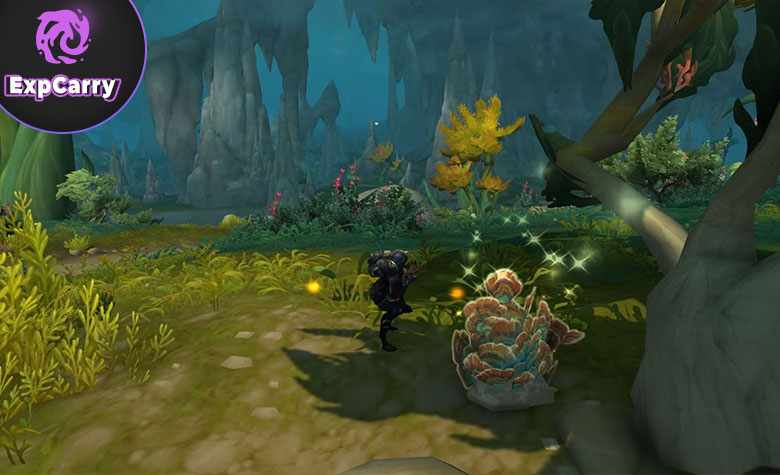
Season 2 adds a more specific option on the Coiled Isle. Cursed Herbalism and Mining nodes can provide Cursebound Globe, while special Envenomated nodes associated with completed Curse Surge events provide Neutralized Venom Clot. For the latter, you need the relevant Cursed Land and Waters effect before collecting the event-related nodes. The island was introduced in the official Curse of Ula'tek update, and its special reagents give gatherers an additional market to test.
A practical Coiled Isle session begins with a circuit around the island's accessible gathering areas. Watch for Cursed nodes, follow nearby Curse Surge activity, and gather Envenomated nodes when the required event effect becomes available. Keep track of how much time you spend waiting for the event compared with collecting materials. If the special reagents are selling poorly, a normal herb-and-ore loop elsewhere may earn more despite producing less unusual loot.
2. Consumables, Enchants, Gems, and Reagents
Players repeatedly consume potions, flasks, and food during Mythic+ dungeons, raids, and other demanding content. Equipment upgrades also generate demand for enchants, gems, and the materials used in those crafts. These categories are worth monitoring around major content releases and regular group activity, but profit depends on the difference between the cost of ingredients and the amount buyers are actually paying.
Alchemy is useful for testing potion and flask markets, Enchanting supplies equipment enhancements, and Jewelcrafting can produce gems and other valuable items. Inscription and other professions may also benefit from current crafting demand. Before producing a large batch, calculate the cost using materials you could have sold directly. Materials gathered by your own character still have an opportunity cost: using them for an unprofitable craft is not free just because you did not purchase them.
Start with small production runs and compare finished-item margins after Auction House fees. Prefer recipes you can craft efficiently with your current skill, specialization, profession equipment, and available Concentration. If the finished product sells for less than its ingredients, sell the materials or wait for conditions to change rather than continuing to craft at a loss.
3. Crafted Gear and Profession Orders
High-quality crafted gear is a different market from ordinary Auction House consumables. Its value often depends on recipe access, profession skill, specialization, optional reagents, and the customer's requirements. Midnight Season 2 uses current-season crafting materials and equipment progression, so outdated Season 1 assumptions should not be used to price new orders.
There are several ways to approach this market. You can specialize in a smaller number of equipment slots, respond to personal crafting orders, complete suitable public orders, or produce tradeable items for the Auction House. For customer orders, calculate the value of any materials you must provide yourself rather than looking only at the offered commission. If a customer requests a particular quality, confirm that your current setup can achieve it before accepting the work.
Developing a profitable crafting character requires more than reaching the maximum basic profession skill. Knowledge Points, recipe unlocks, profession tools, and specialization choices determine which products you can make competitively. The distinction matters when assessing profession leveling and material preparation: reaching a skill threshold is useful, but it does not automatically provide every valuable recipe or specialization bonus.
4. Housing Decorations and Crafting Materials
Player Housing creates a separate market for decoration items. Players can obtain decor through professions, quests, achievements, vendors, and other activities, and many crafted decorations can be traded or sold. This allows crafters to turn materials from Midnight and older expansions into finished products for collectors and players furnishing their homes. Blizzard explains the cross-expansion profession system in its official guide to crafting housing decorations.
However, housing materials do not all behave alike. Lumber used in decoration recipes is Warbound: it can be shared within a Warband but cannot be sold directly on the Auction House. You should not plan a gold farm around listing lumber itself. Instead, evaluate tradeable finished decorations and any tradeable reagents needed to produce them. The difference is important when comparing the value of crafting an item with obtaining the same housing decoration through another activity.
Before investing in a decoration recipe, check whether the finished object can be traded, how many sellers are competing, and how frequently buyers purchase it. Some decorations are attractive because they are useful for common room layouts; others are niche collectibles that may sit on the Auction House for a long time. Start with a small selection rather than committing most of your gold to one furnishing item or an expensive collection of legacy reagents.
5. Raw Gold, World Content, and Legacy Collectibles
Not every useful method depends on the Auction House. World activities, repeatable content, direct quest rewards, and vendor sales can provide gold without waiting for another player to buy your inventory. These methods are especially helpful when you need immediate funds for repairs, profession supplies, or Auction House deposits. Check the actual rewards available to your character rather than assuming that every activity produces the same payout.
Legacy content can provide tradeable appearances, recipes, or collectibles alongside vendor loot, but that income is less predictable. A rare transmog item may be valuable to a collector while taking a long time to sell. Separate direct gold from speculative drops in your records. Raw-gold activities are worth comparing against gathering when market prices are weak or when you prefer playing content instead of managing listings.
Explore services related to this guide, selected from our Gold catalog.
View All Gold Services
Best Routes and Loops for Gold Farming in Midnight
A useful farming route should be repeatable, easy to evaluate, and flexible enough to change when competition increases. You do not need to memorize a complicated set of coordinates to begin. Select a zone that supports your chosen professions, build a circuit through accessible resource areas, and time several complete laps. Compare the materials collected rather than judging a route only by how busy it feels.
The Three-Loop Route System
Maintain three routes for different conditions. Your first route should be a fast gathering circuit with minimal travel between useful nodes. Your second should cover a wider area to reduce competition. Your third should focus on a special opportunity, such as Coiled Isle materials, when the relevant events and prices make it worthwhile.
- Loop A — Fast materials: Farm a familiar section of Eversong Woods, Zul'Aman, Harandar, or Voidstorm and sell commonly used herbs and ore.
- Loop B — Lower competition: Follow a broader circuit away from crowded travel paths and compare the quantity of materials collected per lap.
- Loop C — Coiled Isle reagents: Gather Cursed nodes, take advantage of completed Curse Surges, and collect event-related materials when their conditions are active.
Switch routes when travel, combat, or competition starts reducing the amount you gather. The goal is not to win every race to a resource node; it is to maintain a reliable output. Record the materials from each lap and compare their market value with the time required. A quieter route with fewer interruptions can outperform a popular location full of high-value nodes.
Combining Two Markets in One Farming Session
A strong farming route can produce materials for more than one category of buyers. Herbs may interest Alchemists and other crafters, while ore supports several equipment and profession markets. Special reagents can also serve multiple recipes, although their value depends on current demand. This reduces reliance on a single item whose price could fall during your session.
After a run, separate fast-selling materials from slower or more speculative inventory. List quantities that match what buyers are purchasing and avoid repeatedly reposting large volumes at declining prices. You can retain materials for your own crafting only when the resulting item is expected to be worth more than selling those materials directly. Treat storage as a decision with a cost, not as automatic future profit.
Midnight Professions for Gold: What to Focus on First
The right profession depends on your budget and what you want to sell. Gathering professions are accessible without investing heavily in recipes, while crafting professions become more competitive through specialization, Knowledge Points, and better equipment. A profession that produces high-value items is not automatically the most profitable if materials are expensive or sales are slow.
| Profession strategy | Main products or income | Advantage | Risk to manage |
|---|---|---|---|
| Herbalism and Mining | Herbs, ore, special node reagents, Coiled Isle materials | Low starting capital and a direct path to tradeable materials | Region-wide competition and falling reagent prices |
| Alchemy and consumable crafting | Potions, flasks, and related products | Repeat demand from players running endgame content | Ingredient costs, crafting efficiency, and undercutting |
| Enchanting and Jewelcrafting | Enchants, gems, equipment, and profession products | Demand from new or upgraded gear | Recipe access, quality, and competition |
| Specialized gear crafting | Commissioned equipment and suitable crafting orders | Can earn value from skill and specialization rather than volume alone | Customer requirements, supplied materials, and availability |
| Housing-related crafting | Tradeable decorations and eligible crafting products | Collection demand across current and older expansions | Slow sales, recipe costs, and Warbound inputs such as lumber |
For a new gold-making character, begin with an activity that can finance profession upgrades without consuming most of your reserve. If you want to craft, develop a small number of useful recipes and confirm demand before committing to a large inventory. Housing crafters also need to plan their personal supply of Warbound lumber separately from tradeable materials. The work involved in gathering housing lumber contributes to the cost of a finished decoration even though the lumber itself has no ordinary Auction House resale market.
Profession profitability should be reassessed after important progression updates. A new set of crafted equipment or a popular consumable can change which recipes are worth producing, while competition may quickly remove the initial margin. Keep one reliable income method active while experimenting with a more specialized craft. This makes it easier to afford recipe unlocks and equipment upgrades without depending on speculative sales.
Auction House Strategy: When to Sell, Hold, or Change Markets
Posting strategy depends on the type of item. Region-wide commodities often have deep supply and rapid price changes, so efficient selling matters more than trying to dominate a small market. Realm-specific equipment and decorations may have fewer buyers, making sale history and inventory turnover more important than the highest current listing price.
Check your expected profit before buying materials for resale or crafting. Include the Auction House fee and any costs you will not recover, and account for the time spent managing listings. If the margin is small, a price decline can eliminate it. Buying a large amount of stock because an item recently became popular is particularly risky once other players begin supplying the same market.
A practical rule is to separate your gold into operating funds and a reserve. Use operating funds for materials, deposits, and recipe-related expenses; keep enough liquid gold to continue playing if a batch sells slowly. There is no universal percentage that works for every player. Someone gathering their own resources can operate with less market exposure than someone buying expensive reagents to craft equipment for resale.
Common Gold Making Mistakes in WoW Midnight
Most weak farming sessions are caused by poor evaluation rather than choosing an inherently useless profession. The biggest problems are treating estimated prices as real earnings, ignoring the cost of gathered materials, and continuing to produce items after demand has fallen. You can avoid many losses by reviewing completed sales and keeping different markets separate.
- Counting unsold items as profit: A valuable-looking listing is not earned gold until a buyer completes the purchase.
- Using outdated seasonal recipes: Check current Season 2 materials, equipment progression, and crafting requirements before investing in a production run.
- Ignoring region-wide competition: Most ordinary crafting commodities compete across the region, not just against sellers on your realm.
- Trying to sell Warbound lumber: Lumber for Housing is not an Auction House commodity. Evaluate eligible finished decorations instead.
- Crafting without checking margins: Include the value of your own gathered reagents and any costs required to achieve the requested quality.
- Overcommitting to one item: Test whether goods sell before producing or purchasing a large inventory.
- Ignoring travel and reposting time: A method with attractive item prices can still be inefficient when the full process takes too long.
Conclusion
The most reliable way to make gold in WoW Midnight is to measure your results and keep several earning options available. Begin with gathering or another low-risk source of income, move into crafting when your recipes and specialization justify the investment, and treat housing decorations and collectible markets as opportunities that require extra patience.
In Season 2, Coiled Isle reagents and demand connected to current endgame activities are worth checking, but actual sales and net profit should decide your route. When prices or competition change, update the method rather than continuing an unprofitable farm out of habit.