
Phase 3 changes the TBC Anniversary DPS hierarchy because Black Temple and Mount Hyjal reward different strengths than Serpentshrine Cavern and Tempest Keep. Physical damage dealers gain more from Tier 6 itemization, Warlocks dominate sustained area damage, and several support specializations remain valuable even when their personal damage is below the top group.
Blizzard's official Phase 3 announcement confirms that Black Temple and the Battle for Mount Hyjal open as the new level 70 raids on August 27, 2026. Because those raids are not yet live on Anniversary realms, this tier list is a Phase 3 projection rather than a claim about current Anniversary parses.
How the Phase 3 DPS Rankings Work
The ranking combines expected boss damage, cleave and area damage, Tier 6 scaling, encounter uptime, raid buffs, debuffs, and the value of bringing more than one copy of a specialization. Historical Phase 3 raid data provides the performance baseline, while the Anniversary rules and current Phase 2 meta determine how that evidence should be applied in 2026.
This is not a target dummy ranking. A specialization can deal less personal damage than another option while increasing the output or resources of an entire group. The tiers therefore describe overall Phase 3 raid value, not only the highest possible single-target parse.
| Tier | Meaning |
|---|---|
| S | Top Phase 3 damage with strong encounter fit and clear value when stacked. |
| A | Powerful damage or important raid contribution that normally earns a stable roster place. |
| B | Fully viable and useful, but less competitive in raw output or less desirable in multiple copies. |
| C | Capable of clearing all content, although another specialization usually offers more damage or utility. |
| D | Playable in Phase 3 but poorly matched to optimized raid damage and roster requirements. |
WoW TBC Phase 3 DPS Tier List
| Tier | Specializations | Phase 3 position |
|---|---|---|
| S | Fury Warrior, Destruction Warlock, Combat Rogue, Beast Mastery Hunter | The strongest overall damage group across Black Temple and Mount Hyjal. |
| A | Arcane Mage, Arms Warrior, Enhancement Shaman, Retribution Paladin, Survival Hunter, Affliction Warlock | Strong performers and high-value raid contributors with dependable roster roles. |
| B | Demonology Warlock, Feral Druid, Elemental Shaman, Shadow Priest, Balance Druid, Fire Mage | Viable damage with useful support, but weaker stacking value or less consistent throughput. |
| C | Marksmanship Hunter, Assassination Rogue | Functional alternatives that are normally surpassed by another specialization from the same class. |
| D | Frost Mage, Subtlety Rogue | PvE-capable builds whose major strengths do not align well with Phase 3 raid damage. |
Order inside one tier is approximate. Gear, player execution, party buffs, kill time, pet uptime, target count, and assigned mechanics can reverse two neighboring specializations on a particular encounter.
S Tier DPS Specializations
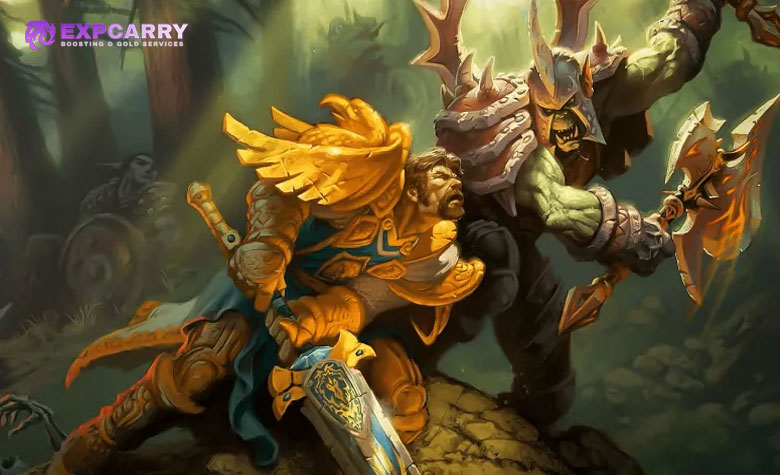
Fury Warrior reaches its major TBC scaling point in Phase 3. Better weapons, armor penetration, attack power, critical strike rating, and haste strengthen both single-target damage and short cleave. Black Temple trash and several boss situations also provide the multi-target uptime that lets Fury convert its gear advantage into raid damage.
Destruction Warlock remains one of the safest classes to stack. It delivers reliable boss damage with limited movement, scales well with caster support, and becomes exceptionally valuable during the large Mount Hyjal trash waves. Its combination of single-target output and sustained area damage keeps it near the top in both raids.
Combat Rogue rises sharply with Phase 3 physical gear and strong melee uptime. The specialization already performs well before legendary weapons are considered, while completing The Twin Blades of Azzinoth raises its eventual ceiling. The set is not assumed for every Rogue in this ranking because its two components remain rare Illidan drops.
Beast Mastery Hunter stays in S Tier through efficient single-target damage, strong cooldown windows, and excellent scaling from raid buffs. Pet survival and uptime matter more in Black Temple than a simulation suggests, but a skilled Hunter who controls the pet correctly remains one of the most dependable boss damage dealers.
Explore services related to this guide, selected from our WoW TBC Anniversary catalog.
View All WoW TBC Anniversary Services


A Tier DPS Specializations
Arcane Mage remains powerful, especially when kill times and mana support allow an aggressive burn plan. It loses relative ground because Phase 3 improves physical scaling and because longer or movement-heavy encounters punish its mana profile. This is a drop from the dominant Phase 2 position, not a fall into weak territory.
Arms Warrior earns its place through competitive physical damage and Blood Frenzy, which increases the raid contribution of other physical attackers. Most raids value one Arms Warrior, while additional Warriors normally use Fury because the unique debuff does not need multiple providers.
Enhancement Shaman supplies Unleashed Rage and melee totems while producing respectable personal damage. Anniversary makes Bloodlust and Heroism raid-wide, reducing the old need to place one Shaman in every party solely for that cooldown. Totems and several other buffs remain group-sensitive, so a well-built melee party still benefits greatly from Enhancement.
Retribution Paladin combines solid Phase 3 damage with blessings, a refreshed Judgement, and useful raid tools. Survival Hunter provides Expose Weakness for the physical roster while maintaining good ranged damage. Affliction Warlock contributes curses and sustained multi-target pressure, although additional Warlocks usually gain more personal damage by playing Destruction.
B Tier DPS Specializations
Demonology Warlock can produce strong numbers when the pet survives and receives full support, but that dependency makes performance less consistent than Destruction. Feral Druid offers Leader of the Pack, mobile melee damage, and possible tank flexibility, yet pure Cat damage does not scale as aggressively as Fury or Combat.
Elemental Shaman still provides Totem of Wrath and valuable caster support. Its personal scaling slows compared with the strongest casters, and raid-wide Bloodlust reduces the reason to stack Shamans. One Elemental can remain useful when the raid has a caster group that fully benefits from its totems.
Shadow Priest has modest personal damage but remains an important mana source for a caster or healer group. Balance Druid supplies spell support and Improved Faerie Fire while adding ranged damage. Both can justify a roster place through total raid contribution, but neither is normally stacked for personal DPS.
Fire Mage is viable and can perform well with the correct caster setup, but Arcane remains the more established Mage choice for Phase 3 boss damage. Fire also competes for a limited raid slot without providing a new category of support that the roster cannot obtain elsewhere.
C Tier DPS Specializations
Marksmanship Hunter can complete every Phase 3 encounter and improves with physical gear, but it generally loses to Beast Mastery for personal output and to Survival for unique physical raid support. Its position reflects comparison within the Hunter class rather than an inability to raid.
Assassination Rogue can deliver respectable boss damage, especially before every ideal Combat weapon is available. Combat scales better with Phase 3 equipment, cleave, and sustained raid conditions, which makes Assassination difficult to recommend for an optimized roster.
D Tier DPS Specializations
Frost Mage offers control and survivability that are more valuable outside progression raid damage. Its boss throughput falls behind Arcane and Fire, while much of its control toolkit has limited use against raid enemies.
Subtlety Rogue is designed around control, mobility, and PvP pressure rather than sustained PvE output. A skilled player can finish the raids with it, but the specialization gives up too much damage compared with Combat and does not replace a required raid support role.
Why the DPS Meta Changes in Phase 3
- Tier 6 physical equipment improves Fury Warrior and Combat Rogue scaling.
- Mount Hyjal waves reward sustained area damage from Destruction Warlocks.
- Black Temple contains cleave opportunities that favor Fury Warriors and other physical attackers.
- Longer or movement-heavy encounters can reduce Arcane Mage burn efficiency.
- Raid-wide Bloodlust gives the same haste window to every DPS player and reduces Shaman stacking for cooldown coverage.
- Party-specific totems, mana support, physical debuffs, and caster debuffs still protect roster spots for support DPS.
- Early progression gear and complete Phase 3 best-in-slot gear can produce different rankings.
Best DPS Choices for Black Temple
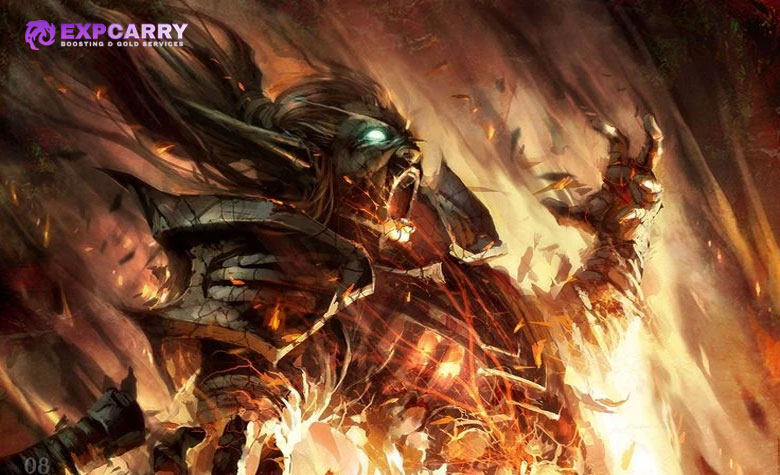
Fury Warrior, Combat Rogue, Destruction Warlock, and Beast Mastery Hunter form the strongest general damage group for Black Temple. The raid includes sustained bosses, target switches, movement, melee cleave opportunities, and encounters where pet control or threat management can change real output. A specialization should be judged across the full nine-boss clear rather than from one favorable parse.
Players who need a stable weekly route through Tier 6 can review the available Black Temple raid service while comparing gearing and roster options. The tier list cannot replace encounter knowledge, correct assignments, or reliable attendance.
Best DPS Choices for Mount Hyjal
Destruction Warlock gains the clearest advantage in Mount Hyjal because its area damage fits repeated large waves. Fury Warrior also performs well when tanks group enemies safely, while Mages, Hunters, and other cleave-capable specializations can contribute strong wave damage. Boss performance still matters, so a raid should not build the entire DPS roster only around trash.
Mount Hyjal also rewards consistency because a failed wave can cost significant time. An organized Hyjal Summit raid run is one option for players whose main limitation is maintaining a reliable Phase 3 roster rather than choosing a specialization.
Personal DPS and Raid Value Are Different
Fury Warrior, Destruction Warlock, Combat Rogue, and Beast Mastery Hunter are strong because their personal throughput is high. Arms Warrior, Survival Hunter, Enhancement Shaman, Shadow Priest, Balance Druid, and Retribution Paladin earn much of their value by improving other players or stabilizing the raid.
This distinction explains why a lower personal parse does not automatically mean a wasted roster slot. It also explains why stacking every support specialization is inefficient. Once the necessary buff or debuff is covered, the next open position usually favors a higher-output option.
Common Phase 3 Tier List Mistakes
- Presenting Phase 2 Anniversary logs as completed Phase 3 evidence.
- Ranking specializations only by their best single-target parse.
- Ignoring Mount Hyjal wave damage and Black Temple cleave.
- Assuming every Combat Rogue will immediately own both legendary blades.
- Using original TBC party-only Bloodlust rules for Anniversary raid planning.
- Comparing a fully geared Phase 3 character with a player entering in Tier 5 equipment.
- Treating a lower tier as proof that the specialization cannot clear the raids.
- Stacking support DPS after their unique contribution is already covered.
- Ignoring player skill, attendance, pet control, threat, and assigned mechanics.
Final Verdict
Fury Warrior, Destruction Warlock, Combat Rogue, and Beast Mastery Hunter lead the Phase 3 projection. Arcane Mage remains strong but loses the overwhelming advantage it held during parts of Phase 2. Arms Warrior, Enhancement Shaman, Retribution Paladin, Survival Hunter, and Affliction Warlock provide reliable damage and important raid contribution.
The best Phase 3 roster is not built from S Tier alone. Black Temple and Mount Hyjal require physical and caster support, mana management, ranged coverage, cleave, area damage, and players who execute mechanics consistently. Use the tiers to compare expected raid value, then adjust for the actual group, gear, encounter, and player behind each specialization.