
Diablo 4 becomes much easier for beginners when you choose a forgiving class, concentrate on one damage strategy, and increase difficulty only when your character can handle it. Necromancer is an excellent first choice for players who want minions and room to learn combat, while Sorcerer suits those who prefer faster movement and active spellcasting. Neither requires a fully optimized endgame build to get started.
The progression path has changed significantly since the launch of Lord of Hatred. The character level cap is now 70 rather than 60, the game has 12 Torment difficulties, and the redesigned skill trees work differently from many older build guides. This guide explains your first class, starter skills, campaign options, equipment, leveling, and transition into endgame. It distinguishes permanent game systems from the current Season of Hell's Legacy so that you can use the core advice beyond one season.
Short answer: Start with Necromancer for a forgiving first character or Sorcerer for mobile spellcasting, then build around one main damage plan and a reliable defensive skill. Level toward 70, follow the campaign or appropriate seasonal progression, and enter harder activities only after your equipment and build can support them.
The Best First Class for a New Diablo 4 Player
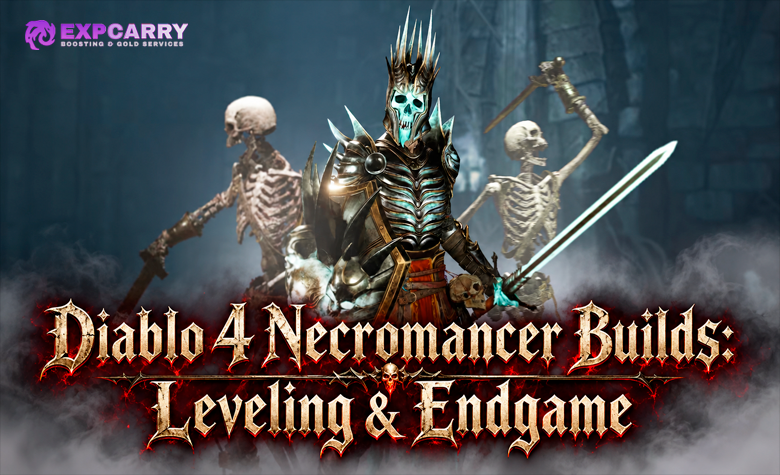
Necromancer is a practical first recommendation because minions can occupy enemies while you learn positioning, attacks, and defensive timing. It offers several approachable ways to play: an army-focused setup, a Blood skill build, or a simpler combination of summons and direct damage. The class is not automatically the strongest in every patch, but its flexibility makes mistakes easier to recover from.
Sorcerer is a strong alternative if you enjoy ranged attacks, rapid clearing, and frequent repositioning. Lightning, fire, and cold skills offer different approaches, and abilities such as Teleport provide mobility that Necromancer generally cannot match. You must pay closer attention to enemy attacks because speed does not replace survivability.
Other classes are worth considering if their playstyles appeal to you. Barbarian rewards players who enjoy close-range combat and managing defensive tools. Rogue emphasizes movement and precise engagements, while Druid offers several nature- and shapeshifting-based approaches. Spiritborn is another mobile option for owners of Vessel of Hatred. Lord of Hatred introduced Paladin and Warlock, giving expansion owners additional holy-warrior and demon-focused choices. Those two classes are part of the expansion, not an automatic unlock for every base-game account. Blizzard outlines the expansion classes in its Lord of Hatred announcement.
For your first character, choose the combat style you enjoy rather than chasing a temporary tier-list winner. A comfortable build that you understand is more useful during the campaign than a complicated setup designed for a fully equipped endgame character.
How to Start Your First Character
Start by choosing between the Seasonal and Eternal realms. Seasonal characters participate in the current season's quests, powers, and progression systems, while Eternal characters remain available for ongoing play without starting again each season. The core combat and progression systems are shared, but seasonal mechanics are not permanent features of every realm.
If you want to experience Diablo 4's story for the first time, playing through the original campaign is a sensible introduction. Players with eligible campaign completion or expansion access may have additional starting and campaign-skip options. Lord of Hatred also has its own campaign, which requires ownership of that expansion. Do not assume that buying the base game automatically grants access to every expansion story or class.
Keep your opening hours straightforward:
- Choose one main damage skill or minion-focused strategy and make your other skills support it.
- Begin on a difficulty where ordinary enemies die at a comfortable pace.
- Follow the available campaign and tutorial systems before trying to optimize every endgame activity.
- Replace clearly outdated equipment, particularly weapons that no longer support your damage.
- Keep at least one defensive or mobility skill available instead of filling every slot with damage abilities.
- Use Legendary Aspects and skill modifiers that reinforce your main combat plan rather than collecting unrelated bonuses.
A focused starter character is easier to improve because you can identify what is missing. If every skill serves a different purpose, it becomes difficult to tell whether slow combat comes from weak damage, poor resource generation, or equipment that does not match the build.
The Best Beginner Builds in Diablo 4
Beginner builds should function with ordinary leveling equipment and have a clear combat loop. You do not need a complete set of Unique items, an optimized Talisman, or perfectly rolled affixes to progress through the early game. The examples below are starting archetypes rather than fixed point-by-point builds, because skill choices and their variants have changed with the redesigned talent system.
Beginner Necromancer Build: Minions and Shadow Damage
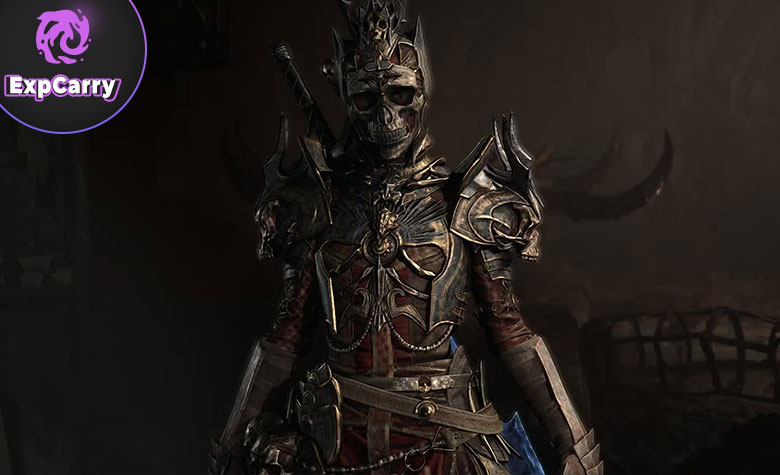
A minion-focused Necromancer is a forgiving way to learn enemy patterns. Use your summoned allies to apply pressure while you add damage with a skill such as Blight and control dangerous groups with Corpse Tendrils. Blood Mist can provide an emergency escape when you become trapped or surrounded.
The most important update is how summoning now works. The old Raise Skeleton setup was changed in the 3.0 skill-tree overhaul. Skeletal Warriors, Skeletal Mages, and Golem are separate skills with their own development choices. Skeletal Warriors are raised through corpses and can be commanded to attack, while Skeletal Mages use Essence. The Book of the Dead still determines minion types and associated choices. Blizzard describes these changes in its official Lord of Hatred systems overview.
- Main strategy: Let your minions provide continuous pressure while you support them with Shadow damage.
- Summons: Develop Skeletal Warriors, Skeletal Mages, or Golem according to the role you want each to fill.
- Control: Use Corpse Tendrils to manage enemy groups when it fits your chosen skill setup.
- Defense: Keep Blood Mist or another practical survival option available.
- Resource management: Watch Essence costs, especially if you rely on Skeletal Mages alongside other resource-consuming skills.
Do not attempt to maximize every minion skill and every damage spell at once. Decide whether your summons provide most of the damage or mainly protect you while another ability kills enemies. That decision makes your skill points, equipment choices, and combat rotation much more coherent.
Beginner Necromancer Alternative: Blood Surge
Blood Surge is a reasonable alternative for players who want to deal damage directly rather than manage an entire minion-focused setup. Its close-range area damage encourages deliberate positioning, so defensive timing and a reliable resource loop remain important. A few supporting minions can help early on, but you do not need to force a full summoner build into the same setup.
- Main damage: Blood Surge and modifiers that reinforce its chosen damage pattern.
- Resource plan: A manageable way to sustain Essence without exhausting it on several expensive abilities.
- Control: Corpse Tendrils when grouping enemies helps your damage and safety.
- Defense: Blood Mist or another suitable defensive choice.
- Support: Select minion skills only when they contribute enough to justify their skill and action-bar investment.
Blood Surge is especially approachable if you prefer pressing a direct attack rather than waiting for summons to finish every encounter. If bosses take too long or you frequently run out of Essence, improve your single-target support and resource management before raising the difficulty.
Beginner Sorcerer Build: Chain Lightning
Chain Lightning is a natural starting point for a Sorcerer who enjoys mobile ranged combat. It can attack groups efficiently, but its performance depends on maintaining enough Mana to keep casting and moving out of danger instead of standing still through enemy attacks.
- Main damage: Chain Lightning with skill modifiers that reinforce your lightning strategy.
- Resource plan: Mana recovery and a sustainable casting rhythm.
- Mobility: Teleport for repositioning and escaping dangerous situations.
- Defense: Ice Armor or Flame Shield, selected according to your available skill slots and needs.
- Support: Add another ability only if it meaningfully improves crowd control, survivability, or damage uptime.
Chain Lightning is not a promise that Sorcerer will outperform Necromancer throughout the entire season. It is an easy-to-understand starting strategy. Practice moving between attacks, preserving your defensive cooldowns for dangerous moments, and avoiding builds that demand more Mana than your current equipment can provide.
Explore services related to this guide, selected from our Diablo IV catalog.
View All Diablo IV Services

How to Survive the Early Game
If ordinary enemies are killing you repeatedly, check your difficulty setting, equipment, and defensive skills before assuming you need a completely different class. Common problems include wearing outdated armor, neglecting life and resistances, entering stronger content too early, and using several damage skills without a consistent way to recover resources.
The first correction is often simple: lower difficulty temporarily, replace weak equipment, and learn which enemy attacks need to be dodged. Moving out of damaging ground effects is more useful than trying to survive them through damage bonuses alone. Use Evade and your class defensive skills deliberately instead of treating them as abilities to press only after your health is almost gone.
Three Habits That Prevent Early Deaths
First, keep one dependable damage loop so enemies do not stay alive longer than necessary. Second, protect at least one movement or defensive cooldown for dangerous situations. Third, pull manageable groups and reposition before elites surround you. Learning these habits early is more valuable than gaining a small amount of damage from equipment that leaves you vulnerable.
| Problem | Likely cause | What to change |
|---|---|---|
| Regular enemies take too long to defeat | Outdated weapon, scattered skill investment, or weak support for the main attack. | Update your damage source and focus modifiers on one primary strategy. |
| Elite enemies kill you quickly | Insufficient defenses, unsafe positioning, or excessive difficulty. | Improve life, armor, resistances, and defensive skill use; lower difficulty if needed. |
| Resources run out constantly | Too many expensive abilities or insufficient recovery. | Reduce competing spenders and improve the resource loop for your main skill. |
| Bosses are much harder than regular packs | Damage focused only on groups or poor ability uptime. | Improve sustained single-target damage and learn boss attack windows. |
| Deaths happen during large pulls | Overcommitting before defensive tools recover. | Fight smaller groups, use movement skills, and avoid dangerous ground effects. |
Stats and Gear Priorities for New Players
Early equipment should improve your main damage plan while keeping you alive. Do not spend too much time comparing small affix differences on items you will soon replace. As difficulty increases, your decisions should become more deliberate, particularly around resistances, damage reduction, skill modifiers, and resource sustain.
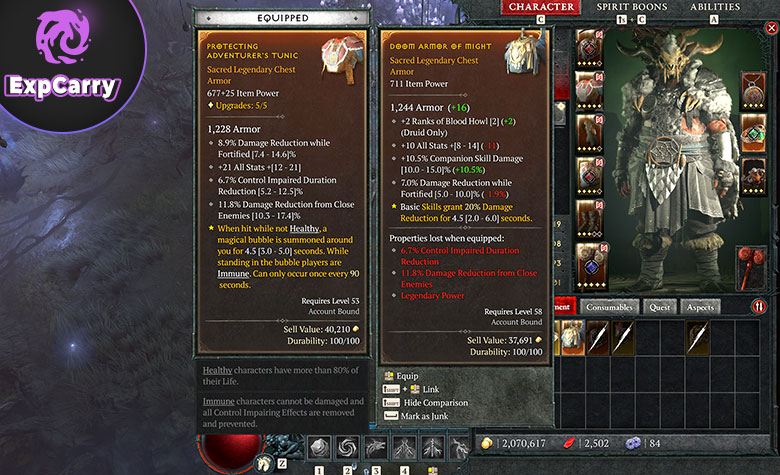
- Weapon and main damage: Replace clearly outdated weapons and choose bonuses that work with your primary skills.
- Life and defenses: Treat survival as part of your build, not a luxury to add after damage.
- Resistances: Review your elemental protection when progressing into more dangerous content.
- Skill modifiers and Aspects: Prioritize effects that work with your actual attack pattern and resource generation.
- Movement and recovery: Mobility, healing, barriers, and other class defenses can make leveling considerably smoother.
- Specialized systems: Develop advanced gear crafting and Talisman combinations when they become relevant, rather than trying to perfect them during your first few levels.
Lord of Hatred also introduced major itemization changes and a Loot Filter. The filter can help you identify relevant equipment and reduce inventory clutter, but a very restrictive setup may hide upgrades while you are still learning item properties. Start with simple rules, then refine them after you know which affixes your build needs.
Difficulty Settings and When to Move Up
Diablo 4's modern difficulty system includes Normal, Hard, Expert, Penitent, and Torment I through Torment XII. Normal and Hard are accessible starting choices; higher difficulties depend on the appropriate progression and unlocks. Do not use older guides that refer to World Tier III or IV as if those were the current endgame difficulty settings.
The right difficulty is the highest setting where you can defeat enemies consistently without spending most of your time recovering, waiting through long fights, or dying. More experience or better possible rewards do not help if your clearing speed collapses. When you are ready to move beyond comfortable leveling difficulties, the relevant difficulty progression becomes part of the path toward endgame.
Torment progression is not a race to XII. Increase it gradually as your damage, defenses, and access to harder content improve. If the next tier turns routine encounters into long, dangerous fights, return to a difficulty where you can farm upgrades efficiently. The same principle applies throughout the game's lifecycle, even when individual builds or rewards change.
Fast Leveling for Your First Character
The fastest practical leveling route for a newcomer is one that combines consistent experience, regular equipment upgrades, and a build that can clear enemies without frequent deaths. For players experiencing the story for the first time, campaign progression offers a structured introduction. Returning players with unlocked campaign skips can choose a more direct activity-based route.
Focus on the activities currently available to your character instead of attempting to unlock everything at once. Helltides, Whispers, appropriate dungeons, and other repeatable content can supplement progression, while seasonal activities offer additional rewards and objectives when you play on the Seasonal Realm. If you are considering character leveling as a separate progression goal, remember that reaching the level cap does not automatically provide the equipment, campaign unlocks, or build knowledge needed for difficult endgame content.
What to Prioritize While Leveling
Keep your main attack upgraded, use the defensive tools available to your class, and choose activities that match your current strength. Completing useful Codex-related objectives can improve your equipment, but a long detour for an unrelated reward may slow your overall progression. Spend enough time in towns to maintain your gear and skills, then return to activities where you can earn experience and upgrades.
Seasonal players should follow the current season's introductory questline when it becomes available. In Season of Hell's Legacy, the seasonal story introduces encounters tied to Diablo, Baal, and Mephisto, as well as seasonal powers and progression. These are not permanent requirements for every Eternal character. Blizzard describes the season's activities in the official Season of Hell's Legacy overview.
Reaching Level 70 and Preparing for Endgame
Level 70 is the current character-level milestone, not level 60 as in older Diablo 4 guides. Reaching it does not mean your character is fully developed: equipment quality, build synergy, Paragon progression, glyphs, and other endgame systems still provide substantial room to improve. Treat the level cap as the beginning of a more focused progression stage.
Do not immediately replace a functional leveling setup with an endgame build that depends on several items you do not own. Instead, identify which new powers you actually need, improve your equipment in stages, and keep your existing resource and defense loop working while you transition. A strong starter build can remain useful during early endgame farming even if it is not the strongest setup for high Torment.
Your First Endgame Routine
Your first endgame routine should make it easy to identify what your character needs next. The Pit remains important for progression and glyph development, while Nightmare Dungeons are useful for equipment and Masterworking materials such as Obducite. Helltides and the Tree of Whispers offer additional ways to obtain rewards through repeatable activities. These sources serve different purposes, so do not treat every activity as interchangeable.
With Lord of Hatred, War Plans provide an additional way to organize endgame activities. Expansion owners can use the system to link activities such as Nightmare Dungeons, Helltides, Infernal Hordes, The Pit, Lair Bosses, and the Undercity into a customized sequence. The system is useful for players who already understand their immediate goals, but you do not need to optimize a complex War Plan before you can clear ordinary endgame content.
When choosing between activities, focus on your current bottleneck. If your damage is weak, prioritize reliable equipment and build upgrades. If your glyphs are underdeveloped, work on content that advances them. If survivability is the problem, improve defenses before pushing another Torment tier. Dungeon progression is most useful when it matches a specific character need rather than being treated as the answer to every problem.
A Simple First Endgame Order
The following order is a flexible checklist, not a list of mandatory activities that must be completed in exactly the same sequence by every player.
- Finish your chosen campaign or introductory progression path and settle on a functioning primary build.
- Reach level 70 while maintaining useful equipment and defensive skills.
- Review your character's current difficulty unlocks and start with content you can clear consistently.
- Use Helltides, Whispers, and suitable dungeons for additional gear and materials.
- Develop Paragon and glyphs through the relevant progression systems, including The Pit.
- Use War Plans if you own Lord of Hatred and want to organize several endgame activities together.
- Advance into higher Torment difficulties only when your damage and defenses support them.
When to Change From a Starter Build to an Endgame Build
Switch when you have the pieces that make the new build work, not simply because you reached a particular level or watched a powerful demonstration. The key requirements may include a specific Unique, an important Legendary Aspect, a skill variant, a reliable resource engine, or enough defensive support to survive while dealing damage.
Lord of Hatred changed skill trees, item powers, and crafting options substantially. For Necromancer in particular, older recommendations that assume one Raise Skeleton skill controls the entire army are outdated. Check the actual skills and variants available to your character before copying an older setup. If you are planning build preparation around an endgame target, confirm which components are available now and which still need to be acquired.
Keep your starter build if it clears content smoothly. Transition gradually, replacing individual pieces when their benefits are clear. A build that performs reliably with your current equipment is better than a theoretical top-tier setup that runs out of resources, lacks defense, or requires an item you have not obtained.
The Most Common Diablo 4 Beginner Mistakes
Many early problems come from doing too many things before understanding the systems that support them. The most common mistakes are avoidable:
- Following a level-60 guide: The character cap is now 70, and current Torment progression has more difficulty tiers.
- Copying an obsolete skill tree: The 3.0 overhaul changed many skill choices, including how Necromancer summons work.
- Ignoring expansion ownership: Some classes, campaigns, and systems require Vessel of Hatred or Lord of Hatred.
- Using too many unrelated attacks: Damage skills that do not support one another produce inefficient combat loops.
- Raising difficulty too soon: Slower fights and repeated deaths can erase the benefit of better rewards.
- Neglecting defenses: Weapon damage is important, but life, resistances, movement, and defensive skills determine whether you survive.
- Switching to an endgame build too early: A powerful setup may depend on Uniques, Aspects, or resource solutions you do not yet have.
- Confusing endgame activities: The Pit and Nightmare Dungeons serve different upgrade purposes; use each for the rewards you need.
- Treating seasonal mechanics as permanent: Season-specific powers and quests may not exist for Eternal characters or in later seasons.
The Best Beginner Path in One Straight Line
Choose Necromancer if you want a forgiving start, or Sorcerer if you prefer active, mobile combat. Select the appropriate realm and campaign starting point, then build around one primary source of damage. For Necromancer, a focused minion setup or Blood Surge approach can work well; for Sorcerer, Chain Lightning provides a straightforward ranged option. Keep one reliable defensive ability, maintain your equipment, and stay on a difficulty where progress feels steady.
Continue toward level 70 while learning the campaign, season, and crafting systems available to your account. Once there, farm upgrades through activities you can clear consistently, use The Pit and other relevant systems to advance your build, and enter harder Torment levels gradually. Check Blizzard's live Diablo IV patch notes when a guide's skill or progression instructions conflict with what you see in the game.
Final Thoughts
A good first Diablo 4 character needs a clear damage plan, enough defense to recover from mistakes, and a progression path that matches the current game. Necromancer remains an approachable recommendation, while Sorcerer suits players who want faster and more active combat. The redesigned skill trees and expanded class selection provide plenty of alternatives without requiring newcomers to master every system immediately.
Focus on a comfortable journey to level 70, then build power through repeatable endgame activities rather than rushing into the highest difficulty. The most useful beginner strategy is not a perfect build copied from someone else's character. It is a reliable setup that you understand well enough to improve as your equipment, skills, and experience grow.