



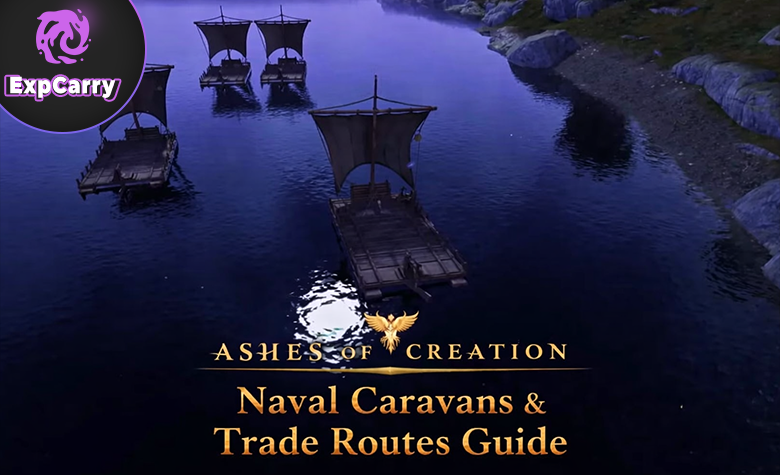
Ashes of Creation naval caravans are the water-capable version of the caravan loop, built for players who like short, high-stakes runs with clear objectives: load cargo, pick a route, manage risk, and cash out. In practice, “naval” here usually means a raft caravan, a standard caravan that can transition into a water raft at land and water intersections so you can cut distance, dodge road camps, or use rivers and coastlines. It also means you are choosing a different kind of danger, because water routes create their own choke points, scouting problems, and “no place to hide” moments once you get spotted in open sightlines.
This guide explains how naval caravans and trade routes fit together, what a good route actually looks like, and how to run clean deliveries without turning every trip into a coin flip. The focus is practical planning, not a thin list of terms. You will get role templates, route logic, and habits that reduce losses, improve consistency, and make your runs feel intentional instead of improvised. Because Ashes of Creation is still being tested and tuned, treat the specifics as a working snapshot and the habits as the part that stays reliable across iterations.
What Naval Caravans and Trade Routes Add
Naval caravans change the caravan game because they widen your routing options and raise the value of information. A land-only run is often about roads and predictable choke points. A water-capable run is about intersections: where you enter the river, where you exit, and where enemies can realistically intercept you before you can reset. This is why naval caravans feel more “route puzzle” than “road race.” The group that chooses smart water transitions and scouts ahead usually wins more gold over time than the group that simply goes the shortest line on the map. The group that chooses smart water transitions and scouts ahead usually wins more gold over time than the group that simply goes the shortest line on the map. If profit is the goal, compare the run against AoC Gold before you commit.
Trade routes are the bigger political and economic layer around these runs. In Ashes of Creation, trade agreements can be established by mayors to move settlement commodities between settlements via mayoral caravans, and the broader caravan system is meant to create conflict around movement and value in the open world. Even if you are mostly running personal profit deliveries, trade route activity still matters because it pulls players into the same corridors, at the same times, for similar reasons. Where the population goes, gank squads go. Where gank squads go, escort demand and counterplay emerges. Where gank squads go, escort demand and counterplay emerges. That is where Caravan Escort becomes relevant for larger groups. That is the ecosystem you are operating in, whether your cargo is “official” or just your own profit run.
Naval Caravan Basics
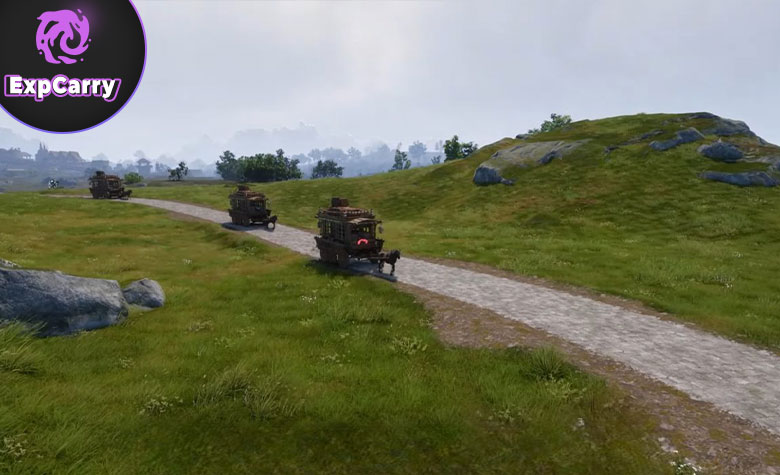
A naval caravan run has three phases: setup, transit, and cash-out. Most failures are not “we lost a fair fight,” they are planning failures that made the fight unavoidable or forced you into it on bad terrain. Setup is where you decide your win condition, your risk tolerance, and your exit plan. Transit is where you protect momentum, deny easy engages, and avoid getting split. Cash-out is where teams get sloppy, because they relax near the end and forget that ambushes cluster near hand-in points and transition points.
The core idea: transitions are your real checkpoints
If you remember one thing, remember this: your dangerous moments are not evenly spread across the route. They spike at transitions and predictable narrow sections. The easiest way to improve consistency is to treat every transition like a mini objective:
- Arrive together, not in a line.
- Scout 10 to 20 seconds ahead, then commit as a group.
- If the transition is hot, do not trickle. Either reset and re-approach, or force one clean push with cooldowns.
Cargo discipline beats “just go fast”
Speed matters, but only after you remove the mistakes that cause losses. Naval caravans punish panic steering, overextending escorts, and late scouting. If the caravan is a raft, the water itself can become a trap if you get pinned in a narrow section or lose control of spacing. Build your run around calm decisions: fewer sharp turns, fewer split calls, and fewer “one person goes to check” moments that turn into a staggered death.
Route Planning: Rivers, Coasts, and Mixed Runs
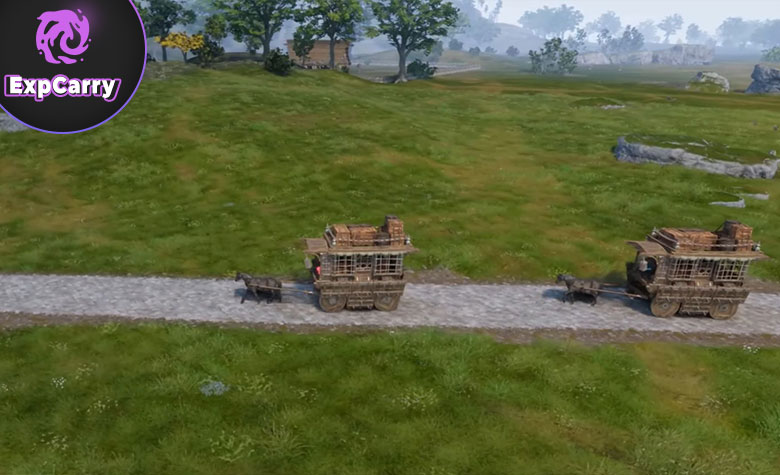
Naval routing is about choosing where you want to fight, not whether you will fight. You are picking the terrain that favors your group and your tools. Water has fewer corners, fewer buildings, and fewer line-of-sight tricks, so once you are spotted you often have to win the engagement through spacing, crowd control, focus fire, and clean target swaps. Land has more cover and more options to peel, but also more common camp spots and more “invisible” angles for intercepts.
Three practical route archetypes
Use these as mental templates, then adjust based on population and what your scouts report.
- River shortcut run: Shorter distance and fewer road camps, but higher risk at entry and exit points.
- Coastal run: More open visibility and usually more time to react, but also easier for enemies to track and shadow you.
- Mixed run: Land start into water mid-route, then land again near the destination. This is often the most consistent option because it spreads risk across multiple decisions instead of one big commitment.
Scouting rules that keep runs clean
Scouting is not “ride far ahead and hope.” Scouting is a timed loop that feeds decisions. A good scout is close enough to return quickly and far enough to see trouble before the caravan is committed. On water, this matters even more, because open sightlines reduce the number of “surprise” outplays you can rely on once a fight starts.
- One scout plays 10 to 20 seconds ahead of the caravan and checks the next transition.
- One flank watcher plays wide and looks for riders shadowing the route.
- If either scout sees a group, the default call is “slow, stack, decide,” not “push anyway.”
Trade Routes and Why They Matter for Your Runs
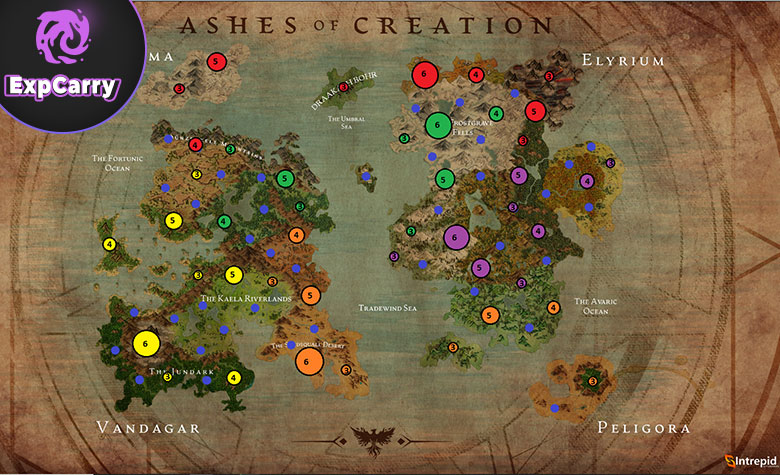
Trade routes shape traffic. When mayoral trade agreements and settlement activity push more commodity movement, certain paths become busy and predictable. Busy paths create opportunity, but they also create pressure, because attackers know where to wait and which transitions are “worth” camping. If you keep getting hit, it is often not because you are unlucky. It is because you are running the route everyone else is running at the same time window, or you are committing into the same obvious transitions without checking them.
Even if you are focused on personal profit, watch the world and adjust your schedule. Run earlier, run later, or run a less popular transition. Consistency is not only mechanical skill, it is choosing the hour and corridor where the risk profile matches your group, and where you can control the first contact instead of reacting late.
A simple “traffic reading” checklist
- If you see repeated PvP icons and skirmishes in the same zone, assume an organized group is farming that corridor.
- If multiple caravans are launching from the same origin, do not be the fourth one in the line. Stagger.
- If the destination area is crowded, treat the final approach like a transition checkpoint.
Roles and a Simple Team Template
The cleanest caravan groups assign jobs. Random “everyone escorts” usually turns into “no one scouts” and “someone chases” and then the caravan gets isolated. Keep it simple: driver, point scout, peel, and finisher. On raft segments, add one more mental rule: nobody free-roams so far that they cannot be back on the caravan in a few seconds, because water punishes long, disconnected skirmishes.
Role templates
- Driver: Prioritizes safe lines and smooth movement. Does not tunnel on enemies. Calls slowdowns and stacks.
- Point scout: Checks the next transition and reports numbers and direction. Avoids starting fights alone.
- Peel and control: Saves crowd control for enemy engage windows and for stopping burst on the driver.
- Finisher and denial: Punishes overextensions, secures kills, and prevents re-engage.
If your group has limited control, your best defense is spacing and early decision-making. If your group has strong control, you can bait engages at good terrain and punish hard. Either way, commit as a unit. Staggered fights lose caravans, and staggered re-engages lose even more cargo than a clean reset call.
Crates, Last-Mile Logistics, and How Not to Throw the Run
Caravan runs rarely end when you “arrive.” They end when you successfully complete the hand-in or sale loop. That last mile is where many groups throw, because they assume safety is guaranteed. Treat the final approach like a transition: scout it, stack for it, then finish.
Also remember that Ashes of Creation has a broader logistics direction beyond only driving from A to B. Cargo handling, transport options, and related systems are still being iterated during testing, so specific interactions can shift over time. The practical lesson is simple: keep your plan modular. If a build changes how cargo is handled, how inventory interacts with transport, or how vehicles and routes behave, your core decision loop should still hold: scout, stack, commit.
The three most common throw patterns
- Relaxing early: The group spreads out near the end and loses the driver to a clean stun chain.
- Chasing too far: One or two players chase a low health target and leave the caravan exposed to a second wave.
- Transition tunnel vision: Everyone watches the fight and nobody watches the route, so a flank group lands behind you.
Naval Caravans at a Glance
Use this table as a quick planning reference. It is not a rigid ranking. It is a way to choose a route style that matches your group strengths and your risk tolerance. “Naval” in this context means raft caravans, not merchant ships, so the pressure points listed here focus on transition control and open-water visibility.
| Route style | Main pressure point | Most common failure | Best habit | Group strengths |
|---|---|---|---|---|
| River shortcut run | Entry and exit transitions | Commitment into a hot transition | Scout, stack, then push together | Control, burst, fast regroup |
| Coastal run | Being tracked and shadowed | Getting slowly surrounded | Wide flank watch and early turn-offs | Range pressure, anti-stealth tools |
| Mixed run | Multiple decision points | Indecision and split calls | Pre-plan transitions and commit fast | Balanced comps, consistent comms |
| High-traffic trade corridor | Predictable choke points | Running on peak hours | Stagger timing and avoid “caravan trains” | Numbers, disciplined escort play |
Weekly Plan: Profit Runs, Practice Runs, and Trade Route Awareness
Naval caravans reward consistency more than hero moments. The easiest way to improve is to separate your week into practice runs and profit runs. Practice runs are where you try new transitions and learn what gets camped. Profit runs are where you execute only the patterns that have been stable for you. Mixing the two is how people end up saying “caravans are always a gamble.” They are not always a gamble, but they are always a choice, and in a living server economy, the choice that matters most is when and where you choose to be visible.
Two templates: casual week and efficiency week
A casual week template focuses on learning without stress. Run shorter mixed routes, keep the same roles, and track what corridors feel hot. An efficiency week template focuses on stacking advantages. Run during lower traffic windows, use scouts every time, and treat transitions like objective phases. If you do that, your average profit per hour rises even if you take slightly longer routes, because you lose fewer deliveries, and you spend less time recovering from wiped runs.
- Practice twice a week: test one new transition point and record whether it is camped.
- Profit two to four times a week: run only your most consistent mixed route with full role assignments.
- Optional: watch trade corridor activity and avoid peak caravan trains if you cannot outnumber attackers.
Conclusion
Naval caravans and trade routes are one of the clearest expressions of what Ashes of Creation is trying to be: an MMO where the economy is not a menu, it is movement, conflict, and decisions made in the world. A “good” run is not only about damage or gear. It is about planning a route that fits your group, choosing the moments where you are willing to fight, and denying enemies the easy engagement they want. When you treat transitions like checkpoints, scouting like a real job, and the final approach like a high-risk phase, your delivery success rate climbs fast.
Trade routes matter because they shape player gravity. When mayoral trade agreements and settlement commerce concentrate commodity movement, you get more escorts, more ambushes, more counter-ambushes, and a more active market loop. That means your best strategy is rarely “always take the same path.” Your best strategy is to read traffic, adjust timing, and run a route archetype that matches how your group wins fights. If you are strong at control and coordinated bursts, you can punish intercepts. If you are strong at spacing and awareness, you can avoid bad fights entirely. Both styles work, and both become more reliable the more disciplined you are about roles and transitions. Most importantly, naval caravans reward consistency and composure. Every clean run reinforces the same habits: scout early, stack before committing, protect the driver, and stop chasing. Do that for a week and the system stops feeling random. It starts feeling like a repeatable loop you can refine, one route decision at a time, while the world around you changes and responds. That is the real appeal of naval caravans in Ashes of Creation: they turn travel into gameplay, and gameplay into a story you earn through choices, teamwork, and smart risk.