
Every ARC enemy in ARC Raiders is easier to handle once you stop treating it like a health bar. Read the armor first: bright yellow parts are priority weak points, matte white surfaces are vulnerable plating, and shiny dark-gray armor is a poor place to waste low-penetration shots. The current live build is Update 1.39.0, released on July 28, 2026; it fixed inconsistent Seeker and Wolfpack Grenade damage but did not introduce a new ARC unit. This guide covers the active enemy roster, where to aim, when to disengage, and the practical counters that keep a routine patrol from becoming a lost raid.
ARC weak-point rules: what the colors mean
The fastest way to make correct decisions under pressure is to recognize ARC plating before you fire. The general visual rule applies to nearly every machine, from a Wasp to a Matriarch:
| Visual cue | What it means | Best response |
|---|---|---|
| Bright yellow component | Direct weak point | Prioritize it immediately; reposition rather than shooting armor. |
| Matte white plating | Unarmored or lightly protected surface | Use it when the yellow weak point is hidden or difficult to reach. |
| Shiny dark-gray plating | Armored surface | Use a weapon with stronger ARC armor penetration, explosives, or strip the plate before committing more ammo. |
| Glowing red core | High-value exposed boss vulnerability | Commit focused damage, but only from cover and with an exit route. |
Scanner color also tells you how urgent the situation is. Blue means a machine is patrolling, yellow means it is investigating suspicious activity, and red means it has identified a target and entered combat. If a patrol is yellow rather than red, breaking line of sight and moving quietly is often better than starting a fight that broadcasts your position to nearby Raiders.
Core rule: small targets can usually be handled with your normal weapon. Armored elites and bosses are different. Bring a reliable anti-ARC option, explosive utility, and enough healing before deliberately hunting them. A PvP-first kit with no answer to heavy plating can turn an otherwise winnable fight into a long, loud trap.
All ARC Raiders enemies and their best counters
Small ARC enemies
| Enemy | Threat | Weak point or opening | Best counter |
|---|---|---|---|
| Snitch | Alarm and reinforcements | Thrusters | Destroy it immediately before it alerts nearby ARC. |
| Wasp | Light flying attacker | Thrusters | Short controlled bursts; avoid spraying while it changes altitude. |
| Hornet | Harder-hitting flying attacker | Rear thrusters | Use cover, then shoot the rear when it commits to an angle. |
| Tick | Close-range latch and disruption | Fragile body | Listen for it, shoot it quickly, and Dodge Roll if it latches on. |
| Pop | Proximity explosion | Fragile body | Back away, climb if possible, or bait its detonation without trapping yourself. |
| Fireball | Flame area denial | Inner core exposed while attacking | Wait for its attack opening, hit the exposed center, then move out of the lingering fire. |
Snitch
The Snitch is low durability but high priority. It is dangerous because it turns a quiet route into an ARC response zone. Shoot its thrusters as soon as you identify it, preferably before engaging anything else nearby. Do not chase it into open ground if you miss the first window; take cover first, then finish it when you have a clean angle.
Wasp and Hornet
Wasps are routine targets, while Hornets demand more respect because their focused fire can quickly drain shields. Both are most vulnerable around their flight hardware, but Hornets are especially awkward when they hover above an exposed route. Use a roofline, doorway, overhang, or large object to deny their first firing lane. When the Hornet repositions, take the rear-thruster shot instead of trying to win a damage race in the open.
If a Bastion, Bombardier, or Leaper has a Wasp/Hornet escort, clear the flying units before committing to the heavy target. Their chip damage and visual pressure make it much harder to line up leg-joint or rear-canister shots.
Tick, Pop, and Fireball
These three punish panic more than poor damage. Ticks are often heard before they are seen, so react to the sound and do not let one force you out of a safe position. Pops are explosive hazards: create space instead of trying to melee-range them. Fireballs are heavily protected until they open to attack; bait that animation, hit the exposed inner section, and immediately leave the burning ground.
Vertical terrain is particularly useful against Pops and Fireballs. A ledge, vehicle, or raised structure can buy enough time to reset without spending valuable ammunition.
Standard and specialist ARC enemies
| Enemy | Main danger | Weak point | Best counter |
|---|---|---|---|
| Turret | Fixed firing lane | Protected body; vulnerable when pressured from cover | Bait shots, use hard cover, then hit it with armor-piercing fire. |
| Sentinel | Long-range precision fire | Yellow arm canister | Break line of sight when its firing cue appears, then peek for the canister. |
| Surveyor | Fast escape and valuable loot | Opening during laser use | Stun or use explosives; do not let it escape for free. |
| Shredder | Mobile indoor pressure | Thrusters | Fight from solid cover; heavy rounds and grenades are effective. |
| Comet | Charge and self-destruction blast | Inner machinery when it opens; side armor can be stripped | Maintain distance, use automatic fire, and dodge sideways before detonation. |
| Firefly | Persistent airborne flame attack | Yellow fuel canister; thrusters | Get inside substantial cover, use a Photoelectric Cloak to break pressure, or use a Lure Grenade to create an escape. |
| Spotter | Target designation for artillery support | Small fragile body | Eliminate it before it establishes target lock. |
Turret and Sentinel
Turrets and Sentinels both punish predictable peeks. Do not stand in the lane trying to out-DPS them. Trigger the attack from cover, wait for the firing window to end, then return fire from a different side of the object. For Sentinels, the yellow canister on the arm is the efficient target. Its beam and charge cues are your signal to stop peeking, not a signal to rush it.
Surveyor
The Surveyor is less of a survival threat than an opportunity threat: it can flee before you convert the encounter into loot. Its vulnerability appears while it uses its laser. Explosives and stun tools are valuable because they extend the damage window; if you lack those tools, shoot only when you have a clear opening instead of following it into exposed terrain.
Shredder
Shredders are much more dangerous when you fight them without cover, especially in confined locations. Their thrusters are the key target. Start the fight from a doorway, a room with a solid wall, or another position that lets you break line of sight on demand. Avoid chasing a Shredder through interior corridors where it can force you into close-range crossfire with another squad.
Comet
The Comet is a heavily armored rolling explosive ARC. It opens slightly under pressure, exposing inner machinery, and its side plating can be stripped to improve your damage. Automatic weapons are particularly useful because the opening is brief and rapid shots are more forgiving than a slow, high-damage weapon.
Do not stack on one side of a Comet in a group. It wants to reach the middle of clustered Raiders before detonating. Spread out, force it to choose a target, and dodge laterally rather than retreating in a straight line. If you cannot safely keep distance, abandon the kill; a Comet is not worth a squad wipe in a contested area. Embark’s official Firefly and Comet combat guide confirms the opening, side-plating, automatic-fire, and spacing advice.
Firefly
Fireflies are one of the most punishing threats for a solo Raider because they can pressure you out of weak cover and keep tracking your movement. The yellow fuel canister is the damage priority, with its thrusters as another useful target. The important counter is positional: get indoors or behind substantial hard cover. Running through open ground usually gives the Firefly the exact chase it wants.
A Photoelectric Cloak can break its pressure and create space, while a Lure Grenade can redirect its attention long enough to rotate. Neither tool makes you invincible; use the opening to reach a building, heal, reload, or leave the area. If you stay outside trying to force a difficult canister shot, you are still playing the Firefly’s fight.
Spotter
Spotters are priority targets whenever a Bombardier is present. They help establish the artillery threat that makes open terrain lethal. Kill the Spotter before challenging the heavy machine, then use vertical cover and interior routes to avoid bombardment. Seeker Grenades are a practical answer when the Spotter is hard to see or keeps moving behind cover.
Heavy ARC enemies: weak points and safe kill plans
| Enemy | Primary weak points | Recommended counter | Do not do this |
|---|---|---|---|
| Bombardier | Yellow leg joints; rear canister | Heavy anti-ARC fire, explosives, clear Spotters first | Fight in open ground or stand near its shockwave range. |
| Bastion | Yellow leg joints; rear canister | Stun tools, rear angle, cover loop | Stand in front of its weapon while trying to strip armor. |
| Leaper | Yellow leg joints; eye | Explosives, stuns, doorway or narrow-building cover | Fight it in a wide-open field without a reset point. |
| Rocketeer | Thrusters; area above scanner; rear canister | Destroy thrusters, use cover between missile volleys | Stay visible after the first rocket warning. |
| Vaporizer | Thrusters; area above scanner | Time grenades around its shield, use cover against laser fire | Throw utility directly into its active shield. |
| ARC Turbine | Spinning vulnerability while landed | Wait for the landing window; watch for mines and missile pressure | Force damage while it is airborne and controlling the area. |
Bombardier and Bastion
Bombardiers and Bastions share the same basic answer: yellow leg joints and the rear canister. The difference is how they control space. A Bombardier makes open terrain unsafe through artillery pressure, while a Bastion is slow but can rapidly punish anyone in its weapon arc.
For both machines, clear Spotters and flying escorts first if they are actively contributing. Then establish a cover loop: one position to shoot from, a second position to retreat to, and a route that does not cross open ground. Heavy-ammo weapons, explosives, Wolfpack Grenades, and disabling tools such as Hornet Drivers or Showstoppers are common high-value answers, but use utility only when the team has a safe burst window.
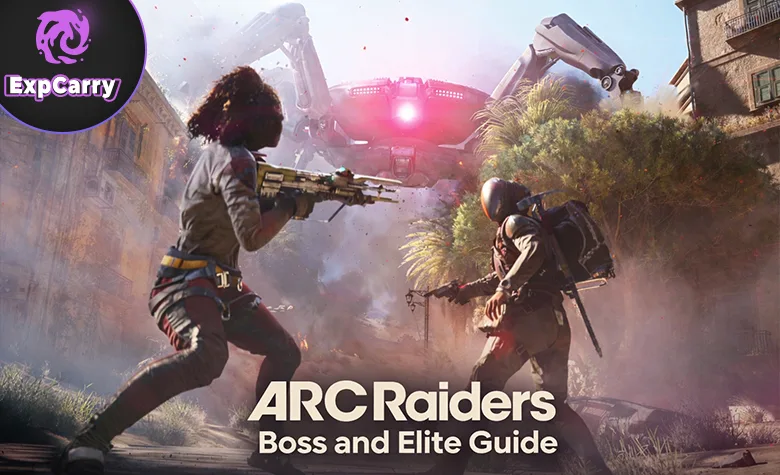
With a Bastion, create a rear or side angle rather than dueling its front. With a Bombardier, prioritize terrain that blocks incoming artillery and never remain close enough to be caught by its shockwave. For more coordinated boss and elite planning, see the ARC Raiders Boss and Elite Guide.
Leaper
The Leaper’s yellow leg joints and eye are the targets that matter. It is especially dangerous because it can rapidly close distance and disrupt a team’s firing line. Explosives are strong here, but positioning is the real counter. A doorway or compact structure that the Leaper cannot comfortably move through creates a safer angle for leg shots and buys time to heal or reload.
Do not confuse a temporary safe angle with a permanent one. A Leaper fight is loud and can attract Raiders. If you lose cover, run low on healing, or hear a player team rotating in, disengage before the situation becomes a three-way fight.
Rocketeer and Vaporizer
Rocketeers and Vaporizers are airborne threats with vulnerable thrusters and a weak area above the scanner. The Rocketeer’s rear canister is another useful target; removing thrusters can destabilize it and make follow-up damage safer. Its counterplay is simple but strict: use cover between volleys and never remain in the same exposed position after it has your angle.
Vaporizers demand more patience because their laser pressure and defensive shield can deny thrown utility. Wait for its shield to drop before committing grenades. If the fight is happening near a building, use interior cover to reset line of sight rather than trying to outtrade a laser in the open.
ARC Turbine
The ARC Turbine is the floating machine introduced with the Riven Tides update. It creates a distinct encounter because its meaningful vulnerability is available while it has landed, when its spinning weak point can be accessed. Until then, it can pressure the area with cluster attacks and proximity mines.
Do not rush an ARC Turbine just because you see it. Check the ground for mines, identify a cover route, and wait for the landing opportunity. It is a high-noise target on Riven Tides, so treat every long engagement as a potential PvP beacon. Embark later increased ARC Turbine loot in Update 1.36.0, reflecting the danger and effort involved in the fight.
Explore services related to this guide, selected from our ARC Raiders catalog.
View All ARC Raiders Services
Boss enemies: Queen and Matriarch
Queen and Matriarch fights are not ordinary PvE encounters. Their armor must be stripped before their glowing red core becomes the main damage target, while yellow leg weak points provide safer opportunities during the fight. Their stomps and pressure tools can collapse a team that has no room to reset.
Queen
Against a Queen, remove armor plates where your team has a safe angle, use yellow leg points whenever the core is unavailable, and focus the red core only when it is exposed. Do not stand under it or group tightly around one piece of cover. Keep separate lanes so a single stomp or push does not force the entire squad into the same bad retreat.
Matriarch
The Matriarch follows the same core pattern: strip armor, work yellow leg vulnerabilities, then punish the red core during its exposure windows. Matriarch appearances are tied to the Matriarch map condition, so check the current map-condition schedule before building a boss-hunting raid around it. The official map-condition page tracks which conditions are active and upcoming.
For either boss, make the extraction decision before the final damage phase. If another squad arrives, a teammate is down in an open lane, or your healing and ammunition are nearly exhausted, secure what you can and leave. A boss kill has no value if the team cannot extract the parts afterward.
Best anti-ARC loadout principles
You do not need to bring the most expensive kit to every raid, but your loadout should match the enemy pressure you expect. The right answer changes based on map, condition, squad size, and whether your main goal is PvP, loot, or boss materials.
- Budget exploration kit: a controllable primary weapon, enough healing and shield recovery to reset once, and one movement or escape tool. Avoid picking heavy fights unless the target blocks your route.
- Mixed PvPvE kit: a flexible primary plus a weapon or ammunition type that can reliably damage armored ARC. Carry at least one throwable for a panic reset, exposed flying unit, or short damage window.
- Elite-hunting kit: stronger ARC armor penetration, explosives or Wolfpack Grenades, full healing, shield recovery, and a clear retreat option. Do not spend all utility before the machine exposes its useful weak point.
- Solo kit: prioritize cover access and disengagement tools over maximum theoretical damage. A Photoelectric Cloak is especially valuable against Fireflies and when a loud ARC fight attracts Raiders.
- Squad kit: divide jobs: one player controls flying escorts, one applies anti-armor damage, and one maintains a safe angle to revive or cover the retreat. Three players shooting gray armor is not teamwork.
Weapon choice should be based on the job, not a universal tier label. For a current overview of practical PvP and PvE weapon roles, read the ARC Raiders weapons and gadgets guide. If a fight becomes a player-versus-player standoff after the ARC is engaged, apply the same cover, exit-lane, and disengage principles from our ARC Raiders PvP positioning guide.
Common ARC-fight mistakes that lose raids
- Shooting dark-gray armor with the wrong weapon. Reposition for yellow components, white plating, a rear angle, or an exposed core instead.
- Fighting every patrol. A kill that costs ammunition, healing, time, and stealth is not automatically profitable. Leave patrols that do not block your route or objective.
- Ignoring escorts. Hornets, Wasps, and Spotters often decide heavy fights. Remove the unit that is denying your safe firing position.
- Using all explosives at the start. Save burst tools for a stun, landing phase, exposed canister, or core window.
- Standing together against explosive threats. Comets, Bombardiers, and boss stomps punish stacked teams. Create separate firing lanes with a shared retreat direction.
- Forgetting that ARC fights advertise your location. Reload, heal, and reposition after the kill instead of immediately looting in the open.
- Chasing a fleeing target into a bad area. A Surveyor, Snitch, or damaged flyer is not worth crossing an exposed street or losing your extraction timing.
Final priority order for ARC encounters
- Identify the machine and read its scanner state.
- Find hard cover and keep an exit route.
- Remove the unit that creates the most immediate pressure: Snitch, Spotter, flying escort, or close-range explosive threat.
- Target yellow weak points, exposed white plating, rear canisters, thrusters, or cores instead of gray armor.
- Use grenades and stun tools only when they create a real damage window.
- Stop fighting when the raid becomes too loud, too exposed, or too costly.
- After the kill, loot quickly, check for third parties, and rotate toward extraction.
For a broader plan covering map selection, loot routes, progression, Trials, and extraction decisions around the current six-map pool, use the ARC Raiders full progression guide. If repeated elite or boss encounters are stopping your progression, ExpCarry also offers optional ARC Raiders carry and farming assistance; it is not required, but it can help players who want guided support for difficult PvE objectives.