




Gold in Old School RuneScape is not just a number in your bank. It controls your gear, training speed, supplies, quest progress, boss access, membership through Bonds, and your ability to stop playing like every death is a personal financial scandal. The best way to make money in OSRS is not one magic method. It is a staged system: build passive income, unlock better account progression, choose one repeatable active money maker, then move into PvM, raids, high-requirement skilling, or Sailing methods once your account can support them.
The useful answer is simple, which naturally means many players avoid it. If your account is weak, stop chasing endgame GP rates from YouTube thumbnails and build a stable base through herb runs, birdhouse runs, seaweed runs, early skilling, quests, and beginner PvM. If your account is midgame, move into Perilous Moons, Barrows, Vorkath, Zulrah, Phantom Muspah, Hueycoatl, Wilderness bosses, Slayer bosses, Zalcano, and conservative Grand Exchange flipping. If your account is endgame, the best OSRS money makers are raids, Nex, Fortis Colosseum, DT2 bosses, Araxxor, high-level Sailing routes, and other content where gear, mechanics, and consistency matter more than pretending one lucky drop is your hourly rate.
OSRS Money Making Starts With Account Progression
The biggest reason players stay poor in OSRS is that they treat money making like a panic button instead of part of account progression. They burn gold on training methods they cannot afford, buy gear they do not need, sell useful items at a loss, and jump between methods before learning any of them properly. Then they blame the game economy, because personal responsibility remains mankind's least trained skill.
A good money-making plan should do three things at once. It should give you cash now, unlock better cash later, and avoid trapping you in dead-end grinds that do nothing for your account. That is why the best early GP methods are not always the methods with the biggest number on a wiki table. A method that makes steady money while training a useful skill, unlocking quests, or preparing you for bossing can be better than a slightly higher-profit method that leaves your account exactly as weak as before.
Gold per hour is not the only number that matters
Profit estimates in OSRS change constantly because Grand Exchange prices move, supply costs change, new updates shift demand, and rare drops distort averages. A boss listed at strong GP per hour can feel terrible if most of that profit comes from rare uniques and your actual hour is just supplies, bones, and disappointment. Meanwhile, a boring method like herb runs can quietly fund your account for months because it pays regularly and requires little active time.
The smarter way to judge a method is by reliability, requirements, learning curve, risk, death cost, and whether it helps your account grow. Vorkath, Zulrah, Phantom Muspah, Perilous Moons, herb runs, birdhouses, seaweed runs, Barrows, Zalcano, and The Gauntlet are popular because they are repeatable and useful for progression. Raids, Nex, DT2 bosses, Araxxor, Sailing routes, and Fortis Colosseum can crush them in long-term profit, but only after your account, gear, and mechanics stop looking like a public service warning.
Best Low-Level OSRS Money Makers Before Bossing
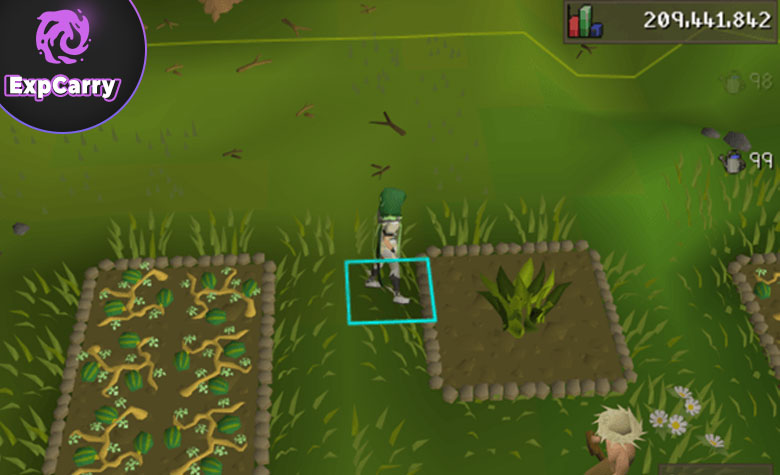
Low-level accounts should focus on methods with low setup cost, low death risk, and useful unlocks. This is not the stage where you try to brute-force elite PvM with budget gear and optimism, the cheapest combat potion in Gielinor. Your goal is to build a first real cash stack, unlock membership value, and train toward the quests and stats that open better methods.
The best early path is usually a mix of passive income and simple active money. Herb runs, birdhouse runs, seaweed runs, low-level processing, early skilling, clue scrolls, and certain Wilderness methods can all work. The exact profit depends heavily on prices, but the principle stays stable: do not rely on one method only. Rotate between several simple earners so a market crash does not turn your entire plan into a cabbage investment portfolio.
| Account stage | Best money focus | Good methods | Main risk |
|---|---|---|---|
| Fresh or very low-level | First cash stack and basic supplies | Simple gathering, processing items, low-level skilling, easy clue scrolls, quest rewards | Bad margins and slow account growth |
| Early members | Passive income and useful unlocks | Herb runs, birdhouse runs, seaweed runs, early Farming, early Hunter, basic flipping | Ignoring quests, teleports, and transport unlocks |
| Low combat with some stats | Safe repeatable GP | Barrows, Perilous Moons preparation, low-risk Slayer, Wilderness Agility Course, clue scrolls | Over-risking in the Wilderness or wasting supplies |
| Approaching midgame | Questing into real PvM | Dragon Slayer II path, Regicide path, Song of the Elves path, Secrets of the North path, Varlamore unlocks | Buying gear before unlocking profitable content |
Herb runs, birdhouse runs, and seaweed runs as the first GP engine
Herb runs are one of the cleanest ways to stop being broke because they do not demand long active sessions. You plant profitable herbs, use compost properly, collect the yield, and repeat between other activities. Birdhouse runs do the same kind of work for Hunter: low active time, steady resources, and useful progression. Seaweed runs are another strong habit for accounts planning Crafting, passive materials, or steady Grand Exchange sales.
This setup works especially well because it scales with your account. Better teleports, diaries, Farming level, patches, Fossil Island access, and transport unlocks make each run smoother. Even when the active hourly rate looks inflated because a run only takes a few minutes, the practical value is real: it funds supplies while you train, quest, and learn PvM.
Wilderness Agility Course for brave low-level accounts
The Wilderness Agility Course can be a serious low-requirement money maker because it provides profit while training Agility. The catch is obvious: it is in the Wilderness, where other players can kill you because apparently normal obstacle courses were not hostile enough. The method can be profitable, but it needs cheap risk, awareness, and ideally mass worlds or clan activity to reduce the chance of getting farmed by PKers.
This is a good method if you can tolerate risk and do not bring anything you would cry over losing. It is a bad method if you panic under attack, bring your cash stack, or treat the Wilderness like a polite public park. Use cheap food, cheap gear, quick banking, and accept that interruptions are part of the method. If PKers are active, leave and do something else. Heroism is not a GP method.
Midgame OSRS Money Makers That Build a Real Bank
The midgame is where OSRS money making starts to feel better because your account finally has access to repeatable bosses, better skilling methods, and stronger quest-locked content. This is also where players sabotage themselves by buying one expensive weapon and having no money left for supplies, upgrades, or deaths. A midgame bank should be functional, not decorative.
Your best goal here is consistency. You want methods that can be repeated for dozens of hours without relying entirely on jackpot drops. Perilous Moons, Barrows, Vorkath, Zulrah, Phantom Muspah, Hueycoatl, Wilderness bosses, Zalcano, The Gauntlet, Slayer bosses, and profitable skilling can all sit in this tier depending on your stats and quests. The best method is the one you can actually do cleanly for a full session without hemorrhaging supplies like a wounded banker.
Perilous Moons and Barrows for practical midgame PvM
Perilous Moons deserves a real place in a modern OSRS money making path because it gives midgame players a PvM target before the more demanding boss ladder. It is especially useful for accounts that want combat practice, tradable rewards, and a bridge between simple Barrows-style content and harder bosses. It also avoids some of the supply pressure that makes new players hate PvM before they learn it.
Barrows is still useful because it is simple, accessible, and familiar. It will not make you rich as fast as stronger bosses, but it teaches basic routing, prayer management, gear switching, and chest-based reward variance. Perilous Moons is the stronger modern step for many accounts, while Barrows remains a low-pressure way to start building PvM confidence without turning every mistake into a financial obituary.
Vorkath and Zulrah as consistent midgame GP
Vorkath remains one of the best practical midgame-to-late-midgame money makers because its regular drops are consistent, the fight is predictable, and the requirements push your account through important progression. Dragon Slayer II is not a small unlock, but it is one of the clearest upgrades a main account can chase. Once learned, Vorkath becomes a reliable cash machine for supplies, gear upgrades, and later bossing.
Zulrah fills a similar role with a different learning curve. The fight uses rotations, positioning, and gear switching, so it punishes sloppy play more than basic bosses. Once you understand the patterns, Zulrah becomes a strong repeatable method, especially for accounts with solid Magic and Ranged. It is not always the highest GP per hour, but it teaches useful PvM habits and pays regularly enough to matter.
Phantom Muspah, Hueycoatl, and quest-locked bosses for stronger accounts
Phantom Muspah is a strong step up for accounts that have completed Secrets of the North and built proper Ranged or Magic setups. The fight is more demanding than Vorkath in some ways, but it pays through valuable regular loot and uniques. It is a good bridge between comfortable midgame bossing and more punishing high-level PvM.
Hueycoatl is another useful Varlamore-era money maker for players who want group bossing without jumping straight into raids. Its value depends on reward prices, team quality, and kill speed, but it belongs in the midgame-to-late-midgame conversation because it gives players another route into tradable boss loot. Quest-locked and region-locked bosses are usually worth chasing because the requirements filter out low-effort accounts better than open methods.
PvM Money Makers: The Real Road Out of Poverty
PvM is where most mains eventually make serious money. Skilling can absolutely be profitable, especially with newer methods and high requirements, but bossing and raids remain the backbone of high-value OSRS money making. The reason is simple: PvM drops uniques, and uniques are where the huge bank upgrades come from.
The trap is that PvM profit is often presented as a clean hourly number when it is really a long-term average. A method can be excellent over 100 hours and still feel awful during a dry streak. That is why you need a cash buffer before committing to expensive PvM. If every death or supply run forces you to sell gear, you are not bossing. You are renting misery.
| PvM tier | Good targets | Best reason to do it | Not ideal if |
|---|---|---|---|
| Early bossing | Barrows, Sarachnis, low-risk Slayer bosses | Low pressure, useful practice, low setup cost | You need fast high-end GP immediately |
| Midgame bossing | Perilous Moons, Vorkath, Zulrah, Phantom Muspah, Hueycoatl | Consistent loot, useful mechanics, strong account progression | You have not completed the required quests or lack basic gear |
| Bank-building PvM | The Gauntlet, Corrupted Gauntlet, Wilderness bosses, Zalcano | Strong profit paths without needing full raid gear | You dislike learning mechanics or dealing with risk |
| High-level solo PvM | Vardorvis, Duke Sucellus, Leviathan, The Whisperer, Araxxor, Phosani's Nightmare | High-value uniques and strong long-term profit | You dislike mechanical fights or dry streaks |
| Group and raid content | Tombs of Amascut, Chambers of Xeric, Theatre of Blood, Nex | Major unique drops and scalable endgame income | You lack gear, mechanics, or reliable teammates |
| Elite challenge content | Fortis Colosseum, high-invocation raids, new high-end releases | Very high profit potential for skilled players | You are not ready for punishing PvM |
The Gauntlet and Corrupted Gauntlet for accounts without huge gear
The Gauntlet and Corrupted Gauntlet are important because they let players chase strong rewards without bringing their own expensive gear into the fight. That makes them one of the cleanest bank-building paths for accounts with the stats and quest progress to access Prifddinas. You still need mechanics, patience, and enough focus to avoid being folded by your own mistakes, but you are not risking a pile of supplies every attempt.
Corrupted Gauntlet is harder and more punishing, but its reward structure makes it a serious long-term money maker. It is especially attractive for players who want to build PvM skill before raids. If you cannot handle preparation, pathing, prayer switching, and movement under pressure, the content will explain that to you very directly, usually while you are dead.
Vardorvis, Duke, Leviathan, Whisperer, and Araxxor for high-skill solo GP
High-level solo bosses can be excellent money because they reward mechanical skill and persistence. Vardorvis, Duke Sucellus, Leviathan, The Whisperer, Araxxor, and similar bosses sit in the tier where your actual profit depends heavily on kill speed, death rate, gear, and rare drops. These methods are not for accounts still struggling with basic prayer switches or inventory management.
The advantage is independence. You do not need a raid team, a split agreement, or a clan schedule. You can log in, kill the boss, and gradually stack loot. The downside is variance. Dry streaks feel personal, as if the game itself has reviewed your life choices and found them lacking.
Raids, Nex, and Fortis Colosseum for endgame money
Endgame money making is built around content like Tombs of Amascut, Chambers of Xeric, Theatre of Blood, Nex, Fortis Colosseum, and high-end challenge releases. These methods can produce some of the best GP per hour in OSRS, but they are not beginner-friendly money printers. They demand gear, mechanics, preparation, and either strong solo execution or reliable teammates.
Tombs of Amascut is especially attractive because its invocation system makes it more scalable than older raids. Players can start lower, learn the rooms, and increase difficulty as their gear and skill improve. Theatre of Blood and Nex can be extremely profitable, but they rely much more on team quality. Fortis Colosseum sits in the elite category: powerful profit potential, but only if you can consistently handle the waves and boss pressure.
Skilling Money Makers That Do Not Feel Like Begging
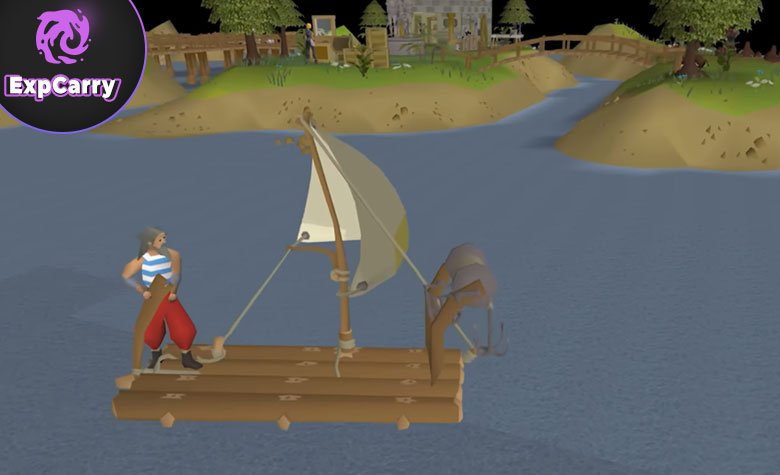
Skilling money is not dead, but it has to be chosen carefully. Low-effort gathering methods are often crushed by bots, market saturation, and low margins. Better skilling methods usually need higher requirements, newer content, or useful resource demand. This is why methods like herb runs, profitable Farming, seaweed runs, high-level Fishing, Thieving, Smithing at Blast Furnace, Zalcano, and Sailing resource routes can outperform the old fantasy of chopping logs forever like a medieval intern.
The best skilling methods are good because they combine profit with XP or account utility. If you are going to click for hours, at least leave with a better account. A pure gold method that gives no useful XP and has unstable margins should be treated as temporary, not as your entire financial identity.
Herb and seaweed runs for low-effort profit
Herb runs remain one of the strongest habits for a main account because they are easy to combine with everything else. Seaweed runs are also useful because they support Crafting goals and can create steady materials or sellable resources depending on current prices. The important part is not the exact crop of the month. The important part is building the habit of checking margins and using your patches efficiently.
Do not blindly plant whatever someone mentioned in an old video. Check seed prices, herb prices, protection costs, compost costs, teleport access, and your available patches. OSRS farming profit is simple, but simple does not mean automatic. The Grand Exchange has no mercy for people who copy outdated margins. Shocking, I know.
Blast Furnace, Zalcano, and high-requirement skilling GP
Blast Furnace can be strong when bar margins are favorable, especially with higher-level bars and proper setup. It is click-intensive enough to be annoying but useful enough to remain relevant. Zalcano is another strong skilling-adjacent money maker after Song of the Elves, especially because it combines Mining, Smithing-related rewards, and group activity without requiring traditional boss combat mechanics.
These methods are best for players who want profit without full PvM intensity. They are not completely passive, and their hourly rates can change quickly, but they are good examples of skilling money that actually belongs in a serious bank-building plan.
Sailing money makers after the first rush
Sailing changed the OSRS economy by adding new routes, resources, activities, and demand around ocean-based content. Early after any major skill release, prices can swing wildly because players rush training, hoard supplies, dump rewards, and copy whatever method is temporarily profitable. That means Sailing money makers should be treated as live-market methods, not permanent fixed GP machines.
The smart approach is to check current margins before committing. Sailing-related gathering, salvaging, route rewards, island resources, and future ocean content can be profitable when demand is high, but the exact best method can change quickly. Use Sailing as another account progression layer, not as an excuse to abandon every proven income method the moment a new item spikes for one afternoon.
Grand Exchange Flipping and Passive OSRS Gold
Grand Exchange flipping is not a replacement for playing the game, but it is excellent background money. The basic idea is simple: buy items below their likely sell price, sell them higher, and let the margin do its dull little economic dance. The danger is also simple: if you flip items you do not understand, you can trap your cash in bad offers or eat losses when prices move.
Good flipping starts with stable, high-volume items: supplies, runes, ammunition, potions, food, teleport items, commonly traded gear, PvM materials, skilling resources, and items tied to steady demand. Low-volume rares can produce larger margins, but they are slower and riskier. For most players, the best approach is passive flipping while doing herb runs, Slayer, bossing, Sailing, or questing. Your money should work while your account progresses.
Safe flipping rules for players with small banks
Small-bank flipping should be conservative. Do not put your entire bank into one item. Do not chase a margin just because it looks huge. Do not flip items tied to a new update unless you understand why the price is moving. Use smaller test buys, watch trade volume, and keep enough liquid GP for supplies. A player with 10M cash and no supplies is not rich. They are one bad decision away from picking flax spiritually, if not literally.
Flipping becomes better as your bank grows because you can spread offers across more items. The goal is not to become a full-time market goblin. The goal is to earn extra GP in the background while your active time goes into content that improves your account.
Bank Discipline: The Part OSRS Players Ignore Until They Are Broke
Making money is only half the problem. Keeping it is the part many players fail. OSRS constantly tempts you to buy gear upgrades that barely improve your current method, train expensive skills too early, gamble on unstable flips, or sell long-term useful items for short-term convenience. That is how players can spend 200 hours making money and still feel broke.
A strong bank has structure. Keep liquid GP for supplies. Keep core gear for your main methods. Keep teleport and quest utility items. Keep skilling tools and unlock items that save time. Only buy luxury upgrades when they improve a method you actually do. Do not buy an expensive item because it looks impressive in the bank tab. Pixels do not admire you back.
Gear upgrades should pay for themselves
Before buying a major upgrade, ask whether it increases kills per hour, reduces supply cost, unlocks better content, or makes a method more consistent. If the answer is no, it is probably a vanity purchase. That does not mean you can never buy fun items, but fun purchases should come after your core money-making setup is stable.
For example, upgrading gear for Vorkath, Phantom Muspah, Perilous Moons, ToA, Slayer bosses, or DT2 bosses can make sense if you plan to grind those methods. Buying random expensive gear for content you barely do is just financial cosplay. Build around your actual plan, not around a fantasy version of your account.
Best OSRS Money Making Path by Account Stage
The cleanest route out of poverty is staged progression. Start with passive income and quests. Move into reliable midgame bosses. Add flipping once you have spare cash. Push toward high-level PvM, raids, Sailing routes, or high-requirement skilling only when your stats and gear can support it. This path is less flashy than a thumbnail promising absurd GP per hour with no requirements, but it has the unfair advantage of being real.
| Goal | Best focus | Recommended direction |
|---|---|---|
| First stable cash stack | Low-risk income | Herb runs, birdhouses, seaweed runs, simple processing, early skilling, basic flipping |
| Stop relying on tiny margins | Quest and stat unlocks | Work toward Barrows gloves, key teleports, Fossil Island, Farming patches, Varlamore access, major PvM quests |
| Build a midgame bank | Repeatable PvM | Barrows, Perilous Moons, Vorkath, Zulrah, Phantom Muspah, Hueycoatl, profitable Slayer |
| Reach strong GP per hour | Mechanics and gear upgrades | The Gauntlet, Corrupted Gauntlet, Zalcano, DT2 bosses, Araxxor, Wilderness bosses, higher-level Slayer bosses |
| Build serious wealth | Endgame content | ToA, CoX, ToB, Nex, Fortis Colosseum, high-level Sailing, high-level skilling with strong margins |
Money makers that look good but trap weak accounts
Some methods look profitable on paper but are bad for the wrong account. High-risk Wilderness methods can erase profit if you die constantly. Rare-drop bosses can feel awful if you do not have supplies for dry streaks. Low-volume flipping can trap your cash for days. Expensive skilling can burn more gold than your account can recover. Even a good method becomes bad when your account is not ready for it.
The safest rule is brutally practical: keep one passive method, one active method, and one progression goal. For example, a weak account can do herb runs and birdhouses, train toward quest unlocks, and use Barrows or Perilous Moons as active money. A stronger account can run Phantom Muspah or Vorkath, flip supplies in the background, and work toward The Gauntlet, Zalcano, or raids. Endgame accounts can rotate raids, Nex, Fortis Colosseum, DT2 bosses, Araxxor, and high-level Sailing while using passive systems to smooth out bad luck.
If you are poor right now, the best immediate setup is usually herb runs plus birdhouse runs plus one active method you can repeat. That active method can be Wilderness Agility, Barrows, Perilous Moons, early Slayer, skilling, or a simple processing method depending on your stats. Once you unlock better quests, shift into Vorkath, Zulrah, Phantom Muspah, Hueycoatl, The Gauntlet, or Zalcano. Once those feel stable, start pushing raids or stronger bosses.
This is not glamorous, but OSRS wealth is rarely glamorous at the start. It is built through boring systems repeated intelligently until your account finally reaches methods where skill and gear multiply your profit.
Bonds, RWT, and the Legal Way to Fund Membership
Old School Bonds are the legitimate way to turn in-game wealth into membership. They can be traded through the Grand Exchange and redeemed for membership, which makes them part of the normal OSRS economy. If your goal is to sustain membership through gameplay, your money-making target should include the current Bond price plus enough leftover GP for supplies and upgrades.
Black-market gold buying is not a clever shortcut. It breaks Jagex rules, supports botting and account hijacking, and can put your account at risk. More importantly, it skips the entire account-building process, which means you can end up with GP but no mechanics, no unlocks, and no clue what to do besides buying gear you cannot use properly. OSRS already gives you enough ways to suffer legitimately. No need to add ban risk to the menu.
Best Way to Make Money in OSRS Without Staying Poor
The best way to make money in Old School RuneScape is to stop looking for one perfect method and build a layered system. Use herb runs, birdhouses, and seaweed runs for passive income. Use low-risk skilling or early PvM for your first stable cash. Quest into Perilous Moons, Vorkath, Zulrah, Phantom Muspah, Hueycoatl, The Gauntlet, Zalcano, and stronger bosses. Add flipping once you have spare GP. Push into raids, Nex, DT2 bosses, Araxxor, Fortis Colosseum, high-level Sailing, or high-requirement skilling when your account is ready.
If you are low-level, your best money maker is account progression disguised as income. If you are midgame, your best money maker is consistent PvM with manageable supply cost. If you are endgame, your best money maker is the hardest content you can complete consistently without dying enough to turn profit into charity for the item sink.
Final Thoughts
OSRS money making rewards players who build habits instead of chasing miracles. Herb runs, birdhouses, seaweed runs, flipping, and consistent PvM will not always look exciting, but they create the financial base that lets you train expensive skills, buy better gear, and survive dry streaks. That base matters more than one lucky drop, because luck is not a plan. It is just a temporary hallucination with loot beams.
The smartest route is to match the method to your account stage. Poor accounts need low-risk repeatable income and unlocks. Midgame accounts need bosses that pay consistently and teach mechanics. Endgame accounts need scalable content with high-value drops and enough discipline to survive variance. Jumping straight to the hardest method without the account to support it usually ends with lost supplies, frustration, and another dramatic return to herb runs.
So the practical answer is this: do not try to get rich in OSRS by copying the highest GP-per-hour method on a list. Get rich by stacking reliable systems, improving your account, checking current Grand Exchange margins, and moving up only when your stats, gear, and mechanics are ready. That is how you stop being poor in Old School RuneScape. Not instantly, not magically, but permanently enough that your bank stops looking like a charity case with a rune scimitar.