




Lost Ark enters April with a real endgame pivot instead of another routine content patch. March closed the Kazeros chapter and cleared the board for the next phase of progression. April pushes the game into darker territory with Shadow Raid: Serka, a new Tier 4 Advanced Ancient Equipment path, and a reset in roster priorities that will shape the next stretch of endgame play.
This update is built around more than a single boss release. It introduces a new raid format, a fresh gear track, and a support layer through the Shadow Event Shop. For players planning their next progression push, the April patch sets a new target from the first week instead of adding one more side activity to an already crowded schedule.
April Opens The Post-Kazeros Endgame
Lost Ark's 2026 roadmap positioned March as the close of Chapter 1, with April moving the game into the next chapter through the first Shadow Raid. That shift gives the patch more weight than a standard monthly update. Shadow Raid: Serka and T4 Advanced Ancient Equipment arrive as part of the same progression lane, so the raid and the gear system are tied together from the start.
That connection changes the rhythm of endgame play. Instead of treating the patch as one weekly clear followed by cleanup on older content, players will step into a new loop built around raid progression, material collection, gear crafting, and resource discipline. The Shadow Event Shop adds the usual support structure that helps smooth the opening stretch for mains, alts, and slower rosters trying to catch the new threshold.
The bigger point is simple. April shifts player attention away from the old finish line and toward a new race. The raid supplies the challenge, the gear path supplies the long-term goal, and the event layer supports the climb.
Shadow Raid: Serka Brings A Different Raid Structure
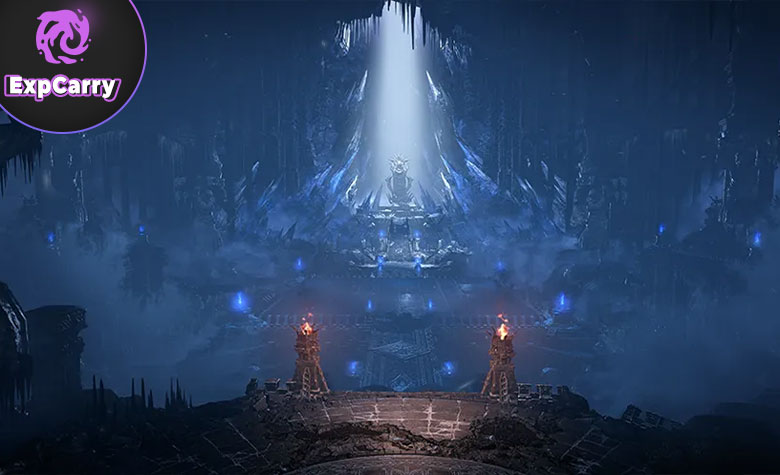
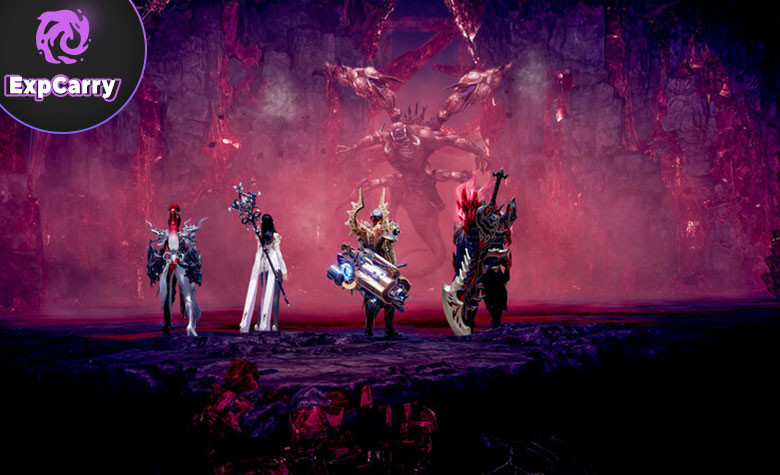
The first Shadow Raid is built around Serka, the Witch of Pain, and it is framed as the opening battle against primordial beings. The format already separates it from the larger raid structures that dominated previous endgame content. This is a four-player raid with two gates. Gate 1 is the direct battle against Serka, while Gate 2 reveals the primordial being's true form, Corbus Tul Lark.
That smaller-party format changes the pressure profile immediately. In an eight-player raid, weak execution can sometimes hide inside the group. In a four-player structure, personal responsibility is sharper, positioning errors cost more, and recovery tools carry greater value. That alone gives Serka a different feel before the mechanical systems even enter the picture.
Item Level Breakpoints And Early Progression Pressure
Serka launches with three difficulties: Normal at 1710, Hard at 1730, and Nightmare at 1740. Those breakpoints split the raid into clear progression tiers. Normal serves as the easier entry version, Hard is the real gear lane, and Nightmare adds more pressure and better side rewards without increasing the main gear material count beyond Hard.
- Normal is the learning tier for first clears and system familiarity.
- Hard is the first mode that starts paying back real gear progression.
- Nightmare is the challenge tier with stronger gold, core, and auction upside.
The key detail sits in the reward structure. Gear progression materials do not drop in Normal. They only drop in Hard and Nightmare. That alone makes Hard the baseline target for any roster trying to convert raid time into lasting power instead of practice alone.
New Raid Systems Give Serka Its Own Identity
Serka is also the point where Lost Ark starts building a distinct Shadow Raid identity instead of simply adding another boss with a new move set. Players go straight into the boss room. There is no HP recovery once the boss reaches berserk. The raid also adds the New Brawl system, a unique action layer, and Shadow Skills that let players steal one of the boss's skills and use it during the fight. The revive system changes as well through Brave Hearts, a shared party revive pool.
Those systems are not decorative extras. They change the flow of progression pulls, the value of recovery decisions, and the margin for error in longer attempts. Week-one success will depend on more than memorizing patterns. Groups that learn the extra systems early should save time, gold, and battle items across the first reset cycle.
T4 Advanced Ancient Equipment Resets Gear Priorities
The raid may be the headline, but the larger long-term shift sits in the new Tier 4 Advanced Ancient Equipment path. Serka provides Ark Grid Cores, yet the real center of progression in this cycle is the new T4 gear set. A raid can dominate discussion for a few weeks. A new gear track changes planning, resource use, and roster priorities for much longer.
That is the real reset inside the April update. The old question of simple raid readiness gives way to a more demanding one: how fast can a roster move onto the new gear curve without burning value early. For players pushing efficiently, the answer will depend less on raw excitement and more on careful material use.
Acceleration Changes The Shape Of The Gear Grind
This T4 cycle is not presented as a direct repeat of older crafting grinds. Official details point to less time needed for farming crafting materials, but the system adds a new Acceleration layer on top. Crafted gear can be honed to level 20 through the normal route and then pushed to +25 through acceleration using the same material family.
That creates a more layered progression model than a simple craft-and-tap routine. Efficient players will need to decide where acceleration gives real value, where patience protects resources, and which items deserve aggressive investment first. The new gear path should reward discipline more than panic spending.
Normal Mode Is A Learning Step, Not A Gear Plan
The reward structure naturally splits players into two early paths. One group will use Normal as a short learning phase and move upward quickly. Another group will stay there too long and lose pace on the new cycle. That does not mean every roster should rush into Nightmare, but it does mean Normal has a ceiling as a progression tool.
Nightmare supplies more cores, more gold, and better auction rewards, including extra Relic Books, yet it does not increase the amount of core gear materials beyond Hard. For most serious rosters, Hard should be the first stable target because it opens real progression without forcing the full punishment curve of Nightmare from the start.
Week One Priorities For Serka And T4 Progression
Players often waste the opening week of a major patch by trying to do everything at once. That usually leads to scattered investment, weaker clears, and slower gear progress. The better route is to treat the patch as a priority ladder and commit resources in a strict order.
Hard Mode Readiness Comes First
The first real target is not a flashy Nightmare clear. It is a stable Hard entry on the main character or core static. Since Hard is the first difficulty that drops gear progression materials, it is the point where the patch starts turning raid time into account power. That puts roster planning under immediate pressure. Who enters first, who gets materials first, and which characters are real progression candidates all need clean answers before the first reset is wasted.
Spreading resources too widely across alts in the opening weeks usually drags the entire roster down. One stable progression lane will do more for long-term growth than several half-built characters chasing the same threshold at once.
System Mastery Will Decide Early Clears
Serka is not built only around raw damage or basic survival. The New Brawl mechanic, Shadow Skills, and Brave Hearts suggest that system mastery will be part of overall raid performance from the start. Groups that ignore those layers and treat Serka like older raid content will still progress, but they will do it with more wasted pulls and a higher cost per clear.
That gap should become more visible in Hard and even sharper in Nightmare. Early groups that learn where those systems create safe recovery windows and extra uptime should gain a clean advantage before gear even starts to snowball.
Material Spending Needs Discipline From The First Reset
Advanced Ancient Equipment creates the usual Lost Ark trap where players want immediate gains and overspend before the cost curve becomes clear. A stronger approach is to craft with purpose, identify the most efficient upgrade line, and use acceleration as a controlled power spike rather than a reaction to weak raid progress.
April is the front edge of a new cycle, not the closing stretch of an old one. That makes early mistakes more expensive because bad spending in the first phase tends to damage several weekly resets in a row.
Shadow Event Shop Supports The Opening Push
The Shadow Event Shop sits behind the raid and the new gear path in terms of headline value, but it should still play an important role in the opening weeks. Event shops often decide how forgiving a patch feels for secondary characters, borderline rosters, and players trying to close a small item level gap without emptying their stored resources.
That does not make the shop the core of the patch. It remains a support layer. Still, it helps turn the April update into a full cycle opener instead of a raid release in isolation. Players who use the event structure with a real roster plan should feel the difference faster than players who treat it as free loot to spend at random.
April Sets The Tone For Lost Ark's Next Endgame Stretch
Lost Ark needed a new progression anchor after Kazeros, and April looks built to fill that role. Shadow Raid: Serka introduces a darker raid format with smaller-party pressure and fresh combat systems. T4 Advanced Ancient Equipment gives players a long-term goal that reaches beyond first-clear excitement. The Shadow Event Shop adds the support layer that can soften the opening grind and help rosters organize their climb.
The strength of the patch sits in the way those parts connect. The raid establishes the challenge. Hard mode opens the real material lane. Advanced Ancient Equipment becomes the new gear target. The event shop helps players bridge the first stretch of that path. Taken together, the April update reads like a new starting point for endgame rather than a stopgap release between larger milestones.
Conclusion
Lost Ark's April update pushes the game into a fresh endgame chapter with a clear structure behind it. Shadow Raid: Serka is not just another boss release dropped onto an old system. It arrives with its own raid identity, its own mechanics layer, and a reward structure that pushes players toward Hard mode if they want real progression. Alongside it, T4 Advanced Ancient Equipment gives the patch lasting weight by creating a new gear target that should shape roster planning well beyond the opening clears.
The update also looks stronger because each system supports the same direction of travel. The raid delivers the challenge, the new gear path defines the next chase, and the Shadow Event Shop helps smooth the first phase of that climb. For players trying to stay ahead, the message is straightforward: April is the start of the next endgame race, and the rosters that treat it that way from the first reset should gain the cleanest early advantage.