



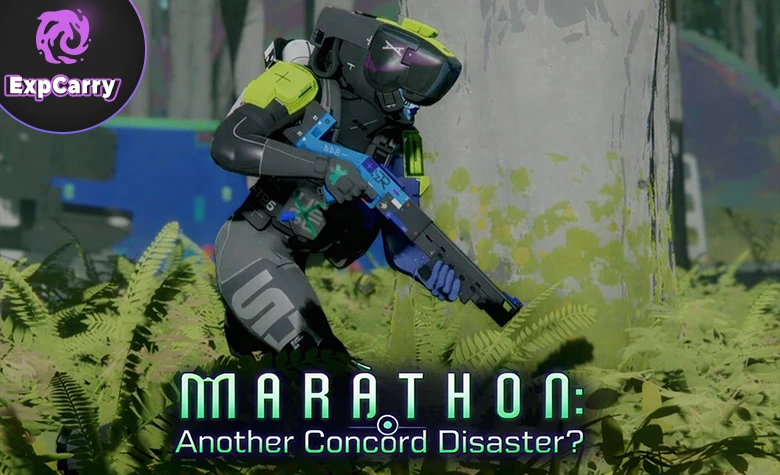
Bungie's Marathon is no longer a game people can judge only through trailers, previews, and fear. It launched on March 5, 2026, and that makes the central question much sharper. Is Marathon another live-service shooter heading toward the kind of collapse players now instinctively fear, or is it a serious extraction game with enough quality to stand beside the better names in the genre?
The most accurate answer is not extreme in either direction. Marathon does not look like an empty project with no foundation. Its combat is one of the clearest strengths in the game, Tau Ceti IV gives it a distinct identity, and Bungie has already defined the long-term model in concrete terms instead of hiding behind vague post-launch promises. At the same time, the doubts around the game are not invented. UI readability, onboarding friction, and several pressure systems have been repeated points of criticism, and Bungie has acknowledged that feedback publicly. So the real story of Marathon is not hype versus hate. It is a game with a real core and real problems, and that is exactly why the debate around it has stayed alive.
Why Marathon does not look like another hollow failure
If players are asking whether Marathon is another Concord-style warning sign, the first thing to say is simple: the game does not appear to be failing for the same basic reason failed live-service shooters usually fail. Those games often collapse because the core interaction is not good enough, the identity is too weak, or the project does not give players a strong reason to care after the first impression. Marathon does not fit that description cleanly. It already has a recognizable combat identity, a recognizable world, and a clearly communicated structure for how Bungie wants the game to evolve.
The gunplay gives Marathon a real spine
The strongest argument in Marathon's favor is still the one most people expected from Bungie. The shooting has weight, speed, and pressure. In an extraction shooter, that matters more than almost anything else because the value of every run depends on whether fights feel meaningful enough to justify the risk. Marathon's combat is not being treated as its fatal flaw. If anything, the wider criticism around the game exists because players can already see that the core firefights have real potential.
That point matters for the article's central question. A weak live-service game can have a roadmap and still fail because the minute-to-minute play does not hold up. Marathon is in a different category. Its biggest concerns are mostly outside the basic act of shooting. That does not guarantee success, but it does separate the game from projects that arrive without a reliable foundation.
Tau Ceti IV gives the game an identity of its own
Marathon also avoids another common problem in crowded online genres: looking disposable. Tau Ceti IV is not presented as a neutral sci-fi backdrop with interchangeable corporate flavor. Bungie has given the game a harsher and stranger identity through environment design, faction framing, shell presentation, and a visual language that feels more severe and less safe than many mainstream shooters. Even critics of the UI often admit that Marathon does not look generic.
That matters because extraction games need players to care about place, mood, and repetition. The genre asks people to revisit routes, learn risk zones, remember failed runs, and attach meaning to the world over time. Marathon already has a better chance of doing that than a shooter that only looks like another service product trying to survive on brand recognition alone.
Bungie has already defined what the live model is
Another reason Marathon does not read like a hollow launch is that Bungie has put real specifics on the table. The studio has confirmed cross-play and cross-save, tied the base purchase to free gameplay updates, said Rewards Passes will not expire, and made clear that seasons will include fresh starts rather than endless unchecked accumulation. Bungie has also stated that survival will not depend on how much money a player spends.
That does not make every player love the model, but it does make the package legible. Players know this is a premium extraction FPS with a reset-driven seasonal structure, not a vague service shell waiting for meaning later. A lot of failed launches spend their early months telling players to trust the future. Marathon is at least giving players something specific to judge right now.
Why the fear around Marathon is still understandable
The fact that Marathon has a foundation does not mean the skepticism is wrong. Players have become much less forgiving toward online shooters that ask for commitment while still feeling rough in important places. That is exactly why Marathon keeps drawing hard reactions. Its strengths are visible, but so are several points of friction that hit the player very early and very often. If Bungie does not improve those areas quickly, the game's stronger qualities may not be enough to protect retention.
UI readability is not a small complaint
The biggest confirmed problem is readability. This is not just about players disliking a bold interface style. The criticism is that Marathon can be harder to read than it should be both in menus and in active play. Bungie itself has publicly asked for more feedback on the UI after Server Slam and signaled more iteration, which tells you the issue is significant enough to be treated as a gameplay concern rather than a cosmetic one.
That matters because extraction shooters punish hesitation. Players need to read danger, value, status, inventory priorities, and options quickly. If the game makes too many of those tasks feel noisy or cluttered, tension stops feeling sharp and starts feeling exhausting. Marathon's interface helps define its personality, but right now it also contributes to one of the game's most repeated weaknesses.
The game still asks too much too early
Another clear problem is onboarding. Marathon expects players to understand contracts, factions, loadout decisions, progression layers, shell choices, and seasonal logic without much softness. Complexity is not a flaw by itself, and some of that density is part of what gives extraction shooters depth. The problem is how quickly the game asks players to carry that complexity while also handling run pressure and combat risk.
This is one of the biggest reasons the game can feel harsher than it needs to. A player may like the shooting and still bounce off the larger package if too much of the early experience feels like work instead of discovery. When people worry that Marathon could struggle, this is one of the strongest reasons behind that fear. The issue is not that the game lacks ideas. It is that some of those ideas still arrive with too much friction.
Some of the pressure systems still feel unsettled
Bungie also acknowledged feedback around PvP frequency, movement heat, and med and ammo economy. Those are not side issues. They shape the feeling of a run minute by minute. If PvP appears too rarely, the PvPvE identity weakens. If movement punishment feels too sharp, traversal and aggression become less satisfying. If healing and ammo pressure are tuned badly, the game can shift from tense to irritating.
This is where the current debate around Marathon becomes more serious than a simple launch-week mood swing. The game already has enough combat quality to matter, but some of the systems around that combat still look like active tuning problems rather than settled strengths. That is a much better place to be than having no core appeal at all, but it is still a risk if the adjustments come too slowly.
What Marathon's real pluses and minuses look like right now
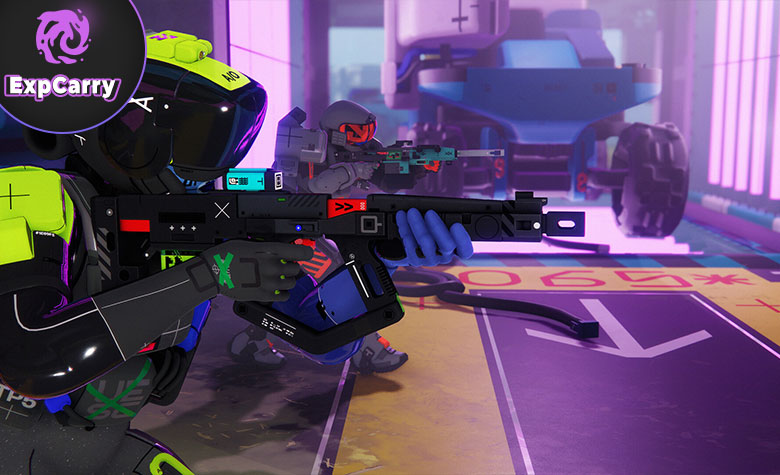
The easiest way to answer the article's central question is to put Marathon's strongest and weakest points side by side. The game is not short on identity or combat quality. It is short on polish in areas that affect readability, accessibility, and run comfort. That combination explains why the reaction around it has been mixed without turning into a total dismissal.
| Area | Confirmed strengths | Confirmed weaknesses |
|---|---|---|
| Combat | Gunplay is one of the clearest positives and gives the game a strong FPS base. | Some pressure systems around combat still need tuning. |
| Identity | Tau Ceti IV, shell design, and the broader art direction make Marathon recognizable. | The same aggressive presentation contributes to readability complaints. |
| Structure | Cross-play, cross-save, free gameplay updates, and non-expiring Rewards Passes give the live model a clear shape. | Seasonal resets and a heavy onboarding burden will not appeal to everyone. |
| Match flow | The high-risk extraction loop gives successful runs real weight. | PvP frequency, heat, and med and ammo economy are still visible friction points. |
The pluses are strong enough to keep the game serious
Marathon's best qualities are not superficial. Strong gunplay, a clear world, and a defined long-term structure are exactly the kinds of things that keep players interested while a studio keeps refining weaker systems. That is why the game still feels worth discussing as a real genre contender rather than a disposable launch-week curiosity.
This is also the point where ARC Raiders works best as a benchmark rather than the subject of the article. Players already know what a cleaner and more immediately readable extraction experience can look like. Marathon does not need to copy that exact shape to matter, but it does need to prove that its own harsher, more demanding approach is worth choosing. Right now it has enough confirmed strengths to make that case plausible.
The minuses hit the exact places that decide retention
The worry is that Marathon's weak spots are not minor. Readability, onboarding, and economy pressure sit close to the core loop. A player does not need to hate the shooting to stop playing. It is enough for the surrounding systems to feel harder to live with than they should. That is why the criticism around Marathon has remained persistent. The problems touch comfort, clarity, and long-term habit, not just taste.
If Bungie sharpens those areas, the game has room to become much stronger without abandoning its identity. If those improvements drag, then Marathon risks becoming one of those shooters people respect for its potential more than they actually want to keep playing every week.
So is Marathon another Concord or a real game worth taking seriously?
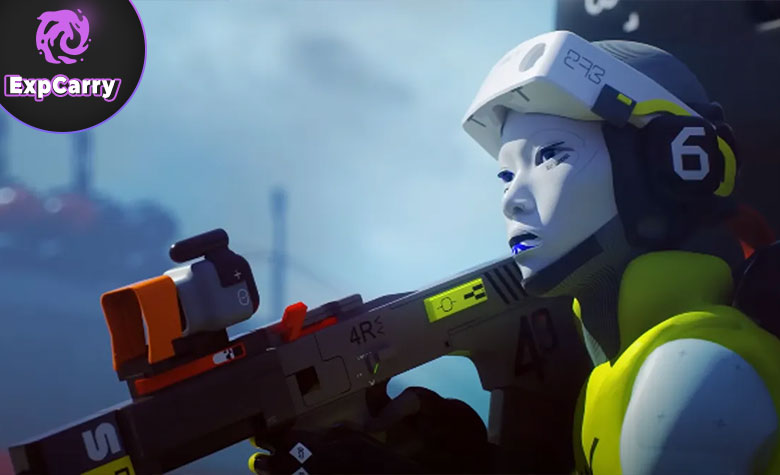
This is the question the whole article has to answer directly. No, Marathon does not currently look like another hollow live-service shooter with no center and no reason to survive. It already has clearer strengths than that. The combat works, the world has identity, and Bungie has defined the support model with more precision than many failing launches ever manage.
But the second half of the answer matters just as much. Marathon also does not look like a finished statement that has already erased the doubts around it. The skepticism is grounded. UI readability is a real issue, onboarding is heavier than it should be, and some pressure systems still feel rough. Those are the exact kinds of flaws that can hold back a demanding online game even when the core gunplay is strong.
The honest verdict is somewhere in the middle
The most accurate conclusion is that Marathon looks like a legitimate extraction shooter with enough proven quality to avoid being dismissed as another Concord-style collapse, but not enough polish yet to be treated as a solved success. It has a better core than the panic narrative suggests, and it has more friction than the most optimistic reading wants to admit.
That is why Marathon is still a meaningful game to watch. It does not need a total reinvention. It needs iteration in the places players are already pointing to most clearly. If Bungie improves readability, smooths out the heavier entry friction, and tunes the pressure systems without weakening the game's identity, Marathon has the kind of foundation that can last. If not, the game may stay stuck in an awkward position where people acknowledge its quality but hesitate to make it their long-term extraction shooter.
Conclusion
Marathon is not best described as another doomed live-service warning sign, and it is not best described as an unquestionable winner either. The game already has a strong enough combat base, a distinct enough identity, and a clear enough long-term structure to be taken seriously. Those are real strengths, and they are the reason the project has not collapsed into pure cynicism.
The weaknesses are just as real. UI readability remains the clearest confirmed problem, onboarding still creates too much early friction, and feedback around PvP frequency, heat, and med and ammo economy shows that important parts of the run flow still need work. Those issues explain why Marathon still feels more debated than fully embraced.
So if the question is whether Marathon is just another Concord or a real game that can stand near the stronger extraction shooters on the market, the answer is this: Marathon already looks like a real contender, but not yet a fully convincing one. Its core is strong enough to matter. Its rough edges are still obvious enough to keep the doubt alive.