


World of Warcraft Midnight Season 1 tier sets are not trying to carry specs by themselves. Blizzard said early in testing that these class sets would stay fairly simple because Midnight had already changed a lot of specs, and the current Season 1 launch bonuses still follow that idea. Most of them are not overloaded mini-systems. They are direct pushes toward core buttons, familiar cooldowns, and already visible class patterns. That makes them easier to read than some older tier seasons, but it also means not every bonus feels equally impactful.
That is why these sets matter beyond a normal gear checklist. Tier lists tell you who is strongest right now. Tier sets tell you which buttons Blizzard wants to matter in Season 1. If a spec gets power through Stormkeeper, Verdant Embrace, Blade Rush, Renewing Mist, Blood Boil, or Colossus Smash, that is not random. It is Blizzard making class identity easier to see. Some specs got bonuses that cleanly reinforce what they already do well. Others got bonuses that read as more passive or less noticeable, which makes them feel more like background throughput than a real seasonal spike.
How Midnight Tier Sets Are Built
The important thing to understand first is that Midnight tier bonuses are mostly conservative by design. Blizzard did not use the first raid tier to bolt new tracking problems onto specs that had already been reworked for the expansion. In practice, that means many sets are straightforward throughput, cooldown acceleration, or simple support for an existing loop. They are easier to read, easier to tune, and in many cases easier to value than the louder set bonuses from some earlier seasons.
The upside is clarity. The downside is that some specs got bonuses that look useful on paper but do not do much to change how the spec feels. A stronger Midnight tier set usually works because it buffs a spec's real backbone. A weaker one usually adds value without changing the pace, priorities, or pressure profile in a meaningful way. That pattern shows up repeatedly once you stop looking at the class set list as one giant wall of numbers.
Plate Tier Sets in Midnight
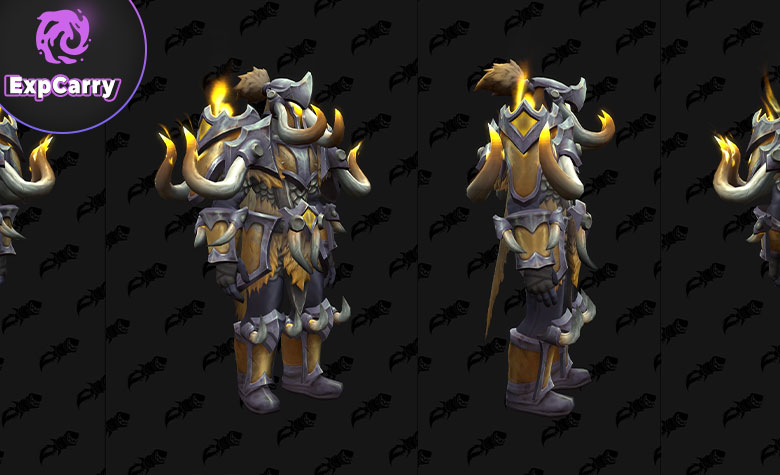
Plate sets in Midnight are mostly blunt and readable. Blood, Frost, Unholy, Holy Paladin, Protection Paladin, Retribution, Arms, Fury, and Protection Warrior all get bonuses that point back to core rotational tools rather than side mechanics. That keeps the armor group coherent, but it also means some of these sets are effective without being especially memorable.
| Spec | Set bonuses | What the set is pushing | What keeps it in check |
|---|---|---|---|
| Blood Death Knight | 2-set: Blood Boil deals 8% more damage and generates 3 Runic Power. 4-set: Death Strike deals 8% more damage and has a 10% chance to grant a Blood Boil charge. | A tighter Blood Boil into Death Strike core loop. | Very direct value, but it is still a basic loop bonus rather than a transformational tank set. |
| Frost Death Knight | 2-set: Empower Rune Weapon buffs your next Obliterate or Frostscythe by 20%. 4-set: Empower Rune Weapon recharges 20% faster and Pillar of Frost grants 1 extra charge. | More value from an already central cooldown cycle. | It is extremely basic and mostly just lets you press the same major tools more often. |
| Unholy Death Knight | 2-set: Dread Plague and Virulent Plague deal 25% more damage. 4-set: Putrefy deals 20% more damage and your next Scourge Strike costs no Rune. | Disease and Putrefy throughput. | The bonus is simple and does not obviously reshape the spec's pacing or pressure windows. |
| Holy Paladin | 2-set: Holy Shock heals 15% more. 4-set: Holy Shock transfers 20% more healing into Beacon of Light. | Holy Shock and Beacon efficiency. | Very clear healer value, but also one of the safer and less adventurous bonuses in the season. |
| Protection Paladin | 2-set: Shield of the Righteous deals 20% more damage. 4-set: After Shield of the Righteous, your next Avenger's Shield deals 5% more damage, stacking to 5. | A simple offensive loop between two core tank buttons. | It leans more into damage flow than into defensive identity. |
| Retribution Paladin | 2-set: Expurgation deals 20% more damage. 4-set: Final Verdict or Templar's Verdict applies Expurgation at 100% effectiveness, while Divine Storm applies it at 50%. | Stronger payoff from familiar spenders. | Strong thematic fit, but still a straightforward dot-spender package. |
| Arms Warrior | 2-set: Mortal Strike and Cleave deal 5% more damage, and Colossus Smash increases damage taken by 5% more. 4-set: Mortal Strike or a 3-target Cleave extends Colossus Smash by 1 second. | Longer pressure windows around Colossus Smash. | Good structure, but it is still a controlled damage-window set rather than something explosive. |
| Fury Warrior | 2-set: Rampage and Odyn's Fury deal 10% more damage. 4-set: Rampage reduces Odyn's Fury cooldown by 2.5 seconds and Odyn's Fury deals 10% more damage. | More payoff from Fury's existing burst rhythm. | Pure throughput, with very little extra texture. |
| Protection Warrior | 2-set: Shield Slam deals 10% more damage and Shield Charge deals 100% more damage. 4-set: Thunder Clap and Revenge deal 10% more damage, and Shield Charge grants Revenge!. | An obvious damage-driven tank loop. | Useful, but again mostly offensive and not especially subtle. |
Within plate, the clearest current negative guide read comes from Unholy. Method's gearing page says the free Scourge Strikes from the set often lead to resource overflow and do not add much DPS in practice, which is not what you want from a first-season tier bonus. Frost is not described as weak, but Method also calls it incredibly basic and notes that it mostly just lets you use Empower Rune Weapon more often. That is the difference between a set that is simple in a good way and a set that is simple because there is barely anything to say about it.
Leather Tier Sets in Midnight
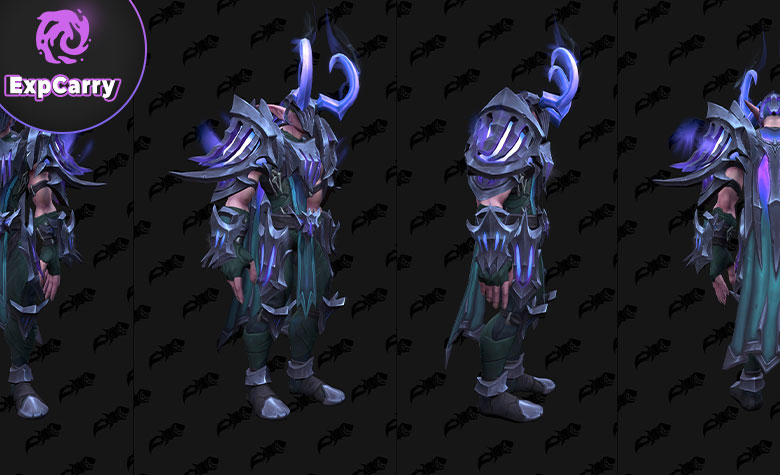
Leather has a wider spread than plate. Some of these sets are among the clearest seasonal identity pushes in the game, especially Outlaw, Brewmaster, Mistweaver, and parts of the druid kit. Others are functional but highly passive. This is also the armor group where "simple" most often splits into two meanings: elegant for some specs, forgettable for others.
| Spec | Set bonuses | What the set is pushing | What keeps it in check |
|---|---|---|---|
| Devourer Demon Hunter | 2-set: Void Ray deals 10% more damage. 4-set: Collapsing Star deals 10% more damage and now generates 10 Fury. | Passive damage and resource help on familiar tools. | Very little gameplay impact, so it risks feeling like invisible throughput. |
| Havoc Demon Hunter | 2-set: Blade Dance deals 15% more damage. 4-set: You gain 6% additional Haste during Metamorphosis. | More value in an established burst window. | Readable and efficient, but not especially deep. |
| Vengeance Demon Hunter | 2-set: Fracture deals 35% more damage. 4-set: Fracture has a 30% chance to trigger a Fire detonation around nearby enemies. | Direct value on a core rotational tank button. | Strongly passive, so most of the impact sits in the background. |
| Balance Druid | 2-set: Shooting Stars deals 40% more damage and generates 2 extra Astral Power outside Eclipse. 4-set: Starfall and Starsurge deal 5% more damage and have a 30% chance to create an exploding Shooting Star. | Astral Power flow and spender support. | It was toned down before the season, which lowered how explosive it looked at first reveal. |
| Feral Druid | 2-set: Clearcasting from Omen of Clarity grants 5% crit for 4 seconds. 4-set: Rake deals 20% more damage and Clearcasting boosts Shred or Swipe by 15% more. | Proc payoff and bleed pressure. | Good thematic fit, but it still stays inside Feral's usual shape. |
| Guardian Druid | 2-set: Raze, Maul, and Ravage deal 10% more damage, and Moonfire deals 10% more damage. 4-set: Raze, Maul, and Ravage get more Galactic Guardian value, and Moonfire can repeat one of those spender hits at full effectiveness. | More offensive pressure from Guardian's main damage package. | Better for damage identity than for redefining survivability. |
| Restoration Druid | 2-set: Wild Growth heals 25% more. 4-set: Wild Growth cooldown is reduced by 2 seconds and mana cost is reduced by 10%. | A direct buff to one of Restoration's most important raid tools. | Very strong targeting, but still a clean throughput set rather than a complex one. |
| Brewmaster Monk | 2-set: Keg Smash and Breath of Fire deal 10% more damage. 4-set: Keg Smash costs 5 less Energy and deals extra Fire damage into Breath of Fire targets. | A cleaner and stronger Keg Smash into Breath of Fire loop. | It is easy to understand, which is good, but it is not trying to add anything exotic. |
| Mistweaver Monk | 2-set: Renewing Mist heals 20% more. 4-set: Thunder Focus Tea applies a 20-second Renewing Mist to a nearby ally. | More Renewing Mist coverage and more natural cleave-healing support. | Its strength comes from familiar healing patterns, not from a flashy new mechanic. |
| Windwalker Monk | 2-set: Strike of the Windlord and Whirling Dragon Punch deal 30% more damage. 4-set: Both cooldowns are reduced by 5 seconds. | Stronger burst cadence on two already important buttons. | Very honest design, but mostly a cooldown package. |
| Assassination Rogue | 2-set: Garrote deals 30% more damage and also applies weapon poisons. 4-set: Garrote costs 10 less Energy, and Mutilate, Ambush, and Fan of Knives deal 25% more damage to poisoned targets. | Bleed and poison setup with clear follow-through. | Strong thematic coherence, but still limited to a known damage pattern. |
| Outlaw Rogue | 2-set: Blade Rush deals 30% more damage and 15% more to the primary target. 4-set: Blade Rush cooldown is reduced by 6 seconds and increases your damage by 5% for 8 seconds. | A very obvious push to make Blade Rush matter more all season. | Direct and efficient, but not subtle in the slightest. |
| Subtlety Rogue | 2-set: Finishers deal 1.5% more damage per combo point spent. 4-set: Shadow Blades lasts 4 seconds longer and your attacks deal 6% more Shadow damage. | Longer burst windows and better finisher payoff. | A stable damage profile bonus rather than a spec-changing one. |
This is the section where current Method guide commentary matters most. Brewmaster's gearing guide describes its tier set as a sizable damage increase, while Mistweaver's guide says the set works out great in raids and also provides strong value in Mythic+. On the other side, Method's Devourer guide says the set bonuses are not amazing, do not impact gameplay in any meaningful way, and mainly gain value with more targets present. That is exactly the split leather shows overall: some specs got elegant reinforcement, others got passive wallpaper.
The Most Positive and Most Negative Guide Reads So Far
These are the specs where the current guide commentary is the clearest, not a made-up universal ranking for every spec in the game. Preservation Evoker, Brewmaster Monk, Mistweaver Monk, Elemental Shaman, and Vengeance Demon Hunter have notably positive current writeups. Devourer Demon Hunter, Unholy Death Knight, and Destruction Warlock have notably colder ones. That does not automatically decide the whole meta, but it does show which tier sets are landing better in current expert guides.
| Spec | Current sourced read | Why it stands out |
|---|---|---|
| Preservation Evoker | Strong | Method says the set is strong for both Hero Talent paths, and the bonus directly feeds Verdant Embrace into Emerald Blossom value. |
| Brewmaster Monk | Strong | Method calls it a sizable damage increase, which fits how directly it buffs Keg Smash and Breath of Fire. |
| Mistweaver Monk | Strong | Method says it works out great in raid and also provides strong Mythic+ value. |
| Elemental Shaman | Decently strong | Current guide commentary points to decent Haste uptime and stronger Stormkeeper burst, especially in AoE. |
| Vengeance Demon Hunter | Fairly strong but passive | Method says it has almost no rotational impact, but is still fairly strong for a Season 1 set. |
| Devourer Demon Hunter | Underwhelming | Current guide commentary says the set is not amazing and does not meaningfully change gameplay. |
| Unholy Death Knight | Underwhelming | Method says the free Scourge Strikes often cause resource overflow and do not add much DPS. |
| Destruction Warlock | Underwhelming | Method says the set does not alter gameplay and contributes fairly little to overall damage. |
Explore services related to this guide, selected from our World of Warcraft catalog.
View All World of Warcraft Services


Mail Tier Sets in Midnight
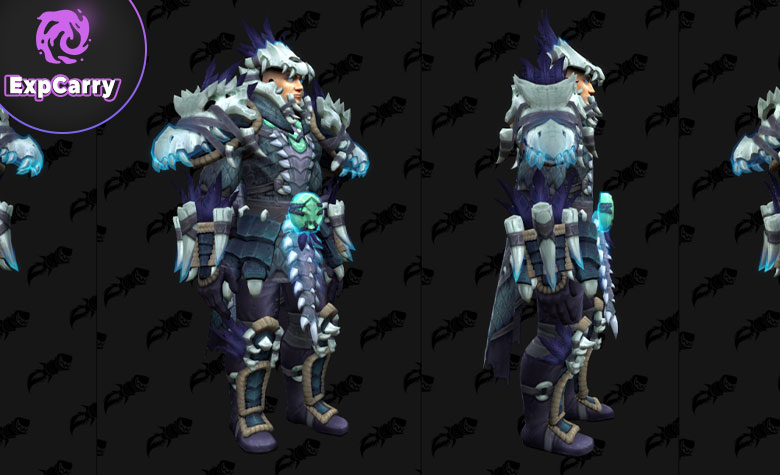
Mail is one of the cleaner armor groups in the current Season 1 lineup. The sets are readable, the buttons they target make sense, and there is less obvious dead weight than in some of the weaker leather and cloth entries. That does not mean all of them are equally strong, but the general direction is coherent.
| Spec | Set bonuses | What the set is pushing | What keeps it in check |
|---|---|---|---|
| Augmentation Evoker | 2-set: Eruption deals 15% more damage and extends Ebon Might by 0.3 seconds more. 4-set: During Ebon Might, empower spells deal 20% more damage and cool down 20% faster. | Longer Ebon Might value and stronger empower windows. | It stays very centered on familiar support timing rather than becoming a new system. |
| Devastation Evoker | 2-set: Azure Sweep deals 50% more damage and 100% more to the primary target. 4-set: Eternity Surge grants an extra Azure Sweep charge, and Azure Sweep reduces Eternity Surge cooldown by 2 seconds. | A tight two-button pairing with obvious synergy. | Strongly directional, but still a contained package. |
| Preservation Evoker | 2-set: Verdant Embrace heals 20% more and has 2 seconds less cooldown. 4-set: Verdant Embrace grows an Emerald Blossom on the target at 100% effectiveness. | A direct boost to one of Preservation's core healing engines. | Its strength comes from precision, not from complexity. |
| Beast Mastery Hunter | 2-set: Bestial Wrath direct damage is increased by 25%. 4-set: Bestial Wrath summons a Dire Beast for 8 seconds. | More value from a central cooldown. | Simple and effective, but mostly obvious throughput. |
| Marksmanship Hunter | 2-set: Precise Shots deals 20% more damage. 4-set: Spending Precise Shots can release a volley at your target and nearby enemies. | More payoff from a core proc-spender loop. | Clean design, but not a huge gameplay rewrite. |
| Survival Hunter | 2-set: Wildfire Bomb deals 10% more damage. 4-set: Wildfire Bomb triggers an additional Strike as One at 100% effectiveness. | More pressure through one of Survival's main damage buttons. | Direct value, but still a straightforward damage package. |
| Elemental Shaman | 2-set: Stormkeeper grants 15% Haste for 10 seconds. 4-set: Stormkeeper grants 1 additional stack and increases Lightning Bolt and Chain Lightning damage by 25%. | More burst and more payoff from a very recognizable cooldown. | Current guide reads still note that it does not change gameplay much even though it is decently strong. |
| Enhancement Shaman | 2-set: Stormstrike and Lava Lash deal 15% more damage. 4-set: Crash Lightning's weapon enhancement effect also increases Mastery by 2%. | Core melee throughput with a simple stat rider. | Useful, but less focused than Elemental's set. |
| Restoration Shaman | 2-set: Unleash Life cooldown is reduced by 3 seconds and its direct healing is increased by 100%. 4-set: Unleash Life affects an additional spell cast at 100% effectiveness. | Turns Unleash Life into a much more meaningful healing setup button. | Unusual target for a healer set, so it may read stranger than the more obvious healer bonuses. |
Preservation and Elemental are the mail specs with the clearest current upside in guide commentary. Method explicitly calls Preservation's set strong on both Hero Talent paths, and current guide reads on Elemental point to decent Haste uptime plus stronger Stormkeeper burst. That matches how these bonuses read on the page. Both specs got sets that reinforce real core buttons rather than stapling value onto filler.
Cloth Tier Sets in Midnight
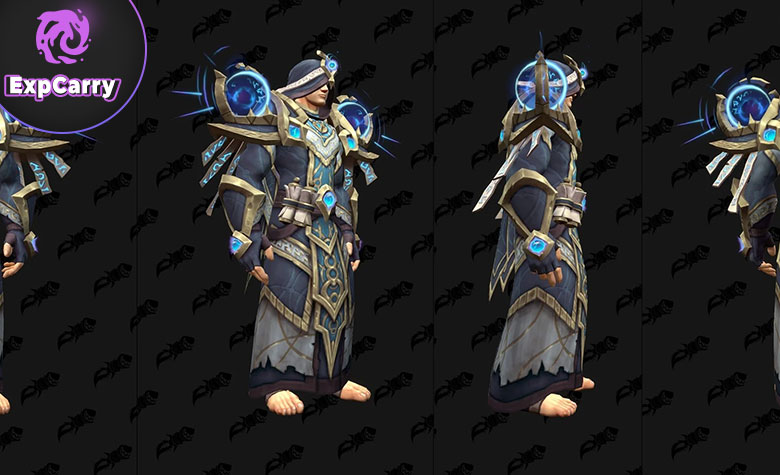
Cloth has a heavy concentration of bonuses that look useful without looking season-defining. There is nothing here that feels completely detached from the underlying specs, but there is also a lot of raw throughput and proc reinforcement without much extra personality. That is not automatically bad. It just means cloth has more sets that feel functional than dramatic.
| Spec | Set bonuses | What the set is pushing | What keeps it in check |
|---|---|---|---|
| Arcane Mage | 2-set: Each Arcane Charge increases your crit chance by 1%. 4-set: The crit damage of your Arcane spells is increased by 10%. | Cleaner payoff for staying in Arcane Charge gameplay. | Very tidy mathematically, but not especially exciting mechanically. |
| Fire Mage | 2-set: Pyroblast and Flamestrike deal 6% more damage. 4-set: Casting Pyroblast or Flamestrike reduces Fire Blast cooldown by 0.3 seconds. | A cleaner chain between spenders and one of Fire's key setup buttons. | It was toned down before the season, which lowered its impact compared to the first published version. |
| Frost Mage | 2-set: Flurry deals 10% more damage and has a 10% chance to grant Fingers of Frost. 4-set: Fingers of Frost increases Shatter damage by 15%. | More payoff from the usual proc loop. | Another case of solid structure without major seasonal flair. |
| Discipline Priest | 2-set: Flash Heal, Shadow Mend, and Power Word: Radiance heal 25% more. 4-set: Atonements from Flash Heal and Power Word: Radiance last 3 seconds longer. | Stronger direct setup healing and longer Atonement value. | Very blunt reinforcement, not much extra identity beyond throughput and extension. |
| Holy Priest | 2-set: Casting Benediction has a chance to summon a Divine Image. 4-set: Divine Image lasts 3 seconds longer and its healing and damage are increased by 30%. | One of the few cloth sets with a bit more visible flavor. | Still fundamentally a proc-value set rather than a structural change. |
| Shadow Priest | 2-set: Shadow Word: Madness deals 10% more damage and costs 5 less Insanity. 4-set: Shadowy Apparitions and Void Apparitions deal 40% more damage. | More value from an already familiar Shadow damage package. | Good internal logic, but it does not introduce a new kind of pressure pattern. |
| Affliction Warlock | 2-set: Unstable Affliction and Seed of Corruption deal 10% more damage. 4-set: Agony starts at 2 extra stacks and deals 20% more damage. | More efficient dot pressure with a cleaner Agony ramp. | Very much a traditional throughput set. |
| Demonology Warlock | 2-set: Hand of Gul'dan deals 15% more damage. 4-set: Dreadstalkers deal 10% more damage and last 3 seconds longer. | More value from a familiar pet-spender package. | Effective, but still more about amplification than fresh play patterns. |
| Destruction Warlock | 2-set: Chaos Bolt and Rain of Fire deal 5% more damage. 4-set: Conflagrate generates 2 extra Soul Shard fragments and deals 10% more damage. | A straightforward resource and spender support package. | Current Method commentary is that it contributes fairly little overall damage and does not alter gameplay. |
Cloth is also where the gap between "usable" and "interesting" becomes obvious. Fire was directly nerfed before the season, with its 2-set lowered from 8% to 6% and its 4-set Fire Blast reduction lowered from 0.5 to 0.3 seconds. Destruction is the clearest example of a set that is still worth wearing but is not moving much conversation by itself. Current Method commentary says it contributes fairly little to overall damage and does not alter gameplay, which is about as close as you can get to "fine, but forgettable" without calling it dead weight.
What Midnight Tier Sets Actually Reveal About Blizzard
The main reveal is not just who got stronger numbers. The real reveal is that Blizzard wanted Season 1 to stabilize class identity instead of cluttering it. The design note from beta said these sets would stay fairly simple and avoid extra auras to track, and the current Season 1 lineup still reflects that philosophy. Preservation is pushed toward Verdant Embrace. Elemental is pushed toward Stormkeeper. Outlaw is pushed toward Blade Rush. Mistweaver is pushed toward Renewing Mist. Brewmaster is pushed toward Keg Smash and Breath of Fire. These are not side mechanics. They are class anchors.
That is why tier sets can tell you something tier lists do not. A tier list shows present performance in raids-service">raids or Mythic+. A tier set shows where Blizzard wants the spec's center of gravity to sit. Midnight's first-season bonuses are not spectacular across the board, but they are honest. They show which buttons are supposed to matter and which specs got bonuses that reinforce their real job instead of hiding power in some detached gimmick. The best sets in Midnight are usually the ones that make that identity clearer, not the ones that look the most complicated in a tooltip.
Conclusion
Midnight Season 1 tier sets are a lot simpler than some players expected, but that simplicity is mostly intentional rather than accidental. Blizzard said early that these bonuses would avoid extra tracking clutter, and the final Season 1 class set list still follows that direction. That does not mean every set landed equally well. It means the whole season was built to reinforce class identity first and use tier gear as an accent, not as a replacement for spec design.
The strongest current guide reads are the specs whose sets empower already important tools in a clean and obvious way. Preservation Evoker, Brewmaster Monk, Mistweaver Monk, and Elemental Shaman fit that pattern best in current commentary, while Vengeance Demon Hunter is a good example of a set that is passive but still valuable. These bonuses work because they are aimed at the middle of the spec instead of some random side button that players barely care about. The weaker current reads are not complete disasters. They are just underwhelming. Devourer Demon Hunter, Unholy Death Knight, and Destruction Warlock are the clearest examples of bonuses that read more like polite throughput than real seasonal wins. That is the blunt truth about Midnight tier sets as a whole. They do not always steal the show. But they do show Blizzard's priorities very clearly, and in Season 1 that matters more than fake hype around which tooltip sounds flashiest on day one.