
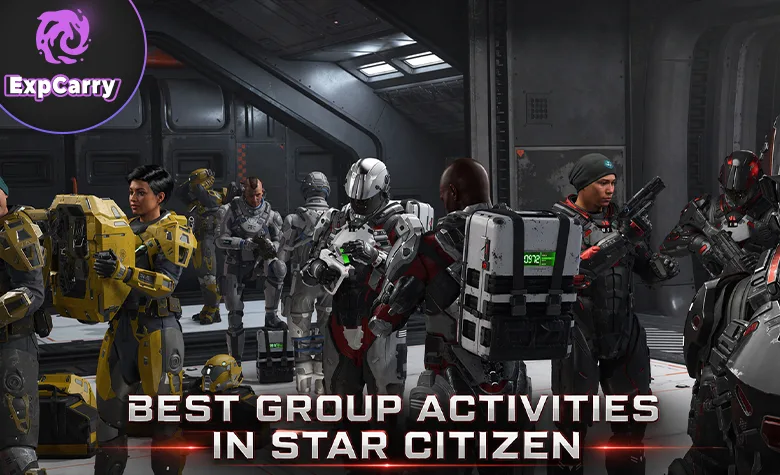
Star Citizen has plenty of activities that support group play, but only some of them become meaningfully better when more players are involved. That is the real filter. A weak group activity is usually just a solo loop with extra people standing around it. A strong group activity gets faster, safer, more flexible, or more profitable because the work can be divided across pilots, gunners, cargo handlers, engineers, scouts, medics, or security.
The best group activities are the ones that reward coordination without forcing a giant roleplay production every time a party forms. Shared contracts, multicrew industrial work, organized cargo operations, larger combat runs, medical support, and dynamic event missions all fit that lane. They work because one player can fly, another can load, another can cover security, another can manage systems, and the whole session stops feeling like one person doing all the labor while everyone else pretends to help.
Group Activities That Actually Improve With More Players
The strongest group activities in Star Citizen are shared contracts, multicrew salvage, multicrew mining, hauling and cargo operations, medical and rescue support, larger combat runs, and server-wide event missions when they are active. These are the activities where extra players create real value instead of just increasing noise and confusion.
The reason they stand out is simple. Group play is strongest when tasks can be divided cleanly. One player handles navigation, one watches threats, one manages cargo, one works a turret, one handles medical recovery, one supports engineering, and the whole loop moves faster and survives more mistakes than it would solo. If an activity does not benefit from role separation, it usually stops being interesting as a group very quickly.
Shared Contracts That Fit Small and Mid-Size Crews
The easiest and most reliable group activity is shared mission running. Star Citizen's contract system allows a player to share an accepted mission with party members, and once they accept it, the mission appears in their Contract Manager while the reward is split equally on completion. That alone makes contract play one of the cleanest ways to turn solo mission content into real group content.
This works best for mercenary, bounty, investigation, some delivery, and service-style contracts because each player can take over part of the job. One pilot can handle transport, one or two players can clear hostiles, another can secure the objective or carry mission items, and another can stay ready for medical recovery or extraction. Group mission play works when sharing reduces downtime and gives every player a real task.
Mercenary and bounty runs with a clean crew split
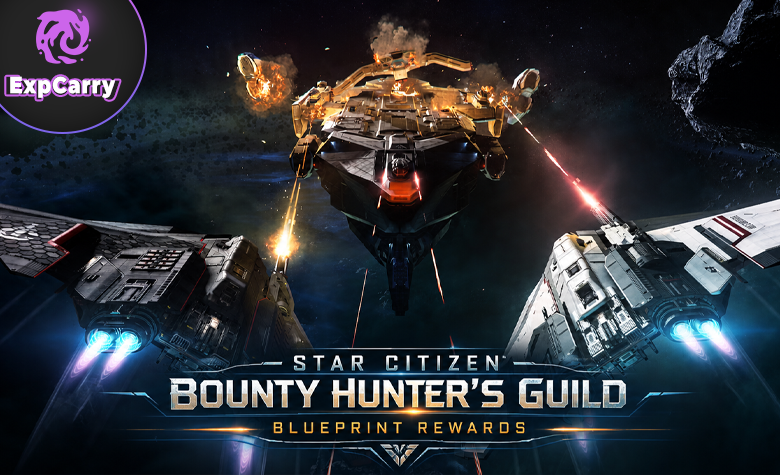
Combat contracts are some of the best group activities because they scale naturally. A two- to four-player group can split ship combat, bunker clearing, transport, overwatch, and recovery much more effectively than one player trying to do every part alone. The result is not just speed. It is also stability. If one player goes down, the whole run does not immediately collapse.
Multicrew Salvage With Clear Crew Roles
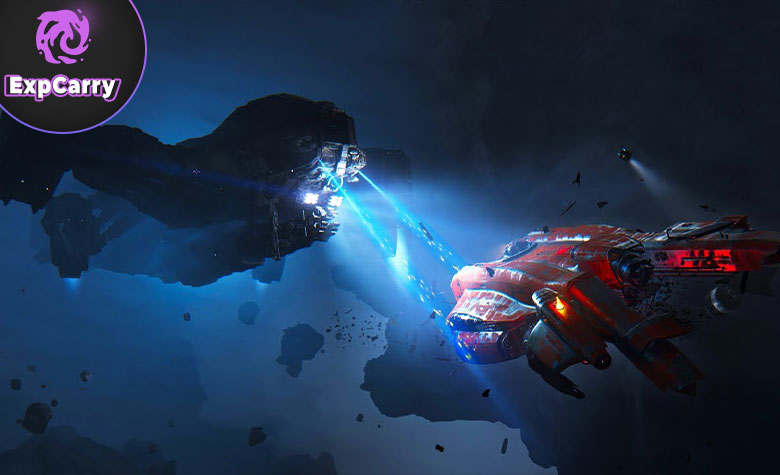
Salvage is one of the best group activities because the loop naturally supports role division. One player can pilot and position the ship, another can operate salvage beams, another can manage cargo and material storage, and another can provide security or support with movement and tractor work. This is exactly the kind of activity that becomes smoother with more people instead of more annoying.
It also has the right pace for group sessions. Salvage is active enough that everyone has something to do, but not so frantic that the entire crew needs perfect aim every second. That makes it excellent for relaxed coordinated play. A good salvage run feels productive because each extra player removes friction from a different part of the process rather than duplicating effort.
Explore services related to this guide, selected from our Star Citizen catalog.
View All Star Citizen Services

Group Mining Runs With Better Efficiency
Mining remains one of the most satisfying industrial group loops because it rewards specialization. A proper group mining session uses different players to scan, position, fracture, extract, transport, and secure the site when needed. That is why mining still works well for organized crews. The activity gets better when players are doing different jobs, not when they are competing for the same seat.
It also scales well by experience level. A newer player can still contribute by scouting, cargo movement, navigation support, or basic security while more experienced players handle the technical side of extraction. That flexibility matters. The best group activities are the ones where not every player needs identical knowledge to be useful.
| Group activity | Best for | Typical team roles | Why it works |
|---|---|---|---|
| Shared contracts | Small groups and fast sessions | Pilot, shooter, objective runner, medic | Easy setup, equal reward split, flexible mission types |
| Multicrew salvage | Industrial crews | Pilot, scraper, cargo handler, security | Clear task division and steady group pace |
| Multicrew mining | Organized groups | Scanner, pilot, extractor, support | Coordination improves efficiency and safety |
| Group hauling | Logistics-focused teams | Pilot, loaders, escort, route support | Faster cargo handling and better protection |
| Medical and rescue support | Mixed-skill crews | Transport, medic, escort, recovery support | Adds survivability and reduces failed runs |
| Dynamic event missions | Larger parties and org ops | Mixed combat, transport, objective support | Built around combined player effort |
The useful pattern is obvious. The best group activities are the ones where every added player reduces friction somewhere else in the loop. If everyone is fighting over the same job, the activity is not truly group-friendly. It is just crowded.
Cargo Operations Built for Crews
Hauling and cargo operations become far better in a group once the run is large enough for role separation to matter. One player can fly, one can handle loading and unloading, one can monitor the route, and others can provide escort or shipboard support. That makes group cargo one of the most practical activities for players who enjoy logistics more than direct combat.
This becomes even more obvious on larger ships and larger loads. Group play is not just about extra guns. Cargo handling, route discipline, ship condition, and threat response all matter more on longer or riskier runs. That gives group hauling more depth than it first appears to have. You are not just moving boxes. You are managing a ship, a route, a cargo plan, and the risk of losing the whole run because nobody thought security or loading order mattered.
Cargo crews work best with discipline, not headcount
The strongest cargo teams are not the biggest ones. They are the most organized ones. Clear loading order, clear task ownership, clear route planning, and clear rules on who handles what. Logistics gameplay collapses fast when five people improvise at once and every crate turns into a committee meeting.
Medical and Rescue Support That Keeps Runs Alive
Medical gameplay is often overlooked when people list group activities, but it becomes valuable the moment a crew starts running bunkers, hostile contracts, dangerous transport, or event content. A player covering recovery, stabilization, extraction, and transport can keep a session alive that would otherwise end with a failed objective, a corpse run, or everyone wasting time regrouping.
This matters even more for mixed-skill parties. Not every player needs to be a high-end pilot or shooter to contribute. A reliable medic or recovery player can be one of the most useful people in the group because they reduce downtime and make the rest of the crew more willing to take pressure and hold objectives.
Large Event Missions for Organized Groups
Some of the best group play in Star Citizen comes from large event missions when they are active. These events are built around broader player participation, bigger mission spaces, and multiple objectives or conflict points that benefit from organized groups. They are the best answer for crews that want something larger than ordinary party contracts.
They are especially good for organizations or larger friend groups because they create natural reasons to split into roles and sub-teams. One wing handles combat pressure, another handles transport or objective work, and another supports recovery, reinforcement, or area security. This is where Star Citizen group play starts feeling less like shared errands and more like an operation with structure.
The only important caution is that event formats can vary by patch and by event. Some rely heavily on contracts and objective chains, while others are more open conflict spaces with layered mission goals. The core point still holds: these are some of the best activities for larger groups because they reward coordination at scale.
Multicrew Ships After Engineering
Engineering pushed group ship gameplay into a more meaningful place. Larger ships benefit more from crews because system management, damage control, component access, and onboard coordination are no longer just decorative ideas. A crewed ship can react, recover, and stay operational more effectively when players are actually handling different parts of the ship instead of expecting one pilot to do everything forever.
That does not mean every multicrew ship is suddenly perfect or that every crewed ship beats a smaller disciplined setup. It means shipboard teamwork now matters more than it used to, especially in longer engagements and riskier operations. Good group activities need mechanics that actually reward teamwork, and engineering gives multicrew play more of that value than before.
Racing and Dogfighting as Team Training
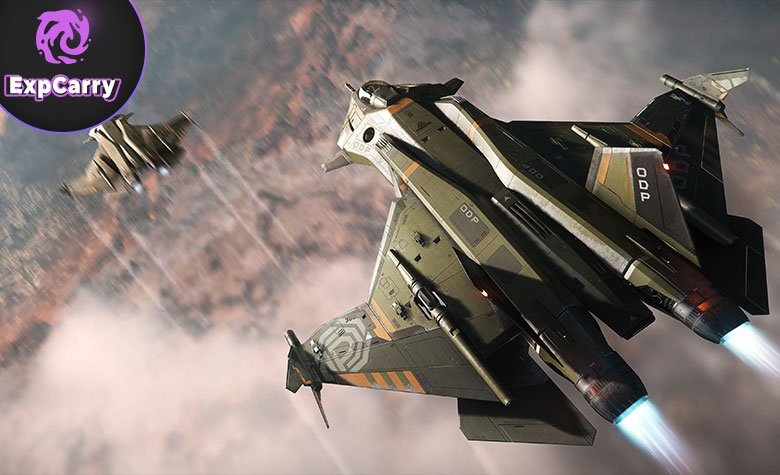
Not every useful group activity has to be a credit loop. Racing, Arena Commander dogfighting, and combat drills are excellent group activities when the goal is skill growth, repetition, and clean short sessions. A group can run practice races, escort drills, formation work, or focused combat training without turning every session into a long economic setup.
This kind of content is useful because it improves performance across other activities. Better piloting helps hauling, mining travel, salvage recovery, combat survivability, and event performance. So even when it is not one of the main Persistent Universe money loops, it is still one of the smartest ways for a crew to improve. Skill compounds. Sloppy flying does too.
Best Group Activities by Party Size
For two to three players, shared contracts, bounty hunting, mercenary work, medical backup, and compact salvage runs are usually the best options. They are easy to organize, easy to repeat, and do not require a giant ship or a full org-level plan. For four to six players, mining crews, bigger salvage runs, cargo operations, and multicrew combat ships become much more rewarding because role separation starts paying off properly.
For larger groups or org sessions, dynamic event missions, structured logistics-combat operations, and multicrew ship support chains become the strongest choices. At that scale, you want activities that reward multiple roles and let the group split into smaller functional teams. Otherwise you just end up with ten people standing around one objective pretending numbers are a strategy.
A Smart Group Progression Path
The smartest group progression is to start with shared contracts, then move into multicrew industrial or combat activities once the team has basic coordination. Early on, the point is not complexity. It is rhythm. Learn how the group moves, who flies well, who manages cargo cleanly, who handles security, who can keep people alive, and who should never again be trusted with route planning.
A clean group progression looks like this:
- Start with shared bounty, mercenary, investigation, or delivery-style contracts.
- Move into multicrew salvage or mining once roles feel natural.
- Add organized hauling and escort runs for logistics-heavy sessions.
- Use medical support and recovery roles during harder bunker or combat content.
- Use larger multicrew ships when the team is ready for more coordination.
- Join dynamic event missions when you want larger-scale operations.
This progression works because it builds competence before complexity. Too many groups try to begin with a giant operation and spend the night rediscovering why structure matters. Start smaller, get sharp, then scale.
Final Thoughts
The best group activities in Star Citizen are the ones that reward role separation, coordination, and shared momentum: shared contracts, multicrew salvage, multicrew mining, organized hauling, medical support, dynamic event missions, and multicrew ship operations that benefit from real onboard teamwork. These are the activities where group play stops being a social accessory and starts becoming the best way to run the loop.
If you want the shortest useful version, it is this: use shared contracts for quick sessions, salvage and mining for industrial teamwork, cargo runs for logistics-heavy play, medical roles to keep the group moving, dynamic events for larger operations, and multicrew ships when your crew is disciplined enough to make ship roles matter. That is where Star Citizen group play is strongest, not in random crowding, but in activities where every extra player actually changes the result.