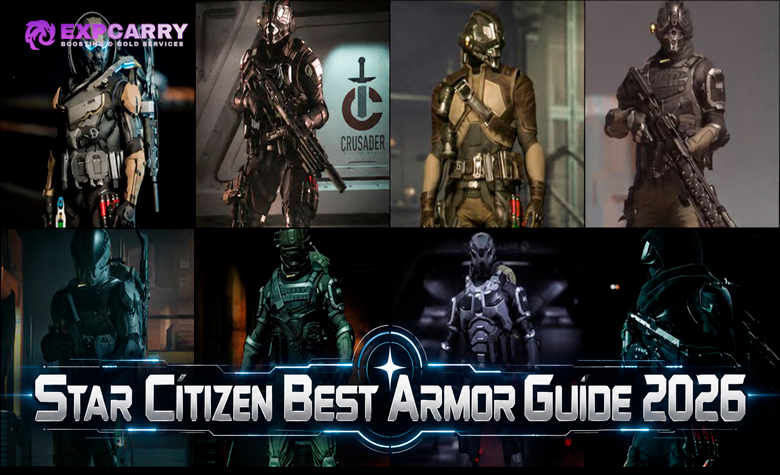

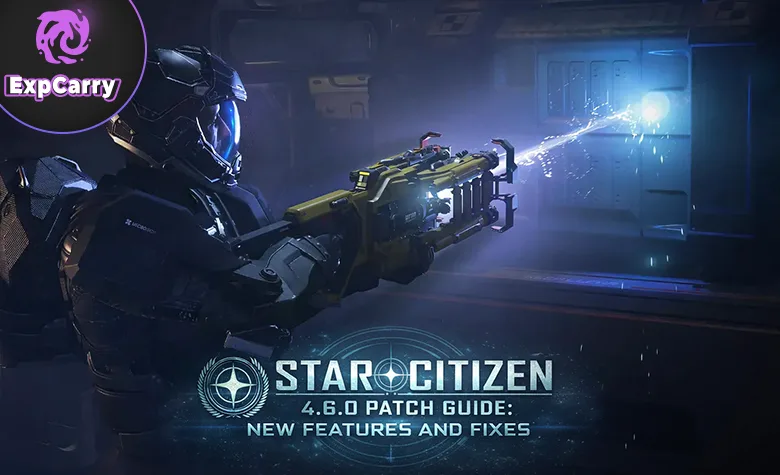
Star Citizen 4.6.0 is shaping up as a stability-focused patch with a strong gameplay push built around a new narrative event, plus quality-of-life updates that improve how the game feels moment to moment. The headline for 4.6.0 is not one giant feature. It is a set of meaningful improvements that work together: a crisis centered on Levski, expanded industrial mission gameplay, cockpit light amplification for better low-light flying, and broad bugfixing aimed at reducing frustrating session killers.
This guide covers what is currently known about Star Citizen 4.6.0 from publicly visible PTU notes and roadmap deliverables. You will get a clear breakdown of what is being added, what is changing, what is being fixed, what may still be unstable in testing, and what to test first if you want immediate value from the patch.
Important note: details can change between PTU builds and the live release. Treat anything tied to mission behavior and contract availability as “subject to iteration” until the patch is fully deployed.
What Star Citizen 4.6.0 Is Trying to Do
Patch 4.6.0 is built around two priorities: improving stability and expanding gameplay loops in a way that creates stronger session structure for players. Bugfixing is a major focus, but 4.6.0 also introduces mission content designed to connect multiple playstyles rather than isolating them. If you mine, salvage, haul, fight, or run escort, this patch is meant to create more reasons to do those activities together instead of farming a single repetitive route.
In practice, 4.6.0 looks like a momentum patch. It is not only about adding new content. It is about making the existing universe feel more connected through mission pressure, event-driven objectives, and systems that improve visibility and interaction reliability.
- Focus area 1: Stability and bugfixing to improve consistency and reduce mission blockers.
- Focus area 2: New narrative event content centered around Levski and Nyx.
- Focus area 3: Expanded industrial gameplay missions tied primarily to mining and salvage.
- Focus area 4: Quality-of-life improvements like cockpit light amplification (LAMP).
Major New Content in 4.6.0
The biggest gameplay additions in 4.6.0 revolve around mission content and event structure. Current highlights emphasize a narrative crisis and industrial mission expansion, both designed to create more predictable gameplay loops and better group coordination. The goal is simple: make it easier to log in and quickly find purposeful work that pays, scales with your setup, and stays engaging.
| Feature | What it adds | Why it matters |
|---|---|---|
| Clearing the Air (Alliance Aid Event) | Narrative crisis centered on Levski with multiple mission types | Creates structured gameplay and pushes groups into varied roles |
| Industrial Resource Gathering Missions | Acquire and deliver specific resources using industrial gameplay loops | Gives mining and salvage more mission-driven direction |
| Kel-To Supply Kiosks | Engineering tools and essential provisions at major cities | Reduces downtime and improves on-location readiness |
| LAMP | Cockpit light amplification for low-light visibility on selected ships | Makes night flying and dark environments more playable |
| FPS Weapons Art Refactor | Visual material and texture updates for several weapons and tools | Improves visual quality and consistency for common equipment |
Clearing the Air Event: What It Is and How It Works
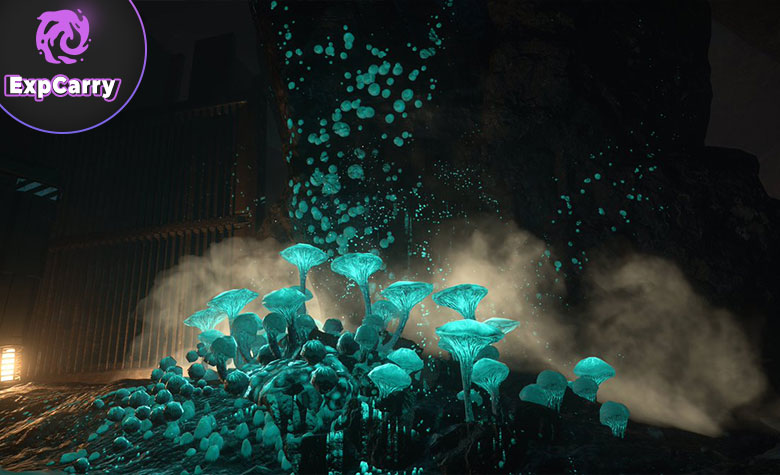
Clearing the Air is a narrative event centered on Levski and the Nyx system. The situation is driven by a spreading illness connected to a fungal infection called “Molina Mold,” linked to faulty air filters. Players support response efforts through mission types that connect logistics, hauling, and combat-adjacent tasks, creating a stronger live-universe feel where your activity ties into a larger crisis.
The key value here is mission variety. This is not intended to feel like a single chain you complete once and forget. Instead, it functions as a rotating event structure that generates different objective types and encourages groups to split roles, such as haulers feeding the effort while escorts protect routes and pilots handle threat reduction.
Mission Types You Can Expect During the Event
Based on currently visible PTU information, Clearing the Air pulls from multiple mission archetypes. That matters because it lets different playstyles participate without forcing everyone into the same grind.
- Hauling missions that move supplies and key materials.
- Courier missions that support time-sensitive deliveries.
- Resource acquisition tasks that connect to industrial gameplay loops.
- Escort and threat-response missions depending on event progression.
- Recover cargo and defend ship style objectives that create group moments.
In practice, events like this work best as a role network. If you have friends, split into two small teams: one focused on logistics, one focused on protection. You will finish contracts more consistently and waste less time recovering from random disruptions.
What Players Should Do First
For the fastest entry into the event loop, the best approach is minimizing downtime and maximizing completion rate. If the event is extremely popular on your shard, you win by finishing objectives cleanly rather than chasing rare outcomes.
- Start with lower-risk hauling or courier objectives to establish a stable route.
- Move into escort or combat-adjacent missions once your routing is consistent.
- Keep a repair and resupply rhythm so small setbacks do not cost you 20 minutes.
- If a mission repeatedly fails due to bugs, rotate mission types instead of brute forcing.
Explore services related to this guide, selected from our Star Citizen catalog.
View All Star Citizen Services

Industrial Resource Gathering Missions (Mining and Salvage)
One of the biggest gameplay expansions tied to 4.6.0 is the growth of industrial mission types. Instead of being handed pre-packaged cargo like classic hauling, these contracts ask you to acquire specific resources through industrial loops, then deliver them to fulfill the job.
This matters because it turns industrial work into a clearer contract-driven structure. Mining and salvage become less “self-directed grind” and more “job-based loop” with defined objectives and predictable reward logic. If the systems work reliably, this can make industrial gameplay easier to approach for players who prefer mission guidance over self-planning.
What Makes These Missions Different From Regular Hauling
- You are not handed the cargo. You must acquire the requested materials first.
- The primary paths are industrial: mining, refining, and salvage-driven sourcing.
- Planning matters because the contract starts before you have the resource in hand.
- Escort and route defense become more natural because you are carrying mission-critical goods.
If you already mine or salvage, these missions add direction. If you do not, they can function like a guided learning path that nudges you into an industrial loop with a clear payoff at the end.
Best Way to Profit From Industrial Missions Early
Early in a patch cycle, reliability usually matters more than perfect efficiency. If contract generation and mission tracking still have edge-case bugs, the best strategy is choosing jobs you can complete with minimal risk and minimal fragile steps.
- Start with shorter acquisition loops and avoid long multi-stage chains until stability improves.
- Keep your load stable rather than gambling everything on maximum-capacity runs.
- Prioritize missions you can repeat cleanly without resets or workarounds.
- If industrial contracts are unavailable in a given build, rotate into event content or alternative loops.
LAMP: Light Amplification for Cockpit Visibility
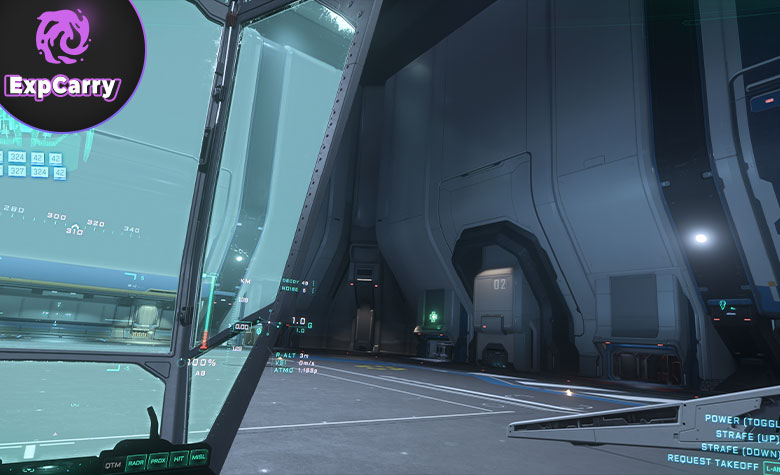
LAMP is one of the most practical quality-of-life additions in 4.6.0. It introduces cockpit light amplification for a limited set of ships, improving visibility in low-light environments. This matters because night flying and dark terrain approaches can be a major friction point, especially for newer players or anyone running mission routes in poor visibility conditions.
If LAMP works smoothly, it can reduce avoidable crashes, reduce time lost on failed approaches, and make certain routes feel far less punishing. Expect ship support to expand over time rather than instantly covering every cockpit.
Where LAMP Has the Biggest Impact
- Night landings on rough terrain or low-visibility outposts.
- Atmospheric flight during storms and heavy weather effects.
- Approaches to dimly-lit landing zones on busy mission routes.
- Exploration in dark regions without relying entirely on external lighting.
The value of LAMP is straightforward: fewer avoidable failures and less “visibility tax” on missions. That directly increases your completion rate per hour.
Kel-To Ship Supply Kiosks and Local Readiness
Kel-To ship supply kiosks are being implemented at major cities and are designed to provide quick access to engineering tools and essential provisions. This type of update is easy to underestimate, but it can noticeably reduce downtime when you are preparing for a run, joining a group, or responding to an event mission without detouring across an entire city.
When you combine kiosks with event content and industrial missions, the intended result is clear: you should be able to gear up and get moving faster, with fewer prep minutes and more gameplay minutes.
Why This Matters for Group Play
- Faster regrouping after a death or ship loss.
- Less waiting for one player who forgot tools or supplies.
- Better event response speed when missions rotate rapidly.
- Cleaner preparation for engineering and repair gameplay.
If your gameplay is mission-driven, convenience updates like this often translate into higher income per session because you simply spend less time traveling for basics.
Vehicle and Equipment Updates (Aurora Gold Standard and FPS Art)
4.6.0 includes vehicle updates and visual refactors for commonly used FPS items. The Aurora is tied to ongoing Gold Standard work, and multiple weapons and tools are receiving updated materials and textures. These changes improve baseline quality by making common gear feel more polished and consistent.
FPS Weapons and Tools Being Refactored
The FPS art refactor targets widely used items, including weapons and utility devices. This is primarily a visual and material quality pass, but improvements like this can also help readability and consistency when swapping between equipment.
- Behring P4-AR
- FS-9
- P6-LR
- Greycat MaxLift Tractor Beam
- Cambio SRT
- CureLife ParaMed Medical Device
- Ripper SMG
If you play FPS often, these updates are worth checking because they can affect clarity, visual feedback, and the overall polish of first-person gameplay loops.
VR Updates and Current Expectations
VR-related updates are referenced as part of 4.6.0 testing focus items, with known issues still present during iteration. The practical expectation should be progress and testing, not perfect support. If you use a VR setup, treat early builds as experimental and focus on reporting issues with clear reproduction steps.
For most players, the main takeaway is that VR development appears active in testing, but stability and core functionality will likely remain the priority before VR becomes mainstream-ready.
Bug Fixes and Stability Improvements
Star Citizen 4.6.0 is heavily focused on stability and bugfixing. Public PTU summaries repeatedly highlight a large number of fixes targeting issues from 4.5.x, including reports sourced from the Issue Council. The biggest takeaway is direction: fewer common blockers and better session reliability.
The best way to judge a stability-focused patch is not counting lines in patch notes. It is watching what breaks less often: mission objectives updating correctly, fewer soft locks, more consistent ship UI behavior, and fewer relogs required to recover a broken state.
Fix Categories Players Will Notice Most
- Mission flow consistency (objectives appearing correctly and progressing reliably).
- Vehicle UI reliability (MFD displays and ship state feedback).
- Combat AI responsiveness (hostiles engaging properly during contracts).
- General usability improvements that reduce random dead time.
During PTU cycles, stability can improve in one build and regress in another. That is normal testing behavior, especially when new mission systems and event logic are being iterated.
Known Issues and What Might Still Be Rough
As with any PTU cycle, 4.6.0 may ship with issues still in motion depending on build maturity. Early notes and tester feedback highlight mission and location issues that can affect event flow, industrial contracts, and UI interactions. The right mindset is not “everything is broken.” It is “the patch is evolving, and some systems may be partially online until final polish.”
Examples of Issues Players Reported During Testing
- Event missions where enemies may not spawn during certain courier objectives.
- Recover cargo objectives not appearing after completing initial tasks.
- Levski kiosk problems, including empty inventories or missing items.
- Missing assets or collision problems in specific Levski areas.
- Industrial mission generation issues causing contracts to be unavailable in some builds.
- Occasional incorrect locations or markers for industrial objectives.
The fastest way to keep your session productive is simple: if a mission chain repeatedly fails, rotate to a different mission type or loop instead of forcing the same objective for an hour.
Fast Player Plan for Patch 4.6.0
If you want results quickly in 4.6.0, your plan should match the patch priorities. That means testing the event, trying industrial missions, and using LAMP in real gameplay conditions. This route works whether you play solo or with friends, and it avoids the trap of trying to test everything at once.
| Session Goal | What to do | Why it works |
|---|---|---|
| Event entry | Run Clearing the Air hauling or courier missions first | Fast completion rate and easy routing while learning the patch |
| Industrial loop | Try resource gathering missions through mining or salvage | Tests the new contract structure and highlights real stability |
| Visibility test | Use LAMP in night conditions and difficult approaches | Immediate quality-of-life impact and clear feedback value |
| Group scaling | Split roles: hauler plus escort, or miner plus protection | Improves completion reliability and reduces disruption downtime |
The strongest way to win early patch weeks is consistency. Build one small loop that works reliably, then expand into riskier content once your base route is stable.
Conclusion
Star Citizen 4.6.0 is shaping up as a stability and structure patch designed to improve session flow while introducing new reasons to play across multiple roles. Clearing the Air brings a narrative crisis centered on Levski with mission variety that supports both logistics and combat-adjacent gameplay. Industrial resource gathering missions aim to give mining and salvage a stronger contract-based structure, while LAMP adds practical cockpit visibility improvements that can reduce travel friction immediately.
If you want the best experience in 4.6.0, focus on reliable mission completion and flexible routing. Start with event missions, rotate into industrial contracts when available, and use quality-of-life systems like LAMP in real conditions. As stability improves across builds, the patch value should grow because its core changes are designed to make gameplay feel more connected and less random.