



TBC Anniversary Arena S1 3v3 Tier List is a fast but complete guide to the best 3v3 comps and the counter patterns that decide most games. It is written for practical climbing: what to queue, how each comp wins, what it loses to, and what to change when you hit your first wall. The goal is not to list every possible team, it is to map the compositions that win consistently in Season 1 conditions and explain how to beat them with clean decisions instead of theory fluff. This guide also includes the Season 1 rules Blizzard posted for TBC Anniversary, because the 1500 rating start, the weekly paid reset option, dampening behavior, and the lighter rating locks change how players gear and how ladders behave in the first weeks. If you understand the rules, you can set realistic targets, pick the right comp for your playstyle, and avoid wasting weeks pushing the wrong goal.
What This TBC Anniversary 3v3 Tier List Covers
This article is built to answer the questions that matter when you queue 3v3 in Season 1: what comps win consistently, why they win, and what you do when you meet your worst matchup. The tier list reflects early TBC ladder behavior where coordinated crowd control, reliable kill windows, and the ability to recover after a failed go decide more games than raw meters. Every tier entry includes a clear win condition, the common ways it gets shut down, and the simplest adjustment that raises your win rate immediately, such as changing your opener goal, swapping target priority, forcing trinkets earlier, or saving mobility for the kill go instead of spending it on damage.
Arena Season 1 Rules That Change How 3v3 Plays
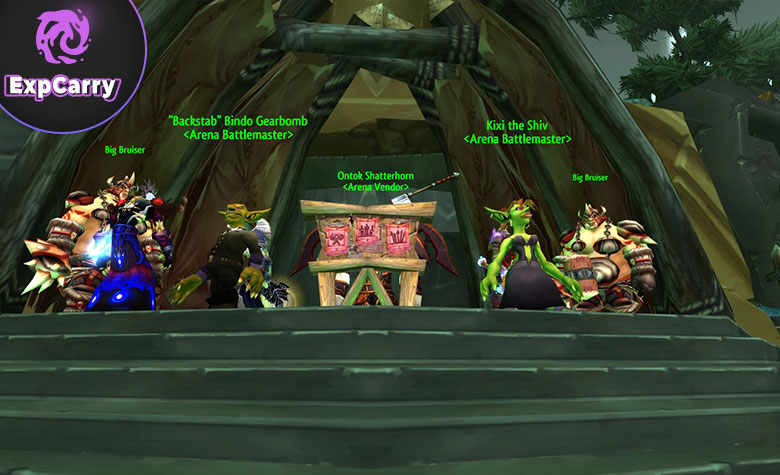
Season 1 in TBC Anniversary is shaped by a few rules Blizzard wrote about in PTR notes and in the Season 1 announcement. Arena rating starts at 1500 for each character instead of 0, and once per week per character you can pay gold to bring your rating back to 1500 if you are currently below 1500, with a separate weekly reset per bracket. Gear access is also easier at the entry level: most PvP gear has no rating requirement, with rating requirements kept only for weapons at 1700 and shoulders at 2000. Dampening exists, but it behaves differently in 3v3 than in 2v2: it is not active by default, and it only begins in extended endgames when BOTH teams have fewer players alive than the bracket size, starting 5 minutes after that condition becomes true. The practical result is that normal 3v3 still rewards clean setups and tempo, while drawn-out endgames after deaths on both sides are decided faster once dampening begins.
| Rule | What it means | Practical impact in 3v3 |
|---|---|---|
| Rating starts at 1500 | You do not climb from 0 and early games are closer to real ladder skill | The ladder stabilizes faster and strong comps reach functional rating sooner |
| Weekly paid reset to 1500 below 1500 | You can recover from learning losses without rerolling or quitting | More teams keep queuing and you can practice hard matchups without long-term damage |
| Most gear has no rating requirement | Rating locks are mostly prestige rather than baseline power | You can build a competitive set through points and honor without being hard blocked |
| Weapons at 1700 and shoulders at 2000 | The main rating targets are clearly defined | Many teams push 1700 first, then refine play or swap comps for a 2000 push |
| 3v3 dampening behavior | Not active by default, only begins in extended endgames when BOTH teams have fewer players alive than the bracket size, starting 5 minutes after that condition becomes true | Most games are decided by setups and tempo, while long endgames after deaths on both sides end faster once dampening begins |
Season 1 Tier List and Counter Patterns
This tier list focuses on what wins consistently in Season 1 conditions: comps that can force trinkets, reset positioning, and then kill on the next clean setup, or comps that can keep pressure high without exposing themselves to one mistake. The simplest rule that explains most of 3v3 is that coordinated control plus a repeatable kill window wins more games than raw damage, because 3v3 punishes chaotic swaps and rewards teams that can run the same clean script every match.
| Tier | Comp | Win condition | Most common counter pattern | What to adjust first |
|---|---|---|---|---|
| S | RMP (Rogue Mage Priest) | Chain CC into burst, win by forcing trinkets then ending on the next full setup | Teams that survive the opener, deny resets, and punish the Rogue when the go fails | Make the first go a trinket harvest, then kill on the next clean chain instead of overcommitting early |
| S | WLD (Warrior Warlock Druid) | Pressure plus control with fast swaps, win by forcing defensives then closing on a swap or coil fear window | Clean setup comps that isolate the Druid and deny drinks, or melee cleaves that keep contact | Protect the Druid early, then call swaps with purpose instead of tunneling one target forever |
| S | RLD (Rogue Warlock Druid) | Control chains with rot pressure, win by forcing trinkets then deleting a target on the next coordinated go | Teams that sit tight, stop resets, and punish the Rogue when stealth tempo is lost | Play for clean openers and re-openers, not open-field brawls, and treat every go as a real attempt |
| A | Shadowplay (Shadow Priest Warlock Shaman) | Rot plus control, win by forcing bad trades and ending on silence fear or coil fear timing | High control setups that can end games before rot snowballs | Hold disruption for the enemy go, then counterpush when their cooldowns are spent |
| A | MLD (Mage Warlock Druid) | Control and pressure with safe resets, win by creating repeated kill windows behind Polymorph and Fear | Teams that train the Mage and deny space, forcing defensive play | Play for space first, then convert one clean CC chain into a kill attempt instead of drifting |
| A | RLP (Rogue Warlock Priest) | CC chains plus burst and rot, win by forcing trinkets then closing on the next setup | Teams that punish the Priest in the open and break the chain early | Keep the Priest safer, shorten the chain to what you can guarantee, then re-go cleanly |
| B | KFC (Warrior Hunter Shaman) | Relentless pressure with interrupts and burst, win by uptime and a coordinated stun burst window | Setup comps that kite the Warrior and control the Shaman during the go | Save mobility and stuns for the real kill window, and do not waste burst into peels |
| B | WLS (Warrior Warlock Shaman) | Pressure plus control, win by swaps and sustained tempo through interrupts | Teams that isolate the Shaman and deny clean casting windows | Play tighter positioning and call swaps earlier instead of staying on a stabilized target |
| C | Off-meta cleaves and hybrids | Win when opponents mismanage cooldowns or positioning | Organized teams that trade defensives correctly and reset after your burst | If your first push fails, reset positioning and force cooldowns before you commit again |
Quick Counter Guide You Can Use While Queuing
Use this as a decision tool, not as an excuse. A counter pattern does not mean you auto-lose, it means you must change your default plan. Most teams lose matchups they could win because they play every game the same way, so the table below tells you what your first adjustment should be the moment you see an enemy archetype.
| If you play | You struggle most vs | Why | Best first adjustment |
|---|---|---|---|
| RMP | WLD and durable pressure teams | They survive your first go and punish failed setups by denying resets | Make the first go a trinket harvest, then reset and kill on the next full chain |
| WLD | RMP and high control setups | You can get split, your Druid gets pressured, and your swaps become late | Protect the Druid early and call swaps with purpose to break their control rhythm |
| RLD | Teams that never separate and never allow stealth tempo | Your Rogue loses re-openers and you get dragged into open-field trades | Commit to full resets and clean re-openers instead of brawling into peels |
| Shadowplay | RMP and burst setups | They can end games before rot advantage matters | Trade defensives early, then counterpush when their cooldowns are gone |
| KFC | RMP and control comps | Your kill windows get peeled and your Shaman gets locked | Hold stuns and burst for the real connect, and do not spend everything into peels |
How To Play Each Top Comp Without Overcomplicating It
This section is a pull-to-pull playbook for each meta comp. Every block answers the same three questions so it stays practical: what your opener is trying to take, what your kill window actually looks like, and what you change when the enemy denies your default script. Read only your comp and the one you queue into most, then stop thinking and just run the same cycle every game.
RMP (Rogue Mage Priest)
RMP wins by repeating one clean cycle: force trinkets and major defensives with the first coordinated chain, reset pace and positioning, then end the match on the next full setup when the target cannot answer. Your opener should be structured and conservative in intent. If you gamble for a kill into cooldowns and it fails, you lose the only thing that makes RMP unfair: control of tempo through resets and re-openers.
Your most common losing pattern is turning into an open-field brawl. If the go does not end the game, you do not keep trading in the open to make it worth it. You re-stealth, you re-shape the fight, and you go again when your chain is real. Versus durable pressure teams, treat go one as harvest and accept it. Force trinkets, force one defensive, then win the second go. Versus teams that try to deny your resets, your adjustment is not more damage, it is cleaner positioning and safer reset timing so your Rogue can re-open without donating health bars.
WLD (Warrior Warlock Druid)
WLD wins by constant pressure plus purposeful swaps that land inside short control windows. Your default plan is to keep contact, force bad globals with rot and uptime, then convert one defensive mistake into a kill by swapping to the target that has the least answers at that exact moment. The comp feels weak only when swaps are late and you tunnel stabilized targets into full cooldowns.
The first minute decides many games because teams will try to break your Druid early to turn the match into chaos. Your discipline here is simple: protect the Druid until the first push is stabilized, then start calling swaps with intention. Against setup comps, your win condition is denying resets and surviving their go without panic trinkets. Once you live through their setup and keep your pressure, they stop getting clean windows and the match becomes yours.
RLD (Rogue Warlock Druid)
RLD is a setup-and-rot hybrid that wins when the Rogue keeps stealth tempo and every go is coordinated. The comp is strongest when you treat each go like a real attempt: open clean, force trinkets early, then reset and end the game on the next coordinated chain when the target cannot escape. If you drift into open-field trading, you give up stealth tempo and the comp loses its identity.
Your biggest adjustment lever is commitment discipline. If a go fails, you do not keep fighting because we have dots up. You reset positioning and re-open. Versus teams that never separate and never allow stealth tempo, your play is stricter: you must earn space for re-openers with positioning and control, not with brawling. When RLD feels unbeatable it is because the enemy never gets to stabilize, they are always reacting to the next coordinated window.
Shadowplay (Shadow Priest Warlock Shaman)
Shadowplay wins by turning matches into a controlled collapse. You trade defensives correctly through the enemy go, you deny drinks and stabilization, and you counterpush when their cooldowns are gone so your rot becomes unavoidable. Your job is not to force one heroic all-in early. Your job is to keep the game in a state where their healer never gets clean globals and their team slowly runs out of safe options.
Your common failure mode is overtrading cooldowns early, then having nothing when the real danger window hits. Versus burst setup comps, plan to survive the first go with correct trades and positioning, then immediately counterpush when their burst is spent. If you do that, the match usually flips, because your pressure stays high while their next window is delayed or weaker.
MLD (Mage Warlock Druid)
MLD wins by control, space, and repeatable kill attempts built behind Polymorph and Fear. The fight is decided by whether the Mage has room to play and whether you convert one guaranteed chain into a real attempt instead of drifting. You do not need fancy swaps. You need one clean chain that forces a real defensive response, then you repeat it until the target cannot answer.
The comp collapses when the Mage is trained with no space and you try to fight on their terms. Your first priority is always space and survival, then you convert the next window with control. Versus teams that deny space, your adjustment is tighter positioning and earlier resets, not longer fights. When MLD is clean, the enemy feels like they are permanently behind the play because they are always reacting to the next CC cycle.
RLP (Rogue Warlock Priest)
RLP wins by combining Rogue setup control with Warlock pressure and a Priest that enables clean chains and punishes mistakes. Your best games look repetitive: force trinkets, reset, then end on the next chain when the target has no answer. The comp is at its weakest when the Priest is dragged into the open and you lose tempo to interrupts, swaps, and panic healing.
Your simplest improvement is safety and chain discipline. Keep the Priest safer, shorten the chain to what you can guarantee, then re-go cleanly instead of forcing long, messy sequences. If your first push fails, you reset positioning and force cooldowns before you commit again. When you do that, RLP stops feeling like almost kills and starts feeling like controlled windows that actually close.
Your Pre-Queue Plan: Win Condition, Trinkets, and the First Go
Before you queue, decide three things and your games get cleaner immediately: your win condition, your trinket plan, and what your first go is trying to take. Season 1 rewards teams that repeat one simple script instead of improvising under pressure, and 3v3 punishes chaos even harder than 2v2 because one bad trade usually turns into a full wipe.
Start with a one-sentence win condition, then lock a trinket plan you will actually follow. Setup comps win by forcing trinkets and defensives with a clean chain, resetting, then ending the match on the next full chain. Pressure comps win by maintaining contact, keeping tempo, and converting one short stun window into a kill instead of spreading damage forever. Decide who trinkets first and who holds, because most teams throw games by panic trinketing the first crowd control and then losing to the second coordinated go.
Finally set the goal for your first go, because it decides the pace of the match. In most games your first go should be a trinket and cooldown harvest, not a hero kill attempt, and if the target lives through your commit you reset and take the next clean window instead of donating the game in the open. If the match ever drops into a long endgame with players dead on both sides, 3v3 dampening only starts if BOTH teams are below the bracket size in living players, and it starts 5 minutes after that condition becomes true, so your job is to force a real end window by stopping drinks, saving one offensive cooldown, and calling one coordinated chain that ends the game.
Conclusion
TBC Anniversary Arena S1 3v3 Tier List is about choosing a comp that matches how you actually play and then mastering its script. RMP wins by forcing trinkets with clean chains and ending on repeatable kill windows, WLD wins by pressure and purposeful swaps, RLD wins by coordinated setups with stealth tempo, and rot teams win by trading defensives correctly until opponents run out of safe globals. The Season 1 rules make it easier for more players to gear and keep queuing, but the ladder still rewards the same core skill: execute your plan while denying the enemy plan. If you pick one strong comp, learn the counter patterns, and make one clear adjustment per matchup instead of playing every game the same way, you will climb faster and with far less frustration.