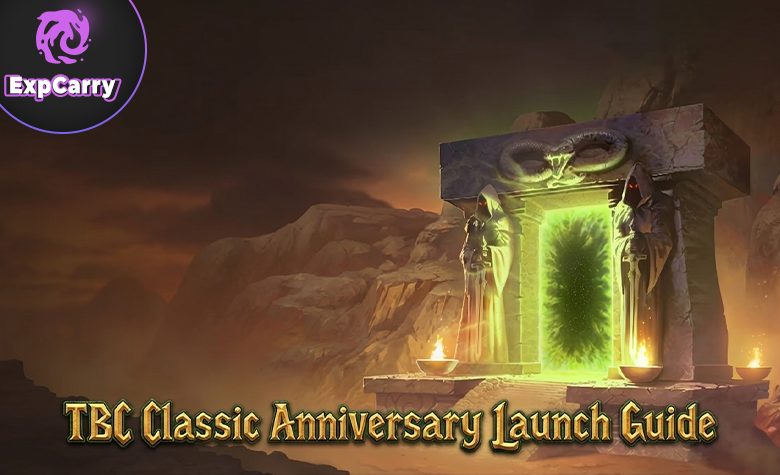

TBC Classic Anniversary Launch Guide covers what Blizzard has officially confirmed about The Burning Crusade Classic Anniversary Edition coming in 2026. It focuses on verified dates, the confirmed launch flow, and the Anniversary ruleset changes Blizzard published in official PTR development notes for patch 2.5.5. It also explains how this release differs from the 2021 Burning Crusade Classic rollout and from the original 2007 version, without guessing at details Blizzard has not announced. The goal is accuracy first, with a practical structure you can use to prepare characters, guild logistics, and early progression plans.
All information below reflects Blizzard news posts and Blizzard PTR notes that were publicly available as of January 7, 2026. Blizzard has confirmed the TBC Anniversary pre-expansion patch date and the free transfer deadline from Classic Anniversary realms to Classic Era realms. Blizzard has not published a precise Outland opening date and time beyond stating the expansion launches early in 2026, so this guide avoids calendar assumptions and only describes what is publicly confirmed.
What TBC Classic Anniversary Edition Is
TBC Classic Anniversary Edition is Blizzard’s Burning Crusade era progression designed for the WoW Classic Anniversary realms. Instead of being a completely separate fresh TBC product, it is positioned as the next step in the Anniversary progression track, which started as fresh Classic realms and was always intended to move forward. Blizzard presents the expansion as a return through the Dark Portal into Outland, with the level cap increasing to 70 and the classic Burning Crusade endgame loop returning. That means heroic dungeons, early raid tiers, and Arena are all part of the identity from the start. The difference is that Blizzard is explicitly treating this as an Anniversary ruleset, so some systems are intentionally adjusted compared to earlier releases.
TBC Classic Anniversary also includes important realm and character routing choices that did not exist in the same way in past versions. Blizzard states that Normal (PvE) and PvP Anniversary realms are intended to progress into the Burning Crusade Anniversary era. Blizzard also states that Hardcore Anniversary realms do not become Burning Crusade Hardcore realms, and Blizzard provides a specific method during the transfer window to move Hardcore characters onto the Normal progression path if you want them to continue into TBC Anniversary. This makes the pre-launch period more than just leveling and gold prep, because you can permanently decide where each character lives. If you care about Classic Era long term, the transfer window is the decision point you cannot recover later.
TBC Classic Anniversary Dates and Launch Flow
TBC Classic Anniversary has two dates that Blizzard has clearly confirmed, and both matter for different reasons. Blizzard confirmed the pre-expansion patch arrives January 13, 2026, after each region’s scheduled maintenance. Blizzard also confirmed the free transfer option from Classic Anniversary realms to Classic Era realms ends January 12, 2026. Blizzard states that after January 12, the transfer option will no longer be available, and any characters remaining on Classic Anniversary realms will continue into Burning Crusade Classic Anniversary by default. That makes January 12 the single most important planning deadline if you want any characters to remain permanently in Classic Era.
TBC Classic Anniversary launch timing also includes one major unknown: the exact Outland opening date and time. Blizzard has not published a specific Outland opening day and time as of January 7, 2026, beyond stating the expansion launches early in 2026. Practically, you should treat the rollout as at least two steps: the pre-expansion patch on January 13, and a later moment when Outland fully opens and the level 60 to 70 rush begins. This distinction matters because pre-patch is the best window for organization and setup, while Outland opening week is where server competition and time pressure spike. For guilds and organized groups, plan your systems readiness around January 13, but wait for Blizzard’s Outland announcement before you lock raid calendars and launch-week schedules.
What’s Confirmed for the TBC Anniversary Era (Once Outland Opens)
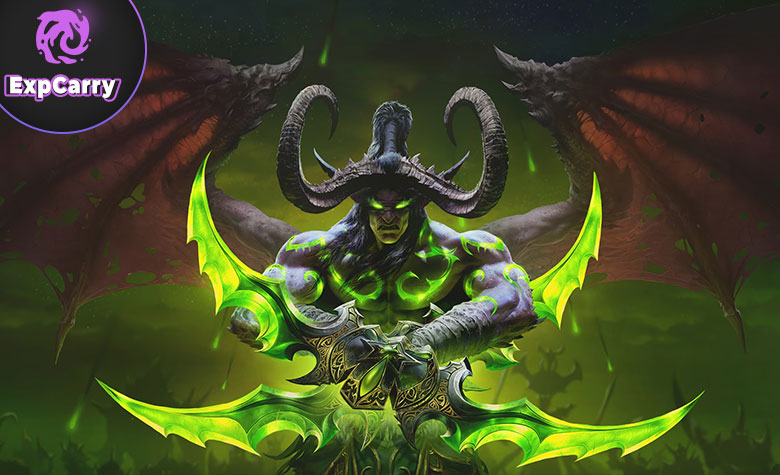
TBC Classic Anniversary includes the familiar Burning Crusade pillars, and Blizzard has highlighted several details that affect how the first weeks will feel once Outland is open. Blizzard confirms the level cap increases to 70 and frames the expansion as the return to Outland through the Dark Portal. Blizzard also highlights the playable Blood Elf and Draenei races, which is a major planning point for players who want to start the era on a new race without losing early momentum. Blizzard names flying mounts and the Jewelcrafting profession, both of which shape early progression and economy pressure the moment Outland is in play. Blizzard also calls out Arena Season 1, signaling that competitive PvP is intended to be part of the early era rather than something delayed far into the cycle.
For PvE groups, Blizzard names the initial raid tier content that defines the first stable weekly endgame schedule: Karazhan, Gruul’s Lair, and Magtheridon’s Lair. For guild organization, Blizzard highlights Guild Bank as available immediately in the Anniversary Edition, which is a meaningful quality-of-life change compared to older versions. Blizzard describes a tab-based system with guild-controlled permissions, and details that the Guild Bank includes eight purchasable tabs with 98 item slots each. That is not just convenience—it changes how quickly a guild can stabilize consumables, crafting mats, and repair gold handling during the first raid weeks. If you lead a guild, you can plan bank rules and contribution standards from day one instead of relying on bank alts and manual distribution.
Blizzard also sells upgrade bundles for the Anniversary Edition, and Blizzard states the Level 58 Character Boost (Anniversary) cannot be used on Draenei or Blood Elf characters. This matters for launch planning because it means new-race players cannot shortcut directly to Outland readiness via that boost. Blizzard also ties the boost to the pre-patch period and uses “anticipated on or before January 31, 2026” availability language—so you should treat it as something that may become available during pre-patch, not necessarily the first minute servers come up on January 13. If your goal is to enter Outland on a Blood Elf or Draenei, your best prep is a leveling plan timed around pre-patch and the Outland opening announcement, not a boost purchase.
The Anniversary Twist: What Changes in TBC Classic
TBC Classic Anniversary differs from earlier releases because Blizzard published an explicit Anniversary ruleset in official PTR development notes for patch 2.5.5. Those notes list several targeted changes that reshape raid planning, attunement repetition, heroic dungeon access, and Arena participation. These are high-impact changes because they affect what you do every week, not just what you see once while leveling in Outland. Blizzard’s framing is not that the expansion is being rewritten, but that a few friction points with outsized impact are being smoothed. If you are returning because you love TBC but disliked repeated chores and roster pressure, these changes are the core of what makes Anniversary TBC feel different.
A useful way to interpret the Anniversary ruleset is that Blizzard keeps the first character journey meaningful, then reduces repetition for everything after that.
That shows up in raid-wide Bloodlust design, account-wide raid access after completing attunements, and alt-friendly heroic key shortcuts once one character has completed the full requirements. It also shows up in Arena changes aimed at participation, like a 1500 rating start and fewer rating gates for most gear, while keeping a smaller set of prestige requirements intact. Blizzard also included smaller but important items like Edit Mode as a UI option and Terocone respawn improvements, which target everyday play and economy pressure. The result is still recognizably The Burning Crusade, but with a curated ruleset designed for how Classic communities actually play today.| System | Confirmed Anniversary change | Practical impact |
|---|---|---|
| Heroism and Bloodlust | Raid-wide with a 10-minute Sated or Exhaustion debuff | Less party stacking pressure and simpler raid cooldown planning |
| Heroic keys | First character attunes normally, then account-bound keys for alts with a Friendly requirement | Alt readiness becomes much faster after one full completion |
| Raid attunements | First character completes attunement, then raid access unlocks account-wide | Stops repeating long attunement chains on every character |
| Arena rating and PvP gear | Start at 1500, weekly paid reset to 1500 below 1500, reduced rating gates for most gear | Lower barrier to entry and smoother path to functional gear |
| UI and economy | Edit Mode added, Terocone respawn increased and additional nodes added | Better UI flexibility and less pressure on a key herb bottleneck |
Raid-wide Bloodlust and Heroism
TBC Classic Anniversary changes one of the most controversial mechanics in classic raid composition: party-only Bloodlust and Heroism. Blizzard states that Heroism and Bloodlust are raid-wide in the Anniversary Edition rather than party-only. Blizzard adds a 10-minute Sated or Exhaustion debuff to control frequency, and Blizzard specifies that this specific ability and debuff only reset on boss kill and wipe. This is a major structural change because party-only Bloodlust was a major driver of roster pressure and party micromanagement in TBC. Raid-wide Bloodlust reduces the incentive to stack specific class distributions purely for party-based coverage and lowers the need to rebuild parties mid-raid just to optimize cooldown access. It also makes boss planning cleaner because the entire raid aligns around one shared window rather than several party-specific windows.
Attunements and Alt-friendly Unlocks
TBC Classic Anniversary attunements are still present, but Blizzard redesigned how often you have to repeat them. Blizzard states every player’s first character must become fully attuned for heroic dungeons by reaching Revered reputation, which preserves the traditional access gate once. After that, Blizzard states players can purchase a bag containing a Bind-on-Battle.net-Account key to send to alts. Blizzard also states alts must reach at least Friendly reputation to use the key and gain attunement for that character, which keeps a basic engagement requirement without forcing a full grind. For raids, Blizzard states every player’s first character must become fully attuned for each raid, and once completed, that raid will be unlocked for all characters on the player’s Battle.net account. The design is direct and easy to plan around: do the long chain once, then let your account benefit.
This changes how players should approach early progression if they enjoy multiple characters. In older versions of TBC Classic, spreading effort across multiple characters early often slowed overall progress because every character repeated the same gates. In Anniversary TBC, Blizzard’s rules reward focusing on one anchor character first, completing the full heroic and raid attunements, and then leveraging account-wide unlocks to bring alts online faster. That should improve guild flexibility because individuals can realistically maintain multiple raid-ready roles without repeating the entire administrative path each time. It also helps players who split time between PvE and PvP, because they can keep separate characters for different activities without multiplying the friction. This is one of the clearest examples of Blizzard modernizing the experience without removing the identity of TBC progression.
Difficulty Direction for Raids and Heroics
TBC Classic Anniversary has a clear, confirmed stance on early raid difficulty. Blizzard states that Tier 4 raids will be released in their post-nerf state. The practical meaning is that the early raid tier is positioned as more accessible weekly content for a wide range of groups rather than being tuned as a hard gate that only top rosters can clear quickly. This matters for roster stability because more accessible Tier 4 content usually supports smoother recruitment, fewer weekly cancellations, and less pressure to over-optimize every slot. It also changes how quickly casual and midcore guilds can begin building consistent clear patterns and loot distribution routines.
At the same time, Blizzard (via PTR follow-up) states they are reverting Heroic dungeons on the PTR to use “pre-nerf” tuning. Blizzard’s stated goal is to keep Tier 4 raiding more casual-accessible while letting Heroics provide more challenging early content for players who want to push gearing speed and difficulty. Practically, this creates a clearer split: raids support stable weekly progression for more groups, while Heroics become the sharper challenge track early on. If your goal is to raid reliably instead of sweating every early week, the post-nerf Tier 4 stance is a big quality-of-life win—but if your group likes hard 5-mans, the confirmed “pre-nerf Heroics” direction is the key note to plan around.
Arena and PvP Changes
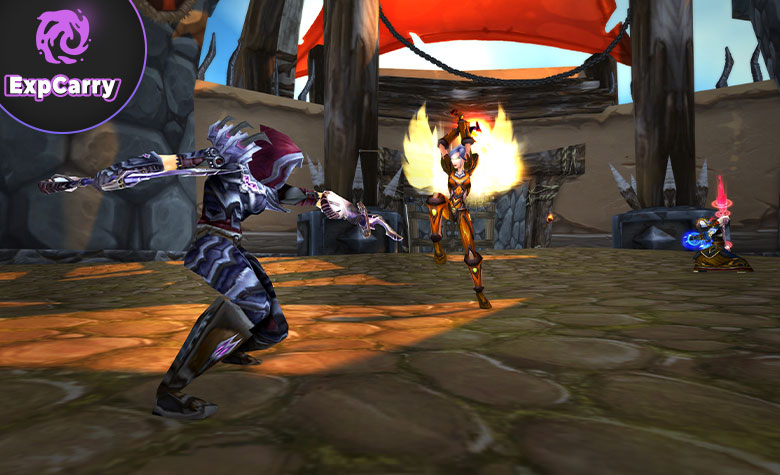
TBC Classic Anniversary makes Arena more approachable without removing prestige targets at the top. Blizzard states each character’s Arena rating now starts at 1500 instead of 0. Blizzard also states that once per week per character you can pay gold to reset your rating back to 1500, but only if you are currently below 1500, and each bracket has its own weekly reset. Blizzard removes rating requirements for most PvP gear purchases, keeping requirements only for shoulders at 2000 rating and weapons at 1700 rating, and Blizzard states the overall cost of PvP gear has been lowered slightly. This structure is designed to increase participation because players can get functional gear without being blocked by high rating thresholds. At the same time, Blizzard preserves a smaller set of prestige gates so that top-end competitive rewards still have meaning.
Blizzard also states faction reputation PvP gear will be sold starting with the first Arena Season. Blizzard further states the item set bonuses for those reputation PvP sets have been combined with their honor gear equivalents, meaning players can mix honor and reputation pieces to unlock two-piece and four-piece set bonuses. This matters because it increases gearing flexibility and reduces the sense that there is only one correct path. It also encourages participation in more parts of the game because different activities can contribute to a single functional PvP build. Combined with the rating start and reduced rating gates, this is one of the most direct attempts to keep the ladder active for longer. If your goal is to play Arena without turning it into a second job, these are the confirmed changes you should understand before the season begins.
UI and Economy Notes
TBC Classic Anniversary also includes smaller changes that are easy to overlook but matter every day. Blizzard states that Edit Mode is added as a quality-of-life option for user interfaces. That means more players can adjust basic UI layout without relying entirely on addons for core positioning. Blizzard also states Terocone’s respawn rate is increased and additional Terocone nodes have been added. Terocone is a high-demand Outland herb, and early expansion herb bottlenecks can heavily influence consumable prices and availability during the first raid weeks.
By calling out a specific herb, Blizzard signals it is monitoring resource chokepoints that historically created early economy stress. This kind of adjustment can reduce the worst spikes in flask and potion costs and make raid consumables more accessible for average players. It also helps profession players because a more stable herb supply reduces the feeling that you are fighting the world just to keep a crafting pipeline running. Combined with a more accessible Tier 4 raid tier, it contributes to a broader theme in Anniversary TBC: keep the core fantasy and progression, but reduce unnecessary friction.
How This Launch Differs From 2021 and From Original TBC
TBC Classic Anniversary differs from the 2021 Burning Crusade Classic launch in both transition structure and ruleset philosophy. In 2021, Blizzard published a precise global Outland opening schedule and announced a clear launch date of June 1, 2021, with time-zone release times. Blizzard also described a three-way choice during the 2021 transition: advance to Burning Crusade, move to Classic Era, or use the Character Clone service to play in both games. That model shaped how players approached the fork because it created a temporary way to preserve one character identity in two ecosystems.
In 2026, Blizzard confirmed a limited-time free transfer window to Classic Era with a hard deadline, and Blizzard states that characters remaining on Classic Anniversary realms will continue into TBC Anniversary by default after the deadline. This is simpler as a model, but it is not the same as the 2021 clone approach and should be treated as a one-time routing decision rather than an ongoing option.
The ruleset philosophy also differs. The 2021 release emphasized recreating Burning Crusade systems in a Classic environment, while the 2026 Anniversary release includes explicit mechanical changes documented in official PTR notes. Raid-wide Bloodlust, account-wide raid unlocks after attunement, and alt-friendly heroic key shortcuts are structural interventions that reshape core progression loops. Blizzard also highlights Guild Bank as available immediately for Anniversary TBC and describes it as part of the launch experience, which improves early organization. Compared to the original 2007 The Burning Crusade, the Anniversary edition exists in a different ecosystem where players bring solved metas, optimized routes, and mature tools, so even identical systems would feel different. Blizzard’s confirmed changes push the difference further by modernizing a few high-impact systems while keeping the content, world, and class identity recognizably TBC.
| Category | 2026 TBC Anniversary | 2021 TBC Classic |
|---|---|---|
| Transition model | Limited-time free transfer window to Classic Era, then default progression | Choice plus optional Character Clone service across versions |
| Launch timing communication | Pre-patch date confirmed, Outland opening date not announced yet | Global Outland opening date and time schedule published in advance |
| Ruleset approach | PTR-documented changes like raid-wide Bloodlust and account-wide unlocks | Closer to recreation baseline, fewer structural redesigns |
| Alt progression | Explicitly supported via account-bound keys and account-wide raid access | More repetition required for keys and attunements per character |
Practical Preparation Plan
TBC Classic Anniversary preparation is easiest when you plan around the confirmed deadlines first, then use pre-patch time efficiently. Step one is deciding which characters must remain on Classic Era and completing those free transfers before January 12, 2026, because Blizzard states the transfer option ends after that date. Step two is treating the pre-expansion patch on January 13 as your organization window, where you update addons, reorganize banks, align professions, and coordinate guild roles. Step three is planning for new races correctly: Blizzard states the Level 58 Character Boost (Anniversary) cannot be used on Blood Elf or Draenei characters, so new-race players should plan normal leveling rather than expecting a shortcut. These steps reduce launch-week friction far more than last-minute farming routes.
Once Outland opens, focus on one anchor character early to unlock the account-wide benefits Blizzard has confirmed. Blizzard’s attunement model rewards completing full heroic and raid attunements on a first character, then using account-wide raid unlocks and account-bound keys to bring alts online faster. If you are a PvP-focused player, build your plan around the confirmed Arena system changes: starting at 1500 rating, relaxed rating requirements for most gear, and a weekly paid reset below 1500 encourage consistent play and experimentation without long-term punishment. Finally, keep your schedule flexible until Blizzard announces the exact Outland opening date and time, because that is the one missing piece that will define the real launch-week calendar.
Conclusion
TBC Classic Anniversary Launch Guide comes down to a small set of confirmed facts and a straightforward plan. Blizzard confirmed the pre-expansion patch arrives January 13, 2026, and Blizzard confirmed the free transfer window from Classic Anniversary realms to Classic Era ends January 12, 2026, after which characters remaining on Classic Anniversary realms continue into Burning Crusade Classic Anniversary by default. Blizzard also published official PTR development notes that define the Anniversary ruleset, including raid-wide Bloodlust, alt-friendly heroic key shortcuts, account-wide raid unlocks after attunement, Arena accessibility changes, and targeted UI and economy adjustments. Blizzard also clarified the intended early difficulty split: Tier 4 raids are post-nerf for a more accessible weekly raid experience, while Heroic dungeons on PTR have been reverted to “pre-nerf” tuning for groups that want a tougher early challenge. What Blizzard has not confirmed yet is the exact Outland opening date and time, so the best approach is to prepare systems, characters, and guild logistics during pre-patch and finalize schedules only after Blizzard posts the Outland opening announcement. The core experience remains The Burning Crusade, but the Anniversary edition is a curated version designed to reduce repeated friction while keeping first-time progression meaningful.