
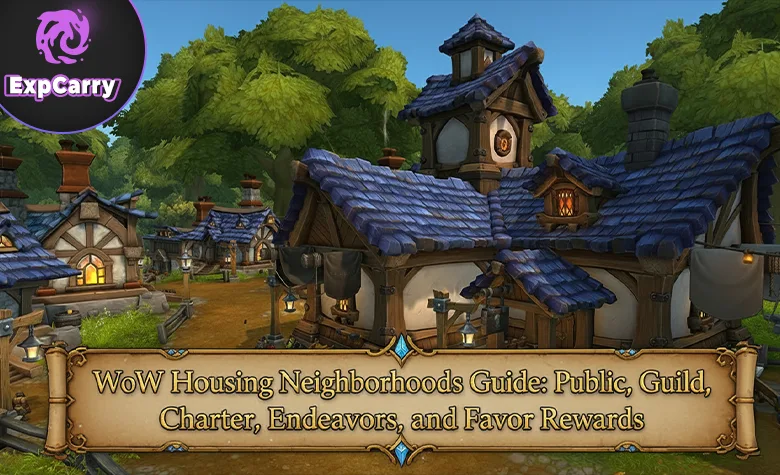
Neighborhoods are the part of WoW housing that decides whether the system feels social or lonely. Your house is personal, but your neighborhood is the shared space that makes housing feel like an MMO feature instead of a private instance. If you understand how neighborhoods work, you avoid the most common housing frustrations: dead streets, permission drama, slow progress, and wasting effort on the wrong kind of community. This guide explains neighborhood types, joining and moving, permissions and roles, Endeavors and Favor, and practical playbooks for solo players, guilds, and curated groups. The focus is practical: pick the right neighborhood, set it up cleanly, and progress without turning housing into chores.
This is a practical guide to WoW housing neighborhoods in Midnight, including public streets, guild neighborhoods WoW communities build around, and charter groups that want curated neighbors. Note for Housing Early Access: at the start, the playable choices are Public and Guild neighborhoods, while Charter neighborhoods are planned for a later phase. Also note for Housing Early Access: housing Endeavors events and the Community Coupons reward loop are planned for later rollout and are not active at the start of Early Access.
What a Neighborhood Is (And Why It Matters More Than Your House)
A neighborhood is the shared housing zone where multiple player plots exist side by side. Your plot is your home and yard, but the neighborhood is the street, the social layer, and the community ecosystem around housing. It is where you see other homes, where you visit and host, and where neighborhood-wide systems can reward participation.
Neighborhood choice changes your day-to-day experience more than most players expect. The same house can feel exciting or pointless depending on whether the street is active at your playtimes, whether neighbors build and update, and whether visitors actually show up. It also shapes comfort and safety, because permissions and basic community etiquette matter more when you live near other players.
The social layer, street identity, and plot vibe
A neighborhood is the MMO layer of housing because it creates visibility and shared context. You are not only placing objects, you are living near other players, seeing builds evolve, learning by observation, and getting inspiration from how others solve layout problems. That is why visiting feels natural: a street of homes creates a sense of place, and hosting becomes part of the rhythm because people have a reason to walk around and look.
Plot vibe is not just cosmetic. A quieter spot fits players who want a private studio and minimal foot traffic. A more visible spot fits players who want a showcase home and more casual visitors. Neither choice is better, it is about matching your goal. The biggest trap is treating neighborhood selection like a one-time cosmetic pick when it is closer to choosing a community environment.
Neighborhood Types: Public, Guild, and Charter
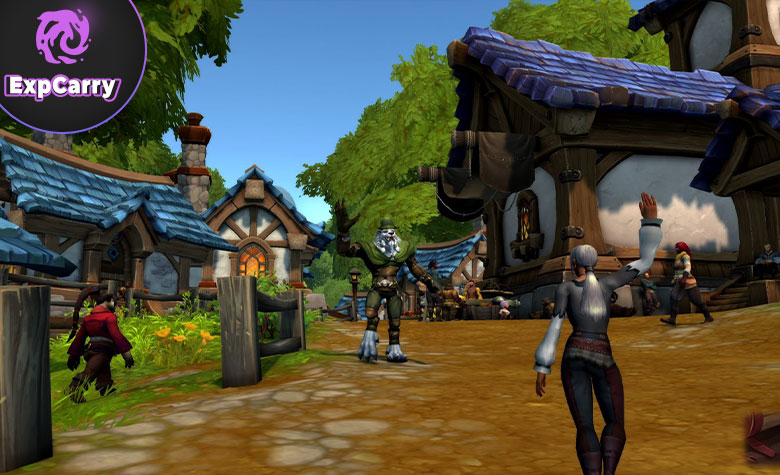
Neighborhood type is the first decision that determines how much control you have and how much responsibility you carry. The wrong type creates frustration: solo players feel trapped in management, while organized groups feel stuck in randomness. The core tradeoff is simple: public is fast and easy, private is controlled and curated.
Do not pick based on what sounds prestigious. Pick based on your actual behavior and schedule. If you hate managing people, avoid options that require leadership. If you want stable neighbors, avoid options where you cannot curate membership. Also treat your first choice as reversible unless you are joining a trusted group, because housing is long-term and moving should be a normal tool. In Early Access, the practical decision is usually Public versus Guild, with Charter reserved for later.
Public neighborhoods
Public neighborhoods are the low-friction option. You can join quickly, you do not need coordination, and you can start building immediately. This is the best default for solo players, casual players, and anyone who wants housing without management work.
The tradeoff is control. You do not curate who moves in, and activity levels vary. Public works best when you control what you can: set clean permissions, build an exterior that reads well from the street, and use the yard as the welcoming layer while keeping the interior controlled if you want safety.
Private neighborhoods: guild and charter
Private neighborhoods exist for players who want curated neighbors and a stable street identity. The benefit is predictability: you know who lives near you, you can coordinate participation, and you can shape neighborhood culture. The cost is governance, because someone must handle invites, permissions, and conflict when it happens.
Guild neighborhoods fit organized groups with an existing structure and shared goals. They are strongest when leadership keeps rules simple, spreads responsibility across a small manager team, and frames neighborhood participation as optional and social, not mandatory and exhausting. In Early Access, guild neighborhoods are the private option you can actually run, and they have setup rules tied to recent guild activity: creation requires at least 10 unique, recently active accounts in the guild; removing a player from the guild removes them from the guild neighborhood; and guild neighborhood ownership is separate from guild leadership and can be transferred independently.
Charter neighborhoods fit curated groups that are not necessarily guilds, such as friend circles, roleplay communities, or builder collectives. Charters succeed when the purpose is explicit and membership is intentional, because a private street without a clear reason to exist tends to decay into inactivity. If you are planning a Charter, treat it like a launch project: define purpose, define membership rules, and recruit enough residents to survive normal breaks.
Joining and Moving: How to Avoid Getting Stuck
Most housing regret comes from joining the wrong place too quickly. Players rush to claim a house, then realize the neighborhood vibe does not match their playtimes, their privacy needs, or their social expectations. That is normal, and it is fixable if you treat joining like picking a community environment instead of picking a wallpaper.
Moving should be part of a healthy housing loop. If your street is dead at your hours, you should not stay out of stubbornness. If your community is full of drama, you should not negotiate your peace away. You move, keep your progress, and keep building. Your build strategy should assume you might move at least once, which does not mean building bland, it means building modular so your layout can adapt.
A joining checklist that prevents regret
Start with privacy. Decide whether you want random visitors in your yard, and whether you ever want strangers in your interior. Many players get the best balance with a welcoming yard and a controlled interior, opening the interior only for hosting. Next, decide your social goal: if you want visitors, you need a build that reads well from the street, with clear entry pathing and lighting that makes the exterior feel intentional at a glance.
Then check activity at your real hours, not only at peak hours. A street can look lively on weekend prime time and still feel dead on your weekday schedule. If you are joining a private neighborhood, also ask about governance: who invites, who can remove inactive members, and what the permission policy is. A private street without basic rules becomes personal drama fast.
Relocating without losing your work
Relocation should not mean deleting your design. The intent of a modern housing system is to protect player effort by saving your house state so you can pack up and unpack later when you claim a new place. Early Access systems can iterate over time, but the goal is consistent: moving should be a practical tool, not a punishment.
Use moving as optimization. Start public to learn the tools and grow your catalog baseline, then move private when you have a theme, a routine, and a clear idea of what kind of neighbors you want. Keep your core layout portable, and avoid building your entire identity around one fragile placement trick that is painful to adjust later.
Explore services related to this guide, selected from our World of Warcraft catalog.
View All World of Warcraft Services


Permissions and Roles: The Difference Between Safe and Stressful
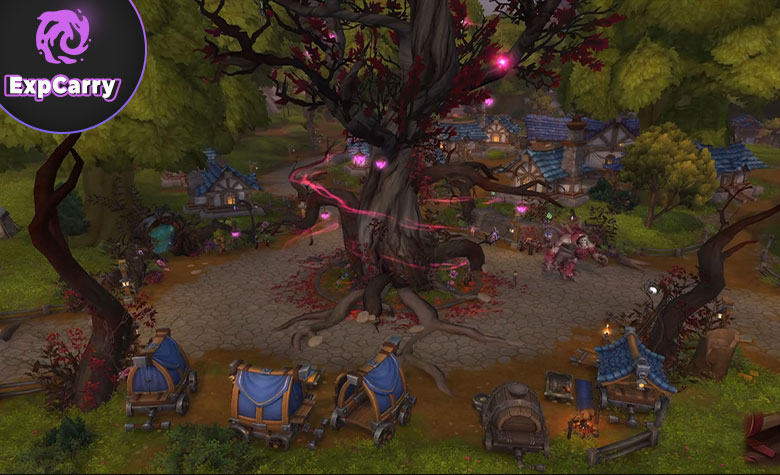
Permissions are the backbone of housing comfort. They decide whether housing feels welcoming or stressful, and most permission problems come from setting access rules too late or setting them too loose and then trying to tighten them after something goes wrong. Start with one principle: treat the yard and interior differently.
The yard is your public face and the easiest place to be social without risk. The interior is your private space, even if you enjoy visitors. Private neighborhoods also need role structure for the same reason: without roles, you get permission creep where too many people gain too much power. If you remember one thing, make it this: solve social problems with access tiers and roles, not arguments.
Access tiers that look good and work in practice
The best default pattern is open yard, controlled interior. Visitors can walk around and enjoy the street vibe, but the interior remains a space you share only when you want to. For roleplay and event hosting, time-based access is the cleanest rule: open the interior when you are present, close it when you are offline.
Consistency matters more than perfection. Set the rule once, stick to it, and only loosen access when you are intentionally hosting. This keeps housing social without making it feel like your home is permanently exposed.
Governance that prevents drama in private neighborhoods
Private neighborhoods need a clean model: owner, managers, and members. The owner controls neighborhood-wide settings, managers handle invites and basic moderation, and members decorate and participate without having permissions that can destabilize the community. Keep the manager list short, because too many managers creates conflict about what the neighborhood should be.
For guild neighborhoods, tie governance to guild rank instead of inventing a parallel hierarchy. For charters, pick stable leadership first and enthusiastic leadership second. If someone repeatedly abuses access or breaks etiquette, remove them quickly, because trust is the foundation of a private street.
Endeavors and Favor: How Neighborhood Progress Works
Endeavors are the part of housing that keeps neighborhoods from becoming static. They give the street a reason to feel alive over time through recurring neighborhood cycles that reward participation. A good Endeavor system feels like shared momentum, not mandatory chores. In Midnight, these housing Endeavors events are designed as ongoing housing community events Midnight players complete together, typically on a recurring cadence, with tasks that allow multiple playstyles to contribute. In Housing Early Access, Endeavors are planned for later rollout and are not active at the start.
Neighborhood Favor rep WoW is the renown/rep track that connects neighborhood activity to long-term housing progress. Neighborhood Favor is not about combat power. It is about housing progression unlocks and upgrades that make your home and neighborhood participation more capable over time. In practice, the Endeavor system splits rewards into two lanes: Neighborhood Favor (rep/renown) for long-term progression, and Community Coupons as the cycle reward you spend at the Endeavor Trader for themed decor and other housing-focused items tied to the current cycle.
How Endeavors should feel, and how to keep them from becoming chores
Endeavors work best when they accept many playstyles. If tasks reward only one content lane, participation collapses and the system becomes stressful. If tasks reward normal play across multiple lanes, the street stays healthy and players can contribute without forcing themselves into content they hate.
Your best practice is simple: contribute through what you already do. If you run dungeons-service">dungeons-services">dungeons anyway, that helps. If you craft or gather anyway, that helps. If neighborhood leadership turns Endeavors into mandatory schedules, you recreate the garrison-chore feeling in a new outfit, so keep participation encouraged, not enforced.
Rewards, themed vendors, and why Favor matters long-term
The strongest housing reward model is themed decor tied to cycle progress, often via vendors or visiting NPCs. Decor is visible, satisfying, and meaningful for housing, while raw currency alone can feel abstract. Community Coupons are the practical spending tool for cycle rewards, because you can take the coupons you earn from Endeavors and buy the themed decor you actually want from the Endeavor Trader. Neighborhood Favor is the long runway progression bridge that ties participation to longer-term upgrades and reward access, like deeper house progression and broader decoration freedom.
The healthiest mindset is steady accumulation. Do not sprint Neighborhood Favor. Build a routine you can sustain for months, because housing is designed to be evergreen, and burnout kills creativity faster than slow progress ever will.
These housing Endeavors are designed to act like housing community events Midnight players can join together, while Neighborhood Favor rewards keep long-term house progression moving. Treat Community Coupons as the cycle reward you spend on themed vendor items, and Neighborhood Favor as the progression track that keeps your home improving over time.
Practical Playbooks: Solo Players, Guilds, and Charters
Definitions are easy. Execution is what decides whether housing is fun. Different groups should treat neighborhoods differently because their constraints differ: solo players need low friction and privacy control, guilds need governance and resilience, and charters need purpose and recruitment discipline.
The goal is to minimize management overhead so creativity stays fun. Permissions can make a neighborhood feel more open or more private without changing neighborhood type, so you do not need to choose between being a hermit and being a doorman. Host on your terms, and build routines that match your real schedule.
One section, three playbooks
Solo and casual players: start in a public neighborhood, learn the tools, and build a baseline home quickly. Use open yard, controlled interior as your default until you decide you want more visibility. When neighborhood cycles are active, contribute through what you already enjoy, not through content you hate.
Guild leaders and officers: set three rules early: how invites work, how permissions work for events, and how you want to approach neighborhood cycles. Keep rules simple and consistent, spread responsibility across a small manager team, and frame participation as optional help, not mandatory chores.
Charter groups: define the purpose first, then invite to match purpose. Keep governance minimal with one owner and one or two managers, plus a clear inactivity policy. Recruit enough residents to survive normal inactivity, because a perfect street of five people is still a dead street if three stop logging in.
Common Problems and Fixes That Actually Work
Neighborhood systems fail in predictable ways: streets go quiet, permissions get messy, leadership disappears, and cycles start to feel like chores. The good news is that most fixes are structural, not emotional. Do not argue about access, set access tiers. Do not guilt people into participation, keep it optional and rewarding. Do not stay in a dead neighborhood, move.
Also do not over-rule the street. Too many rules create friction and invite conflict. Keep governance focused on problems that actually harm the neighborhood, and keep a simple backup plan for private communities so the street does not collapse if one person takes a break.
Fewer headings, real fixes
Permission drama: reduce manager roles, tighten interior access, and standardize the default to open yard, controlled interior. If someone repeatedly abuses access or breaks etiquette, remove them quickly, because trust is the foundation of private neighborhoods.
Cycles feel like chores: stop scheduling them like mandatory raids. Let normal play contribute, and run optional activity windows instead of enforcing checklists. A community system should feel like shared momentum, not a job.
The street feels dead: public neighborhoods can be swapped until you find one that matches your hours. Private neighborhoods need recruitment and an inactivity policy or they will decay. Do not wait months hoping activity returns by magic.
Theme conflict: decide whether the neighborhood is themed or free-form. If themed, communicate it clearly before inviting new members. If free-form, accept variety and stop trying to control taste.
Fast Progress Option: When You Want Neighborhood Rewards Without the Time Sink
Neighborhood rewards are strongest when participation is consistent, and consistency takes time. For many players, the slow part is not decorating, it is maintaining steady progress across multiple lanes while still doing normal WoW goals. Progress also depends on community health, because completing cycles smoothly is easier when enough residents contribute in the ways they already enjoy.
If your goal is to maximize rewards quickly, the practical bottleneck is efficient participation: choosing fast, repeatable activities that contribute to Endeavors, keeping your Neighborhood Favor gains steady, and targeting the content lanes that also drop useful housing items. ExpCarry can help by accelerating time-heavy steps that feed neighborhood rewards and housing progression, so you can focus on building and hosting instead of grinding every lane yourself.