
WoW Midnight Prey is not really about whether you can kill the target. The real question is whether Normal or Hard gives you the better return for your time, your gear level, and the kind of route quality you can realistically maintain each week. That is what decides whether a hunt feels efficient or turns into a slow outdoor chore with weaker value than it should have. If you pick the wrong difficulty or drift through the zone without structure, you lose time before the final fight even starts. Prey works best when you treat it like a compact weekly objective instead of a random boss chase. You unlock hunts through Magister Astalor Bloodsworn in Murder Row, Silvermoon City, then build progress in a chosen Midnight zone through normal zone play, unique World Quests, and Prey-specific mechanics until the target reveals itself for the final summon and kill.
This guide focuses on the comparison that matters most for most players: Normal vs Hard. Midnight also includes Nightmare difficulty, but that is a higher-end extension of the system rather than the baseline weekly decision most players make first. Here, the goal is practical: what changes between Normal and Hard, which one is better for your current character, and how to route a hunt so the run stays compact instead of dissolving into empty travel and wasted time.
Start here: how WoW Midnight Prey works before you choose a difficulty
Prey is an opt-in Midnight activity built around tracking powerful targets through the expansion zones. After taking a contract from Astalor, you continue playing in the selected zone while building hunt progress through regular zone activity mixed with unique Prey elements. Blizzard's official explanation makes clear that the system is meant to unfold through normal gameplay rather than through a single scripted objective. Your target may find you before you find it, ambushes can interrupt your route, and the final encounter only comes after enough progress has been built.
That design changes the usual outdoor-content mindset. You are not supposed to clear everything in sight. You are supposed to move through worthwhile activity, convert encounters into forward progress, and stop padding the run once the target is ready. A good hunt feels fast because each movement advances the objective. A bad hunt feels slow because the player keeps riding to isolated tasks, wastes time after the reveal, or treats the system like a zone-wide scavenger hunt instead of a compact weekly loop.
Where Prey starts and why route quality matters
Prey begins with Magister Astalor Bloodsworn in Murder Row, Silvermoon City. Once you accept a target, the system tracks your progress while you continue through useful content in the chosen zone. Blizzard specifically frames Prey as something you do alongside normal zone play, unique World Quests, and other discoveries, which is exactly why route quality matters more than raw damage alone. The hunt is not only the final boss. The hunt is everything that happens before that boss appears.
Most players instinctively judge Prey by the final kill, but that misses where the real time is won or lost. The longest part of a weak hunt is usually not the boss. It is the wasted travel between thin objectives, the refusal to follow high-value local activity, and the habit of continuing filler content after the system has already given you the reveal. Prey rewards structure. If your route is compact, even moderate gear can make the system feel efficient. If your route is bad, stronger gear only hides the inefficiency instead of fixing it.
Normal vs Hard rewards: what actually changes
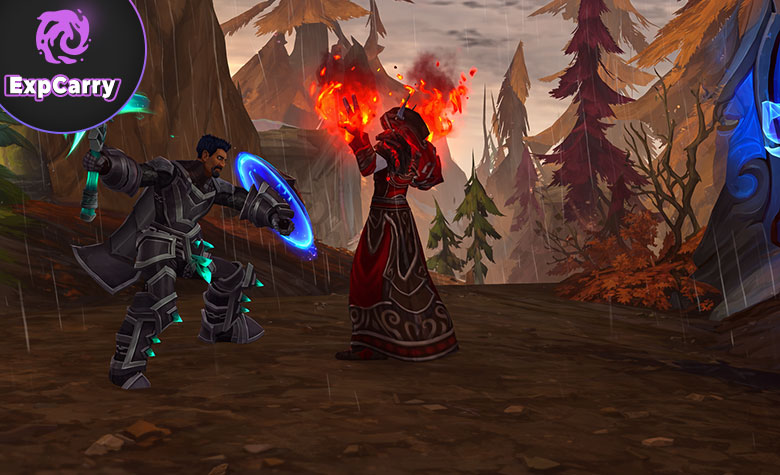
The main difference between Normal and Hard is the power reward ladder. Normal gives repeatable Adventurer-track gear from hunts and Veteran-track rewards in the Great Vault outdoor slot. Hard moves both of those one full step higher, giving repeatable Veteran-track gear from hunts and Champion-track rewards in the Great Vault. That is the core weekly-value reason to move into Hard once your runs are stable.
At the same time, Prey is not only a gear system. Hunts also contribute to your Great Vault world progress, and the broader reward pool includes cosmetics, mounts, transmog appearances, achievements, profession-related rewards, and other seasonal extras tied to the system. That matters because it means Prey has value even beyond pure item-track comparison, but if you are choosing specifically between Normal and Hard for weekly progression, the gear ladder is still the clearest dividing line.
Normal rewards and who should farm them
Normal is the efficient baseline. It gives repeatable Adventurer-track gear and Veteran-track Great Vault value, which makes it the cleaner choice for alts, early-gearing characters, casual solo players, and anyone whose main goal is to finish weekly hunts without turning them into a failure-prone chore. It is also more forgiving because other players can help you during the outdoor target fight, which lowers friction and makes recovery easier if the encounter gets messy.
Normal is usually the right farm whenever your execution is decent but not fully stable. If you still do not know which local activity pockets in a zone feel efficient, or your spec handles open-world pressure comfortably but is not yet clean under added encounter stress, Normal protects weekly value better than forcing a higher tier before the run quality is there.
Hard rewards and when the upgrade is worth it
Hard gives repeatable Veteran-track gear and Champion-track Great Vault rewards, so its upside is real. The question is not whether the rewards are better on paper. They are. The real question is whether your character can convert that upgrade into efficient weekly clears. Hard introduces extra enemy abilities called Torments and removes the outside-help safety net that exists in Normal during the final outdoor encounter. That means the reward upgrade only pays cleanly when your hunt still stays compact.
For many players, Hard becomes the correct default once early gearing is over and weekly hunts stop feeling volatile. If your survivability is stable, your route stays tight, and the final encounter does not force repeated panic play, Hard gives better weekly value. If the run becomes slower, sloppier, and more failure-prone the moment you switch difficulties, the theoretical loot gain is being diluted by weaker execution.
| Difficulty | Repeatable hunt reward | Great Vault value | Main advantage |
| Normal | Adventurer gear | Veteran gear | Fast, forgiving, reliable weekly clears |
| Hard | Veteran gear | Champion gear | Higher weekly value if the run stays controlled |
| Nightmare | Champion gear | Hero gear | Higher-end version of the system beyond the core Normal vs Hard choice |
Normal vs Hard difficulty: the real gameplay difference
The gameplay split between Normal and Hard is larger than a simple health increase. In Normal, other players can help you during the outdoor target fight, which means the run tolerates more mistakes and lower solo power. In Hard, targets gain Torments and the final encounter becomes more self-contained. Blizzard's official preview is explicit that Hard and Nightmare add extra enemy abilities and that you and your friends are on your own in the final encounter. That changes the value calculation immediately. Hard is not just "Normal with bigger numbers." It is a stricter execution test layered on top of the same route logic.
There is also a practical progression angle here. Normal is clearly the introductory version of the system. Hard is the first real step up for players who already understand how Prey flows in actual weekly play. The correct move is not to jump into Hard just because the rewards are better. The correct move is to switch once your Normal runs already feel compact and your route discipline is good enough that the added pressure will not collapse the run.
Why Normal is better for speed and consistency
Normal is better whenever your priority is reliable completion. It is easier to play aggressively, easier to recover from small mistakes, and easier to fit into a broader weekly routine that already includes other zone activity. If your character is still gearing, or your spec is comfortable in the open world but not yet clean under higher encounter pressure, Normal is usually the smarter farm. It keeps the system efficient without turning the hunt into a test your current setup is not ready to pass smoothly.
Why Hard is better only after your route and survival are stable
Hard becomes the correct choice once your character can absorb the extra pressure without repeated deaths, cooldown panic, or route hesitation. That matters even more because deaths are not just annoying. In the harder difficulties, death is tied to harsher progress penalties during the hunt phase, which means sloppy execution can directly reduce efficiency before the final fight is even solved. Hard should replace Normal only when you can still keep the entire run compact. If the first half of the hunt already feels unstable, the loot upgrade is not being earned efficiently enough.
Explore services related to this guide, selected from our World of Warcraft catalog.
View All World of Warcraft Services


Best route: how to finish Prey faster instead of roaming the zone
The best route in WoW Midnight Prey is not one universal zone order. It is a structured loop inside the selected zone. Since progress comes from useful world activity, the route should begin where several efficient tasks overlap: unique World Quests, nearby rares, treasures, and other local points that keep you moving without long dead travel. The correct opening is density first. Start where one movement can generate several forms of progress, not where the map looks dramatic or where you imagine the target might appear later.
From there, the route should move in one clean direction. Finish the cluster, handle an ambush if it happens, follow any useful follow-up the system creates, then continue into the next nearest high-value pocket. The moment your hunt turns into long travel for a single weak objective, the route is already losing value. Prey is closer to optimized weekly pathing than to freeform exploration, and the players who keep it efficient are the ones who know when to stop drifting.
The best route on Normal: push pace and chain compact objectives
The best Normal route is built around pace. Because the difficulty is more forgiving and outside help is possible during the outdoor encounter, you can route more aggressively, pull more freely, and prioritize speed over excessive caution. Open with the densest local cluster you can find, chain overlapping tasks without drifting across the whole zone, and keep momentum high whenever the map gives you several worthwhile objectives in the same area. Normal rewards tempo-first pathing more than overcautious wandering.
That does not mean random rushing. You still want a compact loop, not map-wide roaming. The difference is that in Normal you can afford to choose the faster line through the zone, accept incidental help if traffic overlaps with your final target, and recover from minor inefficiencies without the hunt falling apart. If your weekly goal is fast completion with minimal friction, this is the route style that gets the most from Normal.
The best route on Hard: controlled loops and no throwaway deaths
The best Hard route should be tighter and more controlled. Hard adds Torments and more pressure in the encounter package, so the right approach is not "do more content faster." The right approach is "do the clean content path that preserves momentum." In Hard, a slightly smaller but safer loop is often stronger than a wider route with better theoretical density but more opportunities for deaths, ugly pulls, or hesitation.
The most important adjustment is to stop thinking like a player chasing map coverage and start thinking like a player protecting weekly efficiency. A cleaner cluster that you can finish confidently is more valuable than a denser but unstable area that pushes you into deaths or wasted cooldowns. Hard pays better only when the whole run remains under control from the first pull to the final summon.
| Route phase | Best play | What slows you down |
| Zone opening | Begin in a compact area with overlapping progress sources | Starting with long rides to isolated tasks |
| Mid-hunt pathing | Move in one clean direction through nearby value | Doubling back and crossing the map for filler |
| Ambush handling | Convert the interruption into forward progress and keep momentum | Treating the ambush as a distraction and resuming random travel |
| Final reveal | Go directly to the target and close the hunt | Padding the run with extra content after the reveal |
Mistakes that ruin your weekly Prey value
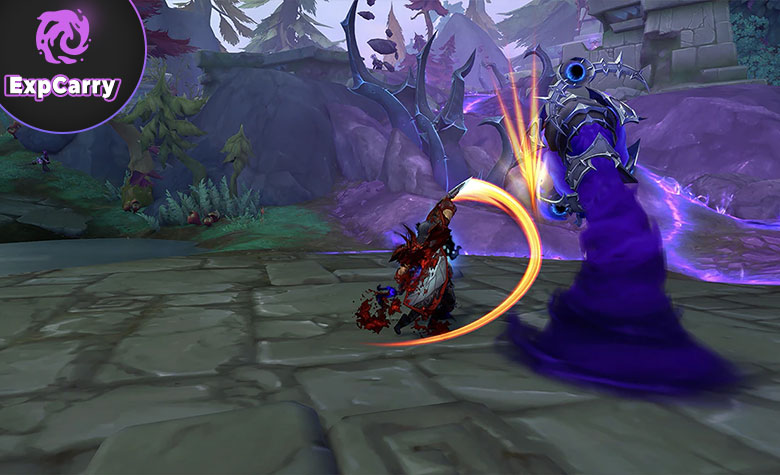
The most common mistake is treating Prey like a pure boss hunt. The system is built around progress through zone activity, so random roaming is dead time. The second mistake is forcing Hard before your character and route can actually support it. A higher loot track does not help if the run becomes slower and more failure-prone. The third mistake is continuing filler activity after the target is effectively ready, which turns a compact weekly objective into needless travel.
Another mistake is overcommitting to bad local pathing. Prey is flexible, but that does not mean every stretch of the map is equally efficient. If the activity around you is thin, awkwardly spaced, or constantly breaking momentum, stubbornly forcing that line usually costs more time than adjusting into a cleaner nearby loop. Prey is not difficult to optimize once you accept one simple rule: compact structure is worth more than broad map coverage.
Mistakes to cut immediately
Stop chasing isolated one-off tasks across the zone. Stop padding the route after the final reveal. Stop choosing Hard just because it exists. Stop pretending a messy route is still efficient because the boss is eventually killable. Those mistakes waste more time than most combat errors and are usually the real reason a weekly hunt feels worse than it should.
Conclusion
WoW Midnight Prey Normal vs Hard is really a weekly value decision. Normal is the faster and safer option for steady clears, low-friction solo play, and reliable baseline rewards. Hard is the stronger farm only when your route, survivability, and execution are stable enough to preserve the higher reward track without turning the hunt into a slow mess. Better loot matters, but only when you can collect it efficiently. The best route is also simpler than many players make it. Start in a compact local cluster, move through nearby worthwhile activity instead of chasing the whole zone, convert interruptions into progress, and end the hunt as soon as the final location is ready. That is what keeps Prey fast. Not random wandering, not overfarming after the target is found, and not forcing Hard before your character can support it cleanly.
There is also one final context point worth remembering. Midnight does not stop at Hard. Nightmare exists above it, with an even higher reward ceiling and harsher punishment during the hunt phase, which means Hard is best understood as the midpoint between accessible weekly farming and the true high-pressure version of the system. That matters because it keeps the Normal vs Hard conversation honest. Hard is not the end of the ladder. It is the point where weekly efficiency starts depending much more on execution than on simple participation.