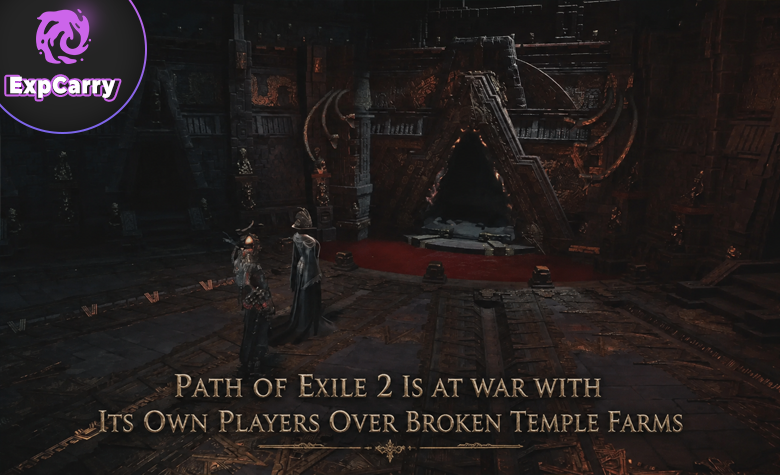

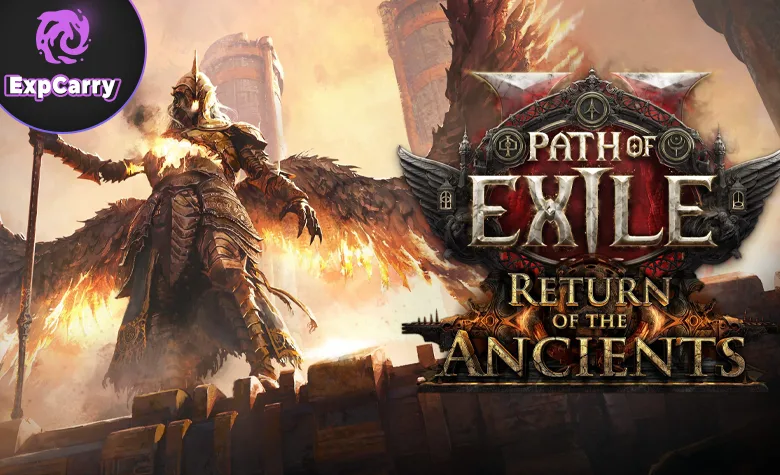
Path of Exile 2: Return of the Ancients is live on PC, PlayStation 5, and Xbox Series X|S. The expansion launched on May 29, 2026 as Content Update 0.5.0, while the current guide reflects the 0.5.4b state of the Runes of Aldur league as of July 18, 2026. Its main additions are a combat-driven Runecrafting league, a reorganized Atlas, six new Endgame storylines, new Pinnacle Bosses, and the Martial Artist and Spirit Walker Ascendancy Classes.
New players should learn the Remnant system during the campaign and then follow the new Atlas questlines after reaching Endgame. Returning players should treat the Atlas as a new progression structure rather than continue from old routing assumptions. This page is the central 0.5.x hub: it explains where each system fits and points to narrower guides instead of reproducing every boss, crafting, and farming route. The official Return of the Ancients overview provides the complete expansion presentation, while the PoE 2 Guides category collects ExpCarry's practical coverage.
- Current version covered: 0.5.4b, verified July 18, 2026.
- Current league: Runes of Aldur, with a fresh economy and Remnant encounters.
- Main Endgame route: Waystones, Atlas objectives, the Precursor Fortress, Atlas Masters, mechanic questlines, and Pinnacle Bosses.
- Major character additions: Martial Artist for Monk and Spirit Walker for Huntress.
- League rewards: eight challenges that award pieces of the Knight of Aldur Armour Set.
Return of the Ancients Current Status and Patch 0.5.4b
Return of the Ancients is no longer an announced or early-launch update. Its core systems have been live since May 29, and four numbered follow-up patches plus hotfixes have changed rewards, difficulty, Atlas progression, Expedition, Delirium, bosses, and several Runecrafting interactions. Any guide based only on the 0.5.0 reveal is now incomplete.
| Version | Main live changes relevant to this hub |
|---|---|
| 0.5.0 | Launched Runes of Aldur, six Endgame storylines, the rebuilt Atlas structure, new Pinnacle Bosses, Martial Artist, Spirit Walker, Runecrafting, and the first PoE 2 league challenges. |
| 0.5.1 | Expanded Atlas progression with additional passive skills and improved several early Return of the Ancients systems. |
| 0.5.2 | Improved high-tier Remnant rewards, reduced parts of Delirium difficulty, adjusted monsters, and added further Endgame and quality-of-life changes. |
| 0.5.3 | Improved Grand Expedition rewards, changed Delirium and Simulacrum scaling, and increased the value of investment in several Endgame mechanics. |
| 0.5.4 | Added the Expedition Atlas Passive Tree, Liquid Verisium, new Grand Expedition options, Orbs of Sacrifice from Atziri, and level scaling for skills granted by Unique Items. |
| 0.5.4b | Improved multiple boss encounters, fixed progression and reward issues, and corrected interactions across Expedition, Atlas Masters, Delirium, Abyss, and Runecrafting. |
The practical consequence is that Return of the Ancients should be covered as a live 0.5.x system, not as a release preview. Exact farming rankings, build tiers, and market values remain volatile, but the expansion's progression structure and major mechanics are established.
Runes of Aldur League Mechanic and Runecrafting
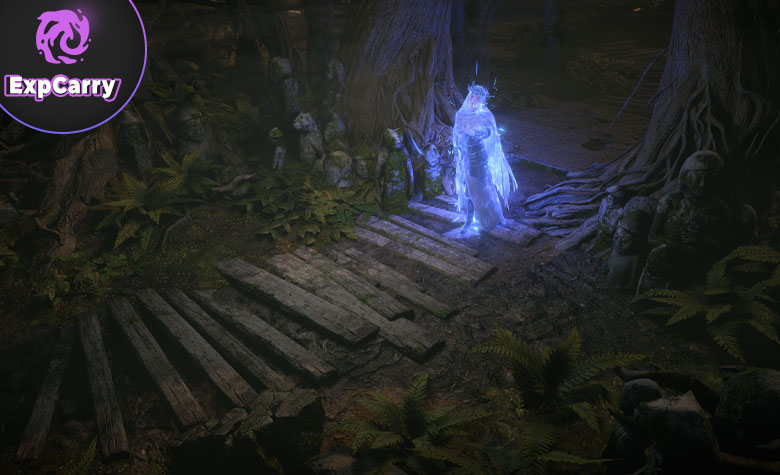
Runes of Aldur starts characters in a fresh league economy. Areas contain Remnants with between two and ten slots. Players select Runeshapes to form a Runic Recipe, then fight waves of enemies empowered by the chosen inscriptions. Each additional Runeshape adds another wave and another Runic Modifier. Completing the encounter produces the item defined by the recipe.
The mechanic combines crafting decisions with encounter difficulty. A recipe should be judged by both its reward and the monster modifiers it creates. A valuable output is not useful if the character cannot survive the resulting waves, so defensive readiness, damage uptime, and the ability to handle the selected modifiers belong in the crafting decision.
- Inspect the Remnant's available slots and pre-existing Runeshapes.
- Choose a recipe that produces an item or resource your character can use or trade.
- Read every Runic Modifier before confirming the encounter.
- Use fewer optional Runeshapes when the combined modifiers counter your build.
- Complete all waves and collect the crafted result.
Farrow introduces the system and expands its options as the relevant quests progress. Verisium supports Kalguuran crafting, Runic Ward, and the wider Expedition route. Patch 0.5.4 also added Liquid Verisium and a dedicated Expedition Atlas Passive Tree, moving the league beyond its original campaign encounters. Detailed item workflows, stopping rules, and trade alternatives belong in the separate PoE 2 crafting guide.
Endgame Progression Through the Atlas and Fortress
After the campaign, Return of the Ancients gives the Atlas clearer destinations and questlines. The central route is Origins of Divinity, which leads toward the Precursor Fortress and the Arbiter of Divinity. The Fortress contains its own maps, objectives, Ancient mechanisms, and boss progression. It also connects older Pinnacle content, including the Burning Monolith and Arbiter of Ash, to the new Endgame structure.
The Atlas Passive Tree was rebuilt around broader progression and multichoice decisions. Patch 0.5.1 added further Atlas skills, while 0.5.4 introduced a separate Expedition Atlas Passive Tree earned through Grand Expedition bosses. Players therefore progress through more than one layer of Atlas specialization, but they do not need to solve every branch at once.
Atlas Masters
Doryani, Hilda, and Jado provide separate mission themes and specialization choices. Doryani focuses on science and corruption-related interactions, Hilda on hunting and combat targets, and Jado on exploration and recovered artefacts. Their options can be selected around the objective of the next map, so the useful approach is to match the Master to the content being run instead of treating one choice as permanent.
Preparing for Pinnacle Bosses
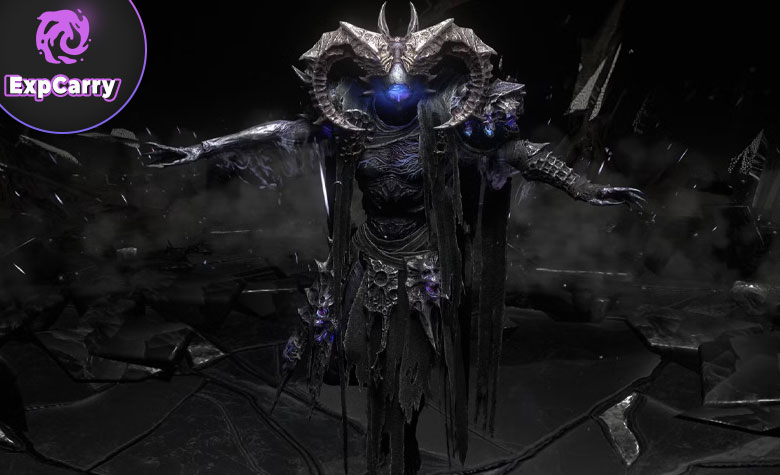
Quest versions introduce major bosses, while repeat attempts require the appropriate access path and stronger preparation. Before consuming a key or entering a difficult encounter, check resistances, recovery, movement, single-target damage, and whether the build can survive long enough to learn the mechanics. The PoE 2 Pinnacle Boss Access guide should remain the parent reference for keys, quest requirements, and repeatable fights.
Explore services related to this guide, selected from our Path of Exile 2 catalog.
View All Path of Exile 2 Services
Return of the Ancients Endgame Branches
The expansion reorganizes multiple league mechanics into longer routes with identifiable hubs, progression goals, crafting systems, and bosses. Players can focus on one branch for rewards and specialization, then expand after their Waystone sustain and character defenses are stable.
| Endgame branch | Main activity | Long-term objective |
|---|---|---|
| Origins of Divinity | Explore the Precursor Fortress, complete internal objectives, and use Ancient mechanisms. | Atlas progression and the Arbiter of Divinity route. |
| Runes of Aldur and Expedition | Complete Remnants, Logbooks, ocean maps, and Grand Expeditions. | Runecrafting, dedicated Expedition Atlas points, Kalguuran rewards, and Expedition bosses. |
| Breach | Develop Breach Strongholds, Domains, Wombgifts, and the Genesis Tree. | Jewellery crafting and the boss path connected to Xesht. |
| Delirium | Advance through fog, special shards, Simulacrums, and Distilled Emotion rewards. | Higher Deliriousness, improved rewards, and the Raven Trickster route. |
| Ritual | Earn Tribute, select Favours, and progress through the Rite of the Nameless. | King in the Mists progression and the final Pinnacle encounter. |
| Abyss | Follow Atlas cracks into Abyssal Depths and fight Abyss bosses. | Desecrated Currency, Abyss-specific crafting, and the Vessel of Kulemak route. |
| Fate of the Vaal | Activate Vaal Beacons, progress the Vaal Atlas branch, and construct Atziri's Temple. | Temple rewards, corruption crafting, and Atziri. |
These branches have different reward structures, so the best choice depends on the character and the intended upgrade. Breach is closely connected to jewellery crafting, Delirium to Distilled Emotions and jewel outcomes, Abyss to Desecrated Currency, and Fate of the Vaal to Temple crafting. Players working on the Vaal branch can use the dedicated Temple of Atziri guide for room and upgrade decisions.
Martial Artist and Spirit Walker Ascendancies
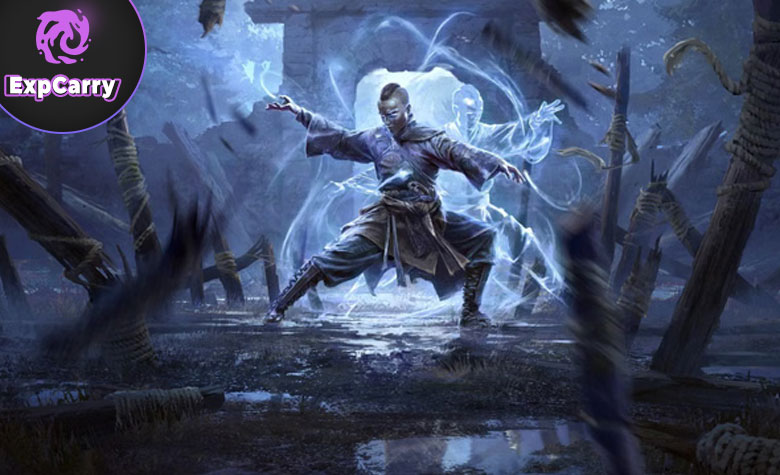
Return of the Ancients added two Ascendancy Classes rather than a new base class. Monk received Martial Artist, and Huntress received Spirit Walker. Both are fully live and have already received fixes and adjustments during the 0.5.x cycle, so they should not be described with pre-release rankings.
Martial Artist
Martial Artist builds around illusions, runes socketed into the body, illusory bells, and unarmed combat. Its mechanics create routes based on Hollow techniques, transformed gloves, runic investment, and attacks that use the character's hands as weapons. The class rewards careful interaction between Ascendancy nodes, equipment, and skill execution.
Spirit Walker
Spirit Walker uses Stag, Owl, and Bear spirits, can bind powerful beasts in spirit, and can summon a spectral companion. The Ascendancy supports several directions rather than one fixed setup, with differences in mobility, projectiles, companion play, and spirit-based bonuses.
Their strengths depend on the build, budget, and content being attempted. The updated Martial Artist and Spirit Walker guide covers their mechanics and archetypes without turning this league hub into a second class guide.
Challenges, Rewards, and Quality-of-Life Features
Runes of Aldur introduced Path of Exile 2's first set of league challenges. There are eight challenges, and completing them awards pieces of the Knight of Aldur Armour Set. The objectives should be planned alongside normal league progression: campaign and Remnant objectives come first, while Endgame and boss requirements should wait until the character has the necessary access and defenses.
Return of the Ancients also added or expanded several tools that reduce external setup work:
- Atlas search for locating mechanics and objectives.
- Campaign navigation cues and clearer quest tracking.
- An in-game market price checker for faster item evaluation.
- A Fragment Stash Tab for Endgame components.
- Build Guide support for Passive Tree nodes, Ascendancy choices, Skill Gems, gear targets, and creator notes.
Build Guides were expanded after launch so players can subscribe to supported guides on the Path of Exile 2 website and receive their updates in the game. A guide still needs to match the current version, and imported recommendations should be checked after balance changes.
Recommended Return of the Ancients Progression Order
The safest route is to build a functional character first, then specialize the Atlas. Trying to maximize every mechanic immediately spreads currency, passive choices, and attention across too many systems.
- Start in Runes of Aldur. The league has a separate economy and provides access to Remnants and league progression.
- Complete Farrow's campaign objectives. Learn Runeshapes gradually and collect the knowledge required for later Runecrafting options.
- Finish the campaign and permanent progression. Enter Endgame with capped or recoverable resistances, stable recovery, and a reliable single-target setup.
- Secure Waystone sustain. Progress maps without overinvesting in modifiers the build cannot handle.
- Follow Origins of Divinity. Advance toward the Fortress and unlock the new Atlas structure.
- Use Atlas Masters deliberately. Select Doryani, Hilda, or Jado according to the next objective.
- Choose one reward branch. Focus on Breach, Delirium, Ritual, Abyss, Fate of the Vaal, or Expedition until its rewards support the character's next upgrade.
- Prepare before repeatable bosses. Learn access and mechanics before risking expensive attempts.
- Complete league challenges alongside progression. Avoid forcing difficult objectives before the character is ready.
Players who want assistance with campaign completion, Atlas progression, Ascendancy Trials, or bosses can compare the available Path of Exile 2 progression services after identifying the specific step that is blocking progress.
Conclusion
Return of the Ancients gives Path of Exile 2 a more directed Endgame without reducing its build and crafting depth. Runes of Aldur connects combat to item creation, the Fortress provides a central progression route, and the mechanic questlines give Breach, Delirium, Ritual, Abyss, Expedition, and Fate of the Vaal clearer purposes. The best starting plan is to complete Farrow's progression, stabilize Waystones and defenses, follow Origins of Divinity, and specialize in one reward branch before expanding into the rest of the Atlas.