Digital habits often form quietly. No one consciously decides to scroll social media every evening or start a small game before bed. It just happens because it feels easy, familiar, and effortless.
These patterns can be observed across many parts of Europe - from Germany and Poland to the Nordic countries. Wherever digital services shape everyday life, similar expectations emerge around speed, clarity, and usability.
This is where short, interactive digital formats fit in naturally. For many users, they do not feel new or unfamiliar, but like another digital option that can easily blend into breaks and calm moments. The reason is less about the format itself and more about the structures modern online gamers have already learned to expect.
People who play regularly consume digital content differently than they did ten years ago: short, visual, and clearly structured. This is where the overlap begins.
How modern games shaped our expectations
Digital games have spent years learning how people want to play. We carry those expectations everywhere today, even beyond traditional gaming.
What many gamers now expect as standard can be summed up clearly:
- rules that are easy to understand instantly
- direct visual and audio feedback
- visible progress without long explanations
- the ability to pause or stop at any time
Mobile games accelerated this shift significantly. Many people no longer play for hours, but in short intervals: a few minutes on the go, in the evening on the couch, or as a quick reset in between tasks.
These short sessions have become the norm - not only in gaming, but across digital consumption in general. In this context, users also look for familiar structures and transparent flows in other forms of digital entertainment.
This trend is also easy to observe in Poland. In recent years, the Polish gaming market has responded strongly to mobile use, clear mechanics, and short play sessions, which further shaped user expectations.
As a result, experiences built on clear rules and understandable mechanics tend to feel more approachable, because they align with modern expectations.
This mindset influences which digital offerings are perceived as pleasant, easy to understand, and trustworthy.
Shared design elements across interactive digital experiences
At first glance, different types of interactive entertainment can seem worlds apart. But when you look closer, clear design parallels appear.
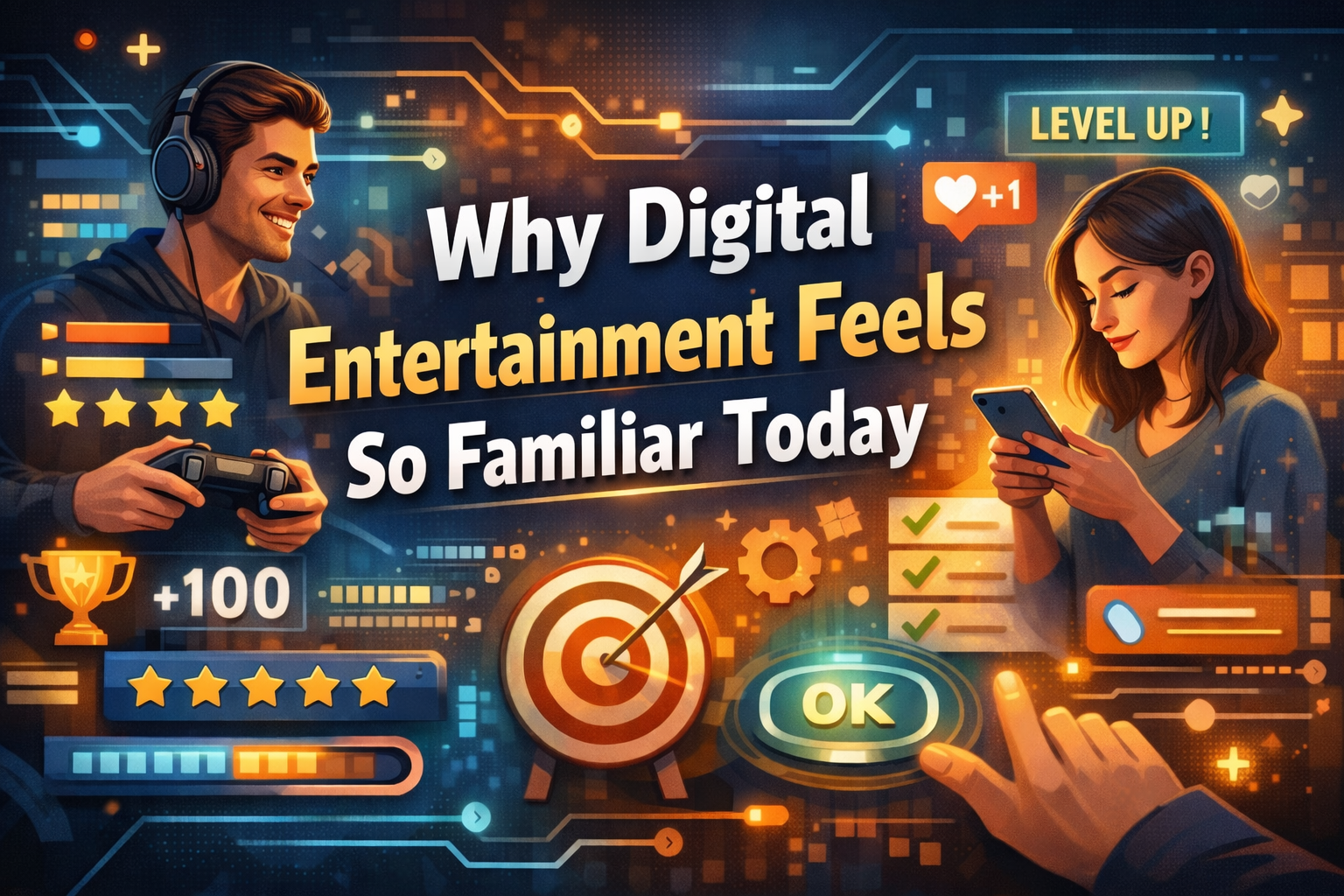
Many formats rely heavily on visual orientation. Colors, animations, and clear symbols help users understand what is happening quickly. Actions trigger immediate responses through motion, sound, or visual effects. This direct link between action and feedback is something gamers have been used to for years.
Common elements often include:
- clear visual structure
- instant feedback for each action
- simple, self-explanatory controls
A simple core loop also matters. Users do not need long onboarding or complex instructions. The controls often explain themselves. That is why many experiences feel intuitive, even without prior exposure.
Why clear rules and transparency matter
Familiarity can feel comfortable, but it should not be mistaken for safety. When an experience is easy to use and borrows patterns people already know, users naturally expect clear and reliable guardrails.
Digital platforms are increasingly expected to be transparent and understandable. This applies to apps, games, and other entertainment formats. Users want to know:
- how a system works
- which rules apply
- what limits exist
Clear standards help keep processes understandable, ensure consistent technical behavior, and make outcomes feel less arbitrary.
Trust plays a central role in digital environments. When people can orient themselves quickly and find clear information, they feel more confident using a service. For users, this mainly means one thing: guidance. When you know how something works and under which conditions it can be used, you can make more informed decisions - and stay in control of your own behavior.
Short sessions, control, and mindful use
Digital life is fragmented. Few people deliberately plan long sessions. Entertainment often happens in small time windows, woven between work, communication, and other digital tasks.
Short-session formats fit this structure well. They can be started quickly and ended just as quickly, without preparation or long-term commitment. The key factor is the feeling of control. Users want to decide how long they stay and when they stop, without pressure or hidden dependencies.
In practice, the most important factors are:
- clear time boundaries that enable short, manageable use
- visible limits that provide guidance and prevent overload
- transparent flows so users always know what is happening
This combination makes digital entertainment easier to manage. It is not perceived as a burden, but as a conscious, voluntary pause in daily life - similar to quickly checking messages or listening to a song between tasks.
What gamers should pay attention to when trying new formats
Precisely because many mechanics feel familiar, it is worth taking a mindful look. Familiarity should not replace attention.
Helpful questions to ask yourself include:
- Are the rules explained clearly?
- Is it obvious how the experience works?
- Are the conditions and limits transparent?
- Does it follow clear standards and user protections?
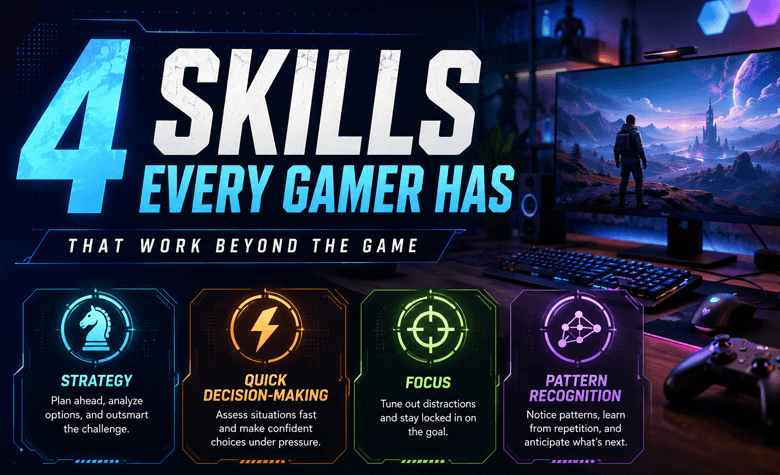
Gamers are used to understanding and analyzing systems. That habit can help here too, to make informed decisions.
Why some formats feel like everyday digital entertainment
Many online gamers come from digital environments where feedback is immediate and design creates trust. Clear animations, consistent symbols, and cohesive interfaces help people categorize information quickly. Modern interactive formats often adapt to these expectations, not to replace traditional games, but to exist in the same digital space.
For many users, the focus is not competition or long-term progression, but a short, clearly structured form of entertainment. It resembles other digital services that work without preparation and can be interrupted at any time.
Like streaming, music apps, or quick mobile games, some interactive formats become another option in everyday digital life. They complement existing entertainment habits rather than replace them. This framing as an occasional, voluntary activity is a major reason they are perceived as part of modern digital entertainment.
Conclusion: recognize familiarity, use it mindfully
When an experience feels familiar, it is rarely an accident. It often builds on patterns that are already part of daily digital life: short sessions, clear feedback, simple controls, and visual orientation. Online gamers know these elements from many digital formats - from mobile games to streaming apps.
That closeness to everyday digital entertainment is exactly why it matters to look a bit closer. Familiarity can help you orient yourself, but it does not replace understanding the rules, conditions, and limits. When you know how something works and under which conditions it can be used, you make more conscious decisions.
Modern digital entertainment works best when it stays transparent, controllable, and voluntary. Some formats can be part of that spectrum - not as a goal in itself, but as one option among many in everyday digital life.
In the end, it is not about judging something as good or bad in general. It is about reflecting on how you use it. When you choose digital experiences thoughtfully, use breaks consciously, and keep control, you create what modern users often want most: entertainment that feels familiar without becoming automatic.