Our WoW Midnight class guides help you compare every playable class and specialization, understand how each one plays, and choose the right character for leveling, dungeons, raids, PvP, Delves, and solo content.
Midnight raises the level cap to 90 and expands character progression with additional class, specialization, and Hero Talent points, alongside new Apex Talents. Class and specialization updates also change how many familiar builds, rotations, defensive tools, and utility options work in current content.
WoW Midnight Class Guides
Browse guides for all current World of Warcraft classes:
- Death Knight
- Demon Hunter
- Druid
- Evoker
- Hunter
- Mage
- Monk
- Paladin
- Priest
- Rogue
- Shaman
- Warlock
- Warrior
Each class guide explains its available specializations, combat roles, core mechanics, strengths, weaknesses, mobility, survivability, and group utility. From there, you can move into the relevant specialization guide for detailed talents, Hero Talent choices, rotations, gear, and content-specific recommendations.
Compare WoW Classes and Specializations
The best class depends on what you want to do. Damage alone does not determine whether a specialization is a good fit. Combat range, mobility, defensives, self-healing, utility, resource management, and rotation complexity can matter just as much.
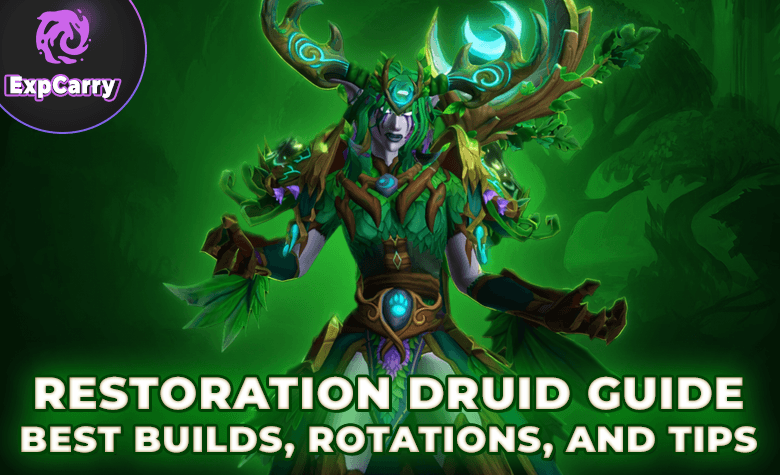
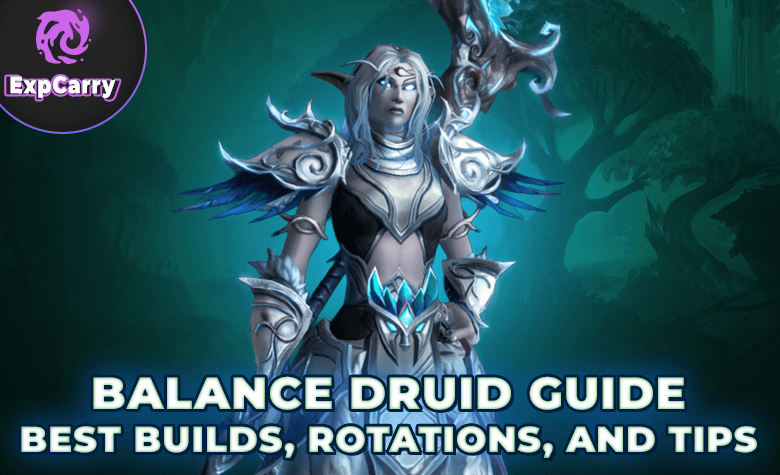
For example, Druids can cover tanking, healing, melee DPS, and ranged DPS roles. Paladins can tank, heal, or deal melee damage. Hunters combine ranged combat with pets and strong mobility, while Warriors rely on direct physical pressure, Rage management, armor, and powerful defensive tools.
Our class guides help you compare:
- Available specializations and combat roles.
- Melee, ranged, tank, healer, and support-oriented playstyles.
- Leveling and solo-content performance.
- Mobility, survivability, interrupts, crowd control, buffs, and utility.
- Rotation and resource-management difficulty.
- Suitability for dungeons, raids, PvP, Delves, and open-world content.
Choose the Right Class for Leveling to 90
Midnight increases the maximum level to 90, but not every character begins its journey from the same starting point. Some classes, allied races, and special character types may enter the leveling path differently.
Our individual class guides focus on how each class develops toward level 90, including specialization progression, important utility, defensive tools, and the systems that become available as the character gains levels.
For players primarily interested in efficient leveling, we also identify which specialization offers the strongest combination of immediate damage, mobility, survivability, low downtime, and simple target-to-target progression.
Hero Talents and Apex Talents in Midnight
Midnight expands the existing talent system between levels 81 and 90. Characters gain additional points across their class, Hero Talent, and specialization trees, while Apex Talents extend each specialization with powerful effects focused on its core gameplay.
The class guides provide an overview of the Hero Talent trees available to each specialization and explain how their playstyles differ. Detailed talent recommendations and build choices remain inside the individual specialization guides, where they can be updated independently after balance changes and hotfixes.
Demon Hunter Devourer Specialization
Midnight expands Demon Hunters with Devourer, a third specialization built around Void magic. Unlike Havoc and Vengeance, Devourer operates primarily from mid-range while retaining the high mobility associated with Demon Hunters.
Devourer joins Havoc and Vengeance in our Demon Hunter coverage, with separate guidance for its mechanics, Hero Talents, Apex Talents, rotation, and content-specific builds.
Classes for Dungeons, Raids, PvP, and Delves
A specialization that feels excellent while questing may perform very differently in organized group content. Mythic+ rewards reliable interrupts, crowd control, defensive cooldowns, mobility, and sustained multi-target pressure. Raids introduce encounter-specific movement, survivability, and damage requirements, while PvP places greater emphasis on control, burst windows, positioning, and defensive trading.
Our guides separate these use cases instead of recommending one universal build or specialization for every activity.
Find Your WoW Midnight Class
Start by choosing a class that matches your preferred role and combat style. Use the class overview to compare its specializations, then open the relevant specialization guide for current talents, Hero Talent recommendations, rotations, gear priorities, and practical advice for the content you want to play.
This structure makes it easier to compare classes without mixing general class selection with the detailed build information that belongs to individual specialization guides.



 ExpCarry Editorial TeamExpCarry Editorial Team