



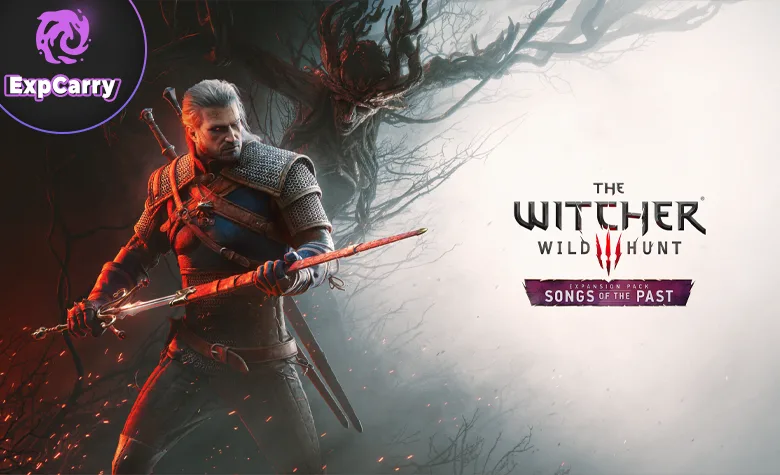
The Witcher 3: Wild Hunt - Songs of the Past is real, and that alone makes the announcement feel slightly unreal. CD PROJEKT RED has confirmed a third expansion for The Witcher 3: Wild Hunt, more than a decade after the base game's 2015 release and years after Blood and Wine seemed to close Geralt's video game story with unusual grace. Apparently, retirement in Toussaint was too peaceful. Naturally, the industry had to disturb the man again.
Songs of the Past is scheduled for 2027 and will launch on PC, PlayStation 5, and Xbox Series X|S. CD PROJEKT RED is co-developing the expansion with Fool's Theory, a Polish studio that includes developers who previously worked on The Witcher 3 and is also connected to The Witcher remake. The official announcement confirms that players will return to Geralt of Rivia for a brand new adventure, but it does not reveal the plot, region, villains, gameplay systems, scope, price, or exact release date.
That matters because this announcement is big enough without pretending every blank space has already been solved for search traffic. The confirmed facts are already strong: The Witcher 3 is getting a new official expansion, Geralt is back, Fool's Theory is involved, and more details are planned for late summer 2026. For a game that already had Hearts of Stone and Blood and Wine, a third expansion is not a small footnote. It is one of the strangest and most commercially sharp returns in modern RPG history.
The Witcher 3 Songs of the Past DLC Turns a Finished Classic Into a Live Question Again
The Witcher 3 did not need another expansion to protect its reputation. Hearts of Stone delivered one of the series' sharpest and darkest stories, while Blood and Wine added a full region, a strong final arc, and a farewell that many players treated as the natural end of Geralt's journey. That is exactly why Songs of the Past is interesting. CD PROJEKT RED is not trying to rescue a forgotten game. It is returning to one of the safest and most respected names in its catalog while the wider Witcher franchise prepares for its next era.
The timing is impossible to ignore. The Witcher 4 is in development, The Witcher remake is also on the way, and CD PROJEKT continues to build several major projects across The Witcher, Cyberpunk, and its new IP Hadar. Songs of the Past can work as a bridge between eras: one more major return to the game that turned The Witcher into a global RPG monster before the next main Witcher chapter asks players to follow a new direction.
That does not make the expansion harmless nostalgia. It makes it risky nostalgia with a business plan. Songs of the Past gives CD PROJEKT RED a major Witcher release before the next mainline game has a release date, keeps Geralt visible, and reminds players why this world still matters. The problem is obvious: every new Witcher 3 expansion will be judged against Blood and Wine. That is a brutal comparison. Blood and Wine is not just good DLC. It is the kind of DLC people use to embarrass full games.
The Witcher 3 New DLC Confirmed Details
CD PROJEKT RED has shared a limited but important set of confirmed details. Songs of the Past is official, it is the third expansion for The Witcher 3, it brings back Geralt, and it is being co-developed with Fool's Theory. The studio has not confirmed whether the DLC will introduce a new region, reuse existing areas, connect directly to The Witcher 4, or adapt material from Andrzej Sapkowski's books.
| Detail | Confirmed information | Why it matters |
|---|---|---|
| DLC title | The Witcher 3: Wild Hunt - Songs of the Past | The name points toward memory, history, or unfinished parts of Geralt's world, but the plot has not been revealed. |
| Release window | 2027 | The expansion gives CD PROJEKT RED a major Witcher release before The Witcher 4 has a confirmed date. |
| Playable lead | Geralt of Rivia | The DLC returns to the protagonist who defined The Witcher 3 instead of using the expansion as a direct handoff to another lead. |
| Platforms | PC, PlayStation 5, Xbox Series X|S | The expansion is aimed at current hardware rather than the original PS4 and Xbox One launch generation. |
| Development | CD PROJEKT RED with Fool's Theory | Fool's Theory includes developers who worked on The Witcher 3, which gives the collaboration a stronger foundation than a random outsourced add-on. |
| More details | Late summer 2026 | The story, scope, price, gameplay additions, and exact release date are still being held back. |
Geralt's Return Gives Songs of the Past a Bigger Problem Than Hype
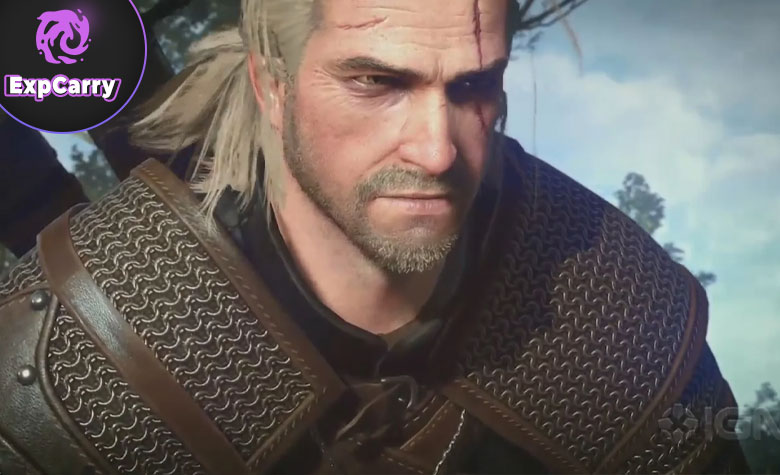
The biggest confirmed detail is not the title. It is Geralt. CD PROJEKT RED could have used this expansion to test a different playable lead, build a smaller side story around a supporting character, or connect more directly to the next Witcher saga. Instead, Songs of the Past returns players to the White Wolf himself. That instantly changes expectations. This is not just new content for an old RPG. It is a new Geralt story after many players believed his game arc had already ended.
That choice gives CD PROJEKT RED a strong advantage and a serious problem. The advantage is obvious: Geralt remains one of the most recognizable RPG protagonists ever. His voice, dry humor, moral exhaustion, and monster-hunting routine are still The Witcher 3's emotional anchor. The problem is that Blood and Wine worked because its sense of closure felt earned. Bringing Geralt back means the writing has to justify the interruption. A weak excuse would make the expansion feel like a corporate resurrection rather than a natural return.
The title Songs of the Past gives CD PROJEKT RED room to avoid that trap. A story built around older events, unfinished contracts, forgotten relationships, or consequences from Geralt's history could fit the character without undoing his previous ending. The safest route is not to make the expansion bigger than Wild Hunt's central conflict. The smarter route is to make it personal, sharp, and self-contained, closer in discipline to Hearts of Stone than to a forced sequel setup.
Fool's Theory Makes the Witcher 3 DLC More Credible
The involvement of Fool's Theory is one of the most important parts of the announcement. This is not only because the studio is also linked to The Witcher remake. CD PROJEKT RED specifically notes that Fool's Theory includes industry veterans who worked on The Witcher 3. That matters for a game with such a specific tone. The Witcher 3 is not only combat, quests, and open-world markers. It is pacing, dialogue texture, moral framing, quest consequences, Slavic folklore, dry wit, and the constant feeling that every village has at least three terrible secrets and one man selling rotten onions.
A new Witcher 3 expansion cannot feel like a generic RPG pack wearing a wolf medallion. It has to understand why the original game worked. The best Witcher 3 quests often start small and then twist into something sadder, uglier, or more human than expected. A monster contract is rarely just a monster contract. A noble rarely has clean hands. A curse rarely has one innocent side. If Songs of the Past captures that rhythm, the DLC has a real chance to feel like a missing chapter rather than a late commercial add-on.
Fool's Theory also gives CD PROJEKT RED a useful middle ground. The main studio keeps franchise authority, while Fool's Theory brings a team already connected to the world and flexible enough to support a focused expansion. That setup does not guarantee quality, because nothing does, despite what marketing departments whisper into expensive microphones. But it is a better sign than handing the expansion to a studio with no visible Witcher history.
The Witcher 3 DLC Has to Survive Blood and Wine Comparisons
The hardest enemy Songs of the Past faces is not a vampire, a leshen, or whatever cursed aristocrat CD PROJEKT RED may throw at Geralt next. It is Blood and Wine. The 2016 expansion set a standard that still shapes how players talk about RPG DLC. It added a major region, strong quests, a memorable tone shift, and a farewell that felt generous without becoming bloated. Any new Witcher 3 expansion will be measured against that memory, fairly or not.
That does not mean Songs of the Past has to be larger than Blood and Wine. Trying to beat it through size alone would be the obvious trap. The better target is density. A smaller but sharper expansion could still work if the writing is strong, the quest design respects player choice, and the story gives Geralt a reason to return without damaging the emotional closure of the previous ending. Players do not need another giant map just because a spreadsheet somewhere enjoys square kilometers. They need a Witcher story worth disturbing Geralt for.
The Witcher 3 PC Requirements Are Changing Before Songs of the Past
Songs of the Past is also tied to a practical change that PC players should not ignore. CD PROJEKT RED has confirmed upcoming changes to the minimum requirements for The Witcher 3: Wild Hunt. The game will move to DirectX 12 only, and the updated requirements are built around modern Windows 11-supported hardware. CD PROJEKT RED says the change is meant to support ongoing technical improvements and modern hardware more effectively.
That does not mean every older PC suddenly becomes useless overnight, but it does change the conversation around the expansion. A new Witcher 3 DLC in 2027 is not simply another content pack for the same technical baseline as 2015. CD PROJEKT RED is clearly preparing the game for a more modern support target. For players still running older Windows setups or hardware outside active driver support, Songs of the Past may come with a hardware reality check. Fantasy monsters are one thing. Minimum requirements are the monster that charges rent.
This technical shift also suggests that Songs of the Past is not being treated like a tiny nostalgia add-on. CD PROJEKT RED is preparing the base game for future support, compatibility, and performance around the new expansion. That makes the project feel more substantial, even though the studio has not yet revealed its actual size or gameplay scope.
The 2027 Release Window Changes the Witcher Roadmap
The 2027 window is not just a date. It affects how players and investors read CD PROJEKT RED's wider Witcher plans. Reuters reported that CD Projekt shares dropped after the announcement, partly because some investors had expected an earlier release window. The company has still not announced a release date for The Witcher 4, which means Songs of the Past may become the next major playable Witcher release before the new saga properly begins.
That makes the expansion useful in two ways. For fans, it brings back Geralt and gives The Witcher 3 another official chapter. For CD PROJEKT RED, it keeps the franchise active while the next mainline game remains in development. That is sensible. It is also very convenient, which is how business works when it remembers to wear a fantasy cloak.
The risk is perception. If players see Songs of the Past as a meaningful new story, the 2027 release can feel like a smart return to a beloved RPG. If they see it as a schedule filler before The Witcher 4, the excitement will sour quickly. CD PROJEKT RED has enough goodwill around The Witcher 3 to make this work, but goodwill is not a shield. It is more like armor in a Witcher contract: useful until something ugly hits it hard enough.
The Red Launcher Leak Made the Songs of the Past Reveal Messier
The reveal was not perfectly clean. Reports around the announcement noted that Songs of the Past appeared early through CD PROJEKT RED's own launcher before the company fully rolled out the news. That detail does not change the core facts of the DLC, but it does give the announcement a slightly chaotic edge. Instead of a tightly controlled reveal, CD PROJEKT RED had to move around information that was already escaping into the wild.
In practice, that may have helped the announcement feel more surprising. The Witcher 3 getting a third expansion in 2027 already sounds like the kind of rumor people would argue about for weeks before demanding proof from three screenshots and a blood oath. The leak turned that uncertainty into a fast confirmation. It also explains why some early coverage focused less on story details and more on the basic shock of the project existing at all.
Songs of the Past Could Connect to The Witcher 4 Without Becoming Homework
One obvious question is whether Songs of the Past will connect to The Witcher 4. CD PROJEKT RED has not confirmed that, so treating it as fact would be sloppy. Still, the timing invites speculation. A 2027 Witcher 3 expansion could refresh interest in the franchise, reintroduce major themes, and prepare players emotionally for a future where Geralt may no longer be the central figure.
The trick is balance. If Songs of the Past exists only to tease The Witcher 4, players will feel the machinery behind the curtain. The Witcher 3's best stories worked because they cared about the people and places directly in front of Geralt. They were not just trailer fuel for future products. A good expansion can nod toward the future, but it still has to stand as its own story. Otherwise it becomes marketing with swords, and nobody needs that curse added to the notice board.
The better version of Songs of the Past would use Geralt's history to explore themes that naturally lead into the next era: legacy, memory, old contracts, the fading age of witchers, or the cost of myths people refuse to let die. That would let the expansion feel connected without turning every quest into a billboard for another release.
The Witcher 3 New Expansion Is Smart, Risky, and Hard to Ignore
From a business angle, Songs of the Past makes brutal sense. The Witcher 3 has sold more than 60 million copies, remains one of CD PROJEKT RED's strongest assets, and still has a huge audience across PC and consoles. A new expansion can reactivate that audience, bring old players back, attract new buyers to the base game, and keep The Witcher visible while larger projects remain in development. It is nostalgia, yes, but nostalgia attached to one of the best RPGs ever made. Even cynicism has to respect the efficiency.
From a creative angle, the move is more dangerous. The Witcher 3's reputation is unusually strong because its best content still holds up. A weak expansion would not just disappoint players. It would invite the ugly question of whether CD PROJEKT RED should have left Geralt alone. That is why the silence around plot details is useful for now. The studio has time to reveal the expansion properly instead of flooding players with vague promises and cinematic fog.
The safest expectation is this: Songs of the Past will not be judged like normal DLC. It will be judged like a return to a finished classic. That is a completely unfair standard, naturally, so the internet will apply it with enthusiasm. CD PROJEKT RED wanted to bring Geralt back. Now it has to prove that the return has a reason beyond the obvious fact that people still love The Witcher 3.
Conclusion
The Witcher 3: Wild Hunt - Songs of the Past is one of CD PROJEKT RED's most surprising announcements in years. It brings Geralt of Rivia back for a third official expansion in 2027, with CD PROJEKT RED and Fool's Theory working together on a new adventure for PC, PlayStation 5, and Xbox Series X|S. The confirmed details are still limited, but the foundation is strong: a beloved protagonist, an experienced development partnership, and a return to one of the most respected RPGs of the last decade.
The expansion's biggest challenge is not attention. It already has that. The challenge is justification. Blood and Wine gave Geralt a sendoff many players accepted as final, so Songs of the Past has to earn its place without cheapening that closure. A focused, personal story could work better than a bloated attempt to outscale the past. The Witcher 3 does not need more content for the sake of content. It needs a reason for Geralt to pick up the swords again. The technical and business context makes the announcement more important than a simple nostalgia beat. CD PROJEKT RED is updating The Witcher 3's PC requirements, moving the game toward a modern support baseline, and using Songs of the Past to keep the franchise active before The Witcher 4 receives a release date. That gives the DLC a practical role in the company's roadmap, not just a sentimental one. If CD PROJEKT RED handles the expansion carefully, Songs of the Past could become more than a late return to a famous RPG. It could reconnect players with The Witcher 3, give Geralt one more story that feels earned, and keep the franchise alive without rushing its next main chapter. If it fails, it will look like a studio digging up a perfect ending because the market smelled money. That is the knife edge this DLC now sits on, and it is exactly why the announcement is worth watching.