

Choosing the best class in World of Warcraft is not the same as copying the specialization at the top of one weekly damage chart. A good main must fit your role, preferred combat range, mechanical tolerance, solo goals, queue expectations and the content you actually intend to play. Midnight expands that decision with rebuilt talent trees, Hero Talents, specialization-specific Apex Talents and Devourer Demon Hunter, bringing WoW to 13 classes and 40 specializations.
Patch 12.1 is live, while Midnight Season 2 starts on August 18 in North America and August 19 in Europe. The performance recommendations below are therefore launch projections updated for Blizzard's announced August 18 tuning—not claims based on Season 2 logs that do not exist yet. Permanent qualities such as role coverage, utility, mobility and gear overlap are evaluated separately from short-term tuning.
This guide answers both beginner and expert questions: which class to level, which main is safest across patches, which alt adds the most value to an account, and what currently projects best for Mythic+, The Venomous Abyss raid, PvP and Delves. For specialization-level detail, use our Season 2 DPS rankings, tank tier list, healer tier list, PvP class hub and Delves and solo tier list.

Best WoW Class in Midnight Season 2: Quick Answer
Paladin is the best universal first main: Retribution is forgiving, Protection and Holy unlock fast group queues, and Blessings, immunity, combat resurrection and off-healing remain useful after tuning changes. Druid offers the widest role freedom, Mage is the safest pure ranged-DPS investment, and Death Knight is the strongest durable tank/melee investment. For leveling and relaxed solo play, start with Beast Mastery Hunter. Current Season 2 leaders are Arms Warrior and Arcane Mage for Mythic+, Arms Warrior for raid DPS, Blood Death Knight for tanking, Holy Paladin and Restoration Shaman for Mythic+ healing, and Preservation Evoker or Holy Paladin for raid healing.
WoW Season 2 Tier List by Role
| Role | S-Tier choices | Strong alternatives | Best beginner option |
|---|---|---|---|
| Mythic+ melee DPS | Arms Warrior | Assassination Rogue, Retribution Paladin, Havoc Demon Hunter, Windwalker Monk, Survival Hunter | Retribution Paladin or Fury Warrior |
| Mythic+ ranged DPS | Arcane Mage | Elemental Shaman, Shadow Priest, Beast Mastery Hunter, Demonology Warlock, Devourer Demon Hunter | Beast Mastery Hunter or Frost Mage |
| Raid DPS | Arms Warrior | Balance Druid, Destruction Warlock, Fury Warrior, Arcane Mage | Beast Mastery Hunter or Retribution Paladin |
| Tank | Blood Death Knight | Protection Paladin, Vengeance Demon Hunter, Guardian Druid, Protection Warrior, Brewmaster Monk | Guardian Druid or Protection Paladin |
| Mythic+ healer | Holy Paladin, Restoration Shaman | Preservation Evoker, Mistweaver Monk, Restoration Druid, Discipline Priest, Holy Priest | Holy Priest for learning; Restoration Shaman for stronger long-term dungeon value |
| Solo and leveling | Beast Mastery Hunter, Fury Warrior, Retribution Paladin, Demonology Warlock | Guardian Druid, Vengeance Demon Hunter, Protection Paladin, Blood Death Knight | Beast Mastery Hunter |
| PvP | Druid, Rogue, Hunter | Monk, Mage, Warrior, Paladin, Priest | Beast Mastery Hunter or Retribution Paladin |
These are launch signals, not one universal ladder. PvP recommendations change by bracket: Retribution Paladin and Marksmanship Hunter currently lead the practical Solo Shuffle shortlist; Rogue and Beast Mastery Hunter are stronger 2v2 investments; Frost Mage and Subtlety Rogue gain value in coordinated 3v3; Subtlety Rogue and Balance Druid are premium Blitz and RBG objective picks. Normal and Heroic raiding, weekly keys and most rated PvP still reward class mastery more than small theoretical tier differences.
Midnight Season 2 Class-Investment Tier List
This table ranks the whole class as a main, not its best specialization on one encounter. Role coverage, gear overlap, permanent utility, available fallback specs and current Season 2 prospects all count. That is why a class can have an S-tier specialization without being an S-tier long-term investment.
| Class | Overall tier | Roles | Difficulty | Season 2 verdict |
|---|---|---|---|---|
 Death Knight Death Knight | S | Tank, Melee DPS | Medium | Blood is the leading Season 2 tank projection in raid and Mythic+, combining self-recovery, grips, Anti-Magic Zone and combat resurrection. Frost and Unholy remain viable DPS fallbacks, but neither currently leads its format; Unholy in particular is held back by its projected single-target profile. The permanent limitation is mobility. |
 Demon Hunter Demon Hunter | A+ | Tank, Melee DPS, Mid-range DPS | Easy to High | Havoc remains a dependable melee option because movement, AoE control and Chaos Brand always retain value. Vengeance has the toolkit to be a high-end dungeon tank when its defensive gaps are managed correctly. Devourer is more volatile: its ceiling remains high, but Season 2 pushes it away from the dominant launch pattern and asks players to adapt to different Void-Scarred, Annihilator or melee-leaning builds. |
 Druid Druid | A+ | Tank, Healer, Melee DPS, Ranged DPS | Easy to High | Druid remains the widest account investment. Balance is a safe ranged raid pick and a strong battleground specialist; Restoration rewards proactive preparation; Guardian is forgiving in keys and excellent in Delves; Feral is viable but practice-intensive. Maintaining several roles at Mythic level creates a larger gear and learning cost than the class-selection screen suggests. |
 Evoker Evoker | B+ | Healer, Ranged DPS, Support DPS | Medium to High | Augmentation remains composition-sensitive but valuable whenever its buffs align with strong DPS cooldowns. Preservation can be excellent in organized raids and coordinated keys, yet chaotic groups expose its setup requirements and shorter range. Devastation is mobile and visually clear, but its sustained damage and limited range can place it behind safer ranged choices unless tuning favors its burst profile. |
 Hunter Hunter | A | Ranged DPS, Melee DPS | Easy to Medium | Hunter remains a safe main because at least one of its three damage profiles usually fits the current content. Beast Mastery is the low-risk recommendation for progression mechanics and new players. Marksmanship gains value when burst and target switching matter. Survival can be an excellent Mythic+ pick when its melee tuning is competitive, but it competes for crowded melee slots and is less intuitive to players who chose Hunter specifically to fight from range. |
 Mage Mage | S | Ranged DPS | Easy to High | Mage is one of the highest-upside Season 2 classes because Arcane is positioned among the leading Mythic+ ranged specs after major improvements to Apex talents, Arcane Pulse and durability. Frost remains a stable progression option with control and reliable damage, while Fire can rise quickly whenever encounter timers and target counts align with Combustion. The class does require better defensive planning than its cloth armor suggests. |
 Monk Monk | B+ | Tank, Healer, Melee DPS | Medium to High | Mistweaver has clear Season 2 upside because sustained group damage and priority-target healer DPS suit its Rising Sun Kick and Ancient Teachings patterns. Windwalker remains a flexible melee whose ranking often depends on tuning rather than toolkit. Brewmaster brings Mystic Touch and excellent control, but it can feel less durable than the leading tanks when Stagger, brews and absorbs are not managed precisely. |
 Paladin Paladin | S | Tank, Healer, Melee DPS | Easy to Medium | Holy Paladin is one of the two safest Mythic+ healer launches and projects among the best raid healers. Protection is an A+ dungeon problem-solver through interrupts, dispels and Blessings, though Blood Death Knight currently leads the tank projection. Retribution remains a forgiving generalist with excellent pug utility. |
 Priest Priest | A | Healer, Ranged DPS | Easy to Very High | Discipline remains valuable for planned raid ramps and mitigation, but the August 18 damage-to-Atonement redistribution reduces the exceptional damage edge assumed by older rankings. Holy is the clearest beginner healer and received meaningful mana and Oracle improvements. Shadow remains useful when targets live long enough for its damage pattern to mature. |
 Rogue Rogue | A | Melee DPS | Medium to Very High | Assassination is the safest Season 2 Rogue recommendation because priority damage, poisons and sustained pressure fit durable dungeon targets. Outlaw can perform well but asks for high actions per minute and tolerance for proc variance. Subtlety remains dangerous in expert hands and PvP, yet small tuning or rotational issues can push it below easier melee options in PvE. |
 Shaman Shaman | A+ | Healer, Melee DPS, Ranged DPS | Medium to High | Restoration is one of the two safest Mythic+ healer launches because it brings reactive healing, Bloodlust, Purge, totems and the only healer interrupt. Elemental and Enhancement provide ranged or melee fallbacks with dense utility, although neither currently leads its DPS category and switching roles has a real weapon and trinket cost. |
 Warlock Warlock | A | Ranged DPS | Easy to High | Warlock remains a safe raid main because Healthstones, Gateway and Soulstone retain value even when a particular spec is not first on damage. Demonology is generally the most complete all-rounder when pet ramp fits encounter timing. Destruction performs well when targets allow repeated direct casts. Affliction rises on durable multi-target encounters but loses value when enemies die before DoTs generate full return. |
 Warrior Warrior | A+ | Tank, Melee DPS | Easy to Medium | Arms is one of the leading Season 2 Mythic+ melee specs due to exceptional cleave and improved AoE-focused talent interactions. Protection is a strong tank when physical damage and Battle Shout align with the composition. Fury remains the safest casual and solo recommendation because it is direct, durable and fast, even when Arms has the stronger top-end ranking. |
Explore services related to this guide, selected from our World of Warcraft catalog.
View All World of Warcraft Services


How to Choose Your WoW Class
Choose a Role Before a Class
DPS is the lowest-pressure entry point because your mistakes rarely stop the entire group immediately. Tanks control pulls, positioning and enemy attention. Healers track incoming damage, dispels and defensive cooldowns. A hybrid such as Druid, Paladin, Monk, Shaman or Priest gives you room to test another role without abandoning the character.
Choose Melee, Ranged or Mid-range Combat
Melee offers fast physical combat but places you inside more boss mechanics. Traditional ranged classes see the battlefield clearly, although cast times make movement planning important. Devourer Demon Hunter and Evoker operate at mid-range, combining mobility with stricter positioning. Do not choose a specialization only from its fantasy; test whether its actual range feels comfortable.
Decide How Much Setup You Enjoy
Beast Mastery Hunter, Retribution Paladin, Fury Warrior and Holy Priest provide clear immediate buttons. Arcane Mage, Discipline Priest, Feral Druid, Subtlety Rogue and Preservation Evoker ask you to prepare resources, buffs, healing coverage or burst windows before the result appears. Neither style is objectively better, but choosing the wrong complexity level causes more rerolls than a small balance nerf.
Prioritize Utility for Mythic+ and Organized Groups
High-end groups do not select players from damage alone. Bloodlust, combat resurrection, raid buffs, dispels, interrupts, immunities, external defensives and enemy control influence invitations. This is why Shaman, Druid, Paladin, Mage and Death Knight remain valuable even when another spec briefly simulates higher.
Use Tier Lists as a Filter, Not a Contract
Tier lists are most relevant in high keys, Mythic progression and top-rated PvP. Below that level, route knowledge, defensive timing, interrupt discipline, gear and familiarity usually outweigh the ranking. Choose a class with at least two specializations you would realistically play; this gives you protection against tuning changes without forcing a new character.
Best WoW Class for Every Goal in Midnight Season 2
The useful question is not “what is best?” but “what is best for this job, for this player, at this level of coordination?” The recommendations below deliberately separate class investment from specialization power.
| Goal | Best starting choice | Why | Expert alternative |
|---|---|---|---|
| First character | Paladin | Forgiving DPS, every group role, emergency buttons and fast tank/healer queues. | Druid for all four roles. |
| Fast, relaxed leveling | Beast Mastery Hunter | A pet tanks, damage continues while moving and mistakes are inexpensive. | Havoc Demon Hunter for route speed and mobility. |
| Solo rares and weekly Delves | Beast Mastery Hunter | Safe damage, pet control and almost no movement penalty. | Blood DK or Guardian Druid for maximum survival. |
| Season 2 Mythic+ DPS | Arms Warrior / Arcane Mage | The strongest current melee and ranged launch projections. | Pick by route, group utility and execution rather than a one-tier gap. |
| Venomous Abyss raid DPS | Arms Warrior | Excellent stacked cleave, funnel and a strong current overall projection. | Balance Druid or Destruction Warlock for ranged roster value. |
| Tanking | Blood Death Knight | Top self-agency, grips, Anti-Magic Zone and combat resurrection. | Protection Paladin for pug rescue; Guardian for learning. |
| Mythic+ healing | Holy Paladin / Restoration Shaman | Paladin saves priority targets; Shaman compresses Bloodlust, interrupt, Purge and totems. | Preservation Evoker in coordinated groups. |
| Raid healing | Preservation Evoker / Holy Paladin | High launch throughput plus strong progression cooldowns and utility. | Discipline Priest for planned ramps and mitigation. |
| PvP across several modes | Druid | Feral, Balance, Restoration and Guardian cover Arena, teamfights and objectives. | Rogue for objective control; Hunter for accessible ranged pressure. |
| One pure DPS main | Mage | Three ranged profiles, high gear overlap, Bloodlust and Arcane Intellect. | Warlock for raid utility and durability. |
Best Classes for Beginners and Returning Players
Beast Mastery Hunter is the easiest DPS to learn while still handling real mechanics: it can perform its rotation while moving, the pet absorbs much of the open-world pressure, and ranged positioning gives extra reaction time. Its drawback is structural—Hunter cannot swap to tank or healer when DPS queues are long.
Retribution Paladin is the better first main. It has a readable resource system, strong defensives, self-healing and useful group buttons. Later, the same character can become Protection or Holy. The learning trap is believing that utility is optional; at higher levels, Blessings, dispels, interrupts and off-healing are part of the class's value.
Fury Warrior is the cleanest fast melee introduction, while Frost Mage is the safest introduction to traditional casting. For a first tank, Guardian Druid leaves the most attention for routes and positioning. For a first healer, Holy Priest teaches reactive healing clearly; it is easier to understand than Discipline, even though current Season 2 group value favors Holy Paladin and Restoration Shaman.
Best Classes for Leveling and Open-World Play
Leveling speed is the sum of travel time, pull size, downtime, death risk and how much damage survives movement—not only target-dummy DPS. Beast Mastery Hunter wins the most balanced recommendation because it combines a pet tank, mobile damage, ranged tagging and low downtime. Havoc Demon Hunter can travel between objectives faster; Guardian Druid and Blood Death Knight can pull aggressively with little death risk; Retribution Paladin, Fury Warrior and Demonology Warlock deliver strong damage without needing perfect setup.
- Choose Hunter when you want the easiest route from questing into Delves and casual group content.
- Choose Demon Hunter or Druid when movement, gathering and open-world route efficiency matter most.
- Choose a tank-capable hybrid when you plan to level through dungeons; short queues can outweigh lower solo kill speed.
- Choose Paladin when this leveling character must later cover multiple group roles without becoming a throwaway alt.
Our Midnight leveling guide covers routes and systems, while the solo and Delves hub separates easy weekly clears from high-tier and Nemesis progression. Players who want optional assistance can compare the WoW leveling service; the class advice above does not depend on purchasing it.
How Season 2 Changes the Best-Class Decision
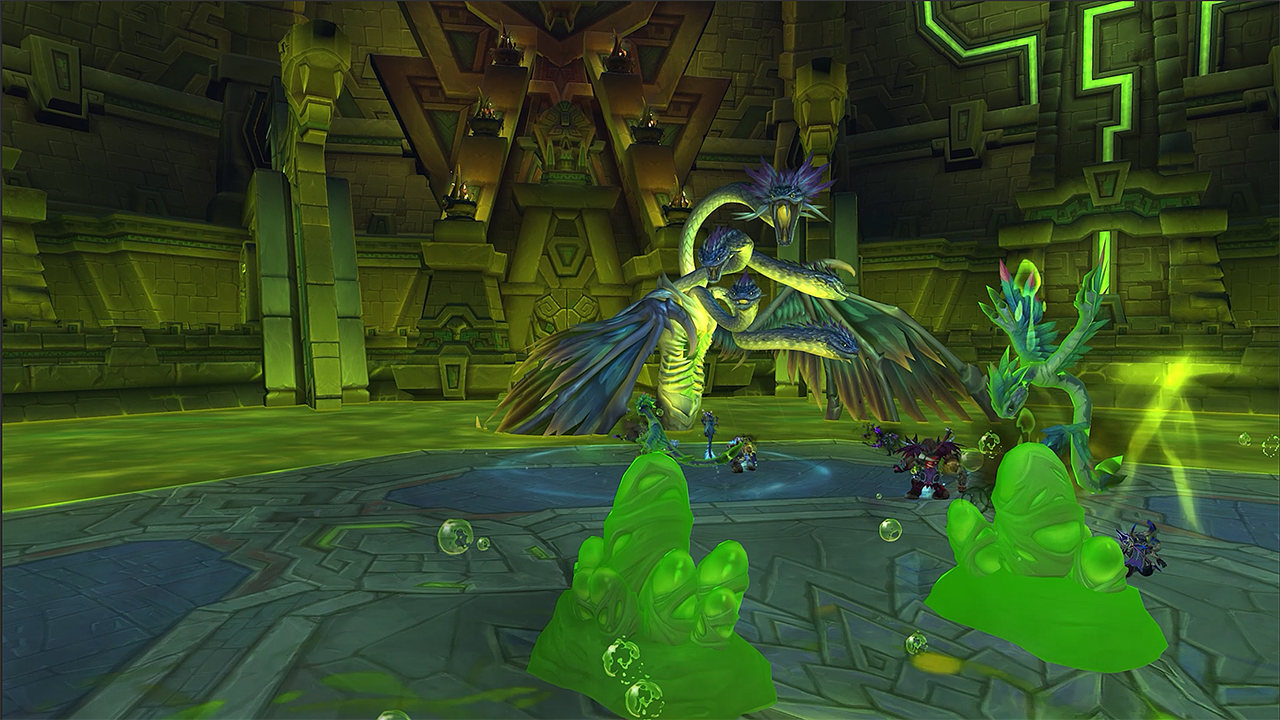
The Venomous Abyss has eight bosses, the Mythic+ pool changes, class sets change damage and healing profiles, and another tuning pass can move a specialization before representative logs stabilize. This makes three kinds of value more important than a snapshot simulation:
- Roster value: raid buffs, combat resurrection, Bloodlust, grips, immunities, dispels and encounter-specific control can secure a slot even when another spec has slightly higher theoretical output.
- Damage-profile fit: stacked cleave, spread cleave, priority damage, funnel and pure single target are different jobs. Arms leading the overall projection does not make it the right answer to every boss mechanic.
- Tuning resilience: a class with two or three specs you genuinely enjoy is safer than a one-spec reroll. Mage, Warlock, Hunter and Rogue hedge tuning inside one role; Paladin, Druid, Shaman and Monk hedge by changing role.
Read the Season 2 class changes before copying an older July ranking. For encounter-level optimization, continue to the dedicated DPS, tank and healer pages.
Choose a Main and an Alt as a Two-Character Portfolio
Most guides rank characters independently. A better account plan gives the second character a different queue role, armor type, damage range or PvP job. If your main is a pure ranged DPS, a tank/healer hybrid alt unlocks faster weekly completion. If your main is melee, a ranged alt protects you when a raid roster is oversupplied with melee. If both characters solve the same problem, the alt adds less practical value.
| Class | Role coverage | Switching cost | Best account job |
|---|---|---|---|
| Death Knight | Tank + 2 melee | Medium: tank trinkets and weapon choices differ. | Durable main for raid, keys and solo progression. |
| Demon Hunter | Tank + melee + mid-range DPS | Medium. | Fast route, farming and aggressive key alt. |
| Druid | All four roles | High at the top end: four roles need different weapons, trinkets and secondary priorities. | Maximum flexibility and best one-character account coverage. |
| Evoker | Healer + ranged + support | Medium. | Coordinated raid or Arena specialist. |
| Hunter | 3 DPS profiles | Low to medium; Survival changes range and weapon. | Low-maintenance leveling, solo and casual PvP alt. |
| Mage | 3 ranged DPS | Low gear cost, higher learning cost. | Future-proof pure ranged main. |
| Monk | Tank + healer + melee | High: roles feel mechanically unrelated. | Mobile hybrid for players who enjoy technical kits. |
| Paladin | Tank + healer + melee | Medium: role weapons and trinkets differ. | Best universal first main and pug problem-solver. |
| Priest | 2 healers + ranged DPS | Medium; Holy and Discipline require different planning. | Dedicated healer main with a DPS fallback. |
| Rogue | 3 melee DPS | Low gear cost, high mastery cost. | PvP and objective-control specialist. |
| Shaman | Healer + melee + ranged | High: weapons, trinkets and playstyles diverge. | Utility-dense second main for keys and raids. |
| Warlock | 3 ranged DPS | Low to medium. | Durable raid ranged main with permanent roster utility. |
| Warrior | Tank + 2 melee | Medium; weapon collection matters. | Season 2 performance main and accessible melee alt. |
Best pairings: Mage + Paladin covers ranged DPS and every group role; Hunter + Shaman adds a healer, Bloodlust redundancy and melee/ranged choice; Rogue + Druid combines elite PvP objectives with every role; Death Knight + Evoker covers tank, melee, ranged, healer and support without duplicating combat style.
The Real Cost of Switching Specializations
Changing spec is free; becoming equally ready is not. Pure DPS classes often share most armor and can change spec after learning new talents and secondary-stat priorities. Role changes can require a different weapon, trinkets, embellishments, crafted items, keybind layout and encounter knowledge. A Druid technically covers every role, but a Mythic-ready four-role Druid is one of the most expensive characters to maintain. A Mage switching from Arcane to Frost has a lower gear bill but still needs a new damage plan.
Before rerolling, audit five things: whether the new spec solves a real roster problem, whether you own the correct weapon and trinkets, whether you enjoy its weakest content type, whether you can practice defensives and utility—not only rotation—and whether the difference survives the next tuning pass. If the blocker is item level rather than class identity, compare the WoW gear options and the Season 2 gearing guide before abandoning a practiced main.
Season 2 Class-Set Tokens and Alt Planning
The Venomous Abyss class-set tokens are useful when planning raid competition and alt gearing. The live Wowhead item pages are: Venomwoven Idol (cloth), Venomwoven Idol (leather), Venomwoven Idol (mail), Venomwoven Idol (plate) and the universal Venomwoven Idol. Token competition should not decide your class alone, but it matters when several raid mains need the same early four-piece.
Use our Midnight Season 2 tier-set guide for exact set effects and acquisition rules. A powerful set can move a spec's launch projection; it does not change permanent class strengths such as role access, range, mobility or utility.
Every World of Warcraft Class Explained
Use the class profiles below to compare permanent class identity with the Season 2 meta. Each specialization name links to its current Wowhead overview, while the ExpCarry links lead to complete leveling and progression guides.
Death Knight: Specs, Talents, Strengths and Season 2 Ranking
Specializations: Blood (Tank), Frost (Melee DPS), Unholy (Melee DPS)
Death Knight is the safest all-round recommendation for players who want a durable plate class with strong self-healing, enemy control and more than one competitive endgame specialization. The class is slower than Demon Hunter, Monk or Warrior, but it compensates by forcing enemies to fight on its terms.
What Makes Death Knight Unique?
- Runes and Runic Power: rune-spending attacks generate Runic Power, which then fuels Death Strike, Frost Strike, Death Coil or Epidemic depending on the specialization.
- Death Grip and Gorefiend-style control: Death Knights can pull dangerous casters into the group instead of chasing them across a room.
- Anti-magic toolkit: Anti-Magic Shell, Anti-Magic Zone and Death's Advance let the class ignore or reduce mechanics that punish other melee specs.
- Self-sustain: Blood turns recent damage into healing through Death Strike, while every spec has access to meaningful defensive recovery.
Key Midnight and Apex Talents
- Blood — Dance of Midnight: strengthens the Dancing Rune Weapon window and makes Blood's largest defensive event contribute more pressure.
- Frost — Chosen of Frostbrood: reinforces Frostwyrm's Fury and Pillar of Frost, keeping the spec centered on readable weapon-burst windows.
- Unholy — Forbidden Knowledge: connects Army of the Dead with stronger Death Coil and Epidemic pressure, rewarding players who enjoy pets and layered setup.
For a broader explanation of every capstone, see our WoW Midnight Apex Talents guide.
Which Death Knight Specialization Should You Choose?
- Choose Blood for solo elites, large outdoor pulls, dungeon tanking and maximum self-sufficiency.
- Choose Frost for the clearest Death Knight DPS rotation, direct weapon hits and strong raid-friendly burst.
- Choose Unholy for Mythic+, execute damage, disease spreading and minion-heavy gameplay.
Death Knight in Midnight Season 2
Blood is the leading Season 2 tank projection in raid and Mythic+, combining self-recovery, grips, Anti-Magic Zone and combat resurrection. Frost and Unholy remain viable DPS fallbacks, but neither currently leads its format; Unholy in particular is held back by its projected single-target profile. Death Knight is still an S-tier class investment because the toolkit survives tuning, while mobility remains its permanent limitation.
Who Should Play Death Knight?
Pick Death Knight if you prefer deliberate combat, dark class fantasy, two-handed weapons, reactive self-healing and control over enemy positioning. Avoid it if frequent dashes, fast travel between targets and a lightweight rotation are essential to you.
Next step: use our Death Knight leveling guide for talent progression, rotations, gear, defensives and the path to level 90. For complete specialization builds, use the linked Wowhead guides above.
Demon Hunter: Specs, Talents, Strengths and Season 2 Ranking
Specializations: Havoc (Melee DPS), Vengeance (Tank), Devourer (Mid-range DPS)
Demon Hunter is the movement specialist. Double jump, Glide, Fel Rush, Infernal Strike and other mobility tools make the class feel faster than almost anything else in WoW. Midnight also gives it a third specialization: Devourer, a 25-yard Void caster that preserves Demon Hunter mobility while introducing a more technical transformation cycle.
What Makes Demon Hunter Unique?
- Mobility as part of the rotation: movement is not only defensive; several builds use dashes, leaps or repositioning as part of their damage pattern.
- Soul Fragments: Vengeance and Devourer convert fragments into healing, damage or access to stronger states.
- Chaos Brand and Darkness: the class adds group value beyond personal damage through a magic-damage debuff and a defensive raid cooldown.
- Metamorphosis: all three specs build around a transformed state, but Havoc, Vengeance and Devourer use it for different offensive or defensive purposes.
Key Midnight and Apex Talents
- Havoc — Eternal Hunt: connects The Hunt with stronger Eye Beam and Blade Dance pressure.
- Vengeance — Untethered Rage: rewards Soul Cleave, Spirit Bomb and Soul Fragment consumption with more Metamorphosis value.
- Devourer — Midnight: improves Collapsing Star and helps the spec enter its Void Metamorphosis cycle with greater immediate payoff.
For a broader explanation of every capstone, see our WoW Midnight Apex Talents guide.
Which Demon Hunter Specialization Should You Choose?
- Choose Havoc for the simplest entry point, fast solo play, active melee combat and excellent movement.
- Choose Vengeance for mobile tanking, sigil control, large pulls and fast dungeon queues.
- Choose Devourer for a unique mid-range caster with Fury, Soul Fragments, Void Ray and Collapsing Star.
Demon Hunter in Midnight Season 2
Havoc remains a dependable melee option because movement, AoE control and Chaos Brand always retain value. Vengeance has the toolkit to be a high-end dungeon tank when its defensive gaps are managed correctly. Devourer is more volatile: its ceiling remains high, but Season 2 pushes it away from the dominant launch pattern and asks players to adapt to different Void-Scarred, Annihilator or melee-leaning builds.
Who Should Play Demon Hunter?
Pick Demon Hunter if you want constant motion, dramatic visuals, short travel time and an aggressive combat rhythm. Avoid it if movement-sensitive rotations frustrate you or if you prefer a traditional long-range caster that can stand 40 yards away.
Next step: use our Demon Hunter leveling guide for talent progression, rotations, gear, defensives and the path to level 90. For complete specialization builds, use the linked Wowhead guides above.
Druid: Specs, Talents, Strengths and Season 2 Ranking
Specializations: Balance (Ranged DPS), Feral (Melee DPS), Guardian (Tank), Restoration (Healer)
Druid is the best class for players who are not ready to commit to one role. One character can tank, heal, play melee DPS or play ranged DPS, and shapeshifting adds stealth, travel speed, aquatic movement and specialized defensive forms. No other class offers the same range of solutions without leveling an alt.
What Makes Druid Unique?
- Shapeshifting: Moonkin, Cat, Bear and travel forms change both combat role and utility. Experienced Druids use off-forms for survival, mobility or crowd control even when those forms are not their main spec.
- Mark of the Wild: a universally useful group buff that improves survivability and damage.
- Combat resurrection: Rebirth provides one of the most valuable recovery tools in raids and Mythic+.
- Control: Typhoon, Ursol's Vortex, roots, Hibernate, stealth and movement tools give Druid answers to unusual dungeon situations.
Key Midnight and Apex Talents
- Balance — Ascendant Eclipses: deepens Eclipse cycling and the relationship between generators, spenders and Celestial windows.
- Feral — Unseen Predator: supports combo-point and finisher pressure without replacing Feral's bleed identity.
- Guardian — Wild Guardian: strengthens the Rage-spending tank loop and rewards controlled defensive resource use.
- Restoration — Everbloom: reinforces Lifebloom and proactive healing-over-time coverage.
For a broader explanation of every capstone, see our WoW Midnight Apex Talents guide.
Which Druid Specialization Should You Choose?
- Choose Guardian for the easiest Druid leveling path, safe mass pulls and an accessible first tank.
- Choose Balance for ranged AoE, strong Mythic+ utility and a methodical Eclipse rotation.
- Choose Feral for stealth, bleed management and a technical melee spec with strong solo tools.
- Choose Restoration for proactive healing, mobility and excellent performance when damage patterns are known in advance.
Druid in Midnight Season 2
Druid remains the widest account investment. Balance is a safe ranged raid pick and a premium battleground specialist; Restoration rewards proactive preparation; Guardian is forgiving in keys and excellent in Delves; Feral is viable but practice-intensive. The A+ class rating reflects immense flexibility with a real multi-role gear and learning cost.
Who Should Play Druid?
Pick Druid if flexibility, shapeshifting, solo convenience and the ability to change roles are more important than mastering one narrow identity. Avoid it if you dislike forms hiding your transmog or if maintaining several off-spec gear sets feels like unnecessary work.
Next step: use our Druid leveling guide for talent progression, rotations, gear, defensives and the path to level 90. For complete specialization builds, use the linked Wowhead guides above.
Evoker: Specs, Talents, Strengths and Season 2 Ranking
Specializations: Devastation (Ranged DPS), Preservation (Healer), Augmentation (Support DPS)
Evoker is a mobile mid-range spellcaster built around dragonflight magic, empowered casts and unusual group utility. Its 25-yard range demands better positioning than Mage or Warlock, but Hover allows casting while moving, and Rescue can physically reposition an ally. Augmentation also gives Evoker a support identity that no conventional pure DPS specialization fully replicates.
What Makes Evoker Unique?
- Empowered spells: holding a spell changes its rank, area, duration or target coverage. Good Evoker play means choosing the right empowerment level rather than always charging to maximum.
- Hover: preserves casting while moving and is central to surviving mechanics without losing all output.
- Dragonflight schools: red, blue, green, bronze and black magic give each specialization a distinct damage, healing or support pattern.
- Group manipulation: Rescue, Zephyr, Time Spiral, Blessing of the Bronze and Ebon Might create utility unavailable to most classes.
Key Midnight and Apex Talents
- Devastation — Rising Fury: makes Dragonrage build Haste and damage through a clearer escalating burst window.
- Preservation — Merithra's Blessing: upgrades Reversion into stronger targeted and nearby healing.
- Augmentation — Duplicate: extends Breath of Eons value by summoning a future version that casts major Evoker abilities and scales with Ebon Might extension.
For a broader explanation of every capstone, see our WoW Midnight Apex Talents guide.
Which Evoker Specialization Should You Choose?
- Choose Devastation for solo leveling, cleave, empowered-spell gameplay and the simplest independent Evoker experience.
- Choose Preservation for proactive healing, Echo setups, strong recovery cooldowns and a high skill ceiling.
- Choose Augmentation for coordinated groups where amplifying stronger teammates matters more than seeing only your own damage number.
Evoker in Midnight Season 2
Augmentation remains composition-sensitive but valuable whenever its buffs align with strong DPS cooldowns. Preservation can be excellent in organized raids and coordinated keys, yet chaotic groups expose its setup requirements and shorter range. Devastation is mobile and visually clear, but its sustained damage and limited range can place it behind safer ranged choices unless tuning favors its burst profile.
Who Should Play Evoker?
Pick Evoker if you enjoy active positioning, unusual support tools, dragon visuals and planning empowered casts. Avoid it if you want maximum range, dislike the Dracthyr form, or prefer a class whose value is easy to read from personal meters.
Next step: use our Evoker leveling guide for talent progression, rotations, gear, defensives and the path to level 90. For complete specialization builds, use the linked Wowhead guides above.
Hunter: Specs, Talents, Strengths and Season 2 Ranking
Specializations: Beast Mastery (Ranged DPS), Marksmanship (Ranged DPS), Survival (Melee DPS)
Hunter is still the best first class for most new WoW players. A pet can hold enemy attention, ranged attacks simplify positioning, and Beast Mastery can deal nearly all of its damage while moving. The class also offers two very different alternatives: Marksmanship for deliberate ranged burst and Survival for melee combat beside a pet.
What Makes Hunter Unique?
- Pet families: Hunters tame creatures with different defensive, offensive and utility traits. Pet choice affects solo comfort, Bloodlust access and survivability.
- Full-movement ranged damage: Beast Mastery is unusually forgiving because movement rarely shuts down its core rotation.
- Traps and misdirection: Freezing Trap, Tar Trap, Misdirection and Feign Death solve pulls through control rather than raw damage.
- Immunity and recovery: Aspect of the Turtle, Exhilaration and Survival of the Fittest provide clear emergency buttons.
Key Midnight and Apex Talents
- Beast Mastery — Nature's Ally: increases the payoff of Bestial Wrath and the pet-centered damage engine.
- Marksmanship — Take Aim: reinforces Aimed Shot and Rapid Fire as the spec's defining ranged burst tools.
- Survival — Raptor Swipe: adds immediate value to the melee spender loop and close-range pressure.
For a broader explanation of every capstone, see our WoW Midnight Apex Talents guide.
Which Hunter Specialization Should You Choose?
- Choose Beast Mastery for beginners, leveling, solo play, constant movement and low rotational punishment.
- Choose Marksmanship for heavy opening hits, precise ranged burst and a less pet-dependent fantasy.
- Choose Survival for mobile melee combat, bombs, spear attacks and an active pet partnership.
Hunter in Midnight Season 2
Hunter remains a safe main because at least one of its three damage profiles usually fits the current content. Beast Mastery is the low-risk recommendation for progression mechanics and new players. Marksmanship gains value when burst and target switching matter. Survival can be an excellent Mythic+ pick when its melee tuning is competitive, but it competes for crowded melee slots and is less intuitive to players who chose Hunter specifically to fight from range.
Who Should Play Hunter?
Pick Hunter if solo freedom, pets, mobility and an easy entry into endgame matter most. Avoid it if you want to tank or heal later on the same character, or if managing pet pathing and utility feels distracting.
Next step: use our Hunter leveling guide for talent progression, rotations, gear, defensives and the path to level 90. For complete specialization builds, use the linked Wowhead guides above.
Mage: Specs, Talents, Strengths and Season 2 Ranking
Specializations: Arcane (Ranged DPS), Fire (Ranged DPS), Frost (Ranged DPS)
Mage is the strongest long-term choice for players who know they want to remain a ranged caster. All three specializations deal damage, but they approach it differently: Arcane rewards resource and cooldown planning, Fire converts critical strikes into explosive chains, and Frost combines proc reactions with slows and control.
What Makes Mage Unique?
- Three complete caster profiles: changing specialization can solve a tuning problem without abandoning the class.
- Time Warp: Mage supplies Bloodlust/Heroism functionality, making it useful in almost every group.
- Control and immunity: Polymorph, Dragon's Breath, Blast Wave, roots, slows, Alter Time and Ice Block create exceptional defensive flexibility.
- Spellsteal and portals: stealing enemy magic and creating teleports provide both combat and account-quality-of-life value.
Key Midnight and Apex Talents
- Arcane — Touch of the Archmage: improves Touch of the Magi and keeps Arcane centered on planned burst conversion.
- Fire — Fired Up: strengthens the proc engine that chains critical strikes into Hot Streak casts.
- Frost — Hand of Frost: reinforces controlled burst and the conversion of familiar Frost procs.
For a broader explanation of every capstone, see our WoW Midnight Apex Talents guide.
Which Mage Specialization Should You Choose?
- Choose Frost for the easiest Mage leveling experience, strong slows and a forgiving first caster.
- Choose Fire for high mobility during burst, rapid proc reactions and explosive cleave.
- Choose Arcane for advanced planning, mana management and one of the highest rewards for executing a precise cooldown sequence.
Mage in Midnight Season 2
Mage is one of the highest-upside Season 2 classes because Arcane is positioned among the leading Mythic+ ranged specs after major improvements to Apex talents, Arcane Pulse and durability. Frost remains a stable progression option with control and reliable damage, while Fire can rise quickly whenever encounter timers and target counts align with Combustion. The class does require better defensive planning than its cloth armor suggests.
Who Should Play Mage?
Pick Mage if you want three ranged choices, high skill expression, portals and some of the strongest control in WoW. Avoid it if you prefer pet tanking, heavy passive durability or the option to switch into tank or healer.
Next step: use our Mage leveling guide for talent progression, rotations, gear, defensives and the path to level 90. For complete specialization builds, use the linked Wowhead guides above.
Monk: Specs, Talents, Strengths and Season 2 Ranking
Specializations: Brewmaster (Tank), Mistweaver (Healer), Windwalker (Melee DPS)
Monk is a fast three-role hybrid for players who want martial-arts combat instead of traditional plate armor or spellcasting. Roll, Tiger's Lust, Transcendence and Flying Serpent Kick make movement fluid, while each specialization has an unusual core mechanic: Stagger for Brewmaster, damage-to-healing options for Mistweaver and mastery-driven ability sequencing for Windwalker.
What Makes Monk Unique?
- Stagger: Brewmaster delays part of incoming physical damage and then manages the delayed pool instead of taking every hit immediately.
- Fistweaving: Mistweaver can convert offensive melee actions into healing, allowing an aggressive healer style.
- Mastery: Combo Strikes: Windwalker is rewarded for not repeating the same ability twice in a row.
- Ring of Peace and Leg Sweep: Monk has some of the most flexible displacement and AoE control in dungeon play.
Key Midnight and Apex Talents
- Brewmaster — Bring Me Another: improves the payoff from Brew usage and the active mitigation rhythm.
- Mistweaver — Spiritfont: strengthens active healing tools used during group pressure.
- Windwalker — Tigereye Brew: supports momentum and repeatable offensive windows.
For a broader explanation of every capstone, see our WoW Midnight Apex Talents guide.
Which Monk Specialization Should You Choose?
- Choose Windwalker for mobile melee, varied button usage and strong cleave.
- Choose Brewmaster for an active tank with Stagger, mobility and control rather than simple armor stacking.
- Choose Mistweaver for a healer that can operate in melee and turn damage into healing.
Monk in Midnight Season 2
Mistweaver has clear Season 2 upside because sustained group damage and priority-target healer DPS suit its Rising Sun Kick and Ancient Teachings patterns. Windwalker remains a flexible melee whose ranking often depends on tuning rather than toolkit. Brewmaster brings Mystic Touch and excellent control, but it can feel less durable than the leading tanks when Stagger, brews and absorbs are not managed precisely.
Who Should Play Monk?
Pick Monk if you want speed, three roles and mechanics unlike any other class. Avoid it if you prefer passive durability, simple keybinds or a conventional medieval class fantasy.
Next step: use our Monk leveling guide for talent progression, rotations, gear, defensives and the path to level 90. For complete specialization builds, use the linked Wowhead guides above.
Paladin: Specs, Talents, Strengths and Season 2 Ranking
Specializations: Holy (Healer), Protection (Tank), Retribution (Melee DPS)
Paladin is the best hybrid for players who want plate armor, forgiving survivability and group-saving utility. All three specializations use Holy Power, but Retribution converts it into melee damage, Protection into mitigation and threat, and Holy into healing. The class has one of the clearest collections of emergency buttons in the game.
What Makes Paladin Unique?
- Blessings: Blessing of Freedom, Protection and Sacrifice can prevent wipes when used on the correct target.
- Immunities: Divine Shield and related talents let Paladins bypass mechanics or survive mistakes that kill other classes.
- Auras and combat resurrection: Paladin brings passive group value and can recover a dead ally in combat.
- Holy Power: generators and spenders make the core resource intuitive across all three roles.
Key Midnight and Apex Talents
- Holy — Beacon of the Savior: reinforces Beacon-based healing and practical dungeon stabilization.
- Protection — Glory of the Vanguard: improves the frontline durability and offensive value of the tank loop.
- Retribution — Light Within: strengthens the holy-damage pressure and burst identity of Retribution.
For a broader explanation of every capstone, see our WoW Midnight Apex Talents guide.
Which Paladin Specialization Should You Choose?
- Choose Retribution for the best beginner melee hybrid, strong self-healing and a clear damage rotation.
- Choose Protection for interrupts, shields, utility and one of the most complete Mythic+ tank packages.
- Choose Holy for melee-range healing, powerful single-target saves and a large collection of external cooldowns.
Paladin in Midnight Season 2
Holy Paladin is one of the two safest Mythic+ healer launches and projects among the best raid healers. Protection is an A+ dungeon problem-solver through interrupts, dispels and Blessings, though Blood Death Knight currently leads the tank projection. Retribution remains a forgiving generalist with excellent pug utility.
Who Should Play Paladin?
Pick Paladin if you want one character that can cover every core role, survive mistakes and actively save teammates. Avoid it if slow base mobility, melee positioning or Holy-themed visuals do not appeal to you.
Next step: use our Paladin leveling guide for talent progression, rotations, gear, defensives and the path to level 90. For complete specialization builds, use the linked Wowhead guides above.
Priest: Specs, Talents, Strengths and Season 2 Ranking
Specializations: Discipline (Healer), Holy (Healer), Shadow (Ranged DPS)
Priest is the specialist choice for players who care more about healing depth than role flexibility. Holy is a direct reactive healer, Discipline prevents and converts damage through Atonement, and Shadow is a ranged damage-over-time spec with strong group utility. The class is powerful but has some of the weakest baseline mobility in WoW.
What Makes Priest Unique?
- Two healing philosophies: Holy responds after damage, while Discipline applies Atonement and prepares before damage arrives.
- Power Infusion: a highly desirable external damage cooldown that can be coordinated with a teammate's burst.
- Mass Dispel: removes effects that most classes cannot answer and can change how a group handles specific mechanics.
- Leap of Faith: physically pulls an ally out of danger, creating unique rescue potential.
Key Midnight and Apex Talents
- Discipline — Master of Darkness: strengthens Penance, shielding and the aggressive damage-to-healing loop.
- Holy — Benediction: adds value to Holy's familiar reactive and Renew-based healing rhythm.
- Shadow — Void Apparitions: reinforces apparitions, Void effects and repeated damage-over-time pressure.
For a broader explanation of every capstone, see our WoW Midnight Apex Talents guide.
Which Priest Specialization Should You Choose?
- Choose Holy for the easiest first healer and clear direct responses to damaged targets.
- Choose Discipline for advanced proactive healing, absorbs and meaningful healer damage.
- Choose Shadow for DoTs, priority damage, Power Infusion and a dark caster identity.
Priest in Midnight Season 2
Discipline remains valuable for planned raid ramps and mitigation, but the August 18 damage-to-Atonement redistribution reduces the exceptional damage edge assumed by older rankings. Holy is the clearest beginner healer and received meaningful mana and Oracle improvements. Shadow remains useful when targets live long enough for its damage pattern to mature.
Who Should Play Priest?
Pick Priest if healing is your main goal, you enjoy planning cooldowns and you value Power Infusion or Mass Dispel. Avoid it if you need strong mobility, a tank option or an easy solo experience without changing to Shadow.
Next step: use our Priest leveling guide for talent progression, rotations, gear, defensives and the path to level 90. For complete specialization builds, use the linked Wowhead guides above.
Rogue: Specs, Talents, Strengths and Season 2 Ranking
Specializations: Assassination (Melee DPS), Outlaw (Melee DPS), Subtlety (Melee DPS)
Rogue is the control and stealth specialist. All three specs are melee DPS, but Assassination focuses on bleeds and poisons, Outlaw on fast weapon attacks and proc-driven tempo, and Subtlety on carefully constructed Shadow Dance burst windows. The class can skip unwanted enemies, disable dangerous targets and survive through avoidance rather than raw armor.
What Makes Rogue Unique?
- Stealth and Vanish: Rogues choose when combat begins and can reset or create a new opener during the fight.
- Combo points and finishers: every specialization builds points and converts them into stronger finishing moves.
- Shroud of Concealment: enables coordinated dungeon skips unavailable to most groups.
- Control and avoidance: Sap, Blind, Kidney Shot, Gouge, Cloak of Shadows, Evasion and Feint give Rogue exceptional answers when used correctly.
Key Midnight and Apex Talents
- Assassination — Implacable: improves Energy and Envenom flow, reinforcing poison and finisher pressure.
- Outlaw — Gravedigger: adds more value to Between the Eyes and the spec's fast rotational tempo.
- Subtlety — Ancient Arts: strengthens repeatable Shadow burst and finisher windows.
For a broader explanation of every capstone, see our WoW Midnight Apex Talents guide.
Which Rogue Specialization Should You Choose?
- Choose Assassination for the clearest Rogue identity, poisons, bleeds and strong priority-target damage.
- Choose Outlaw for very high activity, cleave and a swashbuckling weapon style.
- Choose Subtlety for PvP, planned burst, Shadow Dance and one of the highest technical ceilings among melee specs.
Rogue in Midnight Season 2
Assassination is the safest Season 2 Rogue recommendation because priority damage, poisons and sustained pressure fit durable dungeon targets. Outlaw can perform well but asks for high actions per minute and tolerance for proc variance. Subtlety remains dangerous in expert hands and PvP, yet small tuning or rotational issues can push it below easier melee options in PvE.
Who Should Play Rogue?
Pick Rogue if stealth, PvP, control and technical melee play matter more than role flexibility. Avoid it if you want a tank or healer off-spec, passive durability or a low-maintenance rotation.
Next step: use our Rogue leveling guide for talent progression, rotations, gear, defensives and the path to level 90. For complete specialization builds, use the linked Wowhead guides above.
Shaman: Specs, Talents, Strengths and Season 2 Ranking
Specializations: Elemental (Ranged DPS), Enhancement (Melee DPS), Restoration (Healer)
Shaman is the utility-heavy hybrid for players who want to change between ranged DPS, melee DPS and healing. Totems, the shortest mainstream interrupt cooldown, Bloodlust, Purge, Tremor effects and a self-resurrection create answers to many dungeon problems before personal damage is even considered.
What Makes Shaman Unique?
- Totems: Shamans place short-duration tools for healing, control, movement, fear removal or damage instead of relying only on personal spells.
- Wind Shear: one of the best interrupts in the game because of its range and cooldown.
- Bloodlust and Purge: Shaman can accelerate the group and remove dangerous enemy magic.
- Maelstrom systems: Elemental spends Maelstrom, while Enhancement converts Maelstrom Weapon stacks into instant or stronger spells.
Key Midnight and Apex Talents
- Elemental — Feedback Loop: reinforces overloads and repeated spell payoff.
- Enhancement — Storm Unleashed: rewards Maelstrom Weapon spending and the spec's rapid hybrid melee-caster loop.
- Restoration — Stormstream Totem: improves practical totem-based healing throughput and group stability.
For a broader explanation of every capstone, see our WoW Midnight Apex Talents guide.
Which Shaman Specialization Should You Choose?
- Choose Elemental for ranged spellcasting, strong single-target potential and exceptional utility.
- Choose Enhancement for fast melee combat with frequent instant spells and proc reactions.
- Choose Restoration for the safest pug healer profile, Bloodlust, Wind Shear and a large emergency toolkit.
Shaman in Midnight Season 2
Restoration is one of the two safest Mythic+ healer launches because it brings reactive healing, Bloodlust, Purge, totems and the only healer interrupt. Elemental and Enhancement provide ranged or melee fallbacks with dense utility, although neither currently leads its DPS category and switching roles has a real weapon and trinket cost.
Who Should Play Shaman?
Pick Shaman if you want a hybrid with visible group impact and many answers to mechanics. Avoid it if you dislike maintaining utility buttons, reacting to procs or managing a larger action-bar footprint.
Next step: use our Shaman leveling guide for talent progression, rotations, gear, defensives and the path to level 90. For complete specialization builds, use the linked Wowhead guides above.
Warlock: Specs, Talents, Strengths and Season 2 Ranking
Specializations: Affliction (Ranged DPS), Demonology (Ranged DPS), Destruction (Ranged DPS)
Warlock is the durable pure caster. Demons can tank while leveling, Healthstones provide personal and group recovery, Soulstone supplies combat resurrection, and Demonic Gateway can solve raid movement mechanics. Affliction, Demonology and Destruction cover DoT pressure, pet armies and direct heavy spellcasting.
What Makes Warlock Unique?
- Demons: different pets provide tanking, interrupts, dispels or specialized damage.
- Soul Shards: every spec generates and spends shards, but the spenders create completely different rhythms.
- Healthstones and Soulstone: Warlock brings mandatory-feeling raid utility before damage is considered.
- Demonic Gateway: creates a planned movement route that can simplify mechanics for the entire group.
Key Midnight and Apex Talents
- Affliction — Shadow of Nathreza: reinforces Haunt and sustained Shadow pressure.
- Demonology — Dominion of Argus: strengthens demon generation and Tyrant-centered burst.
- Destruction — Embers of Nihilam: improves the Incinerate-to-Chaos-Bolt damage story.
For a broader explanation of every capstone, see our WoW Midnight Apex Talents guide.
Which Warlock Specialization Should You Choose?
- Choose Destruction for the simplest Warlock entry point, large Chaos Bolt hits and readable burst.
- Choose Demonology for pets, summon timing and visually dense cooldown windows.
- Choose Affliction for damage-over-time management, multi-target pressure and a high reward when enemies live long enough.
Warlock in Midnight Season 2
Warlock remains a safe raid main because Healthstones, Gateway and Soulstone retain value even when a particular spec is not first on damage. Demonology is generally the most complete all-rounder when pet ramp fits encounter timing. Destruction performs well when targets allow repeated direct casts. Affliction rises on durable multi-target encounters but loses value when enemies die before DoTs generate full return.
Who Should Play Warlock?
Pick Warlock if you want pets, high caster durability, raid utility and three ranged damage styles. Avoid it if instant mobility is a priority or if pet control and pre-planned positioning feel cumbersome.
Next step: use our Warlock leveling guide for talent progression, rotations, gear, defensives and the path to level 90. For complete specialization builds, use the linked Wowhead guides above.
Warrior: Specs, Talents, Strengths and Season 2 Ranking
Specializations: Arms (Melee DPS), Fury (Melee DPS), Protection (Tank)
Warrior is the purest weapon-based class. Arms uses deliberate heavy strikes and execute pressure, Fury dual-wields and maintains a relentless high-speed rhythm, and Protection blocks attacks while controlling groups with physical disruption. Charge and Heroic Leap also make Warrior substantially more mobile than its plate armor suggests.
What Makes Warrior Unique?
- Rage: taking and dealing damage fuels abilities, creating an aggressive resource loop.
- Battle Shout: increases group physical damage value and makes Warrior especially attractive in physical compositions.
- Rallying Cry: a group defensive cooldown that can stabilize raid or dungeon damage spikes.
- Spell Reflection: one of the most rewarding knowledge-based defensive tools in the game.
Key Midnight and Apex Talents
- Arms — Master of Warfare: strengthens heavy physical pressure and the spec's deliberate burst profile.
- Fury — Rampaging Berserker: reinforces constant momentum and Rampage-centered aggression.
- Protection — Phalanx: adds direct value to frontline mitigation, control and tank tempo.
For a broader explanation of every capstone, see our WoW Midnight Apex Talents guide.
Which Warrior Specialization Should You Choose?
- Choose Fury for the easiest Warrior leveling route, self-healing and rapid button presses.
- Choose Arms for large individual hits, execute damage and a more controlled pace.
- Choose Protection for shield tanking, physical durability and straightforward enemy control.
Warrior in Midnight Season 2
Arms is one of the leading Season 2 Mythic+ melee specs due to exceptional cleave and improved AoE-focused talent interactions. Protection is a strong tank when physical damage and Battle Shout align with the composition. Fury remains the safest casual and solo recommendation because it is direct, durable and fast, even when Arms has the stronger top-end ranking.
Who Should Play Warrior?
Pick Warrior if weapons, plate armor, charges and direct physical combat are the main fantasy you want. Avoid it if you need ranged options, healing utility or spell-heavy gameplay.
Next step: use our Warrior leveling guide for talent progression, rotations, gear, defensives and the path to level 90. For complete specialization builds, use the linked Wowhead guides above.
Best WoW Classes by Player Type
| Player type | Best class | Why |
|---|---|---|
| Completely new player | Hunter | Pet tanking, ranged mobility, low downtime and a forgiving Beast Mastery rotation. |
| Returning player | Paladin | Three roles, readable Holy Power, durable solo play and useful emergency buttons. |
| Player who wants one main forever | Druid | All four combat styles are available without leveling another class. |
| Solo-focused player | Hunter or Death Knight | Pets or extreme self-sustain make elites and open-world content safer. |
| Mythic+ meta player | Warrior, Mage, Paladin or Shaman | Current launch leaders plus group-defining tank and healer utility. |
| Raid-only ranged player | Mage or Warlock | Three ranged specializations and raid utility reduce the risk of a bad tuning cycle. |
| Dedicated healer | Priest | Two fundamentally different healing specs plus Shadow for solo content. |
| First-time tank | Guardian Druid | Readable mitigation, high health, simple threat and strong solo performance. |
| High-skill technical player | Rogue, Mage or Evoker | High planning, positioning and execution ceiling with visible rewards for mastery. |
| PvP-focused player | Rogue, Mage or Druid | Control, mobility, resets and multiple competitive PvP roles. |
Should You Reroll for Season 2?
Reroll when your current class no longer supports the role or combat style you want, not because another specialization moved one tier higher. Before changing mains, answer three questions:
- Do you dislike the class or only its current tuning? Tuning changes quickly; movement, resource systems and class fantasy change much more slowly.
- Would another specialization on the same class solve the problem? Mage, Warlock, Rogue, Hunter and hybrid classes often let you change profile without restarting progression.
- Are you actually playing at a level where the tier gap matters? For most players, improving defensives, interrupts, gear and encounter knowledge produces a larger gain than rerolling.
When you do reroll, the efficient route is to select the class first, use our Midnight leveling guide to plan the journey, and then move into WoW gearing services, Mythic+ runs or the Venomous Abyss raid according to your endgame goal.
Research Method and Update Status
This guide separates permanent class qualities from temporary tuning. Season 2 dates and content come from Blizzard's official Season 2 schedule and Curse of Ula'tek overview. Launch placements incorporate Blizzard's August 18 class-tuning announcement and the specialization-level evaluations linked throughout this hub.
Confidence: high for role coverage, beginner difficulty and utility; medium for the order of adjacent launch tiers. Last fact-check: August 15, 2026. The performance sections should be reviewed after launch hotfixes and the first representative Venomous Abyss and Mythic+ logs.
Final Recommendation
Choose Paladin for the best universal first main, Beast Mastery Hunter for the easiest start, Druid for maximum role freedom, Mage for a future-proof pure ranged main, and Death Knight for a durable tank/melee package. Choose Warrior if your immediate Season 2 goal is leading DPS potential, but keep the word “projection” attached until representative live logs exist.
The strongest decision is a class with at least two specializations you would willingly play and an alt that solves a different account problem. That combination survives tuning better than chasing a single S-tier row.
After choosing your main, continue with the WoW Midnight class guide hub for specialization builds and rotations. Players who want to skip repetitive progression can use WoW Midnight leveling boost or explore all WoW boost services for leveling, gear, raids, Mythic+, PvP and character progression.