




This Aion 2 gold farming guide for 2026 is built for players who want consistent income without pretending one method stays best forever. In any active MMO economy, prices and demand shift fast when players push upgrades, chase new content, or rush events. The goal is not to memorize one “best farm.” The goal is to run a small set of reliable methods, score them quickly, and pivot when your market changes.
Below you get a practical system for making Kinah in 2026: a method scoring framework, a shortlist of high reliability money makers, and repeatable daily and weekly loops you can adjust when prices, demand, and competition change.
How gold making works in Aion 2 in 2026
Consistent income comes from selling into player pain. Pain is what players pay to remove: upgrade materials they need right now, consumables they burn every session, and convenience items that save time. Your goal is to position yourself as a reliable supplier of whatever the average player runs out of most often.
In 2026, you also want to treat the economy as seasonal. New content, events, and system changes can move prices quickly. Build routines that survive market swings instead of relying on one over tuned spot.
The healthiest approach is to treat gold making like a small portfolio:
- One fast, liquid method that converts time into Kinah quickly.
- One market method that turns loot or materials into higher value sales.
- One scalable profession method that grows as your character and knowledge grow.
This mindset prevents the classic trap: farming a spot that looks strong on paper, then collapsing because sell prices drop or your inventory stops moving.
Method scoring for Aion 2 gold farming decisions
You do not need perfect data. You need consistent evaluation. Use the same score inputs every time you test a method, then compare results honestly. This keeps your routine stable even when the meta shifts.
| Metric | What to track | Why it matters |
|---|---|---|
| Net Kinah per hour | Sales minus fees and consumable costs, divided by time | Prevents “busy farms” that feel good but pay poorly |
| Sell speed | How quickly items sell after listing | Fast sales reduce relist time and price risk |
| Inventory risk | How much you can get stuck holding | Slow items can trap your money and kill flexibility |
| Competition pressure | How often you are undercut or out farmed | High pressure requires higher margins or faster loops |
| Consistency | How repeatable the method is day to day | Consistency is what makes you rich over weeks |
Quick testing rule: run a method for 30 to 45 minutes, record net outcome, then repeat for 3 sessions on different days. If it cannot beat your safest alternative by a meaningful margin, drop it and rotate. In unstable markets, prioritize sell speed and low inventory risk. In calmer markets, you can accept slower sellers if margins are strong.
Best gold farming methods in Aion 2 for 2026
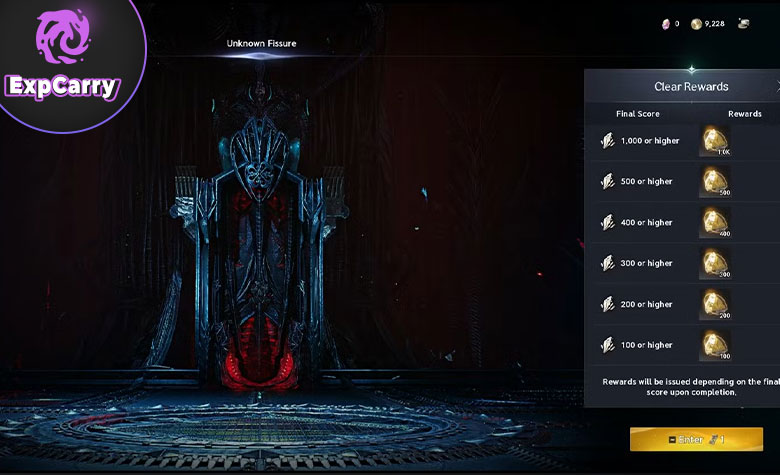
The methods below are chosen because they tend to remain useful across patches. They do not rely on one rare drop or one crowded location. Instead, they focus on repeatable output, reliable demand, and predictable time investment.
1) Daily and weekly loops that fund everything else
Daily and weekly activities are your stability layer because they often provide direct currency and steady materials. Even if you prefer market flipping, you want a baseline loop that funds your fees, consumables, and crafting inputs.
Build a routine with three layers:
- Daily layer: the quickest activities that reward currency, upgrade materials, or tradeable consumables.
- Weekly layer: longer activities with better payout per run, especially those that can drop high demand materials or sellable items.
- Event layer: limited time activities that create short demand spikes for specific items.
Execution rules that keep your income stable:
- Do your highest value dailies first. Then stop. The goal is consistency, not exhaustion.
- When an event hits, do not stockpile blindly. Sell early if sell speed is high, then reassess after the first price drop.
- Keep a small “fees and supplies” reserve. If your listings or crafting costs drain you, your whole system slows down.
2) Dungeon farming for a basket of sellable outputs
Dungeons are reliable when you farm for a basket of items that solve common player needs. The goal is not to chase one jackpot drop all week. The goal is consistent, repeatable value: materials, enhancement related items, consumables, and any tradeable components that move quickly.
Dungeon profit checklist:
- Prioritize runs that are fast and consistent. Time efficiency beats difficulty for money making.
- Track which drops sell quickly on your broker. If sell speed is slow, convert, bundle, or pivot.
- Bundle your sales. Many buyers want “enough for tonight” rather than single pieces.
- Watch repair and consumable burn. A run that looks good on gross value can be bad on net value.
Simple rule for dungeon selection: pick two instances you can complete reliably and rotate them. If one becomes crowded or your sell speed slows, you still have a second option without rebuilding your routine.
3) Gathering and route farming for liquid Kinah
Gathering is one of the cleanest money makers because it turns time into materials that usually sell fast. It stacks well with real play. You can gather while waiting for parties, between dailies, or during short sessions.
Use a three route system to stay consistent:
- Route A: short loop near a hub, best for quick sessions and fast listing.
- Route B: medium loop with fewer players, best when zones are crowded.
- Route C: edge loop away from traffic, best during prime time competition.
Route rule: time your lap. If your lap time increases by more than 20 percent due to competition, switch routes immediately. Your lap time is your income.
Listing rule for gathered materials:
- Sell in small and medium stacks. Small stacks move fastest and keep you liquid.
- Keep one or two “bulk stacks” only if the market is stable and you see consistent sales.
- If a material does not sell after your normal listing window, reduce quantity exposure and rotate to another material instead of forcing a price war.
4) Broker selling: turning playtime into real profit
Many players farm plenty of items but stay poor because they sell incorrectly. Broker profit is about matching how players buy: convenience, correct stack sizes, and steady availability. Fees and taxes mean relisting can quietly destroy your net profit, so your goal is to sell cleanly with minimal relist cycles.
Broker habits that usually increase profit:
- Post in two to three stack sizes: a small “session stack,” a medium stack, and a limited number of large stacks.
- Sell when players are actively upgrading and preparing for content. If your region has clear peak hours, test listings before and during peak time.
- Focus on predictable demand categories: consumables, upgrade materials, enhancement related items, and crafting inputs.
- Limit relist fatigue. If undercut pressure is extreme, switch to faster sellers or conversion crafting.
Pricing rule: do not start price wars. If you are constantly being undercut, post smaller quantities, post less frequently, or move to a product with lower competition. Your goal is a steady stream of sales, not winning one listing battle.
Aion 2 professions">professions and crafting for steady gold
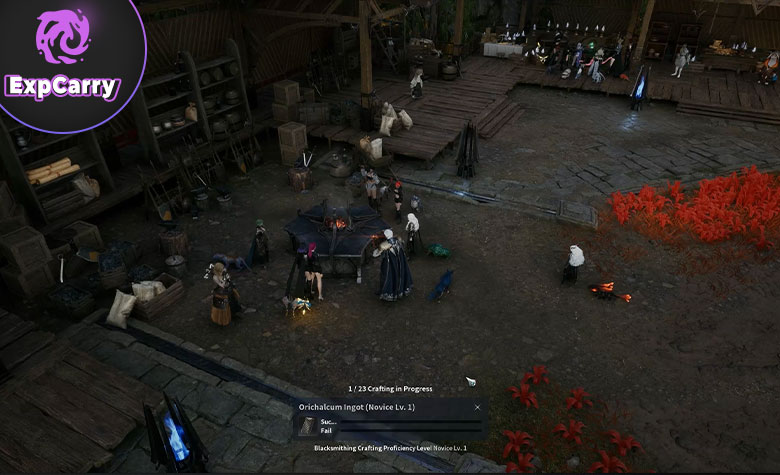
Crafting becomes strong when you treat it as a repeatable conversion machine. Your job is to buy or gather inputs, convert them into higher value outputs, and sell into consistent demand. This is how you grow from “farming for money” into “making money while you play.”
| Crafting lane | Best to sell | Why it works | Main risk |
|---|---|---|---|
| Consumable crafting | Items players use every session | Constant demand and fast turnover | Undercuts during peak hours |
| Upgrade support | Enhancement and upgrade materials | Sells into progression pressure | Demand spikes then cools |
| Component crafting | Intermediate materials needed by other crafters | Often better margins than “flashy” items | Requires tracking input costs |
Simple crafting plan that works for most players:
- Start with one fast selling product to fund your other goals.
- Add one conversion craft that raises value, but only after sell speed is proven.
- Keep inventory small. Scale only when sales are consistent for several cycles.
Conversion rule: if your crafted item sells slower than your inputs, you are taking extra risk for no payoff. Either improve your pricing and stack sizes, or switch to a different conversion.
Safe, account friendly gold making
Shortcuts can look tempting, but the best long term strategy is to avoid anything that risks your account or breaks your routine. Focus on in game methods: farming, crafting, and trading through official systems. Your goal is reliable income, not a one time spike followed by punishment or market collapse.
Keep these safety rules:
- Avoid bots, macros, and automation that violates rules.
- Avoid real money trading. It is not worth the account risk.
- Do not hoard items you cannot sell. Liquidity is power.
Market stability note: if your region has anti bot checks or stricter trade monitoring, expect gathering and broker markets to shift. When supply drops, prices can rise. When enforcement relaxes, competition can spike again. Build methods that still work when conditions change.
Common mistakes that kill your gold per hour
Most players do not fail because they chose a bad method. They fail because they ignore time, sell speed, and inventory risk. Fix these and your income improves immediately.
- Farming after a method becomes popular. If everyone is doing it, prices are already dropping.
- Tracking gross value instead of net value. Fees and consumables matter.
- Posting only large stacks. Many buyers want small session stacks.
- Overcrafting without sell proof. Craft small, confirm demand, then scale.
- Staying stubborn when sell speed slows. Pivot early and keep your Kinah liquid.
Conclusion
Aion 2 gold farming in 2026 is strongest when you treat it like a system, not a secret. Build a small portfolio: a daily and weekly baseline loop, one fast route based method like gathering, and a broker or crafting lane that turns your time into higher value sales. Score your methods by net Kinah per hour and sell speed, rotate when competition rises, and avoid inventory traps that lock up your money.
If you follow this process, you will consistently find the best gold methods for your server and play schedule without chasing every rumor or rebuilding your routine every week.