
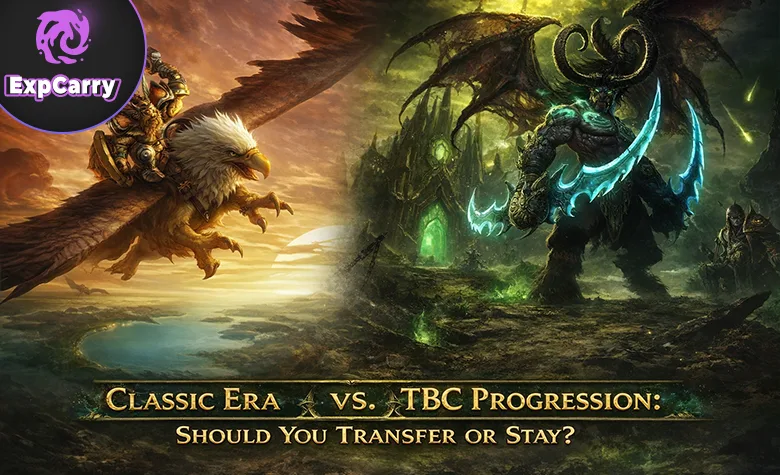
Classic Era vs. TBC Progression: Should You Transfer or Stay is not a question about what sounds best on paper, it is a question about what kind of WoW Classic week you want to live. Classic Era is a permanent Vanilla world where the endgame is stable, the map is familiar, and your character can stay complete for as long as you choose. TBC progression is a forward moving path into Outland, with new leveling, new gearing ladders, a different raid structure, and a different PvP ecosystem. Both can be fun for months, but they feel different every time you log in because the weekly loop is not the same. This guide focuses on the practical differences that change your day to day enjoyment, not just a feature list.
Most regret happens when players choose based on day one hype instead of week four habits. Your satisfaction is shaped by how often you play, whether you enjoy checklists, how you feel about gold pressure, how much you care about competitive PvP, and how strongly your guild and friends anchor your schedule. Classic Era vs. TBC progression is not a small toggle, it changes your routine, your goals, your community, and your sense of urgency. If you choose based on your real playstyle, you can enjoy either path even when it has flaws. If you choose based on hype, you can burn out fast even if the content is great.
Classic Era vs. TBC Progression: What You Are Actually Deciding
This is a world choice more than a content choice. Classic Era is designed as a permanent Vanilla home where the same continents, dungeons, and raids remain the foundation forever. TBC progression is designed as a timeline, where your character moves into new zones, new systems, and new power brackets over time. One path emphasizes stability and mastery inside a solved environment. The other emphasizes momentum, rebuilding, and climbing new ladders.
This choice also changes the social temperature around you. Era communities usually form around permanence, which often means more stable guilds and more familiar faces over time. Progression communities usually form around forward momentum, which often means high energy early and more churn as phases move and people chase goals. Neither is automatically better, but they feel different. If you value calm routine and long term identity, Era tends to support that. If you value early expansion energy and the feeling of a living race, progression tends to support that.
Finally, this is a choice about attachment. Some players feel their character belongs in Vanilla because their story, gear goals, and reputation were built in that world. Other players see their character as a journey that should keep moving because the fun comes from unlocking new possibilities. Neither mindset is wrong, but they lead to different motivation patterns. Choose the path that matches your identity so the game stays enjoyable after the initial excitement fades.
A simple way to frame the decision
If you want a low regret answer, decide based on week four, not day one. If you imagine logging in and you want a stable routine like raiding familiar content, farming familiar routes, and working on self chosen long term goals, Classic Era is a strong fit. If you imagine logging in and you want new zones, new dungeons, new reputations-farm">reputations, and meaningful upgrades almost every session, TBC progression is a strong fit. If you honestly want both, do not force one character to satisfy everything. A better plan is often to pick one primary home for your main and use alts to explore the other path without turning it into an identity crisis.
Transfer reality: what you should check before you commit
Before you decide, make sure you understand what options are actually available on your realm type. In general, Classic Era and progression realms are separate ecosystems, so treat Era as a permanent Vanilla home and progression as a timeline you move through. That matters because you should not assume you can freely move the same character back and forth later.
If you are currently on a progression environment that is moving forward into The Burning Crusade, pay attention to any one time copy or transfer window that allows you to preserve your character in Classic Era. If you are currently on a progression environment that is moving forward into The Burning Crusade, pay attention to any one time copy or transfer window that allows you to preserve your character in Classic Era. Players who care about PvP can also look at Honor Farm Classic to support their ranking goals while they decide where to stay. If a deadline exists, do not ignore it. When the deadline passes, the default outcome is usually that your character continues forward on the progression timeline, and you lose the chance to lock in a permanent Vanilla version of that character. If you are unsure, preserving your Vanilla home first is the safer low regret move, because you can always play progression later, but you may not always be able to recreate your original Vanilla identity.
Why Players Stay on Classic Era
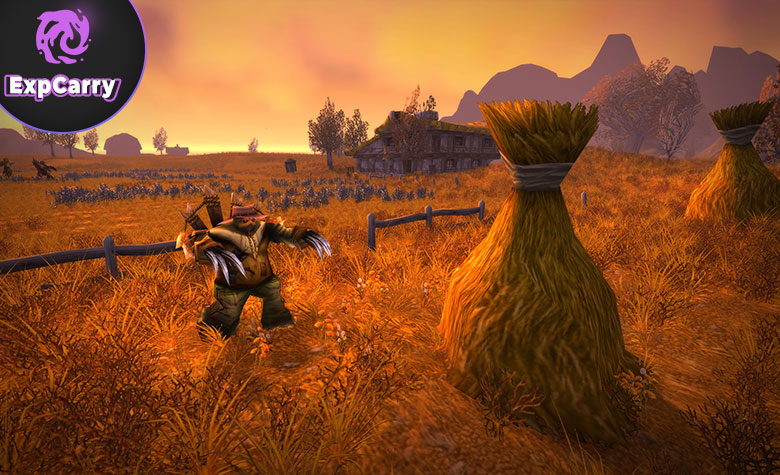
Staying on Classic Era means choosing permanent Vanilla as your long term home. You keep the original continents, the original dungeon ecosystem, and the raid ladder that ends in the final Vanilla tiers. For many players, the appeal is that the world is complete and the endgame is known. You can become powerful and stay powerful without feeling like the game keeps resetting your progress. That stability changes the emotional tone of the game because you are not chasing an expanding checklist every cycle.
Classic Era also rewards self directed goals. When there is no new expansion pushing everyone forward, people have room to chase rare drops, complete sets, craft identity items, build PvP reputations, or become known for a specific service in their server community. This kind of long term identity is a main reason Era feels like a true MMO to many players. You see the same names, you recognize guilds, and relationships matter because fewer people are constantly rerolling into the next wave.
Another reason players stay is that they prefer Vanilla rhythm and friction. Travel, world danger, and the social logistics of large groups create a specific kind of story. Some players dislike that friction, but others love it because it makes success feel earned and coordination meaningful. If you enjoy the world as a world, not only the endgame as a ladder, Era keeps that atmosphere intact.
Era is strongest for stability and long term identity
Classic Era shines when you want a stable weekly life rather than a race. You can build a routine that fits your schedule, and you can take breaks without feeling like you missed a mandatory gearing window. The power ceiling is known, so your character can feel finished in a satisfying way. Because the endgame is stable, your goals can be self directed, which is perfect for collectors and long term planners. Era also tends to reward community reputation, because people stay longer and repeated interactions matter. If you value comfort, mastery, and a world that does not move under your feet, Era is often the correct choice.
Who often prefers Classic Era
Players who prefer Classic Era usually like routine more than urgency. They enjoy logging in to a familiar world where they already understand how to be effective, rather than relearning systems every season. They often value social bonds, because Era communities are typically built around people who plan to stay. Many Era players enjoy long term projects like crafting, collecting, helping others gear, or organizing repeated raid nights as a community event. Era is also friendly for players with unpredictable schedules, because missing a week does not feel like losing a race.
Explore services related to this guide, selected from our WoW Classic catalog.
View All WoW Classic Services


Why Players Choose TBC Progression
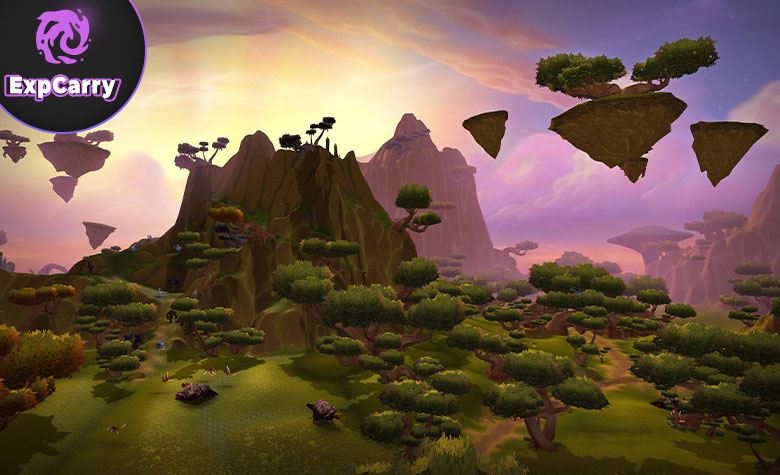
TBC progression is for players who want forward motion and a fresh endgame ladder. Moving into Outland gives you a new leveling journey, a new set of dungeons, new faction reputations, and a gearing path that feels meaningful even if you were fully geared in Vanilla. The early progression weeks often feel exciting because every upgrade matters and the world is full of people doing the same new content. If you feel bored in a solved Vanilla environment, progression can immediately feel more alive.
TBC also changes endgame variety and structure. Your week can include heroic dungeons, multiple raid sizes, reputation goals, profession upgrades, and a more structured PvP ladder. If you like having parallel goals, TBC progression provides them naturally. It also changes class and spec value in ways that can feel liberating for players who disliked narrow Vanilla roles. If you enjoy adapting and optimizing, progression gives you more levers to pull.
Another major reason players choose TBC progression is competitive PvP. Arenas create a structured ladder that rewards practice, coordination, and consistent play. That competitive loop is very different from world PvP and battleground identity, and it becomes a meaningful weekly commitment for players who want to push rating. If the idea of regular practice sounds fun rather than stressful, progression is a strong home.
Progression is strongest for momentum and new goals
TBC progression feels best when you enjoy measurable advancement. You level, you replace gear frequently, and you unlock access layers through dungeons, reputations, and raid tiers. That creates a constant sense of purpose, which is motivating for players who like lists and planning. Progression also rewards activity, because frequent play sessions accelerate readiness and your power curve. If you like the feeling of building again rather than preserving a finished character, progression is a natural fit.
Who often prefers TBC progression
Players who prefer TBC progression usually enjoy change more than stability. They like early expansion energy, where everyone is leveling, farming, and organizing groups at the same time. They often enjoy structured endgame goals such as heroics, raid tiers, and arenas because these systems create a clear ladder to climb. Many progression players also like optimization, because TBC design offers more meaningful choices in gearing, professions, and composition planning. They are more tolerant of short term pressure, because they see it as motivation rather than stress.
Raiding Reality: How Your Guild and Your Week Change
Raiding often decides the Classic Era vs. TBC progression question because it dictates your schedule and your social life. Classic Era raiding tends to be routine driven, with long established patterns and community tradition. Many guilds settle into predictable weekly nights, and the main challenge becomes consistency, roster stability, and social cohesion. For some players, that routine is comforting, because raid night feels like a familiar gathering. For others, it can feel repetitive once the content is fully known.
TBC progression raiding tends to be more ladder driven and schedule heavy, especially early. You are not only raiding, you are also preparing: finishing dungeons, earning reputations, adjusting professions, and filling gearing gaps. Guilds often recruit and reshuffle more during this phase because rosters are adapting to a new meta and new role needs. That can create excitement and ambition, but it can also create churn and pressure. Your enjoyment depends more on your tolerance for early chaos than on the bosses themselves.
Raid size and structure also change how your guild feels. Era communities may revolve around larger roster logistics and long standing raid traditions. Progression introduces different roster mathematics and often adds multiple content blocks that can split schedules. Some players love the tighter mechanical feel and the clearer tier ladder of progression raids. Others prefer the epic scale and familiar social vibe of Vanilla raids. If raiding is your main content, choose the ecosystem whose raid culture matches your personality.
A quick comparison for raid minded players
This table is not meant to declare a winner, it is meant to show what your average week will feel like. If you want a calm routine, prioritize the Era column. If you want forward motion and a tier ladder, prioritize the progression column. Most regret comes from underestimating weekly pressure and overestimating how fun preparation will feel. Use this as a reality check, then match it to your schedule and your guild culture. If your guild already has a strong plan, that can reduce pressure in either ecosystem.
| Topic | Classic Era | TBC Progression | What it feels like |
|---|---|---|---|
| Weekly pressure | Lower, routine based | Higher early, timeline based | Era feels stable, progression feels urgent early |
| Roster churn | Usually lower | Often higher early | Progression guilds recruit and adjust more |
| Preparation load | Mostly already done | High early, then stabilizes | Progression weeks feel like building readiness |
| Long term vibe | Community tradition | Tier ladder progression | Era is about belonging, progression is about climbing |
How to decide if raiding is your main priority
If raiding is your main reason to play, decide based on the kind of raid life you want, not only the raids themselves. If you love stable teams, familiar routines, and long term community identity, Classic Era often delivers that best. If you love the sense of a new ladder and the excitement of gearing and unlocking again, TBC progression will usually feel more rewarding. Be honest about your schedule, because progression raiding often feels worse when you miss weeks, while Era raiding is more forgiving. Also check your tolerance for roster churn, because early progression can require more recruitment and more rotation than many players expect. Finally, remember that guild culture can override everything, so the right guild can make either path feel perfect.
PvP Reality: World PvP Style vs. Arena Focus
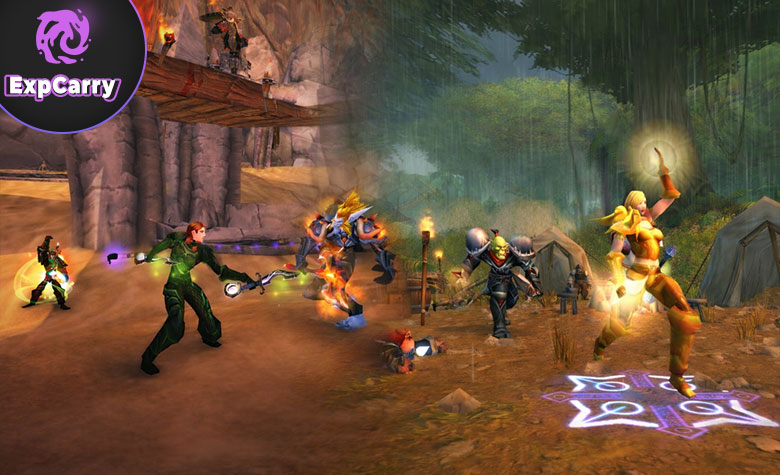
PvP preference can make Classic Era vs. TBC progression an easy decision. If you want arenas, you are usually choosing progression, because arenas create a structured ladder that rewards practice, coordination, and consistent play. That loop is very different from world PvP, and it becomes a major weekly time commitment for players who want to push rating. If you enjoy focused improvement and repeated matches, arenas can become your main endgame. If you dislike structured competition, arenas can feel like pressure rather than fun.
Classic Era supports a different PvP identity, often centered on battleground culture and open world conflict. Vanilla world PvP is shaped by travel friction, zone layout, and community rivalries, which can be thrilling or exhausting depending on your personality. Battleground motivations also feel different in a stable environment, because players are not constantly chasing the next gear bracket. For some, this creates a more social, less ladder driven PvP culture. For others, it feels less purposeful because there is no new system driving progression.
When you choose based on PvP, you should also consider intensity and time. Competitive arenas reward consistent practice, while casual battleground play rewards occasional participation. Neither is better, but they create different habits and different kinds of social groups. If you want PvP to be your primary identity, choose the ecosystem that matches how seriously you want to compete. If you want PvP as a secondary hobby, choose the ecosystem that makes it feel fun rather than mandatory.
If you mainly PvP, decide based on time and intensity
Start by deciding how competitive you actually want to be. If you want to climb rating, you are signing up for a routine of practice, coordination, and repeated matches, which is ideal for players who enjoy measurable improvement. If you want casual fights without the pressure of a rating ladder, Classic Era battleground culture may feel more relaxed. Next, consider your tolerance for meta shifts, because progression environments tend to change more as phases move forward. Also think about your preferred social format: small team coordination in arenas feels different from large group battleground dynamics. Finally, choose the version where PvP feels like play, not obligation, because obligation is one of the fastest paths to burnout.
Economy and Professions: Stable Markets vs. Fresh Expansion Chaos
Economy is one of the biggest quality of life differences between Classic Era and TBC progression. Classic Era markets tend to be mature and predictable, with known farm routes, stable demand patterns, and prices that move in familiar cycles. That can feel comfortable if you want consistency and do not want to constantly chase the newest profitable niche. It is also easier to plan your spending because your major expenses are often already behind you. If you like knowing what your time will be worth, mature markets can be calming.
TBC progression economies are usually more volatile early. New materials, new consumables, and new profession demand create strong swings in pricing and opportunity. This can be exciting for players who enjoy market play, because early expansion chaos rewards timing, knowledge, and activity. It can also be stressful for players who dislike gold pressure, because early progression often includes more reasons to spend. Your relationship with gold and planning is a real part of your fun, so you should not ignore it when deciding.
Professions also feel different. In Era, professions often become identity tools and steady income streams inside a stable market. In progression, professions can become power tools and readiness tools, and the demand for crafted items can change fast. That difference can make progression feel exciting or exhausting depending on how much you enjoy planning. If you choose progression, you are choosing a world where economy and preparation often matter more early. If you choose Era, you are choosing a world where economy can become background rather than the main driver.
How to decide if economy will affect your fun
To decide whether economy will shape your enjoyment, start with how you react to mandatory spending. If you dislike feeling forced to farm gold for basic readiness, Classic Era is usually more comfortable because many major costs are already behind you and the market is more predictable. If you enjoy planning, crafting, and market timing, TBC progression can be a highlight because fresh demand creates opportunities that do not exist in mature Era markets. Next, check how much time you realistically play each week, because early progression often rewards frequent short sessions more than occasional long sessions. Then consider your tolerance for volatility, since early progression pricing can make upgrades feel expensive at the worst moments. Finally, look at your guild culture, because guild expectations often decide whether economy feels optional or required, and that pressure can outweigh any personal preference.
Community and Identity: The Invisible Factor That Overrides Systems
Community is often the real reason players stay or leave, no matter how good the content is. Classic Era communities tend to form around permanence, which can create stable long term social networks and recognizable server identities. Many players enjoy seeing the same names, rival guilds, and organizers over months, because it makes the world feel like a place rather than a lobby. This stability can also reduce social anxiety for casual players, because it is easier to find consistent groups. If your fun comes from belonging, Era can be deeply rewarding.
Progression communities are often more dynamic. Early expansion energy can feel exciting, but it can also create churn because people chase goals, reroll, or move as phases change. This can be perfect for players who like meeting new people and joining new projects. It can be frustrating for players who crave stability and dislike constant roster adjustments. Neither is objectively better, but your personality determines which one feels healthy. If you ignore community and focus only on features, you risk choosing a version that feels socially wrong.
Identity also matters on a personal level. Some players feel their main character belongs in Vanilla, because their story is tied to the original world and its culture. Other players feel their main character should keep evolving, because the fun is the journey forward. This emotional layer is real, and it affects motivation. A choice that feels emotionally correct often leads to consistent play, while a choice that feels like abandoning your identity can lead to slow disengagement. It is worth respecting that feeling, even if you cannot explain it logically.
The most practical community question
Ask where your people are going and how strongly you care about staying with them. If your closest friends and your best guild environment will be on one path, that path is often the best choice even if you are curious about the other. If you do not have strong ties, then playstyle should lead, because you can rebuild community in either ecosystem. Also consider your preferred social temperature: do you want stable long term relationships or do you enjoy the energy of new groups and new projects. Finally, remember that a good guild can make any version feel fun, while a toxic guild can ruin the best content in the game. If you want a low regret choice, prioritize the environment where you have the healthiest community fit.
Should You Transfer or Stay: Clear Player Profiles
If you should stay on Classic Era, it is usually because you want permanent Vanilla and a stable weekly routine. You enjoy familiar raids, familiar zones, and long term goals that do not expire. You prefer playing at your own pace, and you like the feeling of being complete rather than always chasing the next ladder rung. You may also have a schedule that makes weekly pressure unpleasant, and Era is forgiving when you miss time. Staying makes sense when your fun is rooted in comfort, identity, and community stability.
If you should move into TBC progression, it is usually because you want forward motion and expanded endgame variety. You want Outland leveling, heroics, and a raid ladder that keeps moving. You may want arenas and structured competitive PvP, or you may simply want the excitement of building again in a fresh economy. Progression rewards activity with visible advancement, which can feel great if you like momentum. The tradeoff is that early progression can feel demanding, especially if your guild culture is competitive. Moving makes sense when your fun is rooted in new goals, ladders, and discovery.
If you are genuinely split, consider separating goals across characters instead of forcing one character to satisfy everything. Keep one character in Era to preserve your Vanilla identity and community, and use another character for progression when you want the Outland ladder. This is not the most efficient approach, but it is often the most emotionally stable because you avoid the feeling of losing a home. You must accept the time cost, because splitting time slows progress on both paths. If that trade feels fair to you, it can be the best way to enjoy both worlds.
The decision is easier when you pick one primary reason
To avoid second guessing, pick one primary reason for your choice and commit to it. If your primary reason is community, follow the path where your healthiest group and strongest friendships will exist. If your primary reason is competitive PvP, choose the ecosystem that supports the format and intensity you actually want to play. If your primary reason is relaxation and routine, Classic Era is usually the safer home because it reduces timeline pressure. If your primary reason is new goals and constant upgrades, TBC progression is usually the better home because it naturally generates momentum. When you choose one primary reason, the smaller details become easier to accept because the choice has a clear emotional anchor.
Decision Checklist: Make a Low Regret Choice
Start with your weekly availability and your tolerance for pressure. If your schedule is stable and you enjoy structured progression, TBC progression will feel rewarding. If your schedule is unpredictable and you prefer relaxed goals, Classic Era will usually feel healthier. Next, decide what endgame you want to live in: a stable Vanilla world with familiar content, or a forward moving Outland ladder with new systems. If one of those sounds like home, that is probably your answer.
Then look at your social center and your guild culture. A relaxed guild can make progression feel comfortable, while a competitive guild can make it feel demanding. On the other side, an active Era community can make Vanilla feel alive, while a quiet Era environment can make it feel empty for some players. Consider how much you care about your main character identity and whether you would regret losing your presence in one ecosystem. If you are unsure, choose the option that preserves your strongest source of fun, whether that is community, PvP, or routine.
Finally, commit intentionally rather than drifting into a default. Regret often comes from accidental choices, not from thoughtful ones. Both ecosystems have strengths and weaknesses, and no path is perfect. The point is to choose the set of tradeoffs that matches your personality. When your choice matches your real habits, the game feels good even on average nights, and that is what keeps players engaged long term.
Conclusion
Classic Era vs. TBC Progression: Should You Transfer or Stay is ultimately a choice between two different lifestyles inside WoW Classic. Classic Era offers permanent Vanilla stability, familiar goals, and a community style built around staying and long term identity. TBC progression offers Outland, a broader endgame ladder, new raid and PvP structure, and the excitement of building again through new systems. If your fun comes from routine, identity, and stable community, Era is a strong home. If your fun comes from forward motion, new goals, and competitive ladders, progression is the natural path. Choose the world you want to live in week after week, and your decision will feel correct even when the game is not perfect.