
Phase 3 notice: This page intentionally remains a Phase 1 pre-raid BiS guide. If you are gearing a fresh level 70 during the Tier 6 era, follow our Fresh Level 70 to Tier 6 Catch-Up Guide for the current route through Heroics, Badges, PvP gear, Tier 4, Tier 5, and Tier 6.
Best-in-Slot Pre-Raid Gear for All Classes in TBC Anniversary is a practical TBC pre-raid BiS roadmap for Phase 1. It focuses on gearing that actually gets you into your first Karazhan, Gruul, and Magtheridon lockouts with consistent performance: dungeon and heroic drops, reputation rewards, crafted sets, and a few high-impact badge purchases. Instead of dumping a massive slot-by-slot list that ignores real constraints, this TBC Classic gear list shows the core pieces and the gearing logic that makes your character feel complete before you ever loot a raid item.
Phase 1 TBC gear is not only about “one perfect item” per slot. It is about solving your caps and breakpoints first, then using a short list of high value pre-raid pieces to lock in your role. Hit, spell hit, defense, resilience-based survival shortcuts, and mana efficiency can matter more than raw item level. This guide is written as a Phase 1 checklist for every class, with role-aware priorities and a compact gear list you can follow without getting stuck in endless dungeon reruns. For broader leveling and gearing context, WoW Classic is the main hub.
What TBC Pre-Raid BiS Means in Phase 1
Pre-raid BiS in TBC Anniversary means the best items you can reasonably obtain before your first raid drops, including items from normal dungeons, heroics, reputations, crafting, and badge vendors. In practice, pre-raid BiS is a readiness standard, not a museum collection. A character is pre-raid ready when it meets the role breakpoints that stop wipes and stabilize damage: tanks are uncrittable and smooth to heal, healers have enough mana and throughput to sustain long pulls, and DPS hit the accuracy caps that stop their rotations from collapsing on bosses.
For most players, the correct mindset is “core pieces plus smart fillers.” Core pieces are the items that massively outperform typical dungeon gear, often because of set bonuses or unique effects. Fillers are good stat sticks that complete your caps until raid upgrades appear. This matters because chasing a single rare drop for a minor upgrade can slow your raid entry more than it helps. If you build your set around the core pieces listed here, you can step into Phase 1 raids on week one without needing a perfect slot-by-slot spreadsheet.
Finally, remember that TBC gearing is spec-sensitive. A Shadow Priest pre-raid BiS set does not look like a Holy Priest set. A Protection Warrior threat set is different from a pure mitigation set. Use the class sections below as “best direction” lists, and treat any single slot as flexible if you are already capped and the alternative is easier to obtain.
Where Phase 1 TBC Gear Comes From

You can gear for Phase 1 efficiently if you understand the main sources and what each source is good at. Normal dungeons are your first baseline and provide many “good enough” fillers. Heroics are where many of the strongest trinkets and weapons live, but they also demand that your group can actually clear them consistently. Reputation rewards often solve awkward slots like rings, head enchants, and early weapon options. Crafting is where some of the highest leverage pre-raid pieces exist, especially for casters and healers. Badges are best used on items that replace otherwise annoying farms or that provide unique power for your role.
For TBC Anniversary specifically, PTR notes describe an account-wide shortcut for heroic keys: your first character still needs the full reputation attunement, but then you can buy a bag with a bind-on-account key for alts, and alts only need Friendly to use it. This does not change what is “BiS,” but it can speed up heroic access for your second and third characters, which changes how fast you can realistically farm the trinkets that matter.
| Source | What it is best for | Examples of high value pre-raid targets | Common mistake |
|---|---|---|---|
| Normal dungeons | Baseline stats and easy slot coverage | Armor set pieces, rings, cloaks, starter weapons | Overfarming one slot while ignoring caps |
| Heroic dungeons | Trinkets, weapons, and role-defining drops | Caster proc trinkets, tank trinkets, healing trinkets | Entering too early and wasting time on wipes |
| Reputation rewards | Reliable upgrades you can plan around | Pre-raid epics, solid blues, enchants, keys | Ignoring rep until you are already raiding |
| Crafted gear | Set bonuses and premium stat packages | Tailoring caster and healer sets, weapon crafts | Buying expensive crafts before solving hit or defense |
| Badges | Solving hard slots with deterministic upgrades | Icon of the Silver Crescent style trinkets, other key slot items | Spending badges on small upgrades too early |
| PvP items | Stopgap pieces for specific weak slots | Weapons or armor when PvE drops refuse to appear | Overvaluing resilience pieces for PvE roles that need hit |
Cloth Classes Pre-Raid BiS Lists
Cloth gearing in Phase 1 is shaped by two realities. First, tailoring can provide extremely high leverage sets early, especially for casters and healers. Second, trinkets and weapons often matter more than minor armor upgrades because spell power scaling is large and many early items are “close enough.” The correct approach is to lock your craftable core, then farm the heroics that provide your best trinkets and weapon options.
Mage pre-raid BiS priorities
Mage pre-raid BiS in Phase 1 is about reaching a stable spell hit baseline and then stacking spell power and haste where possible. Your best upgrades are typically concentrated in crafted tailoring pieces and a small number of heroic trinkets that dramatically increase your damage over time. The trap is overvaluing crit early while missing hit, because missed spells are a direct collapse in boss damage and a large loss in mana efficiency.
Build your Mage set around reliable spell damage pieces from crafting and reputations, then target heroics for a trinket that adds meaningful throughput via a proc effect. After that, fill the remaining slots with dungeon drops that have clean spell power and hit itemization. If you are choosing between a small spell power upgrade and an item that helps hit, take the hit piece until you are stable on bosses.
| Slot focus | Best pre-raid direction | Source type | Why it matters |
|---|---|---|---|
| Core set | Tailoring spell DPS set pieces | Crafted | High spell power and strong early efficiency |
| Trinket | Quagmirran’s Eye | Heroic Slave Pens | Proc-based throughput that beats many stat sticks |
| Second trinket | Icon of the Silver Crescent | Badges (G’eras vendor) | Deterministic power spike that saves farm time |
| Weapon | Spell power weapon with hit where possible | Dungeon, heroic, reputation | Weapon slot is a large portion of total power |
Warlock pre-raid BiS priorities
Warlock pre-raid BiS is similar to Mage in structure, but the spec emphasis often leans harder into spell hit and sustained damage scaling. The biggest early power spikes frequently come from tailored sets that were designed for caster DPS, plus trinkets that provide proc-based spell power or haste. In Phase 1, your job is to be consistent on long fights, not just burst on trash.
Start by securing your crafted core, then farm heroics for the proc trinket that provides real throughput, and fill the remaining slots with clean spell power items. If you use a crit-trigger trinket, remember it performs better in setups with higher spell crit and more frequent direct spell crit events. If your crit is low, you can still use it, but it is less reliable than haste or on-use options.
| Slot focus | Best pre-raid direction | Source type | Why it matters |
|---|---|---|---|
| Core set | Tailoring spell DPS sets, including shadow-damage focused crafts when appropriate | Crafted | Early spell power concentration is extremely high |
| Trinket | Quagmirran’s Eye | Heroic Slave Pens | One of the strongest early caster trinkets |
| Second trinket | Shiffar’s Nexus-Horn | The Arcatraz (Harbinger Skyriss) | Crit-based proc that can be a major early boost |
| Weapon | Spell power weapon with hit where possible | Dungeon, heroic, reputation | Huge portion of total DPS budget |
Priest pre-raid BiS priorities for Shadow and Healing
Priest is effectively two different gearing projects in Phase 1. Shadow Priest needs spell hit and sustained spell power so its damage and debuffs remain consistent. Healing Priests want mana efficiency, strong regen, and enough raw healing to handle early tank spikes, especially in heroics. Both builds benefit from deterministic gear sources like crafting and badges, because many dungeon items are “almost good” but not quite aligned with your real stat needs.
For Healing, tailoring can provide very strong early sets and set bonuses that are hard to match before raids. For Shadow, you typically want clean spell power pieces and a stable hit baseline, then you layer in trinkets that provide throughput effects rather than only flat stats. In both cases, plan your trinkets and weapon early, because those slots are often the hardest to replace with “good enough” items.
| Spec | Core pre-raid direction | Key pieces to target early | Source type |
|---|---|---|---|
| Holy or Discipline healing | Mana efficiency and regen first, then throughput | Primal Mooncloth and Whitemend style tailoring pieces | Crafted |
| Shadow | Spell hit stability, then spell power | Quagmirran’s Eye plus a badge trinket like Icon of the Silver Crescent | Heroic dungeon, badges |
Explore services related to this guide, selected from our WoW TBC Anniversary catalog.
View All WoW TBC Anniversary Services


Leather Classes Pre-Raid BiS Lists
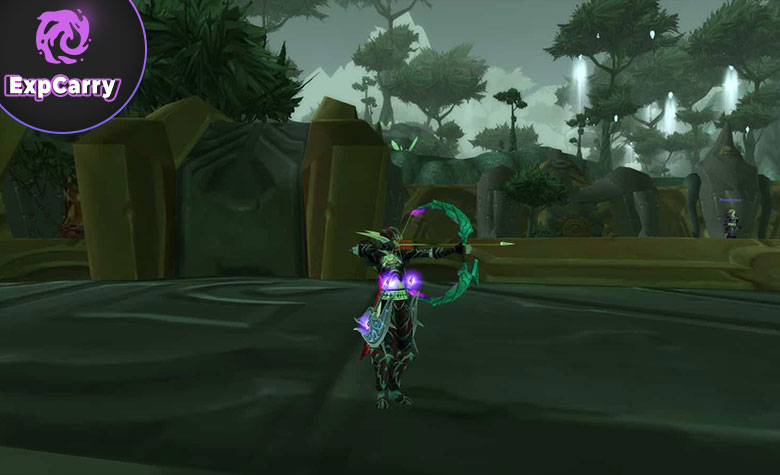
Leather gearing in Phase 1 is defined by specialization. Druids can be tanks, healers, melee DPS, or casters, and each of those roles wants a different stat map. Rogues are more straightforward, but still depend heavily on hit and weapon quality. The best approach is to pick your spec identity first, then build around the pieces that anchor that identity: weapons for Rogues, Feral Attack Power stat sticks for Cats, mitigation pieces for Bears, and crafted healer cores for Restoration.
Druid pre-raid BiS priorities for Bear Cat Balance and Restoration
Druid pre-raid BiS is about building a complete set that supports your gameplay loop, not about chasing one famous item. Bears want armor, stamina, and enough mitigation stats to smooth incoming damage in heroics, because Phase 1 tanking is often decided by healer mana and pull control. Cats want hit, Agility, Strength, and weapons carrying Feral Attack Power. Their attacks in Cat Form scale from Attack Power rather than the weapon's displayed DPS, so a higher weapon damage number alone is not an upgrade. Balance wants spell hit stability and spell power. Restoration wants mana efficiency first, then throughput.
The Druid advantage is flexibility, but flexibility only pays off if you do not mix incompatible stat goals. Do not wear tank leather in Cat and expect performance. Do not wear caster leather in Bear and expect healer sanity. Choose one primary spec to gear first for raid entry, then use the leftover dungeon drops to slowly build an off-spec set once your main set is stable.
| Spec | Primary stat goals | Pre-raid gear direction | Main sources |
|---|---|---|---|
| Bear | Stamina, armor, mitigation smoothing | Tank leather and trinkets, defensive fillers | Dungeons, heroics, reputations |
| Cat | Hit, Agility, Strength, Feral Attack Power | Feral Attack Power weapon, then hit and primary-stat upgrades | Dungeons, heroics, crafting |
| Balance | Spell hit, spell power, mana stability | Spell hit coverage plus strong caster pieces | Crafting, dungeons, badges |
| Restoration | Mana efficiency, regen, throughput | Crafted healer core plus dungeon regen pieces | Crafting, dungeons, reputations |
Rogue pre-raid BiS priorities
Rogue pre-raid BiS is about hitting your melee hit requirements and securing strong weapons. If you do those two things, the rest of your gear can be assembled from dungeons, reputations, and crafted pieces without collapsing your output. If you do not do those two things, you can collect “nice” leather pieces and still feel weak on bosses because your attacks miss and your weapon damage is too low.
Start with weapons and hit coverage, then look for pieces that stack agility, attack power, and useful secondary stats. Rogues are also great candidates for deterministic upgrades because repeated dungeon runs for one specific weapon can eat huge amounts of time. If a reputation reward or badge item solves a weak slot reliably, take it and move on to farming something more impactful.
| Slot focus | Best pre-raid direction | Source type | Why it matters |
|---|---|---|---|
| Main-hand and off-hand | High weapon damage with correct speed | Dungeons, heroics, crafting | Weapons are the largest DPS multiplier |
| Hit coverage | Hit items in awkward slots like rings and neck | Reputation, dungeons | Stabilizes boss damage and poison application |
| Trinkets | Attack power focused or proc-based trinkets | Heroics, badges | High leverage slot, often beats small armor upgrades |
Mail Classes Pre-Raid BiS Lists
Mail gearing is mostly about two classes and two identities. Hunters want their dungeon set core and then a small number of crafted or reputation pieces to solve hit and scaling stats. Shamans vary heavily by spec, with Enhancement caring about weapons and hit, Elemental caring about spell hit and spell power, and Restoration caring about mana efficiency and throughput. Because mail items are shared in groups, planning your farm targets helps you avoid wasting time competing for low-value upgrades.
Hunter pre-raid BiS priorities
Hunter pre-raid BiS in Phase 1 is built around the Beast Lord dungeon set as a core foundation. That set is popular because it provides a strong baseline of stats that performs well in real dungeon pacing and early raid pulls. After you establish the core, your next priority is hit cap stability, because Hunters scale extremely well when they stop missing. From there, you stack agility and attack power while upgrading weapons and trinkets.
A smart Hunter gearing plan is to complete the set pieces early while you are already doing dungeons for leveling and reputation, then use crafted and deterministic sources to solve the slots that typically slow you down, such as awkward hit pieces or weapons that refuse to drop. Once your baseline is set, you can step into Phase 1 raids and improve naturally without delaying raid entry for perfect items.
| Slot focus | Best pre-raid direction | Source type | Why it matters |
|---|---|---|---|
| Core armor | Beast Lord set pieces | Dungeons | High value baseline for Phase 1 raids |
| Hit stability | Hit items in neck, rings, and ranged slot | Reputation, dungeons, badges | Stops boss damage variance caused by misses |
| Weapon and ranged weapon | Strong ranged weapon, then melee stat sticks | Dungeons, heroics, crafting | Large portion of total damage budget |
Shaman pre-raid BiS priorities for Enhancement Elemental and Restoration
Shaman gearing depends on which job you are doing for your raid. Enhancement needs weapon quality and hit, plus enough survivability to stay upright in melee. Elemental needs spell hit and spell power, with careful attention to mana stability because Phase 1 fights can punish early gearing that is too greedy. Restoration wants mana efficiency first, then throughput, and it benefits from deterministic sources such as crafting and reputation because healing sets are often built from a mix of dungeon pieces and a crafted core.
Choose your main spec, build the correct caps, and then pick upgrades based on how they affect your real gameplay. For Enhancement, do not delay weapons. For Elemental, do not delay spell hit. For Restoration, do not delay regen and efficiency. Once those foundations are stable, the rest of your set becomes a smooth progression rather than a constant rebuild.
| Spec | Primary stat goals | Pre-raid gear direction | Main sources |
|---|---|---|---|
| Enhancement | Weapons, hit, attack power | Weapon first, then hit fillers, then scaling stats | Dungeons, heroics, crafting |
| Elemental | Spell hit, spell power, mana stability | Spell hit coverage plus strong caster pieces | Crafting, dungeons, badges |
| Restoration | Mana efficiency, regen, throughput | Healer core plus regen-heavy dungeon pieces | Crafting, dungeons, reputations |
Plate Classes Pre-Raid BiS Lists
Plate gearing in Phase 1 is where role breakpoints are most obvious. Tanks must become uncrittable and stable. DPS must meet melee hit needs and secure strong weapons. Paladins also split sharply between Holy, Protection, and Retribution, and Warriors split between Protection and DPS. The good news is that plate classes have very clear first priorities, so you can gear efficiently without chasing every minor upgrade.
Warrior pre-raid BiS priorities for Protection and DPS
Protection Warrior pre-raid BiS is built around defense and survivability first, then threat pieces you swap in once healers are comfortable. If you skip the defensive foundation, you force your group to slow down, which is the worst possible outcome when you are trying to gear quickly. Build your uncrittable baseline, secure a stable shield and defensive trinkets, then start collecting threat-oriented pieces for faster clears and better raid pacing.
Warrior DPS is simpler: weapons and hit stability are your foundation, then you stack strength, crit, and haste where available. The biggest early DPS gains come from weapon upgrades and from consistent accuracy. If you are missing key attacks on bosses, no amount of small stat upgrades will fix it. Prioritize the pieces that remove randomness from your damage.
| Role | Primary stat goals | Pre-raid gear direction | Main sources |
|---|---|---|---|
| Protection | Defense to avoid crits, stamina, mitigation | Mitigation baseline, then threat swaps | Dungeons, heroics, reputations |
| DPS | Weapons, hit, then scaling stats | Weapon first, hit coverage, then strength and crit | Dungeons, heroics, crafting |
Paladin pre-raid BiS priorities for Holy Protection and Retribution
Holy Paladin pre-raid BiS is about efficiency and reliable throughput. Your role is often to keep tanks stable with strong single target healing and to provide consistent support through long pulls in heroics. That means you value mana efficiency, regen, and healing power in a balanced way. A crafted healer core can save enormous time because it replaces several inconsistent dungeon upgrades with a deterministic baseline.
Protection Paladin pre-raid BiS is built around being uncrittable and smooth to heal, then adding spell damage and threat stats once survival is stable. Retribution Paladin mirrors other melee DPS priorities: weapons and hit are the foundation, then you layer on strength and scaling stats. In all three cases, the best plan is to pick one primary spec to raid first, build that set completely, then gear the off-spec once raids are already happening.
| Spec | Primary stat goals | Pre-raid gear direction | Main sources |
|---|---|---|---|
| Holy | Mana efficiency, regen, healing power | Crafted healer baseline plus dungeon regen pieces | Crafting, dungeons, reputations |
| Protection | Defense, stamina, mitigation, then threat | Mitigation first, then spell damage threat swaps | Dungeons, heroics, reputations |
| Retribution | Weapons, hit, then strength and crit | Weapon first, hit coverage, then scaling stats | Dungeons, heroics, crafting |
Fast Track Checklist for Getting Raid Ready
If you want the shortest path to Phase 1 raid readiness, use a two-pass approach. Pass one is caps and role breakpoints: tanks secure uncrittable defense, melee and Hunters secure hit stability, and casters secure spell hit stability. Pass two is high leverage slots: trinkets, weapons, and your crafted core. These pieces create the largest performance jumps and reduce the number of dungeons you must spam for tiny gains.
Plan your week around deterministic progress. Run the dungeons that build your set bonuses and solve your worst slots, then move into heroics for the trinkets that actually change your output. Use reputation and badges to avoid endless low-odds farms. When you follow this structure, you stop chasing perfect lists and you start building a real Phase 1 set that performs on bosses, which is the whole point of TBC pre-raid BiS.
Conclusion
Phase 1 TBC gear is best approached as a controlled build, not a slot-by-slot obsession. Use normal dungeons for baseline coverage, heroics for role-defining trinkets and weapons, reputations for reliable fillers, and crafting for the early core pieces that are hard to replace before raids. For cloth DPS, prioritize spell hit stability and crafted caster cores, then target high-impact heroics like Heroic Slave Pens for Quagmirran’s Eye. For healers, build mana efficiency first and lean on tailoring sets where appropriate. For leather and mail DPS, weapons and hit stability do the most work. For tanks, becoming uncrittable and smooth to heal matters more than any small threat upgrade. If you solve the breakpoints first and then chase the few high leverage pieces, your character becomes raid-ready quickly and your upgrades in Karazhan, Gruul, and Magtheridon feel like progression instead of patchwork.