
TBC Arena Season 1 guide is built for players who want practical team setups that actually win games in The Burning Crusade Classic. Instead of vague “meta talk,” it focuses on compositions with repeatable patterns: clear kill targets, simple crowd control chains, and predictable burst windows you can execute even if you are not a tournament-level player.
The purpose is a fast, stable start. You will see the best 2v2 and 3v3 teams, how each comp wins, what your opener should look like, and what you do when the first kill attempt fails. Many beginners get stuck because they either pick a comp that is too fragile to learn on, or they play every match without a plan. This guide fixes both problems with structured setups, simple decision rules, and ready-to-use CC chains.
How TBC Arena Season 1 Is Won (Simple, Repeatable Rules)
TBC Arena is decided by two things: clean crowd control timing and correct cooldown trading. Damage is only lethal when the enemy healer is controlled or forced into bad positioning, and the kill target cannot escape with trinket or a major defensive. If you burst into a defensive cooldown or overlap CC into diminishing returns, you create dead time where nothing can die, and your team slowly loses control of the match.
The easiest way to understand Season 1 is to treat every match as two kill attempts. The first attempt is to force trinket, a major defensive, or a healer cooldown. The second attempt is the real kill window, because the enemy has fewer answers left. Beginners lose because they commit everything on the first attempt and have nothing for the second one. If you keep your games structured, your win rate becomes stable even before your gear is perfect.
The Two-Go Match Flow (Use This Every Game)
Before the gates open, decide two roles: the kill target and the control target. The kill target is who you want to delete in a burst window. The control target is usually the enemy healer, unless you are playing a rot team and want to deny peels instead. If your team cannot name both targets instantly, your damage will split and your CC will overlap, which is the fastest way to lose rating.
Use this flow as a default baseline:
- Go 1 (force answers): moderate burst plus short control to make the enemy spend trinket or a major defensive.
- Reset (do not tunnel): reposition, reapply pressure, deny drinks, wait out defensives.
- Go 2 (kill): full CC chain plus full burst while the enemy is vulnerable.
Most games are won by staying calm between Go 1 and Go 2. If your team panics after the first attempt fails, you will overlap cooldowns and lose structure. Reset means you slow the pace on purpose, stabilize your healer, and wait for your next clean go instead of forcing damage into bad timings.
Cooldown Trading Without Throwing Games
Cooldown trading is the biggest rating skill in Season 1. Your objective is to spend the minimum defensives required to live, so you still have answers for the next push. If you press everything at once, you may survive one scary moment, but you will lose the next exchange automatically.
A beginner-safe rule is “one big for one big.” If the enemy presses a major offensive window, answer with one major defensive or one strong peel chain, not both at the same time. If the enemy uses a major defensive cooldown, stop bursting into it immediately. Either swap targets, control the healer, or slow the pace until the defensive ends, then restart your next go with real kill pressure.
When you lose games, review the final 20 seconds. Most losses happen because your team used two or three defensives into one enemy push, then had nothing left for the follow-up. Fixing this one habit often gains you more rating than any gear upgrade.
How to Choose a Beginner-Friendly Team
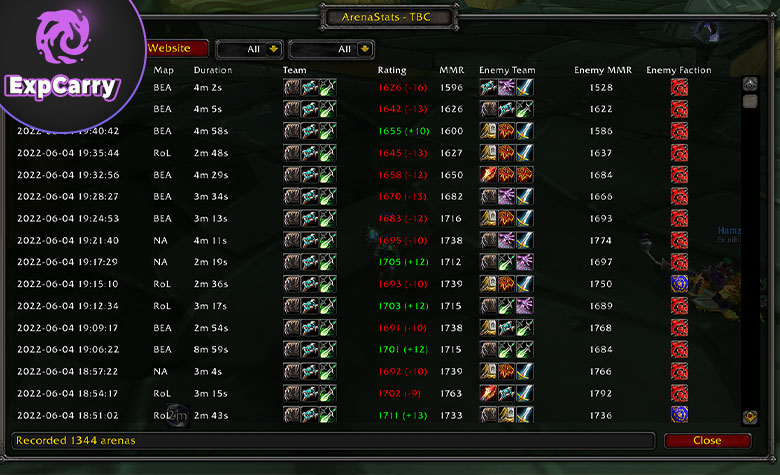
Most players pick a comp because it looks strong on paper, then quit when it feels hard to execute. A beginner-friendly comp is not a low-tier comp. It is a comp that lets you learn without instantly losing to one mistake. The best learning setups have two qualities: they can stabilize after a messy opener, and they can create repeated kill attempts without requiring perfect micro every second.
In 2v2, healer plus DPS is the most consistent learning format because you get time to fix mistakes inside the match. Double DPS can still be good, but it requires clean openers and clean resets, so it is less forgiving. In 3v3, beginner-friendly teams are the ones with a clear identity: either structured control (setup kills) or constant pressure (melee trains). If your comp has no clear identity, your matches will feel random and frustrating.
| Team type | Best use | Why it works | Beginner trap |
|---|---|---|---|
| Healer + DPS | 2v2 learning and consistent climbing | More time per game, repeated goes, safer mistakes | Overcommitting too early in long games |
| Double DPS | Fast wins with strong openers | High burst tempo, quick punish kills | Going all-in once, then dying with no reset |
| Control setups | 3v3 structured climbing | Predictable CC chains create real kill windows | Overlapping CC into DR and losing pressure |
| Melee pressure | 3v3 simple target calling | Constant uptime forces mistakes and defensives | Split damage and random swaps |
If you want the safest start, pick a comp where your win condition is obvious and repeatable. You should be able to say, in one sentence, how your team wins. If you cannot explain your win condition, your games will become guesswork, and the ladder will feel harder than it needs to be.
Best 2v2 Teams in Arena Season 1
2v2 rewards consistency more than flashy plays. The most stable comps are the ones that can survive enemy openers and create repeated kill attempts until something breaks. If you are new, prioritize comps with a healer because you can actually play the match instead of losing in the first 15 seconds.
Healer + DPS (Most Reliable for Beginners)
These comps win by staying alive through the enemy’s first push, then creating clean burst windows with healer control. Your goal is not to win instantly. Your goal is to force trinket and major defensives on the first go, then win the second go with a real CC chain. This style is forgiving because even if your opener is messy, you still have time to reset and try again.
The biggest beginner mistake in healer plus DPS 2v2 is tunneling the kill target while the healer is free. Treat healer control as the trigger for your burst. If you cannot control the healer, burst becomes wasted damage, and the match drags out until you get outscaled or outplayed.
| 2v2 team | Win condition | Opener idea | Beginner mistake |
|---|---|---|---|
| Warrior + Druid | Pressure + stuns, kill after defensives are forced | Stick to one target, force a defensive, reset, then stun go | Chasing too deep and letting druid get controlled |
| Warlock + Druid | Rot + control, win when healer is denied | Spread pressure, fear windows, kill when target has no answers | Standing still and giving melee free uptime |
| Rogue + Priest (DPR) | Setup kill: force trinket, then kill on next chain | Short stun go to force trinket, then full chain on the next go | Overlapping fear, blind, stun into DR |
| Hunter + Druid | Trap cycles + ranged pressure, kill in controlled windows | Trap healer on burst timing, keep pressure stable, repeat | Wasting trap windows with no burst ready |
| Mage + Priest | Polymorph control + burst swap kills | Short control first, force defensive, then full poly go | Bursting into defensives and losing tempo |
| Warrior + Paladin | High safety and uptime, win by outlasting enemy answers | Safe pressure into a stun go when enemy defensives drop | Never creating a real kill window and letting games stall |
Healer plus DPS becomes much easier when you stop thinking about “constant burst.” Your real job is to create controlled damage. Hold your biggest damage buttons for the moment your healer control is active. That is what turns pressure into kills instead of just padding damage meters.
Double DPS (Fast Games, Less Forgiving)
Double DPS 2v2 is about tempo: win quickly, or reset and win on a second attempt. Your opener should be structured, not chaotic. The first go is often about forcing trinket and a big defensive, because most good teams will survive the first burst if they respond correctly. If you get the trinket and a defensive, you already won the setup stage and can plan the second go as the real kill.
The biggest mistake in double DPS is refusing to reset. If your opener fails, do not keep fighting in a bad position while your cooldowns are gone. Create space, drop combat if your comp allows it, and rebuild a second clean kill attempt instead of bleeding out slowly.
| 2v2 team | Win condition | Opener idea | Beginner mistake |
|---|---|---|---|
| Rogue + Mage | Two-step kill: force trinket, reset, kill on second setup | Controlled opener to force trinket, then re-open with full chain | Staying in combat and failing to reset cleanly |
| Hunter + Rogue | Control healer, kill target in stun window | Trap or blind healer timed with burst on kill target | Overlapping CC and wasting the only kill window |
| Warlock + Shadow Priest | Rot + drain, win by collapsing healer resources | Spread pressure, deny peels, finish when target cannot stabilize | Trying to force instant kills and dying to burst |
| Rogue + Shadow Priest | High control tempo, win when healer trinket is gone | Short stun go into fear, then repeat a full kill chain | Using all CC instantly and having no second attempt |
| Double Rogue | Ambush tempo kills, punish mistakes fast | Force trinket early, then reset and kill in the second opener | Failing the reset and dying to counter pressure |
If you want to climb with double DPS, you must respect the reset. Your win rate will spike when you treat Go 1 as a setup, not as the only chance you get. A clean second opener is what turns “close games” into fast wins.
Explore services related to this guide, selected from our PvP catalog.
View All PvP Services
Best 3v3 Teams in Arena Season 1
3v3 is where TBC Arena becomes fully structured. Strong teams win because they execute the same pattern over and over: control one target, pressure another, and kill in a coordinated go. If your comp has no repeatable chain, your burst becomes random and healers recover too easily.
Control Teams (Setup Kills That Scale With Skill)
Control comps win through clean CC chains. Your main job is not maximum CC, it is correct CC order. If you stack fear and polymorph at the same time, you waste both. If you chain them in sequence, the healer is denied long enough for a real kill to happen. That is why these comps remain strong across the season.
Beginners should simplify control comps by using one consistent plan: short control to force trinket, then long control for the kill go. Do not freestyle every match. Repeating a simple chain beats chaotic plays almost every time in early rating brackets.
| 3v3 team | Win condition | What makes it strong | Beginner mistake |
|---|---|---|---|
| RMP (Rogue/Mage/Priest) | Chain CC healer, kill in burst stun windows | Best control identity and setup potential | Messy DR usage that ruins the kill go |
| WLD (Warrior/Warlock/Druid) | Pressure over time, kill when defensives run out | Stable damage with strong peel options | Bad positioning that makes warlock an easy tunnel target |
| Shadowplay (Warlock/SPriest + Healer) | Rot + drain, finish when resources collapse | Low risk plan that wins long games | Forcing short kills instead of playing the rot plan |
| MLS (Mage/Warlock/Shaman) | Control tempo, kill during coordinated burst windows | High pressure when interrupts and CC are clean | No peel structure vs melee trains |
| MLP (Mage/Warlock/Priest) | Lock down healer, win during long CC denial | High control density and strong kill setups | Overlapping CC and burning DR too early |
| RLP / RLD (Rogue/Warlock + Healer) | Force trinket, then kill through full chain | Great tempo and punish potential | Trying to win without reset discipline |
Control comps become easy when everyone knows the order. Decide who starts the chain and who finishes it, and never break your own rules. If you do this, you will win games even when your damage is lower, because your kills are created by denial, not raw output.
Melee Pressure Teams (Simple Calls, High Win Rate on Ladder)
Melee pressure teams win by staying on target and forcing defensives early. If your team can maintain uptime, most opponents panic and waste cooldowns. Your job is to deny resets: stop drinks, stop kiting escapes, and rotate short CC to keep the healer from freely stabilizing the fight.
The number one beginner mistake is split damage. If two DPS hit different targets, healers will comfortably recover everyone and you will never create a real kill window. Keep one target focus until you force defensives, then swap only when the swap is a planned kill attempt, not a random reaction.
| 3v3 team | Win condition | What makes it strong | Beginner mistake |
|---|---|---|---|
| Warrior/Rogue/Druid | Force defensives, win on coordinated stuns and swaps | High pressure with strong control tools | Random swaps and split damage |
| Warrior/Hunter/Druid | Trap cycles + steady pressure for repeatable kills | Clear control pattern and chase power | Wasting traps with no burst timing |
| Warrior/Enh Shaman/Druid | Explosive burst goes, kill during stun windows | Simple run-them-over identity when it connects | Overcommitting into kiting and losing tempo |
| Warrior/Ret Paladin/Druid | High burst pressure, punish positioning mistakes | Strong finish potential when target is pinned | Blowing cooldowns into defensives and stalling out |
Melee comps climb fast when you keep your plan boring. One target, one healer denial plan, one burst window. If your team plays clean uptime and does not chase into bad positions, you will win a surprising number of games just by forcing the enemy to play perfectly under pressure.
CC Chain Cheat Sheet (Go 1, Reset, Go 2)
Most teams fail not because they lack CC, but because they use CC at the wrong time. This cheat sheet gives you a simple pattern for common comps. The goal is consistency: force a response first, then kill on the second structured chain.
| Comp | Go 1 (force answers) | Reset plan | Go 2 (kill chain) |
|---|---|---|---|
| RMP | Short stun on kill target + short Polymorph on healer | Line of sight, slow pressure, avoid DR spam, prep re-stealth | Kidney Shot on kill target + full Polymorph chain + fear follow-up |
| Warrior + Druid (2v2) | Pressure target + short Bash on healer or peel target | Do not chase behind pillars, heal up, keep MS pressure | Stun window on kill target while healer is controlled |
| Rogue + Priest (DPR) | Cheap Shot into damage, force trinket with short chain | Reposition, re-open timing, keep priest safe and stable | Kidney Shot + fear on healer + damage cooldowns together |
| Hunter + Druid (2v2) | Trap healer with light burst to force trinket | Kite, keep pressure, deny drinks, set up next trap cleanly | Trap healer + full burst on kill target during CC window |
| WLD | Spread pressure, short fear windows, force defensives | Peel melee, stabilize warlock, keep dots rolling safely | Full healer denial chain with coordinated burst and interrupts |
| Shadowplay | Dots on multiple targets + short CC to drain mana/time | Rotate peels, deny dispels, keep uptime without overextending | Full control on healer while rot pressure hits a low target |
| MLS | Pressure with interrupts and short CC, force trinket early | Protect shaman, keep distance, avoid giving melee free uptime | Full CC denial chain with coordinated burst and lockout timing |
If your Go 1 does not force anything, you do not go harder. You go cleaner. The ladder punishes panic. Control first, then burst when the enemy has fewer escape tools.
DR Cheat Sheet (Stop Overlapping CC)
Diminishing returns is what makes good teams feel unstoppable. When you overlap CC into DR, your next control becomes too short to matter. When you chain CC correctly, your healer denial lasts long enough for a real kill. The simplest rule is to keep each category separate and avoid repeating the same category too quickly.
| DR category | Common examples | Beginner-safe rule | Why it matters |
|---|---|---|---|
| Stuns | Cheap Shot, Bash, Intercept, Hammer of Justice | Use short stun for Go 1, save full stun go for Go 2 | Stun DR ruins your kill window if wasted early |
| Incapacitate | Polymorph, Sap, Freezing Trap (control) | Chain these in sequence, do not stack on the same second | Correct chaining creates long healer denial windows |
| Fear | Fear, Psychic Scream, Howl of Terror | Use fear as a follow-up, not on top of Polymorph | Fear DR quickly becomes too short to matter |
| Disorient | Blind (and similar effects) | Use after trinket is forced, not as a random opener button | Blind is a finisher tool, not a filler tool |
| Cyclone | Cyclone | Use to deny heals during burst, not as spam control | Overusing Cyclone wastes your strongest denial |
If you only fix one thing from this section, fix this: stop pressing CC just because you can. Press CC because you are creating a kill window. When your burst cooldowns are not ready, your CC should usually be short, defensive, or used to stabilize and reset.
Matchup Planning (Simple Rules vs Common Problems)
You do not need an encyclopedic matchup guide to climb. You need a small set of rules that prevents you from losing instantly to the same patterns. Use this table as a baseline. The goal is to reduce panic, not to play perfectly.
| Your comp | Common danger | What to do (simple plan) | Swap trigger |
|---|---|---|---|
| Healer + DPS (2v2) | Enemy double DPS opener | Live first 15 seconds, trade one defensive, then counter-go | Enemy trinket used or major offensive fades |
| Rogue + Mage | Failing the reset after Go 1 | Do not chase into bad spots, re-stealth and re-open clean | Healer trinket forced or kill target low with no escape |
| RMP | Melee tunnel on mage or priest | Peel first, stabilize, then play the two-go cycle | Enemy mobility and defensives are down |
| WLD | Warlock being tunneled | Peel with roots and fears, keep dots up, do not overextend | Enemy healer locked or kill target out of position |
| Shadowplay | Trying to win too fast | Play rot plan, deny drinks, win when healing collapses | Enemy healer is low mana or dispels are overwhelmed |
| Melee pressure (3v3) | Split damage and random swaps | One target focus until defensives are forced, then planned swap | Healer CC is ready and target has no trinket |
A matchup plan is not a script. It is a decision filter. When the game gets chaotic, you fall back to your rule set. This is how you stop throwing games that you were already winning.
Beginner Climb Toolkit (Openers, Positioning, Communication, Gearing)
If you want rating fast, do not overthink perfect strategy. Most gains come from clean openers, disciplined CC, and survivable gearing. You do not need to win every match. You need to stop throwing winning matches with avoidable mistakes.
Openers That Do Not Throw Your Cooldowns
The most common beginner throw is pressing full burst instantly into full enemy defensives. Your opener should be a control check, not your final form. Force a reaction first. When the enemy spends a trinket or a major defensive, that is your green light to plan the second go as your kill attempt.
A clean beginner opener looks like this: identify kill plus control targets, apply early pressure, use short CC, and hold your biggest damage button until you see the enemy commit a defensive response. This prevents panic trading and keeps your team in control of the match pacing.
When your opener fails, your next move is not “more buttons.” Your next move is reset. If you build this habit early, you will climb faster than players who have better gear but worse structure.
Positioning Rules (How to Win the Pillar Game)
Positioning decides a huge number of ladder games. You do not need perfect movement, but you do need a few rules that keep your team alive and coordinated. If you break formation, your healer becomes a free target and your CC becomes impossible to chain.
- Healer plays safe: do not stand in the open when enemy melee can reach you easily.
- DPS does not chase behind pillars without a plan: if you cannot be healed, you are not allowed to push.
- If you are winning, deny drinks: one player watches the healer, one player keeps pressure stable.
- If you are losing, reset behind cover: heal up, reapply buffs, then restart your two-go flow.
A good beginner habit is to pick a “home pillar.” Start fights near it, reset to it, and force enemy teams to walk into your space to finish. This simple idea prevents many deaths caused by overchasing.
CC Chains That Actually Create Kills
Do not stack CC on the same target at the same time. Chain it. Stacking means you waste two tools for the price of one, and diminishing returns will make your next CC useless. Chaining means your healer denial lasts long enough for real damage to convert into a kill.
If you want one simple improvement rule: do not press your CC because you can. Press it because it creates a kill window. Save your longest CC for the moment you have burst ready and the kill target cannot escape easily. That is how average teams start beating better geared teams in Season 1.
When you practice, pick one chain and repeat it for a full session. Do not chase variety. Consistency is how you build automatic wins.
Communication Mini-Toolkit (Six Calls That Win Games)
Your team does not need long speeches. It needs short, repeatable calls that keep everyone synced. Use these six calls as your default vocabulary:
- Kill target: “Kill X.”
- Control target: “CC healer now.”
- Cooldown forced: “Trinket used.”
- Reset: “Reset, no chase.”
- Next go timing: “Next go in 10.”
- Swap: “Swap now on X.”
If you build a habit of saying these consistently, your games will feel slower and easier, even when the enemy team is more geared. Most early ladder teams lose because they are never on the same page at the same moment.
Gearing Priorities That Make Games Easier
Early Season 1 is not about perfect gear, it is about being hard enough to kill that you can play full matches. If you die in every opener, your comp does not matter. Stabilize your survivability first, then optimize damage. This makes your learning faster and your sessions less frustrating.
PvE items can be strong, but they can also make you fragile. Use them only when you can consistently survive enemy burst and keep match structure. If a PvE swap makes you die faster, it is not an upgrade for your current ladder level, even if it looks better in a list.
A simple test: if you consistently survive to your second go, your gear is good enough to climb. If you die before your second go, your gear choices are probably too greedy for your current bracket.
Addons and UI (Optional, But They Remove Guesswork)
You do not need addons to start, but you will climb easier with basic tracking. The goal is not information overload. The goal is removing surprises. If you always know trinkets, DR, and key cooldowns, your go timing becomes automatic.
- DR tracking: helps you avoid overlapping CC and wasting kill windows.
- Cooldown tracking: shows when enemy trinket and major defensives are down.
- Cast tracking: helps you land interrupts and set up safer pushes.
If you only install one tool, install something that tracks DR and trinkets. That alone prevents a huge percentage of beginner losses.
Conclusion
TBC Arena Season 1 is one of the best times to start because fundamentals win more games than perfect items. If you want fast rating gains, pick a 2v2 or 3v3 team with a clear identity, play every match in two goes, and build kills through disciplined CC chains instead of panic burst. Healer plus DPS comps are the safest path for beginners in 2v2, while structured control or melee pressure teams can dominate the 3v3 ladder when executed cleanly.
The biggest difference between stuck teams and climbing teams is not the composition itself, but how consistently they follow a simple plan: force answers on the first go, reset without tunneling, then kill on the second go when the enemy has fewer tools left. Keep cooldown trades calm, avoid CC overlap into diminishing returns, gear for survivability first, and use a repeatable CC chain you can execute every game. Do this, and you will climb steadily through Season 1 without needing perfect mechanics or expensive shortcuts.