
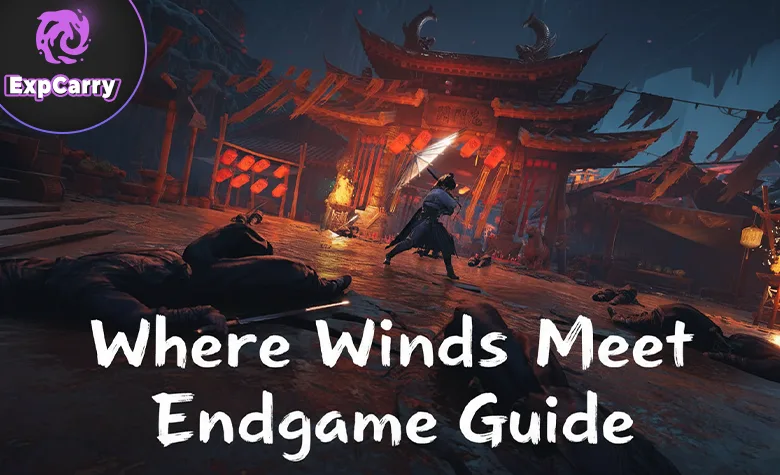
Finishing the main story in Where Winds Meet does not mean you are done with the game. It means you are done being pushed through one main spine of content, and you can start living in the jianghu on your own terms. The pacing shifts. Instead of chasing the next quest marker, you start chasing the things that make your character feel complete: a cleaner build, stronger execution, better tools, deeper social options, and repeatable content you can run when you only have one hour to play. Where Winds Meet is designed as a mix of narrative RPG and online ecosystem. That matters for endgame because your goals can be very different depending on your mood. Some players want hard PvE and mastery checks. Some want co-op sessions that feel like wuxia set pieces. Some want competition and reputation. If competition is your focus, Arena Rating gives you a clearer goal to chase than reputation alone. Some want to optimize ongoing progression systems. And some just want a world they can inhabit long-term, where exploration and side arcs never fully run dry.
This guide is written for the moment after you finish the current main story path that is available to you. If you are still working through Story Campaign Completion, finish that first before optimizing your endgame loop. You have a functional combat identity, and now you want to know what the game supports for the next 50 to 200 hours. Think of the endgame as lanes. You do not need to do all lanes. You rotate lanes based on energy. The best endgame is the one that keeps you logging in because it feels fun, not because it feels mandatory.
What Endgame Means in Where Winds Meet
In many RPGs, endgame is a single ladder: higher gear score, harder bosses, repeat forever. Where Winds Meet aims for something broader. Endgame is not one activity. It is a set of systems that keep progressing after the main story stops being your primary driver. That includes repeatable PvE encounters, co-op and guild content, competitive play, profession lanes, seasonal structure, and the long tail of map exploration and discovery. You do not complete endgame by checking one box. You build a routine that fits your time and your mood. The most useful mental model is that endgame has three layers. The first layer is mechanical: can you play clean and win consistently against high-pressure enemies, not just in story fights but in repeatable content. The second layer is build depth: weapon pair synergy, mystic arts choices, internal progression, defensive tools, and loadout flexibility. The third layer is community: co-op, guilds, and competitive spaces where other players become part of your routine.
When you understand those layers, endgame stops feeling messy. You stop asking, "What is the one best thing to do?" and you start asking, "Which layer do I want to push today?" That is how you keep the game fresh without burning out.
Turn Your Build into a Real Identity
Right after the main story, most players are not actually done building. They are done unlocking. Those are different. Unlocking is collecting weapons and abilities and seeing what exists. Building is removing the clutter until your kit feels like a coherent martial identity. Endgame is where that happens, because repeatable content punishes a loadout that is just random buttons. The goal is not to have the most options. The goal is to have a kit that still works when you are tired, distracted, or playing under pressure. Start by committing to a primary weapon pair that you can play without thinking. Not the one that looks coolest in the menu, but the one that feels stable under pressure. Then build your mystic arts around two priorities: control and consistency. Damage is easy to find in almost any kit. What is harder is a toolkit that helps you manage chaos, recover when you make mistakes, and create clean openings against enemies that do not politely wait for you.
Endgame fights are also where defensive skill becomes the real damage multiplier. Clean parries, spacing, and patience convert into more uptime, fewer resets, and less resource drain. If you want an endgame routine that pays off fast, spend time deliberately training defense in open world encounters and high difficulty fights. Winning faster feels good, but winning cleaner is what makes you ready for group content and harder challenges.
Build a Repeatable PvE Loop You Can Run on Autopilot
After story completion, your best quality-of-life upgrade is having a repeatable PvE loop you can run without planning. That loop becomes your default session. When you log in and do not know what to do, you run the loop. A good loop has three qualities. It is reliable, it gives meaningful progression resources, and it does not demand full focus every time. The point is not to optimize every minute. The point is to remove decision fatigue so you can enjoy the game. For many players, the simplest loop is a mix of bosses and exploration. You pick a region, clear high-value encounters, handle any side arcs you stumble into, and end with one or two focused fights that sharpen execution. This works because it blends variety with mastery. Exploration keeps the world feeling alive, and bosses keep your hands sharp.
If you prefer structured PvE, your loop will be more instance-driven. Multiplayer dungeons and larger group challenges exist as a lane you can turn into your main identity, especially if you enjoy coordination and execution checks. The goal is not to replace the open world. The goal is to have a predictable set of encounters you run regularly so your character growth feels measurable week to week.
High Difficulty PvE: Boss Training and Structured Runs

High difficulty PvE is the pure skill lane. It is honest. You either play well or you do not. These fights force you to understand timing, spacing, stamina management, and punishment windows. They also force you to confront the weak parts of your kit.
If you rely on gimmicks that only work in story fights, bosses and structured runs will expose that quickly. That is why this lane is one of the best ways to improve fast. It gives clear feedback and punishes sloppy habits. The best way to use difficult PvE in endgame is to treat it like training, not like loot. Go in with a goal. Maybe you want to parry more consistently. Maybe you want to stop panic dodging. Maybe you want to learn how to reset spacing without losing tempo. When you approach content with a training goal, you improve faster and the content stays fun longer.
Boss Content: The Pure Mechanics Check
Boss hunting is one of the cleanest endgame lanes because it is focused. Boss fights force execution. They also highlight whether your build is actually coherent or just a pile of abilities you like to press. Bosses also scale well with co-op. A clean co-op boss kill feels like choreography. Just remember that group play punishes sloppy play in a different way. If you are careless, you do not only lose your own run. You waste other peoples time. That social pressure is why boss content is such good endgame training.
Dungeons and Larger Group Runs: The Structured PvE Lane
Structured PvE compresses challenge into repeatable sessions. You do not have to travel across the map to get a fight. You enter, you solve mechanics, and you get out. That makes it ideal for weeknight sessions. This lane is where build clarity matters most. A confused build can survive in open world exploration. A confused build becomes friction in a dungeon where pacing and pressure are higher. If you enjoy learning encounters and improving run quality, structured PvE can become your long-term home. Larger group runs are also where long-term community tends to form. Even if you do not want to be a hardcore guild player, big coordinated challenges often feel best with a stable group because consistent teammates mean consistent learning.
Social Endgame: Co-Op, Guilds, and Competitive Play
Social endgame is where an online game becomes a place instead of a menu. The same encounter can feel completely different when you play with friends or when you have rivals. Where Winds Meet supports co-op play, guild-based activities, and competitive spaces, and those systems can carry your motivation long after the story ends.
The key is to use social lanes with intent. If you try to do everything with everyone, you can lose your personal pacing. If you separate sessions by purpose, you get the best of both worlds: solo progress stays smooth, and group sessions stay special. Think of social endgame as the layer that adds pressure and unpredictability. NPCs are consistent. Players are not. That is why social content keeps the game sharp even when you have mastered the PvE basics.
Co-Op Endgame: What to Do With Friends After the Story
The strongest co-op activities after the story are the ones that benefit from extra hands: bosses, hard encounters, and structured group PvE runs. In co-op, you can also make exploration feel like an adventure again, because discovery becomes a shared moment.
The best way to use co-op without ruining your pacing is to separate sessions by intent. Keep some sessions as solo progression sessions. Use co-op for challenge nights and exploration nights. That way your narrative pace stays yours, and your co-op time stays social and focused on content that actually feels better with a group.
Guild Endgame: Community, Wars, and Long-Term Progress
Guilds solve the most common endgame problem: playing alone can feel aimless after the story. A guild gives you a shared schedule, shared goals, and easier access to content that is more fun with coordination. It also reduces friction. Finding a group for structured PvE becomes easier. Getting answers becomes easier. Learning endgame systems becomes easier.
Guild wars are the lane for competitive players who want larger-scale identity conflict. A duel is personal. A guild war is tribal. If you like the feeling of fighting for a banner and building a reputation inside a community, guild wars can become a new main game after the story ends.
Duels and Competitive Play: The Pressure Lane
Duels are one of the best ways to keep your kit sharp because they give instant feedback. NPCs are predictable. Players are not. If you want to test whether your build and decisions actually hold up, duels will tell you quickly. The healthiest way to approach duels is to treat them as practice, not as validation. You will lose. That is normal. The goal is to learn what you overuse, what you panic press, and where your spacing falls apart. A week of duels can reset your excitement when PvE starts feeling repetitive, because it forces you back into fundamentals and makes the game feel dangerous again.
The Law and Consequence Sandbox: Bounties, Pursuit, and Emergent Sessions
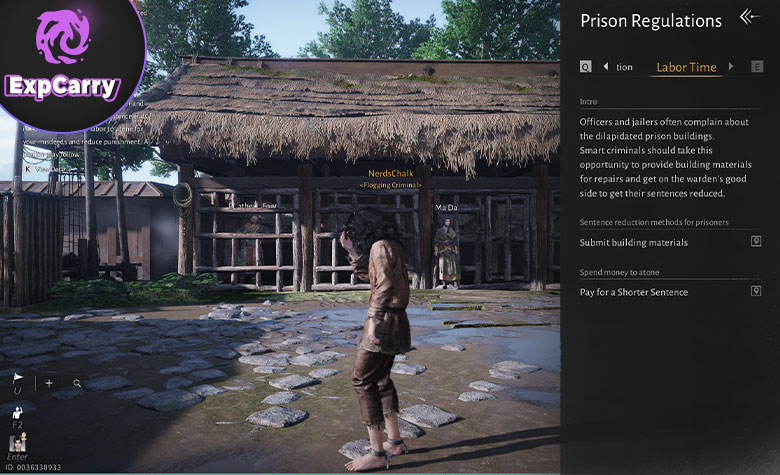
One of the most unique endgame lanes is the law and consequence system. Where Winds Meet frames the idea that you can choose to play noble or cause chaos and deal with consequences like bounties and time behind bars. That system creates emergent sessions that feel like personal stories.
You are not running a dungeon. You are surviving a chase, escaping pursuit, or navigating the social consequences of your choices. This lane is great if you love sandbox drama. It does not require perfect mechanical execution on a timer. It requires decision making, risk management, and awareness. It also creates variety. Two bounty sessions can play out completely differently depending on where you are, who is around, and how aggressively you push the system. If you want an endgame that feels like you are living in the world instead of clearing a checklist, this is one of the best options. This lane also pairs well with co-op. Even if the system is personal, the moments it creates are often funnier and more intense when friends are there to witness them.
professions">Professions as Endgame: Long-Term Utility and World Interaction
Professions are not only early game flavor. They are endgame utility. A profession lane gives you something to progress on weeks where you do not feel like grinding combat. It also gives you a role identity that other players can benefit from. Healer is an obvious example. Helping NPCs and responding to other players is a form of social presence. It makes you feel like part of the world, not just a visitor. Scholar is the other side of the coin. Social mastery and debate systems become meaningful when you have the upgrades and tools to engage consistently. The best time to take professions seriously is after the story, because you are no longer rushing narrative pacing. You can afford to slow down and invest in systems that pay back over weeks. Professions are exactly that kind of investment. They are not always exciting minute to minute, but they make your account stronger and your world interaction deeper.
Seasonal Endgame and the Long Tail of Completion
Where Winds Meet is positioned for post-launch updates delivered as themed seasons. That matters for endgame because it means the game has a built-in reason for you to return, even if you already finished the current main story path. Seasons can bring new narrative beats, new modes, and limited-time events that shift what is worth doing week to week. The healthiest way to handle seasons is to treat them as a menu, not a job. You do not need to do everything. Focus on the seasonal content that overlaps with your favorite lanes. If a season adds a new PvE mode and you love PvE, lean into it. If a season adds competitive events and you love duels, lean into it. If you hate a particular seasonal activity, skip it. Endgame burnout usually comes from forcing content you do not enjoy. Seasons should create a natural loop of return and rest. You can play hard for a few weeks, then chill, then come back when new content lands. That rhythm keeps a big open world fun long-term.
Collection, Cosmetics, and Relaxed Endgame
Not every endgame has to be about difficulty. A big part of long-term play in open worlds is completion: exploring regions thoroughly, finding hidden encounters, cleaning up side arcs, and collecting cosmetics that match your character fantasy. Wuxia is style. If your character looks like a legend and moves like a legend, that is a valid endgame goal. This lane is also the best lane for players who want a low-stress nightly routine. You can log in, clear a portion of a map, chase secrets, and make steady progress without the pressure of group scheduling or competitive outcomes. If you play games to relax, completion is real endgame when it keeps you engaged and enjoying your time. The most important trick here is pacing. Do not try to clear everything in one region in one sitting. Pick a theme for the night. Maybe it is exploration. Maybe it is side arcs. Maybe it is just visiting a city and doing social content. When you pace completion deliberately, the world stays magical longer.
A Practical Endgame Session Plan
If you want an endgame routine that works for most players, start every session with one anchor activity. That anchor can be one structured run, one boss, or one meaningful progression step. The key is that it is something you can finish in a reasonable time. Once the anchor is done, you can relax. Your session has already moved you forward. Now you can do whatever mood content you want without feeling like you wasted time. This is the simplest way to keep the game fun even when you only have an hour. On nights where you have energy, make the anchor a hard thing. Do a structured run, a difficult boss, or a high-pressure encounter. That is where skill and build improvement happen fastest. On nights where you feel tired, make the anchor a steady thing: a profession loop, a map exploration loop, or a set of side encounters. Then rotate lanes intentionally. If you did hard PvE yesterday, do a calmer lane today. If you did exploration for two days, do duels or bosses to sharpen timing. If you played solo all week, do one co-op night. The fastest way to quit a big open world is to play one lane until it turns into a treadmill. The secret to a long endgame is variety that still feeds progression.
Conclusion
After you finish the main story in Where Winds Meet, the game opens into a true endgame menu. You can sharpen your build into a real martial identity, hunt high-difficulty bosses for mechanical mastery, and shift into structured PvE through multiplayer dungeons and larger group challenges. You can turn co-op into a main form of progression, join a guild to access guild wars and long-term community goals, and test yourself in competitive duels when you want pressure and unpredictability. If you prefer a slower lane, endgame also supports long-term professions, exploration completion, and the law and consequence sandbox that generates emergent sessions through bounties and pursuit. Seasonal updates are designed to keep the world evolving after the story, so the best endgame approach is to pick the lanes you actually enjoy and rotate them. Endgame is not one ladder. It is the jianghu becoming yours.