WoW Midnight raids challenge groups with coordinated boss mechanics, positioning checks, interrupts, dispels, defensive cooldowns, target priorities, and role-specific responsibilities. Our WoW raid guides explain the mechanics that matter most and help players prepare for Raid Finder, Normal, Heroic, Mythic, and available Story Mode encounters.
This category covers the active Midnight raids, their bosses, loot, class sets, achievements, and difficulty changes. Use the individual guides to understand each encounter before joining a group, progressing with a guild, or attempting a harder difficulty.
WoW Midnight Raid Guides
Midnight currently includes four active raid zones with ten bosses in total:
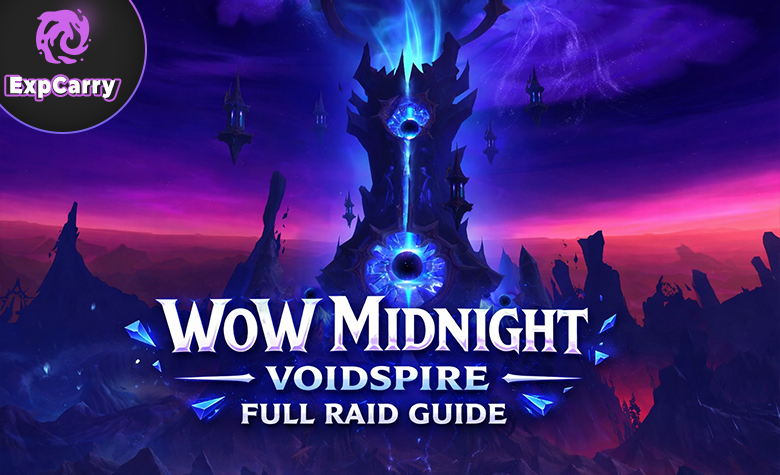
- The Voidspire: a six-boss raid and the main large raid of the first Midnight tier.
- The Dreamrift: a single-boss encounter built around Chimaerus the Undreamt God.
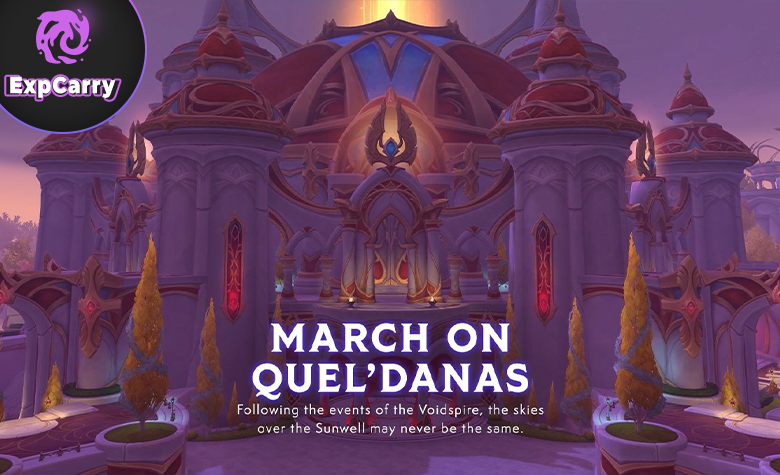
- March on Quel'Danas: a two-boss raid that concludes the main launch storyline.
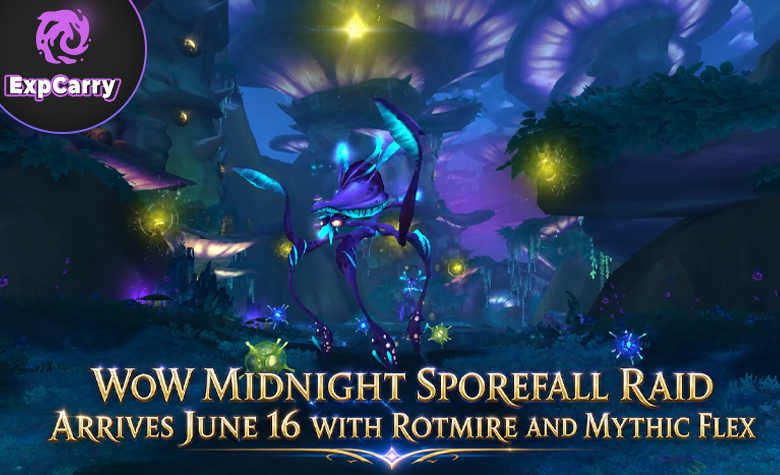
- Sporefall: a single-boss raid featuring Rotmire and its fungal armies.
Each raid has a different structure. The Voidspire provides a longer progression path, while The Dreamrift, March on Quel'Danas, and Sporefall offer shorter but more concentrated encounters.
The Voidspire Raid
The Voidspire is the central multi-boss raid of Midnight. Its encounters test positioning, priority damage, add control, movement, defensive coordination, and execution across longer progression sessions.
The Voidspire boss guides cover:
- Imperator Averzian
- Vorasius
- Fallen-King Salhadaar
- Vaelgor and Ezzorak
- Lightblinded Vanguard
- Crown of the Cosmos
Use the individual encounter guides to identify lethal abilities, tank swaps, healing checks, movement patterns, add priorities, and the differences introduced on Heroic and Mythic difficulty.
The Dreamrift Raid
The Dreamrift is a focused single-boss raid against Chimaerus the Undreamt God. A one-boss raid removes the need for a long clear, but the encounter still demands consistent positioning, movement, damage coordination, and defensive planning.
The Dreamrift guide explains the complete encounter structure, role responsibilities, difficulty changes, rewards, and any mechanics that can be prevented through correct movement, interrupts, or group coordination.
March on Quel'Danas Raid
March on Quel'Danas contains two encounters and serves as the narrative conclusion of the first Midnight raid storyline. Its compact structure makes every boss important for progression, loot, achievements, and weekly raid completion.
The raid includes:
- Belo'ren, Child of Al'ar
- Midnight Falls
The individual boss guides explain positioning, phase transitions, priority targets, defensive requirements, group movement, and the additional mechanics found on Heroic and Mythic difficulty.
Sporefall Raid
Sporefall is a single-boss raid located in Harandar. The encounter against Rotmire is built around heavy multi-target pressure, fungal enemies, repeated add waves, and controlling dangerous growth mechanics before they overwhelm the group.
The Sporefall guide covers Rotmire's main abilities, add priorities, tank positioning, healing pressure, damage windows, difficulty changes, and the special rewards associated with the raid.
Raid Finder, Normal, Heroic, and Mythic Difficulties
Raid encounters become more demanding as difficulty increases. Raid Finder introduces the main mechanics in a more accessible environment. Normal requires stronger individual execution, while Heroic commonly adds new mechanics, harsher overlaps, and more demanding damage or healing checks.
Mythic changes encounter structure further and may introduce additional enemies, phases, assignments, positioning requirements, or failure conditions. Our boss guides separate the core encounter from Heroic and Mythic changes so players can quickly find the information relevant to their difficulty.
Boss Strategies by Role
Tank Responsibilities
Tanks manage boss positioning, frontal attacks, taunt swaps, defensive cooldowns, add control, and movement between encounter areas. Correct positioning often determines whether melee players can maintain damage and whether the group can safely handle other mechanics.
Healer Responsibilities
Healers prepare for predictable raid damage, dispels, tank pressure, dangerous overlaps, and moments that require healing cooldowns. Understanding when damage occurs is more important than reacting after several players are already in danger.
Damage Dealer Responsibilities
Damage dealers must balance boss damage with priority adds, movement, interrupts, personal defensives, and encounter assignments. A player who handles mechanics correctly usually contributes more to progression than one who gains a small amount of damage while creating additional risk.
Raid Mechanics and Group Coordination
Midnight raid bosses can require players to spread, stack, soak, interrupt, dispel, switch targets, move enemies, control adds, or coordinate defensive cooldowns. Some mechanics punish one player, while others require the entire group to move or respond together.
Our raid guides focus on:
- Abilities that can immediately kill players or wipe the raid.
- Tank swaps and positioning requirements.
- Healing cooldown timings and heavy group damage.
- Priority enemies and add-control assignments.
- Interrupts, dispels, crowd control, and immunities.
- Phase transitions and changes in encounter tempo.
- Personal defensive and movement requirements.
- Differences between Normal, Heroic, and Mythic difficulty.
Raid Loot, Tier Sets, and Gear Progression
Raids are an important source of weapons, armor, trinkets, class-set pieces, upgrade-track gear, and Great Vault progress. Loot quality depends on the selected difficulty and the point reached within the raid.
Individual raid and boss guides may include:
- Notable weapons, trinkets, and armor pieces.
- Class-set and tier-token sources.
- Upgrade tracks and item-level progression.
- Boss-specific rewards and cosmetic items.
- Mounts, titles, housing decorations, and achievements.
- Great Vault raid-slot requirements.
Specific loot remains subject to the raid's loot system and weekly lockouts. Completing a boss does not guarantee a particular item unless the reward comes from a direct achievement or quest.
Raid Achievements and Glory Rewards
Raid achievements add extra requirements to existing encounters. They may require unusual positioning, interacting with additional enemies, completing mechanics in a specific order, or defeating a boss under special conditions.
Achievement guides should be used together with the standard boss strategy. The group must still complete the normal encounter while also handling the additional objective required for the achievement or Glory meta achievement.
How to Prepare for a Raid
- Review the mechanics for your selected difficulty before joining the group.
- Prepare the correct talents, gear, consumables, and defensive abilities.
- Know which boss casts require interrupts, dispels, or personal movement.
- Check whether your role has a specific assignment.
- Keep personal defensive cooldowns available for predictable damage.
- Do not copy a Mythic strategy into a Normal group when the additional mechanics are not present.
- Confirm the raid entrance, lockout status, and required difficulty before the run.
Find the Right WoW Midnight Raid Guide
Browse this category to prepare for a complete raid, learn a specific boss, compare difficulty changes, review loot, or complete an achievement. Begin with the raid overview, then open the individual boss guide for detailed mechanics, positioning, role responsibilities, and Heroic or Mythic changes.




 ExpCarry Editorial TeamExpCarry Editorial Team