

Skinning in World of Warcraft: Forever is a gathering profession used to collect leather, hides, scales and new Scarce crafting reagents from defeated skinnable creatures. The normal profession cap remains 300. Forever expands the material economy through Pristine Leather, Pristine Hide, Pristine Scale, Camping features and Legacy gathering perks. Skinning is especially useful alongside Leatherworking, but its materials are also required by Blacksmithing, Tailoring and other professions.
Updated October 9, 2026. The Forever beta is currently capped at character level 30. The most important new Skinning material available in the early game is Pristine Leather, a Scarce reagent obtained from skinning eligible creatures. Current player reports confirm drops from lower-level beasts and other skinnable enemies, including successful skins at 75 and 108 Skinning. No separate minimum Skinning skill specifically for Pristine Leather has been confirmed. A character must still meet the skill requirement to skin the creature itself.
What is the best profession to pair with Skinning in WoW Forever?
Leatherworking is the most natural pairing because it uses Light, Medium, Heavy, Thick and Rugged Leather alongside hides, scales and special reagents. Skinning also works as a standalone gathering profession for players who want to sell their materials.
How do you level Skinning from 1 to 300?
Skin eligible low-level creatures for Ruined Leather Scraps and Light Leather, progress through stronger beasts for Medium and Heavy Leather, then move into higher-level areas for Thick and Rugged Leather. Train the next profession rank before reaching your current skill cap and move on when your targets stop granting reliable skill points.
How does Skinning make gold?
Sell ordinary leather, hides, scales and Scarce materials. Pristine Leather can be especially useful during early profession progression because current Forever recipes across Leatherworking, Blacksmithing and Tailoring require it. Prices and actual drop rates may change during beta and after launch.
Where does Pristine Leather drop?
Current Forever data and beta player reports identify skinnable creatures in Westfall, Darkshore, The Barrens, Silverpine Forest, Loch Modan and other early zones. Recorded examples include boars, foreststriders, plainstriders, bears, crocodiles and certain skinnable worgen. The most useful farming target is a dense group of eligible low-level creatures you can skin quickly, not necessarily a rare spawn.
What Skinning skill is required for Pristine Leather?
There is no confirmed fixed minimum skill for Pristine Leather itself. Beta players have reported obtaining it at 75, 108 and 150 Skinning. The character must have enough Skinning skill to skin the chosen creature, but the item level of Pristine Leather is not a profession requirement.
Do you need a Skinning Knife?
Yes. The normal Skinning ability requires a Skinning Knife or a suitable equivalent tool in your inventory. You normally do not need to equip it.
What does Skinning add to Camping?
Current Forever data lists Camp Chair at 20 Skinning, Field Guide at 140 and Trapper's Workbench at 300. They provide a Critical Strike benefit, tracking utility and a campsite trap respectively.
Last updated: October 9, 2026. Rechecked Pristine Leather sources, creature levels, reported Skinning skill values and the interaction with Bountiful Harvest. Added practical early-zone targets and a separate farming-guide link. The full 1–300 route remains partly provisional because the current beta character cap is 30. Exact Pristine Leather drop rates, a separate minimum skill requirement and reports of possible October gathering bugs remain unconfirmed.
WoW Forever Skinning at a Glance
Skinning is one of the easiest professions to level alongside normal questing because its resource nodes are the creatures you already defeat. Blizzard's World of Warcraft: Forever Deep Dive confirms new profession interactions with Camping and Legacy, while current beta records include new Scarce materials and gathering tools.
| Skinning Skill | Main Materials | Route Style | Main Goal |
|---|---|---|---|
| 1–75 | Ruined Leather Scraps, Light Leather, Light Hide, possible early Pristine Leather | Starter zones and low-level beast camps | Gain skill during questing, reach Camp Chair at 20 and begin collecting materials for early crafting |
| 75–150 | Medium Leather, Medium Hide, early scales and Pristine Leather | Low-to-mid zones with dense beast groups | Build Medium Leather stocks and farm documented Pristine Leather sources while progressing toward Field Guide |
| 150–225 | Heavy Leather, Heavy Hide, early Thick Leather | Mid-level beast-heavy zones | Gather Leatherworking materials, increase profession skill and prepare for higher creature levels |
| 225–300 | Thick Leather, Rugged Leather, Rugged Hide, rare scales and specialty leather | Higher-level creatures, dinosaurs and selected dungeon or raid targets | Reach 300, obtain advanced materials and unlock Trapper's Workbench |
Skinning skill and item drops are separate mechanics. The profession skill determines whether you can skin an eligible creature and whether that skin may increase your skill. It does not mean every reagent has an additional minimum skill equal to its item level or the level of the recipe that consumes it.
For example, Pristine Leather has an item level of 25 but has been reported from level-13 creatures with a Hunter or other character at 75 Skinning. The item's level should not be interpreted as a requirement of 125 Skinning, 150 Skinning or character level 25.
How Skinning Works in WoW Forever
After learning Skinning, carry a Skinning Knife, defeat an eligible creature and loot its corpse completely. If it is skinnable at your current skill, interact with the corpse to gather the available materials. A successful skin may produce ordinary leather, a hide, scales or an additional Scarce reagent.
- Loot the corpse first: Skinning generally requires the corpse to be fully looted.
- Check the Skinnable indicator: the profession color shows whether the action is within your current skill range and whether you may gain a skill point.
- Use the appropriate tool: keep a Skinning Knife or valid replacement in your bags.
- Check creature eligibility: not every beast-looking creature is skinnable, and some creatures outside the Beast classification can also be skinned.
- Respect creature skill requirements: you cannot skin a target that exceeds the effective Skinning skill permitted by its level or specific requirements.
- Consider abandoned corpses: fully looted creatures killed by other players may become available for Skinning. Let another Skinner finish their own kills when appropriate.
- Do not assume every skin grants skill: grey targets can still provide materials but normally do not improve Skinning.
The current profession tooltip retains the Classic-style high-level relationship between Skinning and creature level: from approximately 100 skill upward, the maximum ordinarily skinnable creature level is determined by Skinning skill divided by five. For example, 150 Skinning covers ordinary level-30 skinnable creatures and 300 covers ordinary level-60 targets. Very low-level creatures use different early scaling, and special high-level creatures may have additional requirements.
This relationship does not establish a separate Pristine Leather requirement. A beta player successfully skinned Pristine Leather from a level-13 boar at 75 Skinning, and another recorded a drop from a level-14 or 15 crocodile at 108 Skinning. These observations disprove the claim that every Pristine Leather drop requires 150 Skinning, but they do not establish the absolute lowest possible skill.
Current Forever Skinning also uses the traditional profession ranks with caps of 75, 150, 225 and 300. Train each higher rank before reaching the previous cap. The WoW Forever Skinning leveling service covers selected profession ranges separately for players who do not intend to level through manual gathering.
WoW Forever Skinning Leveling 1-300
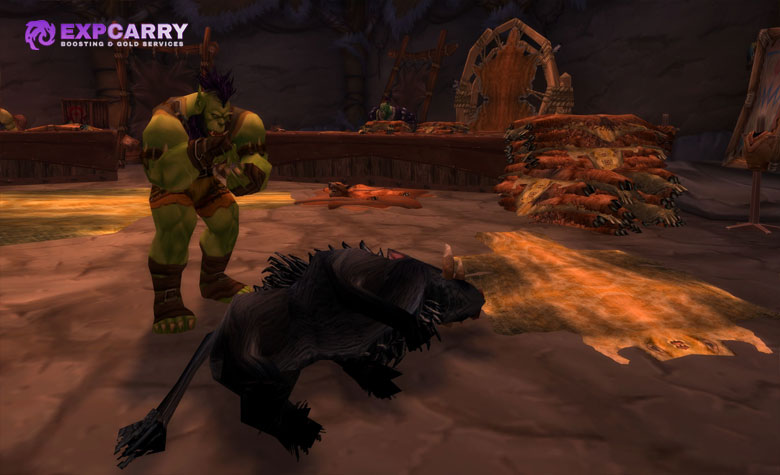
The best Skinning leveling route combines sufficient creature density, fast kills and targets that still provide skill points. For Pristine Leather, the early documented drop range is particularly relevant. Current records include eligible creatures around levels 11–21, while the higher-level route remains useful for ordinary leather, hides and specialty materials.
Because the beta is capped at character level 30, higher-level zone routes are planning recommendations based on retained Azeroth creature populations and profession progression. They are not fully measured Forever launch farms.
Skinning 1-75: Starter Beasts and Light Leather
Begin in a starter zone or its nearby low-level questing areas. Elwynn Forest, Dun Morogh, Teldrassil, Darkshore, Durotar, Mulgore, Tirisfal Glades, Silverpine Forest and The Barrens all contain skinnable creatures appropriate for early progression.
- 1–20: skin low-level boars, wolves, cats, plainstriders and other eligible creatures. Expect Ruined Leather Scraps, early Light Leather and occasional hides.
- At 20: unlock the Skinning Camping progression associated with Camp Chair.
- 20–50: stay in dense starter-zone areas while targets still grant useful skill. Avoid unnecessary travel when nearby creatures respawn quickly.
- 50–75: move toward stronger creatures in Westfall, Darkshore, Loch Modan, Silverpine Forest or The Barrens. These areas overlap with documented low-level Pristine Leather sources.
Pristine Leather can appear during early Skinning. Current reports show it from lower-level skinnable creatures, not only from high-level beasts. One player recorded two Pristine Leather from a level-13 boar in Westfall with 75 Skinning. Another obtained it from a level-14 or 15 crocodile at 108 Skinning.
These examples should not be interpreted as guaranteed drops or proof that 75 is the exact minimum skill. They demonstrate that the reagent can be gathered well before 150 Skinning when the target is eligible.
Skinning 75-150: Medium Leather and Dense Beast Camps
This bracket is particularly useful for players who want Pristine Leather in addition to normal Skinning progression. The documented drop sources overlap heavily with early-to-mid questing zones, including Westfall, Darkshore, Loch Modan, Silverpine Forest and The Barrens.
- 75–100: continue skinning eligible low-level creatures and begin targeting areas that produce more Medium Leather. Westfall boars and Darkshore foreststriders have reported Pristine Leather results.
- 100–125: use dense beast populations in Redridge Mountains, Wetlands, Ashenvale and nearby questing areas. Choose targets you can skin reliably rather than assuming more difficult creatures have better Scarce-material rates.
- 125–140: move through appropriate Duskwood, Hillsbrad, Silverpine or Barrens creature groups while collecting Medium Leather and hides.
- At 140: current beta data lists Field Guide as the second Skinning Camping feature.
- 140–150: prepare for stronger creatures and Heavy Leather. If your goal remains Pristine Leather, continue testing documented early-zone sources rather than automatically assuming higher-level monsters are better.
Current Wowhead Forever records include the following Pristine Leather sources and player reports:
- Westfall: a player reported obtaining two Pristine Leather from a level-13 boar at 75 Skinning.
- Darkshore: Foreststrider, Foreststrider Fledgling and Thistle Bear appear in current recorded source data.
- The Barrens: Fleeting Plainstrider, Savannah Matriarch and other low-level beasts appear among recorded sources.
- Loch Modan: Daggerfang, a level-15 rare creature, has Pristine Leather recorded. Its rarity makes it unsuitable as a guaranteed continuous farm.
- Silverpine Forest: Moonrage-related worgen and bears appear in current source data, with a player reporting Pristine Leather from a skinnable worgen during Arugal's Folly.
- Mulgore: a player reported obtaining two Pristine Leather from a named kodo.
The item database contains a mixture of relatively few Forever beta observations and older creature data. Displayed drop percentages should not be treated as stable Skinning probabilities. Prefer densely spawning eligible creatures over camping a rare with a seemingly high rate based on very few recorded kills.
For ordinary progression, do not ignore Medium Hide. It is a separate Leatherworking material with different demand from Medium Leather. Price it separately on the Auction House.
Skinning 150-225: Heavy Leather and Thick Leather Transition
The middle range expands the available creature and material tiers. Stranglethorn Vale, Thousand Needles, Desolace, Dustwallow Marsh, Badlands and The Hinterlands are familiar candidates for Heavy Leather and early Thick Leather. Their exact Forever farming efficiency has not yet been established through full high-level testing.
- 150–175: target creatures that can provide Medium and Heavy Leather while Heavy Leather becomes the main material.
- 175–200: prioritize dense groups in Stranglethorn Vale, Thousand Needles or Dustwallow Marsh. Fast kills and easy corpse access matter more than small differences in creature level.
- 200–225: move toward higher-level targets in Badlands, The Hinterlands and other suitable zones where Thick Leather becomes available.
- Specialty scales: certain scorpids, dragonkin and other eligible creatures provide additional materials such as Scorpid Scale.
Pristine Leather farming is not automatically better at higher Skinning skill. Some players have reported finding it at 75–150 Skinning from early creatures, while other players with more than 200 Skinning reported long sessions without a single Pristine Leather during the October beta.
Those reports do not establish a hard upper limit either. They indicate that the exact drop behavior and the effect of recent beta changes remain uncertain. For dedicated Pristine Leather farming, the lower-level recorded creature groups are a better-supported starting point than unverified high-level farms.
Skinning 225-300: Thick Leather, Rugged Leather and Rare Materials
The final profession bracket moves toward higher-level zones, specialty leather and valuable hides. Feralas, Tanaris, The Hinterlands, Un'Goro Crater, Felwood, Winterspring and the Plaguelands are progression candidates once their relevant content is fully accessible.
- 225–250: skin suitable high-level creatures that produce Thick Leather while Rugged Leather begins to enter the material pool.
- 250–275: compare beast populations in Feralas, Tanaris, The Hinterlands and Un'Goro Crater. Choose a route that offers rapid kills and consistent skins.
- Devilsaur farming: Devilsaur Leather remains a specialist Leatherworking material associated with devilsaurs in Un'Goro.
- 275–300: higher-level beasts in Winterspring, Felwood, Eastern Plaguelands and Un'Goro are candidates for Rugged Leather and other valuable materials.
- At 300: current Forever data lists Trapper's Workbench as the maximum-skill Skinning Camping feature.
Do not assume that high-level Rugged Leather zones are also optimal Pristine Leather farms. The best-supported Pristine Leather drop observations currently involve lower-level creatures. Higher-level Skinning should be chosen for Rugged Leather, rare hides, scales and other materials unless later testing confirms additional Scarce-material sources.
Explore services related to this guide, selected from our Professions catalog.
View All Professions Services


Leather, Hides and Scales: What Skinning Produces
Skinning produces several distinct material categories. Ordinary leather is gathered in relatively large quantities, while hides and scales have more specialized crafting uses. Forever also adds Scarce materials as occasional additional gathering rewards.
| Material Type | Examples | Main Use | Economic Advice |
|---|---|---|---|
| Basic leather | Light, Medium, Heavy, Thick and Rugged Leather | Leatherworking progression, armor and related crafts | High-volume materials; compare each tier independently |
| Hides | Light, Medium, Heavy, Thick and Rugged Hide | Cured hides, specialty armor and advanced patterns | Often rarer than ordinary leather; price separately |
| Scales | Scorpid Scale, Whelp Scales and Dragonscales | Specialized Leatherworking and resistance gear | Demand depends on recipe accessibility and class progression |
| Special leather | Devilsaur Leather, Core Leather | Specialization equipment and high-level crafting | Separate these from ordinary Rugged Leather markets |
| Forever Scarce materials | Pristine Leather, Pristine Hide and Pristine Scale | New profession recipes, including Leatherworking, Blacksmithing and Tailoring | Scarce-material sources and rarity differ; do not assume all three use identical drop rules |
Pristine Leather is classified as a Scarce material and currently has an item level of 25. That item level is descriptive item data, not the minimum Skinning skill. Beta observations confirm Pristine Leather from eligible lower-level skins, while Pristine Hide and Pristine Scale have separate records and less complete source information.
Do not confuse Pristine Leather with Pristine Hide or Pristine Hide of the Beast. These are different items with different crafting uses and acquisition requirements. In particular, historical raid Skinning requirements for Pristine Hide of the Beast do not apply automatically to ordinary Pristine Leather.
Current Forever recipe listings contain over one hundred uses of Pristine Leather, making it relevant to multiple crafting professions. The exact number can change between database builds as Blizzard updates the recipe collection.
Do not convert all lower leather into higher grades automatically through Leatherworking. Conversion can be useful when a particular material is scarce, but it may also reduce the value of your inventory if lower-level crafters are paying more for the original materials.
Players who want to turn gathered leather into equipment can use the WoW Forever Leatherworking leveling service or the relevant Leatherworking guide. Skinning remains economically useful without Leatherworking because ordinary leather, hides and Scarce materials can be sold directly.
Best Skinning Zones by Progression Stage
Skinning routes depend on creature density and the ability to skin targets quickly. For ordinary skill progression, move toward stronger creatures as your skill increases. For Pristine Leather, prioritize early zones with reported successful drops rather than automatically choosing the highest-level targets available.
| Progression | Zone Examples | Target Types | Main Materials |
|---|---|---|---|
| Early | Elwynn, Dun Morogh, Durotar, Mulgore, Tirisfal, Darkshore, Westfall, The Barrens | Boars, wolves, cats, plainstriders, kodos and starter beasts | Ruined Leather Scraps, Light Leather, Light Hide; possible Pristine Leather from eligible creatures |
| Low-mid | Westfall, Loch Modan, Silverpine, Darkshore, Redridge, Duskwood, Wetlands, Ashenvale, Hillsbrad | Boars, foreststriders, bears, wolves, crocodiles, skinnable worgen and other eligible creatures | Light and Medium Leather, Medium Hide and documented early Pristine Leather sources |
| Mid-high | Stranglethorn, Thousand Needles, Dustwallow, Badlands, Desolace, Hinterlands | Raptors, gorillas, basilisks, turtles, scorpids and other eligible creatures | Heavy Leather, Heavy Hide, Thick Leather and Scorpid Scale |
| High | Feralas, Tanaris, Un'Goro, Felwood, Winterspring, Plaguelands | Dinosaurs, yetis, bears, plague beasts and other high-level targets | Thick Leather, Rugged Leather, Rugged Hide and specialty materials |
Current recorded Pristine Leather sources include creatures around levels 11–21 in several early zones. Westfall and Darkshore are convenient starting areas for Alliance characters; The Barrens and Silverpine Forest are practical Horde-side alternatives. Actual rates are not established, so choose dense, accessible mobs rather than a single named rare.
Fully looted corpses left by questing players can improve gathering efficiency where Skinning is permitted. A corpse can only be skinned once under the current fixed beta behavior, so do not assume several Skinners can obtain materials from the same corpse.
How to Make Gold with Skinning
Skinning income comes from collecting useful materials efficiently. The most profitable material is not always the highest-level leather because different crafting professions consume different tiers at different stages of progression.
- Sell into profession-leveling demand: Light, Medium and Heavy Leather can become valuable when many players are progressing Leatherworking.
- Price hides separately: their lower supply and use in cured-hide recipes may create different margins from ordinary leather.
- Farm specialty scales: certain scorpids and dragonkin supply materials for specialized armor and resistance recipes.
- Watch Devilsaur Leather: Un'Goro devilsaurs supply a separate high-level crafting market.
- Sell Pristine Leather separately: it is a Scarce reagent required by new Leatherworking, Blacksmithing and Tailoring crafts and should not be valued as ordinary Light Leather.
- Use documented Pristine Leather sources: low-level beasts in Westfall, Darkshore, The Barrens, Silverpine and Loch Modan provide more grounded farming candidates than unverified high-level routes.
- Take advantage of available corpses: fully looted skinnable creatures left by players may increase materials per hour without requiring every kill yourself.
- Keep an eye on lower-tier demand: a crowded Rugged Leather farm may be less profitable than an efficient early-zone route.
- Move when kill speed falls: higher-value materials are not automatically worth several times more combat and travel time.
The current beta market does not provide reliable long-term gold-per-hour benchmarks. Player demand, drop behavior and material prices can change before November 4. For Scarce materials especially, use the actual Auction House price rather than assuming a stable value from early beta observations.
Skinning and Leatherworking: Best Pairing
Leatherworking is the most direct use of Skinning materials. The pairing lets one character gather leather, hides and scales through normal combat and turn them into Leather and Mail equipment, Armor Kits and specialist crafts.
Forever increases this synergy because new Leatherworking recipes require Pristine Leather. Other professions also consume the same material, creating potential demand from Blacksmiths and Tailors. This means a Skinner can sell Pristine Leather even without learning Leatherworking.
Self-gathered materials are not free. If Pristine Leather or Medium Leather sells for a high price, consuming it in a low-value craft has an opportunity cost. Compare the value of the raw material with the benefit of the finished item.
Scarce Materials and Bountiful Harvest
Scarce materials are one of the most important new gathering mechanics in Forever. Pristine Leather, Pristine Hide and Pristine Scale are new special reagents associated with Skinning, but they do not have identical confirmed source lists or requirements.
Pristine Leather sources: the current Wowhead Forever item page records creatures in Westfall, Darkshore, The Barrens, Loch Modan and Silverpine Forest. Beta players have also reported successful skins from a named kodo in Mulgore, level-13 boars, low-level crocodiles and skinnable worgen. These reports establish several plausible low-level sources, not a guaranteed drop from every creature in those zones.
Skinning requirements: no unique minimum skill specifically for Pristine Leather is listed on its item tooltip. Players have reported drops at 75 Skinning from a level-13 boar, at 108 Skinning from a level-14 or 15 crocodile, and at 150 Skinning from level-18 creatures. These observations show that 150 is not mandatory. The actual requirement is having enough Skinning skill to skin the selected eligible creature. A separate material-specific threshold has not been demonstrated.
Best-supported early farming areas: Alliance characters can begin with Westfall boars and Darkshore foreststriders, then check suitable Loch Modan creatures. Horde characters can start with Barrens plainstriders and Savannah Matriarchs, Silverpine bears or eligible worgen, and suitable Mulgore kodos. Prefer common creatures with fast respawns; rare mobs such as Daggerfang are documented sources but poor choices for a continuous farming loop.
Pristine Leather farming route: for additional zone-based farming methods, gathering priorities and gold-making comparisons, see the WoW Forever Gold Farming Guide. For a targeted Pristine Leather session, start with the documented low-level zones above, record skins and results separately, and move when competition or poor respawns make the route inefficient.
The Legacy perk Bountiful Harvest improves the amount of Scarce materials gathered through Mining, Herbalism and Skinning. Current beta data lists five ranks with a cumulative bonus progressing from 20% to 100% more Scarce materials. This does not mean every skin has a guaranteed Scarce drop or that normal leather is doubled.
- Keep Pristine Leather: it is used in many new recipes and should not be vendored with ordinary low-tier leather.
- Check the actual Skinning eligibility: the target creature's level and classification matter more than Pristine Leather's item level.
- Do not assume Skinning 150 is required: successful lower-skill beta observations contradict that assumption.
- Separate Scarce materials: Pristine Leather, Pristine Hide and Pristine Scale should not be treated as interchangeable drops.
- Track materials per session: compare the total number of eligible skins, Scarce drops and time spent instead of interpreting a short unlucky streak as a confirmed rule.
- Use Bountiful Harvest where appropriate: the perk is intended to improve Scarce-material gathering, but it does not guarantee any particular drop count.
- Watch current beta issues: player reports from October 7–9 describe unexpectedly low Pristine Leather drops and possible problems involving Skinning auto-loot or Bountiful Harvest. These remain player reports rather than officially confirmed drop-rate changes.
There is not enough reliable data to recommend a fixed Pristine Leather drop percentage, an exact expected number per hour or a universal minimum Skinning skill. A report of obtaining two pieces from one creature confirms the possibility of multiple materials, but it does not establish how frequently that result occurs.
If you encounter repeated failed Skinning interactions or suspect a Scarce material was not awarded, record the creature, Skinning skill, location and client build for a beta report. Do not present unverified workarounds or forum speculation as an official solution.
Skinning Camping: Camp Chair, Field Guide and Trapper's Workbench
Skinning also contributes to Forever's Camping system. Each profession Camping object serves a different purpose, while Blizzard's shared Camping rules limit how often special features can be used.
The WoW Forever Camping Guide covers placement, group capacity and cooldown behavior. Current Skinning data includes these three features:
- Camp Chair — 20 Skinning: requires 3 Light Leather and 2 Simple Wood. Grants eligible nearby seated players a 2% Critical Strike benefit with attacks and spells. The effect is exclusive with Moonkin Aura.
- Field Guide — 140 Skinning: requires 3 Medium Leather, 2 Slimy Murloc Scale and 1 Fine Thread. Players can use it to gain Track Beasts while retaining Camp Chair benefits.
- Trapper's Workbench — 300 Skinning: requires 2 Simple Wood, 4 Heavy Leather and 1 Iron Bar. Provides a trap and retains the Camp Chair benefits.
Skinning Camping objects are separate from the ability to gather Pristine Leather. None of the three stations is a documented prerequisite for obtaining ordinary Pristine Leather from a skinnable creature.
All current profession Camping features share a one-hour cooldown. Use them when their effects help the group rather than placing an object automatically whenever the cooldown is ready.
Skinning Beyond 300 and Rare Endgame Materials
300 is the base Skinning cap, but older Classic systems include equipment and enchants capable of raising effective Skinning beyond that maximum. Current Forever databases retain references to some of these bonuses, although their exact live availability and high-level target requirements are not completely established.
- Formula: Enchant Gloves - Skinning: a traditional +5 Skinning enchant reference retained in Forever item data.
- Keen Skinning Knife: a new tool in Forever client data. Its exact additional bonus should be verified against the current game tooltip.
- Finkle's Skinner: historically provides +10 Skinning; database presence is not sufficient to confirm obtainable Forever beta access.
- Zulian Slicer: another historical +10 Skinning item whose current Forever accessibility requires verification.
- Core Leather: a specialist Leatherworking material historically associated with Core Hounds and Molten Core.
- Scale of Onyxia: a high-level material associated with Onyxia.
- Dreamscale: a specialized material associated with particular green dragon content.
Historical requirements such as 310 or 315 effective Skinning should not be treated as finalized Forever rules without testing the actual target. They are also unrelated to early Pristine Leather gathering. You do not need maximum profession skill or raid-specific Skinning tools merely to pursue the low-level Pristine Leather sources documented in the current beta.
Players comparing profession material farming with other gold-making methods can consult the WoW Forever Gold page. The live economy does not yet exist, and beta material prices do not guarantee launch income.
Skinning and the Legacy System
Skinning contributes to the broader Legacy progression system through profession-related challenges and gathering perks. Current beta data lists Working Overtime and Bountiful Harvest as relevant improvements.
Working Overtime has five ranks, increasing the chance to gain a profession skill point by 4% per rank up to 20% at rank five. Bountiful Harvest increases Scarce-material gathering bonuses through its five ranks, reaching a reported cumulative 100% bonus at maximum investment.
The latter perk is relevant to Pristine Leather, but its exact observed effectiveness is currently disputed by some beta testers. Reports from October 7–9 describe long periods without Pristine Leather despite high Skinning skill and investment in Bountiful Harvest. These reports do not by themselves demonstrate that the perk is disabled or that Blizzard intentionally reduced drop rates.
Legacy Points are account-wide rewards that can be allocated differently on individual characters. The WoW Forever Legacy System Guide covers the current point allocation and perk values.
Best Classes for Skinning
Any class can learn Skinning. Gathering efficiency depends primarily on kill speed, movement, the ability to reach eligible creatures and avoiding downtime between skins.
- Hunter: tracking abilities, ranged attacks and a pet make beast-heavy routes convenient.
- Druid: mobility and stealth can reduce unwanted combat while moving between creature groups.
- Rogue: Stealth helps travel between farming areas without fighting unrelated enemies.
- Warlock: a demon companion can help manage repeated pulls and groups of creatures.
- Warrior and Paladin: durable melee combat can support continuous Skinning when equipment and character level are appropriate.
For Pristine Leather specifically, a class that can quickly eliminate level-11 to level-21 skinnable creatures and move efficiently between them may outperform a stronger class farming higher-level mobs without documented Pristine Leather drops.
The most practical Skinner is usually a character already questing through relevant beast zones. Skill progression, gathering and character leveling can all occur during the same session.
Skinning Mistakes to Avoid
Skinning is straightforward, but assumptions about Scarce materials and creature requirements can waste substantial farming time.
- Do not forget the Skinning Knife: carry a valid Skinning tool before traveling to a farming route.
- Do not leave corpses unlooted: eligible enemies generally need to be fully looted before they can be skinned.
- Do not farm grey targets for skill points: move into higher-level creature groups when Skinning progression is the goal.
- Do not assume Pristine Leather requires 150 Skinning: lower-skill beta players have reported successful drops.
- Do not mistake item level 25 for a Skinning requirement: it describes the reagent, not the minimum skill needed to gather it.
- Do not expect every beast to drop Pristine Leather: current source records are incomplete, and the material is Scarce.
- Do not confuse Pristine Leather with Pristine Hide or Pristine Hide of the Beast: their sources and requirements are not interchangeable.
- Do not assume higher-level beasts have better Pristine Leather rates: the most concrete beta observations are from lower-level creatures.
- Do not rely on a precise Pristine Leather drop percentage: limited beta records are insufficient to establish a stable rate.
- Do not assume Bountiful Harvest guarantees drops: it improves Scarce gathering under its intended rules but does not ensure a reward from every skin.
- Do not vendor Scarce materials automatically: their demand can extend across multiple crafting professions.
- Do not overfarm rare mobs for ordinary materials: dense common-creature groups are more sustainable farming targets.
- Do not ignore possible beta gathering issues: record reproducible problems and compare them with Blizzard's current development notes.
- Do not treat self-gathered leather as free: every material can have an Auction House opportunity cost.
Efficient Skinning comes from matching the intended material to the right creatures. Farm higher-level mobs for Thick, Rugged or specialty leather, but use documented lower-level candidates when specifically targeting Pristine Leather until more complete Forever drop data becomes available.
WoW Forever Skinning FAQ
These answers cover Skinning progression, Pristine Leather, Scarce materials, Camping and higher-level requirements.
What is the maximum Skinning skill in WoW Forever?
300 is the normal profession cap. Some historical tools and enchants can increase effective Skinning beyond that limit, but exact Forever endgame requirements are not fully confirmed.
Do you need a Skinning Knife?
Yes. Keep a Skinning Knife or valid replacement tool in your inventory. It does not normally need to be equipped.
What profession pairs best with Skinning?
Leatherworking is the most direct pairing because it consumes leather, hides, scales and new Scarce reagents.
What is the fastest way to level Skinning 1–300?
Skin dense groups of eligible creatures that still give skill points, move to stronger areas as your profession increases and combine gathering with questing.
Where can you farm Pristine Leather?
Current beta observations and source records identify Westfall, Darkshore, The Barrens, Silverpine Forest, Loch Modan and Mulgore as places with eligible lower-level skinnable creatures. Recorded examples include boars, foreststriders, plainstriders, bears, worgen and kodos.
What level creatures drop Pristine Leather?
Current item records include creatures around levels 11–21. Players have reported successful skins from a level-13 boar and a level-14 or 15 crocodile. This is the documented range of early examples, not a confirmed universal minimum or maximum creature level.
What Skinning skill do you need for Pristine Leather?
No separate minimum requirement for the reagent itself has been confirmed. Successful beta reports include 75, 108 and 150 Skinning. You still need sufficient skill to skin the chosen creature.
Is Pristine Leather's item level 25 a profession requirement?
No. Item level 25 does not mean the reagent requires character level 25 or 125 Skinning.
Does Bountiful Harvest improve Pristine Leather farming?
It is intended to increase Scarce-material gathering. Current beta data lists a bonus of up to 100% at rank five, but it does not guarantee a drop. Some October beta players have reported unusually poor Pristine Leather results despite using the perk.
Can Skinning make good gold?
Yes. Leather, hides, scales and Scarce reagents can have separate markets. Actual income depends on target density, prices and gathering results.
What skill unlocks Field Guide?
Current Forever data lists Camp Chair at 20, Field Guide at 140 and Trapper's Workbench at 300 Skinning.
Can you skin corpses killed by other players?
Fully looted eligible corpses may become available to other players. Under current beta behavior, each corpse can only be skinned once.
Do you need more than 300 Skinning for Pristine Leather?
No such requirement has been demonstrated. Successful Pristine Leather skins have been reported well below 300. Historical above-cap Skinning requirements concern different high-level targets and materials.
Conclusion
WoW Forever Skinning remains one of the simplest professions to level through regular combat. Keep a Skinning Knife available, loot eligible corpses completely and move from low-level leather into Medium, Heavy, Thick and Rugged Leather as your profession skill and character level increase.
Pristine Leather adds a new reason to skin early-game creatures. Current beta data and player reports identify sources in Westfall, Darkshore, The Barrens, Silverpine Forest, Loch Modan and Mulgore, with successful skins recorded at 75 and 108 Skinning. There is no confirmed special minimum Skinning level for Pristine Leather itself. The relevant requirement is having enough skill to skin the chosen creature.
As a Scarce reagent, Pristine Leather serves Leatherworking, Blacksmithing, Tailoring and other new crafting demand. Bountiful Harvest is intended to improve Scarce gathering, but observed rates and possible October beta issues require further investigation. Until more reliable data becomes available, prioritize common low-level skinnable creatures with fast respawns over rare targets or unsupported high-level farming claims.
For further gathering and gold-making routes, see the WoW Forever Gold Farming Guide. Skinning also provides Camp Chair, Field Guide and Trapper's Workbench utility as the profession progresses toward 300. The current beta is capped at character level 30, so high-level zone efficiency and endgame materials should be reassessed once the full world is available.