

Leveling Alliance fast in WoW TBC Classic Anniversary is mostly about one thing: tempo. Early zones are crowded, contested objectives get camped, and the players who reach Outland smoothly are the ones who stack quests, avoid travel traps, and do not wait on bottleneck spawns. This guide is built for real server conditions, not perfect solo leveling fantasy.
This guide covers the pre-expansion window that begins with the TBC Anniversary pre-patch on January 13, 2026 and transitions into Outland at launch on February 5, 2026. It gives you a complete Alliance 1-70 plan with multiple zone options per bracket, a practical dungeon strategy (when to run, when to skip), and a group quest filter that protects your XP per minute.
Important Anniversary note: leveling from 20 to 60 is faster than original Classic due to XP and quest reward tuning during the TBC pre-patch period. In practice, this means your best strategy is even more focused on clean quest loops and fast turn-in waves instead of long grinds or endless dungeon spam.
Start here: Alliance leveling rules that save the most time
Before you care about perfect routing, lock in habits that prevent wasted minutes. Alliance has strong hubs and clean quest chains, but you can still lose huge time to backtracking, slow-drop quests, and dungeon spam with no quest stack. Your goal is not to complete every quest. Your goal is to keep experience per minute high and leave the moment a zone stops paying you back.
Use these rules throughout the guide, especially from levels 1 to 30:
- Stack quests in batches of 4 to 8. If you are turning in one quest at a time, you are usually bleeding travel time.
- Skip quests with long respawn targets, low drop rate items, or single objectives far off your route. These are tempo killers on busy servers.
- Do not wait for named mobs if they are camped. Move on and return only if a later hub sends you back naturally.
- Set your Hearthstone to the hub you will revisit multiple times. A good Hearthstone multiplies every loop you do.
- Vendor often and keep bags clean. A surprise bag crisis forces slow field decisions and breaks your pace.
- Train only when you are naturally passing a trainer. Detours for minor upgrades almost never pay off while leveling.
- Run dungeons-services">dungeons only when you have multiple dungeon quests ready and a group that can start quickly.
- When a bracket slows down, swap zones instead of grinding. Bracket flexibility is how you beat crowding.
Where to level Alliance 1-70 in TBC Anniversary: the bracket backbone
If you want a fast run, treat leveling as a sequence of brackets. The table below is your backbone. After the table, you get practical bracket plans with multiple route options, plus dungeon and group quest guidance that works in real launch conditions.
| Level range | Primary locations (Alliance) | Why it is efficient |
| 1-10 | Starter zone (Elwynn, Dun Morogh, Teldrassil, Azuremyst) | Shortest travel, fast kill quests, easy stacking |
| 10-20 | Westfall, Loch Modan, Darkshore | High quest density and clean hub loops |
| 20-30 | Redridge, Duskwood, Wetlands, Ashenvale | Strong chains, good handoffs, multiple backup zones |
| 30-40 | STV (north), Desolace, Arathi Highlands, Badlands | Great XP if you avoid bottlenecks and long travel |
| 40-50 | Tanaris, Feralas, Hinterlands, Searing Gorge | High density hubs and consistent quest flow |
| 50-60 | Un'Goro, Felwood, WPL, EPL, Winterspring, Silithus | Strong chains, concentrated hubs, flexible finishing |
| 60-70 | Hellfire, Zangarmarsh, Terokkar, Nagrand, Netherstorm | Best quest density, huge upgrades, clean loops |
Fast Alliance 1-20 route: leave your starter zone on time
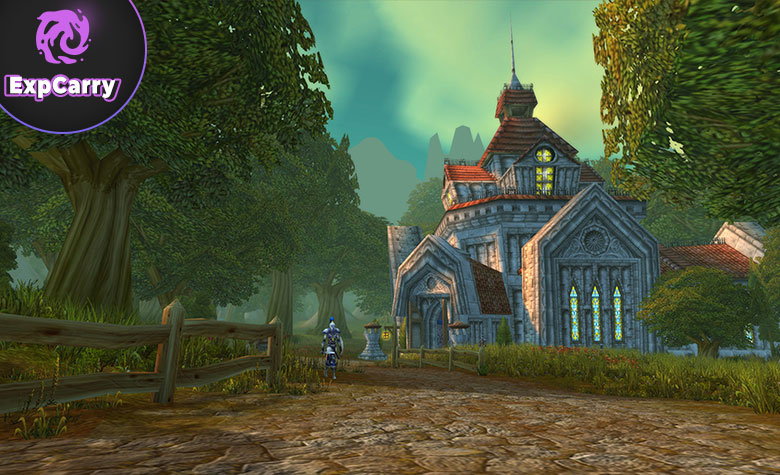
The fastest Alliance 1-20 path is about leaving your starter zone on time and locking into a strong 10-20 engine before your tempo drops. Think of 1-20 as three gates: stabilize momentum in your starting area, finish your first hub chain without detours, then commit to one of the best 10-20 zones based on crowding.
Levels 1-6: starter loop and tempo setup
Your only goal here is speed, and Professions can wait until later if they slow your route. Do not overthink gear, professions, or perfect pulls. The first minutes are about momentum and distance. Keep moving forward while completing multiple objectives that share the same target area.
- Accept all kill quests that share the same target area and complete them on a single loop.
- Loot only what you need for active quests, then vendor quickly on the next natural turn-in.
- If a named mob is hard camped, skip it and continue. Never stand still waiting in the early game.
Levels 6-10: first hub chain and smart Hearthstone usage
This is where Alliance leveling starts to reward good habits. Most starter regions now give you a hub with 4 to 8 quests that point in the same direction. Your job is to leave the hub with a full stack, clear them in one clean loop, then return for a big burst of turn-ins.
- Batch accept quests first, then travel. Avoid running out with only one active objective.
- Favor quests that overlap in the same sub-zone so you complete multiple objectives per pull.
- Set your Hearthstone to the hub you will revisit. If you visit a place once, it is usually not a good Hearthstone.
Levels 10-14: choose your 10-20 engine (Westfall, Loch Modan, Darkshore)
Alliance has three strong 10-20 engines and you only need one. The best choice depends on your server and your tolerance for contesting. If your pace slows because mobs are constantly tagged, switching zones is often faster than pushing through frustration.
This decision table is meant to stop you from bouncing between zones. Pick one engine, commit for several levels, then hand off cleanly to your 20-30 bracket.
| Engine | Why it wins | When to choose it |
| Westfall | Clean hub flow, strong stacking, smooth travel lines | When you can tag consistently and finish loops without waiting |
| Loch Modan | Stable tempo, less contested, easy repeatable loops | When Westfall is overcrowded or objectives are heavily camped |
| Darkshore | High density questing and short objective circuits | When you want nonstop questing and faster turn-in bursts |
Once you pick a zone, play it like a machine: take 6 to 10 quests, complete them in one direction, and return with a full turn-in stack. Do not chase side quests that pull you far away for small rewards.
- Westfall: stack field quests and camp quests, then return for a large turn-in wave instead of single deliveries.
- Loch Modan: keep loops tight around hubs and main roads, do not run deep for one isolated pickup.
- Darkshore: resist the urge to mix distant coastal objectives and inland objectives in the same run.
Levels 14-20: Deadmines decision and the clean handoff to 20+
Deadmines can be a big boost, but only if you treat it like a quest cash-in. One clean run with a stacked quest bundle is strong XP and good rewards. The trap is the waiting room effect: standing in town forming a slow group for longer than the dungeon itself.
Use this decision rule: run Deadmines once only if you have 3 or more Deadmines-related quests ready and a group that can start quickly. Otherwise, skip it and move directly into your level 20-30 open world route.
- If you run it: do one clean run, turn everything in, then immediately return to open world questing.
- If you skip it: you are not behind. You are protecting tempo, which is the real speed advantage.
Explore services related to this guide, selected from our WoW TBC Anniversary catalog.
View All WoW TBC Anniversary Services


Alliance 20-30 leveling route: three paths depending on crowding and PvP
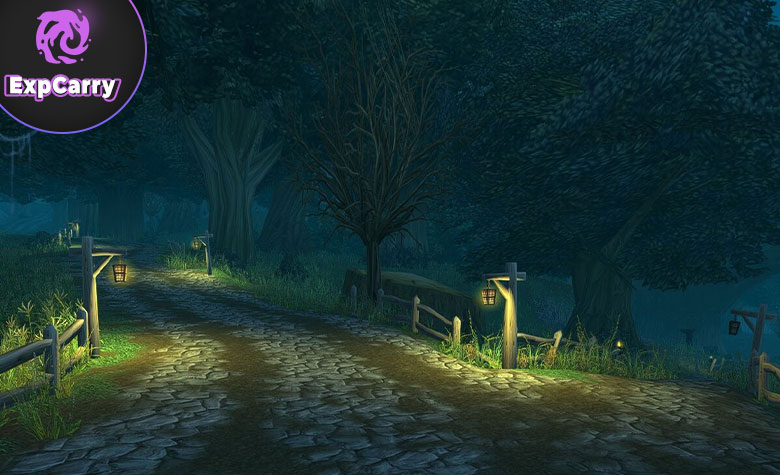
From 20 to 30, Alliance leveling becomes stable if you avoid two traps: elite time sinks and long travel errands. You want zones with clean hubs and short loops. Below are three practical routes. Pick one, commit for the bracket, then hand off cleanly at 28 to 30.
Option A (stable): Redridge into Duskwood
This is the most consistent Alliance 20-30 route. It keeps your travel tight and rewards stacked turn-ins. The only real mistake here is getting baited into long elite detours without a group.
- 20-25: Redridge Mountains. Focus on clustered objectives near the hub and skip elite detours without help.
- 25-30: Duskwood. Keep quests stacked and avoid long one-off errands that break your loop.
Option B (low contest): Wetlands into Arathi Highlands
If Redridge and Duskwood are overcrowded, Wetlands into Arathi often feels smoother. This is also a good PvP realm choice if you want fewer high-traffic chokepoints.
- 20-26: Wetlands. Prioritize short loops and skip long travel deliveries unless they stack well.
- 26-30: Arathi Highlands. Focus on hub clusters and complete objectives in one direction.
Option C (flex): Darkshore extension into Ashenvale
If you started in Darkshore and your tempo is still strong, extending into the same region keeps travel minimal. This route also works when Eastern Kingdoms zones are overloaded.
- 20-24: Finish remaining Darkshore loops that still pay strong XP per minute.
- 24-30: Ashenvale. Choose clustered objectives and avoid long cross-zone backtracking.
Alliance 30-40 leveling route: protect tempo and avoid travel traps
From 30 to 40, your biggest enemy is wasted travel. Many zones offer good XP, but only if you stay disciplined and do not chase far-away single objectives. This bracket is also where dungeon temptation grows. Treat dungeons as planned quest cash-ins, not as your default leveling method.
Option A (classic speed): Stranglethorn Vale (north) into Arathi
STV can be excellent XP if you keep moving and refuse to wait on named bottlenecks. If you are on a PvP realm and STV turns into constant fights, do not force it. Swap to a stable alternative and keep your pace intact.
- 30-36: STV (north). Stack kill quests and run tight circuits around the same camps.
- 36-40: Arathi Highlands. Stable hub progression and less chaotic objective flow.
Option B (stable and calm): Desolace into Badlands
This route is for players who want steady XP without the volatility of high-traffic zones. It is also very forgiving if you prefer clean hubs over chaotic contested camps.
- 30-36: Desolace. Commit to short loops and do not chase scattered objectives across the zone.
- 36-40: Badlands. Keep objectives stacked and avoid long one-off errands away from your route.
Dungeon check at 30-40: Scarlet Monastery and when to skip it
Scarlet Monastery can be strong XP, but only if you have a ready group and you can run clean. The travel time is real and slow groups erase the benefit. If you do SM, do it as one planned session, cash in your quests, then go back to open world questing.
- Do SM when: your group is ready now, you have quests, and your runs are clean and fast.
- Skip SM when: you are losing time forming the party, wiping, or traveling purely for the idea of dungeon XP.
Alliance 40-50 leveling route: Tanaris anchor, then one partner zone
From 40 to 50, Alliance has one extremely stable anchor: Tanaris. It is easy to route, easy to stack, and it connects cleanly into multiple other zones. The best approach is to anchor your bracket in Tanaris, then pair it with one partner zone based on crowding.
Core anchor: Tanaris (40-45)
Tanaris rewards the exact playstyle that makes leveling fast: take a stack from Gadgetzan, clear objectives that overlap, then return for a big turn-in wave. You do not need full completion. You need consistent tempo.
- Stack quests around Gadgetzan and complete objectives in one direction before returning.
- Prioritize kill quests and multi-objective loops that complete together.
- Skip deep desert errands that do not stack with other objectives.
Choose one partner zone (45-50): Feralas, Hinterlands, or Searing Gorge
Pick one partner zone and commit until you hit your bracket goal. Do not try to complete them all. Completion is not speed. Your fastest route is the route that keeps you stacked and moving without resets.
| Partner zone | When it wins | What to focus on |
| Feralas | When you want open space and consistent chain flow | Short hub loops and objectives that overlap naturally |
| Hinterlands | When you want stable density without long cross-zone travel | Clustered kill quests and clean handoffs |
| Searing Gorge | When you want concentrated objectives and strong XP bursts | Tight circuits and skipping long one-off errands |
Zul'Farrak decision (44-48): one clean run, not a spam session
Zul'Farrak is one of the best Classic-era dungeons for XP if you do it correctly. Correct means: you have multiple quests stacked and a group that can start immediately. One clean run plus quest turn-ins is excellent. Spamming it for hours is usually slower than open world questing unless you have a dedicated premade group that runs at full speed.
- Do ZF once when you have quests ready and your group is stable.
- Skip ZF spam if you spend more time forming groups than clearing the dungeon.
Alliance 50-60 leveling route: Un'Goro tempo into Plaguelands finishing options
From 50 to 60, your job is to stay in high-density zones with clean hub structure and minimal downtime. This bracket can be extremely fast if you keep loops tight and avoid elite time sinks that break your rhythm.
50-53: Un'Goro Crater (high XP per minute)
Un'Goro is one of the most consistent leveling zones in the entire 1-60 run. Many objectives overlap and can be finished during one clean circuit. The biggest mistake is leaving repeatedly for small side quests that do not stack.
- Build one main circuit and complete multiple objectives per loop before returning to turn in.
- Prioritize chains that keep you inside Un'Goro instead of bouncing across continents.
- Vendor often and protect your bag space to avoid slow field sorting.
53-56: Felwood (short loops, consistent chains)
Felwood rewards focused questing. It is very easy to turn the zone into wasted travel if you chase scattered objectives. Commit to one cluster at a time, finish it, then move forward cleanly.
- Complete objectives in one cluster before traveling to the next.
- If mobs are heavily contested, prioritize fast-tag quests and push forward.
56-60: Plaguelands finish (WPL into EPL) with backups
This is a clean finishing route because the hubs are concentrated and the objective loops are short. If you want stability, go Western Plaguelands first, then Eastern Plaguelands. If EPL is too contested or PvP-heavy, Winterspring or Silithus can finish the bracket without drama.
| Finish option | Where you go | When to choose it |
| Stable finish | Western Plaguelands into Eastern Plaguelands | When you want clean hubs and consistent chains |
| Calm finish | Winterspring | When you want less contest and smoother solo routing |
| Flexible finish | Silithus | When you want concentrated objectives and fast turn-ins |
Dungeon leveling strategy (Alliance 1-60): the quest stack rule
Most players lose time by spamming dungeons without quest stacks. The best dungeon value comes from a single clean run with multiple quests and a group that does not waste time. If your group formation is slow, open world questing wins almost every time.
Use this rule: run a dungeon when you have 3 or more relevant dungeon quests ready, your group can start now, and the dungeon is on or near your route. Otherwise, keep questing.
Before you commit to a dungeon, do a quick reality check:
- Can the group summon quickly, or will you wait 10+ minutes for travel?
- Are you doing it for quests and a clean clear, or just because chat says it is good XP?
- Will you return to your current quest hub after the run, or will the dungeon break your route?
| Dungeon | Best level | Run it when | Skip when |
| The Deadmines | 17-22 | You have a full quest stack and a fast group ready | You are waiting long or traveling from far away |
| The Stockade | 22-27 | You are in Stormwind with multiple quests ready | You would break your current zone loop to do it |
| Scarlet Monastery (GY, LIB) | 28-38 | You can run clean and chain quickly with minimal downtime | Your group is slow, wipe-prone, or hard to form |
| Zul'Farrak | 44-48 | You are already in Tanaris and you have key quests stacked | You are forcing repeats without quest value |
| Maraudon (planned sections) | 46-52 | You have quests and a strong group that avoids slow full clears | You are doing long full clears for low return |
| BRD (partial route) | 52-58 | You have a planned objective route and quest turn-ins | You are doing unplanned full clears that take too long |
High-value Alliance group quests: what to do and what to skip
Group quests are worth doing only when the XP and reward justify the time spent forming the group. The biggest trap is spending 15 minutes assembling players for a slow elite objective that gives a weak reward and breaks your route. Use this section as a filter to stay fast.
Group quests to do (high return, easy to stack)
These group objectives are worth your time because they are either quick to complete once you have help, or they bundle cleanly with content you already want to do. The key is speed: you want group quests that take minutes, not group quests that become an event.
- Dungeon quest bundles you can cash in with one clean run and immediate turn-ins.
- Elite quests directly on your hub loop that can be finished quickly once grouped.
- Short wanted-style objectives if you already have 1 to 2 players nearby in the same area.
- Outland: Ring of Blood in Nagrand for excellent XP and strong rewards when completed at the right level.
Group quests to skip (low return, time traps)
Skip group quests that require long travel, heavy competition, or rewards that will be replaced immediately. Many players lose more time forming the group than they gain from the quest reward.
- Elite quests that require long travel away from your current hub loop.
- Named elite quests with heavy camping when the server is busy.
- Group quests with rewards you will replace within 1 to 2 levels.
- Dungeon quests when you cannot quickly form a competent group that can start immediately.
Outland leveling guide 60-70 (Alliance): fastest route with backup options
Outland is where you gain time back. Quest hubs are dense, upgrades are frequent, and dungeon quest turn-ins can be huge. The key is to chain hubs, keep travel tight, and use dungeons as planned cash-ins instead of default spam.
Think of Outland as five gates: Hellfire setup, Zangarmarsh tempo, Terokkar efficiency, Nagrand sprint, then a focused 68-70 finish that matches your server conditions.
Levels 60-63: Hellfire Peninsula (Honor Hold tempo start)
Hellfire is your launchpad. Your first goal is not perfection, it is momentum. Grab a full quest stack from Honor Hold, complete objectives in tight loops, then return for large turn-in bursts. If a sub-zone is overcrowded, rotate to the next objective cluster instead of waiting.
- Start at Honor Hold and accept every quest in the hub cluster.
- Complete objectives in one loop per area and return with stacked turn-ins.
- Pick up Hellfire dungeon quests early so you can cash them in with one clean run.
- If quest targets are overloaded, prioritize fast-tag kill quests and move forward.
Levels 63-65: Zangarmarsh (your best XP engine)
Zangarmarsh wins because the zone is built for efficient loops. The main mistake is bouncing between distant hubs too early. Commit to a cluster, clear it, then move to the next.
- Stack objectives around central travel lines and do not bounce across the map.
- Complete multiple objectives per pull whenever possible to maintain pace.
- Run Slave Pens or Underbog only when you have multiple dungeon quests and a ready group.
Levels 65-67: Terokkar Forest (efficient chains and clean routing)
Terokkar is strong when you treat it like a checklist of clusters rather than a zone to complete. Grab a stack, clear a tight objective loop, turn it in, then move forward.
- Commit to one quest cluster at a time and finish it fully before moving on.
- Bundle Auchindoun-related objectives only if they fit your route cleanly.
- Skip long errands that force cross-zone travel for weak reward.
Levels 67-68: Nagrand (fast loops, big turn-in bursts)
Nagrand is where you can accelerate hard if you keep loops tight. Avoid long detours and keep your turn-ins frequent.
- Prioritize clustered kill quests and repeat-friendly circuits that keep you moving.
- Consider Ring of Blood only if you can complete it quickly with a group.
- Leave as soon as you hit your bracket target, do not chase full completion.
Levels 68-70: choose your finish zone based on crowding
Your fastest finish depends on competition and quest flow. Pick one zone, commit, and finish. Bouncing between three zones usually creates travel waste and breaks your rhythm unless you are forced by heavy contesting.
| Finish option | Where you go | When it wins |
| Stable finish | Blade's Edge Mountains | When you want calm routing and consistent chains |
| Speed finish | Netherstorm | When you can move fast and objectives are not camped |
| Flexible finish | Shadowmoon Valley | When you want concentrated chains and strong rewards |
Outland dungeon plan 60-70: do not spam, cash in stacked quest runs
Outland dungeons can be extremely efficient, but only if you treat them as quest cash-in engines. Spamming them without quests can work with a dedicated premade group, but for most players it becomes slower than questing because group formation and travel break tempo.
Use this rule: run each dungeon once when you have the quest stack, then return to open world.
| Dungeon | Recommended level | Run it when | Notes |
| Hellfire Ramparts | 60-62 | You have multiple Hellfire quests ready | One clean run is usually enough |
| The Blood Furnace | 61-63 | Your group is stable and can chain quickly | Great with quests, avoid slow groups |
| The Slave Pens | 62-64 | You have Zangarmarsh dungeon quests stacked | Strong return if you start quickly |
| The Underbog | 63-65 | You have multiple quests ready | Do one run, then quest again |
| Mana-Tombs | 64-66 | You can enter fast with a ready group | Excellent single-run value |
| Sethekk Halls | 66-68 | You have quests and a competent group | Do not force it if it delays tempo |
| The Steamvault | 68-70 | You want a late-level quest cash-in | Best with a reliable group |
Prep checklist: bags, mounts, and downtime control
Small preparation reduces downtime more than any secret route. You do not need a huge budget. You need enough bags to avoid constant vendor trips, and a simple plan for training and travel so you do not break your tempo.
Minimal prep (starting with little gold)
If you start broke, your goal is to minimize waste. Bags are one of the best speed upgrades while leveling because they reduce forced vendor stops.
- Buy the largest bags you can afford early to reduce vendor trips.
- Vendor aggressively and keep only active quest items and basic consumables.
- Train only when you pass trainers naturally on your route.
- Use Hearthstone intentionally for repeat hubs, not convenience moments.
Comfort prep (if you have starter gold)
If you have gold, spend it on things that protect tempo rather than on gear you will replace quickly. The goal is fewer stops, fewer delays, and cleaner travel.
- Start with bigger bags so you can stay on route longer without breaks.
- Keep basic food and water to reduce downtime between pulls.
- Maintain gold for flight paths and small convenience purchases that save time.
- Avoid overspending on leveling gear. Tempo is worth more than minor stats.
Common Alliance leveling mistakes that slow down 1-70
Most time loss is not about class choice. It is about waiting, backtracking, and chasing low-value objectives. Avoid these mistakes and your run becomes faster automatically.
- Waiting on camped named mobs instead of moving to the next quest cluster.
- Running across zones for a single pickup that does not stack with your current loop.
- Looting everything and wasting time managing bags in the field.
- Hearthstoning to the wrong hub and creating extra travel.
- Trying to complete a zone instead of leaving when XP per minute drops.
- Spamming dungeons without quests and losing time to group formation.
Conclusion
A fast Alliance leveling run in WoW TBC Classic Anniversary is not about doing more content. It is about doing the right content in the right order. Protect tempo in 1-20 by stacking quests and switching zones instead of waiting. From 20-60, follow bracket-based routing and avoid travel traps, elite time sinks, and dungeon spam without quest stacks. In Outland, chain hubs cleanly and treat dungeons as planned quest cash-ins, not default leveling behavior.
If you want one simple self-correction rule mid-run, use this check every time your pace feels slow: are you waiting, backtracking, or doing a single objective far from your current hub? If the answer is yes, cut the loss immediately, swap to a tighter loop, and keep moving. Do that consistently and you will reach 70 with less stress, fewer dead minutes, and a cleaner transition into your next TBC Anniversary goals.