
Leveling Horde fast in WoW TBC Classic Anniversary is mostly about one thing: tempo. The first zones will be crowded, key spawns get camped, and the fastest players are the ones who stack quests, avoid travel traps, and refuse to wait on bottlenecks. This guide is written for real server conditions, not ideal solo leveling scenarios.
This Horde leveling guide covers the full 1-70 journey with practical route options per bracket, clear dungeon strategy (when to run and when to skip), and a real filter for group quests so you do not waste time. It is designed to work during the pre-expansion window that starts with the pre-patch on January 13, 2026 and transitions cleanly into Outland at launch on February 5, 2026.
Start here: the Horde leveling rules that save the most time
Before you chase the “perfect zone order,” lock in the habits that prevent wasted minutes. Horde zones are often very efficient, but you can still lose huge time to backtracking, slow drop quests, and dungeon spam without quests. Your job is not to complete every quest. Your job is to keep experience per minute high and move on the moment a loop stops paying you back.
Use these rules throughout the guide, especially from levels 1 to 30:
- Stack quests in batches of 4 to 8, then complete them in one loop and turn in together.
- Skip quests with long respawn targets, low drop rate items, or single objectives far off your route.
- Never wait on named mobs if they are camped. Move forward and return only if a later hub sends you back naturally.
- Set your Hearthstone to a hub you will revisit multiple times, not the closest inn right now.
- Vendor often and protect your bag space so you do not lose time sorting in the field.
- Train only when you pass a trainer naturally. Avoid trainer detours unless it is a major power spike.
- Run dungeons-service">dungeons-services">dungeons only when you have multiple dungeon quests ready and a group that can start quickly.
- When a bracket slows down, swap zones instead of grinding. Flexibility beats congestion.
If you want one extra rule that quietly saves hours over 1-70: always finish your current area with a full quest log, and only fly out when you have already stacked the next loop. Flying “just to see what is next” is one of the biggest hidden time losses in TBC-era leveling.
Where to level Horde 1-70 in TBC Classic Anniversary: the simple bracket map
If you want a fast run, treat leveling as a sequence of brackets. The table below is your backbone. After it, you get step-by-step bracket plans with real alternatives for crowded servers, PvP friction, and travel efficiency, plus dungeon and group quest guidance that stays practical.
| Level range | Primary locations (Horde) | Why it is efficient |
| 1-10 | Starter zone (Durotar, Mulgore, Tirisfal, Eversong) | Short travel, fast kill quests, easy stacking |
| 10-20 | The Barrens, Silverpine, Ghostlands | Strong hub flow, clean loops, excellent tempo |
| 20-30 | Stonetalon, Ashenvale, Hillsbrad, The Barrens (continued loops) | Overlapping hubs and smooth travel lines |
| 30-40 | Thousand Needles, Desolace, Stranglethorn Vale (north) | Great quest density if you avoid bottlenecks |
| 40-50 | Tanaris, Feralas, Hinterlands, Searing Gorge | High-density hubs and consistent routing |
| 50-60 | Un'Goro, Felwood, WPL, EPL, Winterspring, Silithus | Strong chains, concentrated hubs, flexible finishes |
| 60-70 | Hellfire, Zangarmarsh, Terokkar, Nagrand, Blade's Edge, Netherstorm, Shadowmoon | Massive quest density and fast gear upgrades |
Fast Horde 1-20 route: starter tempo, then your best 10-20 engine
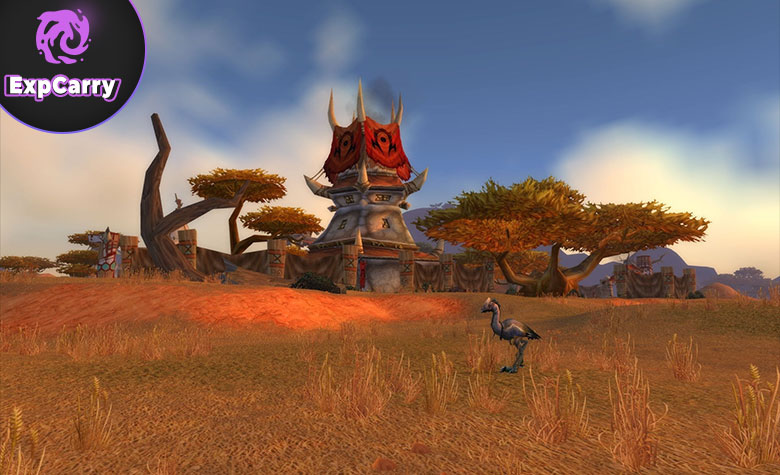
The fastest Horde 1-20 path is about leaving your starter zone on time and committing to a high-density engine before your pace drops. Think of 1-20 as three gates: stabilize momentum in the starter area, clear your first hub chain without detours, then choose the best 10-20 route that matches your server conditions.
Levels 1-6: starter loop and tempo setup
Your first minutes are about momentum and distance, not perfection. Take everything that sits on the same path, complete it in one loop, then turn in as a bundle. If your starter area is packed, treat it like a moving conveyor belt: do not stand still waiting for one mob when the next cluster is free.
- Accept all nearby kill quests that share the same target area and finish them in a single loop.
- Loot only what you need for active quests, then vendor naturally at the next hub.
- If a named mob is camped, skip it and continue forward. You can return only if the route brings you back.
Tempo tip for crowded starts: aim for “any progress” every 15 seconds. If you cannot tag a mob, move 10 steps and pull something else. Standing still is the slowest possible rotation in a fresh launch zone.
Levels 6-10: first hub chain and smart Hearthstone usage
This is where you start winning time with repeatable habits. Most starter zones now give you a hub that points into the same direction with several quests at once. Your goal is to leave with a full stack, clear the objective cluster, then return for a burst of turn-ins.
Hearthstone choice matters earlier than most people think. If you set it to a hub you revisit multiple times, you shorten every future loop you do in the bracket.
- Batch accept first, then travel. Do not run out with only one active objective.
- Favor quests that overlap in the same sub-zone so you can complete multiple objectives per pull.
- Set Hearthstone to the hub you will revisit, not to a location you will abandon immediately.
Quick filter for early collection quests: if you need 8 to 12 drops and you have 20 percent completion after several minutes, cut it. You are paying travel and RNG tax for weak XP per minute.
Levels 10-14: choose your 10-20 engine (Barrens, Silverpine, Ghostlands)
Horde has three strong 10-20 engines, and you only need one. The Barrens is the default powerhouse for a reason, but crowded servers can turn it into tag competition. Silverpine is often calmer. Ghostlands can be extremely efficient if your objectives are not hard camped.
The table below is meant to simplify the decision and help you commit instead of bouncing between zones.
| Engine | Why it wins | When to choose it |
| The Barrens | Excellent hub flow, tons of stacked quests, great tempo | When you can tag consistently and keep loops clean |
| Silverpine Forest | Stable routing, often less crowded, good chaining | When Barrens is overloaded or you want calmer progress |
| Ghostlands | High density and short loops when objectives are free | When you can complete clusters without waiting on camps |
Once you pick your engine, commit for several levels. The fastest route is usually the one you execute cleanly, not the one with the most famous zone name.
- Barrens: focus on clustered loops around Crossroads and nearby objectives, avoid long one-off travel errands early.
- Silverpine: keep routing tight and skip slow collection quests when drop rates feel bad.
- Ghostlands: prioritize stacked clusters and do not wait on heavy bottlenecks when the zone is busy.
High-traffic Barrens note: when a named mob or a high-value camp is permanently contested, do not fight the crowd for 10 minutes to “finish the checklist.” You will replace that time by simply chaining the next hub and coming back only if you are naturally routed through the area later.
Levels 14-20: Wailing Caverns decision and the clean handoff to 20+
Wailing Caverns can be a strong XP boost for Horde, but only if you treat it like a quest cash-in, not a time sink. One clean run with multiple dungeon quests is excellent. Spamming it without quests usually becomes slower than open world questing unless you have a dedicated premade group.
Use this decision rule: run Wailing Caverns once only if you have multiple WC quests stacked and your group can start quickly. Otherwise, continue questing and move into your 20-30 route without hesitation.
- If you run it: do one clean run, turn in everything, then return to open world tempo.
- If you skip it: you are not behind. You are protecting speed through consistency.
Extra speed detail: if group formation takes longer than the dungeon clear, you are losing. Your goal is a single run that feels like a quest turn-in burst, not an evening of repeats.
Explore services related to this guide, selected from our WoW TBC Anniversary catalog.
View All WoW TBC Anniversary Services


Horde 20-30 leveling route: three paths depending on crowding and travel preference

From 20 to 30, Horde leveling stays fast when you avoid long travel traps and keep hubs stacked. You want zones that reward short loops and frequent turn-ins. Below are three bracket routes. Pick one and commit until 28 to 30, then hand off cleanly into your 30-40 plan.
Option A (classic speed): Barrens loops into Stonetalon Mountains
This route is a tempo machine if you keep it tight. The Barrens gives you massive quest stacking, then Stonetalon is a clean extension if you avoid long cross-zone deliveries. This is ideal when you want continuous movement and frequent turn-ins.
- 20-25: The Barrens, prioritize stacks around your main hubs and finish objective clusters in one direction.
- 25-30: Stonetalon Mountains, keep loops short and skip scattered errands that break your rhythm.
Tip that saves a lot of time here: stop accepting “delivery chains” that bounce you across multiple flight paths unless you are already traveling that direction for three or more active quests. Single delivery errands are often disguised travel traps.
Option B (stable and calm): Hillsbrad Foothills into Barrens handoff
If you prefer a calmer bracket with less running across wide terrain, Hillsbrad can feel smoother. This option can also be strong on busy servers where the Barrens is constantly contested. Your goal is steady XP per minute with less friction.
- 20-28: Hillsbrad Foothills, focus on clustered hubs and avoid slow one-off travel quests.
- 28-30: quick handoff into Barrens or Stonetalon based on where your flow is cleaner.
On PvP servers, Hillsbrad can still be hot. If you are losing time to repeated fights and corpse runs, swap to Stonetalon or Ashenvale immediately. The “best zone” is the one you can actually complete clean loops in.
Option C (flex): Ashenvale bridge route into Stonetalon
Ashenvale can be fast when your objectives are not heavily contested, especially if you keep questing clustered and avoid long detours. It is a good flex option if your other choices are overcrowded.
- 20-25: Ashenvale, pick tight objective clusters and protect tempo with short loops.
- 25-30: Stonetalon Mountains, continue with stacked hubs and avoid travel-heavy side chains.
This is the bracket where many players slow down by trying to force “perfect completion.” Resist the urge. Leave early if the loop quality drops.
Horde 30-40 leveling route: high XP brackets with real alternatives
From 30 to 40, your main enemy is wasted travel and named bottlenecks. Several zones can be extremely fast, but only if you refuse to wait and you keep your quest stacks clean. This is also the bracket where dungeon temptation grows. Do not dungeon spam. Cash in quest stacks and move back to open world.
Option A (speed): Thousand Needles into Desolace
Thousand Needles is excellent for steady progression when you keep objectives stacked and avoid long detours. Desolace is a strong follow-up if you play it as a loop-based zone instead of trying to complete everything.
- 30-35: Thousand Needles, prioritize clustered objectives and finish them in one circuit.
- 35-40: Desolace, commit to short hub loops and skip scattered travel errands.
In both zones, “stacked kills” beat “rare drop farming.” If a quest becomes a drop-rate grind, replace it with the next hub chain and keep moving.
Option B (classic burst): Stranglethorn Vale (north) into Arathi fallback
STV can be very fast if you can tag consistently and avoid waiting on named spawns. On PvP realms, STV can also become constant fighting. If that happens, do not force it. Swap to Desolace or a calmer bracket and keep your leveling speed intact.
- 30-37: STV (north), focus on stacked kill quests and tight circuits.
- 37-40: Arathi Highlands (or Desolace if you want less friction and cleaner routing).
If you keep getting pulled into extended PvP, treat it like a failed loop. Your time is worth more than “winning the zone.” Leave and level elsewhere.
Dungeon check at 30-40: Scarlet Monastery and when it is worth it
Scarlet Monastery can be strong XP for Horde because it can be chain-run quickly with a stable group. The trap is still the same: if you waste time forming a party, wiping, or running slow full clears, the advantage disappears. Treat SM like a planned session, not a default grind.
- Do SM when: your group is ready now, runs are clean, and you are not sitting in town searching for long.
- Skip SM when: travel and party formation break your tempo or your group is inconsistent.
Best practice: do a short SM session for quest turn-ins and fast runs, then immediately return to open world. Mixing both is often faster than forcing one method for the whole bracket.
Horde 40-50 leveling route: Tanaris anchor, then pick your best partner zone
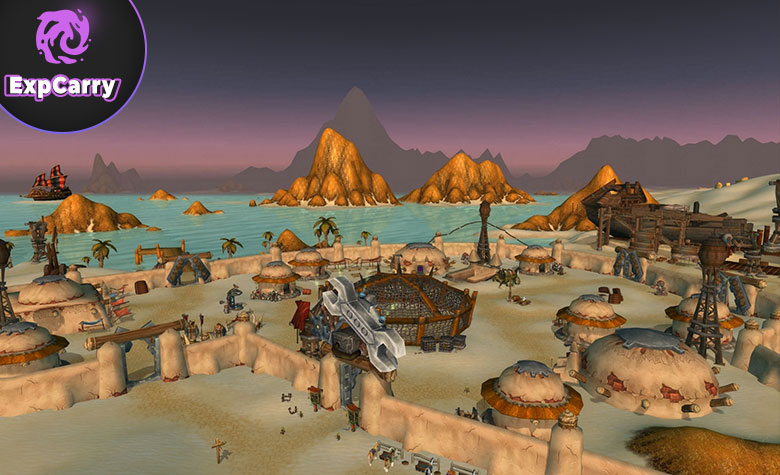
From 40 to 50, your most stable anchor is Tanaris once it becomes efficient for your level. It is easy to stack from Gadgetzan and it hands off smoothly into other zones. The fastest approach is to anchor in Tanaris, then pair it with one additional zone based on crowding and flow.
Core anchor: Tanaris (roughly 42-47 for most players)
Tanaris is efficient because you can grab a stack, clear objectives that overlap, then return for large turn-in bursts. The biggest mistake is doing long, isolated errands that do not stack with anything else.
- Stack quests around Gadgetzan and complete objective clusters in one direction.
- Prioritize kill quests and multi-objective loops that finish together.
- Skip deep desert one-offs that force long runs for small reward.
If you arrive a little early (around 40-41) and the mobs feel slow or contested, do not force it. Finish a partner zone first, then come back when Tanaris turns into a real tempo engine.
Choose one partner zone (45-50): Feralas, Hinterlands, or Searing Gorge
Pick one partner zone and commit until your bracket target. Completion is not speed. The fastest route is the route that stays stacked and avoids resets.
| Partner zone | When it wins | What to focus on |
| Feralas | When you want open space and consistent chains | Short loops and overlapping objectives |
| Hinterlands | When you want stable density without long travel | Clustered objectives and quick hub returns |
| Searing Gorge | When you want concentrated circuits and strong bursts | Tight loops and skipping long outliers |
Searing Gorge note: it often feels best closer to 47-50. If you are struggling there early, do not brute force it. Use Feralas or Hinterlands first, then come back with better tempo.
Zul'Farrak decision (44-48): one clean run, not endless spam
Zul'Farrak is one of the best dungeons in the 40s if you run it correctly. Correct means: you have multiple quests stacked and a group that starts quickly. One clean run plus turn-ins is excellent. Spamming ZF without quests is usually slower than questing unless you have a dedicated premade running at full speed.
- Run ZF once with quests and a stable group, then return to open world.
- Skip ZF spam if you are spending more time forming groups than clearing the dungeon.
Simple check: if your group takes longer to form than your expected clear time, do not do it. Your open-world loops will win in real server conditions.
Horde 50-60 leveling route: Un'Goro tempo into Plaguelands finishing options
From 50 to 60, you can level very quickly if you stay in high-density zones and keep your loops tight. This bracket rewards players who refuse to break rhythm with slow elite detours or scattered one-off travel quests.
50-53: Un'Goro Crater (high XP per minute)
Un'Goro is consistently one of the fastest 50-53 zones because objectives overlap and can be completed in a clean circuit. The biggest mistake is leaving the crater repeatedly for small quests that do not stack and break your pace.
- Build one main circuit and complete multiple objectives per loop before turning in.
- Prioritize chains that keep you in Un'Goro instead of bouncing across continents.
- Vendor often and protect bag space to avoid slow field sorting.
Keep Un'Goro simple: one circuit, one burst of turn-ins, then repeat. If you turn the zone into constant travel, you lose its main advantage.
53-56: Felwood (short loops, consistent chains)
Felwood is fast when you treat it like a sequence of clusters. Finish one hub loop fully, then move to the next. Do not chase scattered objectives across the entire zone in one run, because that turns the bracket into travel time.
- Commit to one quest cluster at a time and clear it before moving forward.
- If objectives are heavily contested, prioritize fast-tag kill quests and keep moving.
Do not overinvest in long pickup chains if they pull you away from the core loop. Felwood is at its best when you keep your route linear and tight.
56-60: Plaguelands finish (WPL into EPL) with backups
Plaguelands are a strong finish because hubs are concentrated and objective loops are short. If you want stability, go Western Plaguelands first, then Eastern Plaguelands. If EPL is too contested or PvP-heavy, Winterspring or Silithus can finish the bracket smoothly.
| Finish option | Where you go | When to choose it |
| Stable finish | Western Plaguelands into Eastern Plaguelands | When you want clean hubs and consistent chains |
| Calm finish | Winterspring | When you want less contest and smoother solo routing |
| Flexible finish | Silithus | When you want concentrated objectives and fast turn-ins |
At 58-60, do not panic grind. Your job is to keep loops clean, stack turn-ins, and reach 60 without wasting time on elites that take longer to group for than they are worth.
Dungeon leveling strategy (Horde 1-60): what to run, what to skip, and why
Most players lose time by spamming dungeons without quest stacks. The best dungeon value comes from a single clean run with multiple quests and a group that does not waste time. If your group formation is slow, open world questing wins almost every time.
Use this rule: run a dungeon when you have 3 or more relevant dungeon quests ready, your group can start now, and the dungeon is close to your route. Otherwise, keep questing.
| Dungeon | Best level | Run it when | Skip when |
| Ragefire Chasm | 13-16 | You are in Orgrimmar and can start instantly with quests | You are detouring just to do it without quest value |
| Wailing Caverns | 17-22 | You have multiple quests stacked and a ready group | Your group is slow or you are repeating without quests |
| Shadowfang Keep | 18-25 | You are already routing in Silverpine with quests ready | You are traveling far for one run without turn-in value |
| Razorfen Kraul | 29-35 | You have quests and can start quickly with a competent group | You are forcing travel or repeating without quest value |
| Scarlet Monastery (GY, LIB) | 28-38 | You can chain clean runs with minimal downtime | Your group is slow, wipe-prone, or hard to form |
| Zul'Farrak | 44-48 | You are already in Tanaris with key quests stacked | You are forcing spam runs with no quest returns |
| Maraudon (planned sections) | 46-52 | You have quests and a strong group that avoids slow full clears | You are full clearing slowly for low return |
| BRD (partial route) | 52-58 | You have a planned objective route and quest turn-ins | You are doing unplanned full clears that take too long |
Dungeon reality check: even “good XP” becomes bad XP if you are stuck in chat channels for 15 minutes. In real launch conditions, your best leveling method is the one you can start instantly.
High-value Horde group quests: what to do and what to skip
Group quests are worth it only when the XP and reward justify the time spent forming the group. The biggest trap is turning a small elite objective into a long social project. Use the filter below to stay fast.
Group quests to do (high return, easy to stack)
These are worth your time because they either bundle cleanly with content you already want to do, or they can be completed quickly once you have help. The key is speed: group quests that take minutes, not group quests that consume your session.
- Dungeon quest bundles you can cash in with one clean run and immediate turn-ins.
- Elite quests that sit directly on your hub loop and can be finished quickly once grouped.
- Short “wanted” style objectives when you already have 1 to 2 players nearby in the same area.
- Outland: Ring of Blood in Nagrand, excellent XP and reward value when completed at the right level.
Practical rule: if you can finish the objective within one pull with a 2-3 player group, it is usually worth it. If it requires travel, scouting, waiting, and a full party, it is usually a trap.
Group quests to skip (low return, time traps)
Skip group quests that require long travel, heavy camping, or rewards that will be replaced immediately. Many players lose more time forming the group than they gain from the quest value.
- Elite quests that require long travel away from your current hub loop.
- Named elites that are permanently camped on busy servers.
- Group quests with rewards you will replace within 1 to 2 levels.
- Dungeons when you cannot form a competent group quickly and start right away.
If you are not already standing near the objective with at least one other player ready, skipping is usually correct.
Outland leveling guide 60-70 (Horde): fastest route with real backup options
Outland is where you gain time back. Quest hubs are dense, upgrades are frequent, and dungeon quest turn-ins can be huge. The key is to chain hubs, keep travel tight, and use dungeons as planned cash-ins rather than default spam.
Think of Outland as five gates: Hellfire setup, Zangarmarsh tempo, Terokkar efficiency, Nagrand sprint, then a focused 68-70 finish that matches your server conditions.
Levels 60-63: Hellfire Peninsula (Thrallmar tempo start)
Hellfire is your launchpad. The goal is momentum: grab a full quest stack from Thrallmar, complete objectives in a tight loop, then return for large turn-in bursts. If a sub-zone is overcrowded, rotate to a different objective cluster instead of waiting.
- Start at Thrallmar and accept every quest in the hub cluster.
- Complete objectives in one loop per area and return with stacked turn-ins.
- Pick up Hellfire dungeon quests early so you can cash them in with one clean run.
- If objectives are overloaded, prioritize fast-tag kill quests and keep moving forward.
Outland speed trick: do not overfight over a single camp. Hellfire has multiple quest pockets. Rotate to the next pocket and keep your XP per minute stable.
Levels 63-65: Zangarmarsh (your best XP engine)
Zangarmarsh is one of the most efficient zones in Outland because it rewards clean loops and frequent turn-ins. The main mistake is bouncing across the map too early. Commit to one cluster, finish it, then move forward.
- Stack objectives around central travel lines and do not break tempo with long detours.
- Complete multiple objectives per pull whenever possible to maintain pace.
- Run Slave Pens or Underbog only when you have multiple dungeon quests and a ready group.
If your pace drops here, it is usually because you started doing one-off errands that do not overlap. Zangarmarsh rewards tight loops and repeated hub returns.
Levels 65-67: Terokkar Forest (efficient chains and clean routing)
Terokkar is fast when you treat it like a checklist of clusters rather than a zone to complete. Grab a stack, clear a tight loop, turn it in, then move forward. If Auchindoun-area quests stack well for you, bundle them into one clean push.
- Commit to one quest cluster at a time and finish it fully before moving to the next.
- Bundle Auchindoun-related objectives only when they match your route cleanly.
- Skip long errands that force cross-zone travel for weak reward.
Do not feel forced into dungeon zones if your group situation is unstable. Terokkar open-world routing is good enough to stay fast.
Levels 67-68: Nagrand (fast loops and big turn-in bursts)
Nagrand is where you can accelerate hard if you keep loops tight. The zone rewards efficient stacking and consistent movement. Your job is to avoid long detours and keep your turn-ins frequent.
- Prioritize clustered kill quests and repeat-friendly circuits.
- Consider Ring of Blood only if you can complete it quickly with a group.
- Leave as soon as you hit your bracket target, do not chase full completion.
If you are behind pace, Nagrand is where you make it back. Stack aggressively, turn in in bursts, and avoid long detours that do not overlap with your main loop.
Levels 68-70: choose your finish zone based on crowding
Your fastest finish depends on competition and quest flow. Pick one zone and commit until 70. Bouncing between three zones usually creates travel waste unless you are forced by heavy contesting.
| Finish option | Where you go | When it wins |
| Stable finish | Blade's Edge Mountains | When you want calmer routing and consistent chains |
| Speed finish | Netherstorm | When you can move fast and objectives are not camped |
| Flexible finish | Shadowmoon Valley | When you want concentrated chains and strong rewards |
Reality-based choice: if you are getting stuck on quest targets (camped mobs, slow respawns, heavy PvP), swap finish zones. The “best” 68-70 zone is the one you can actually complete without waiting.
Outland dungeon plan 60-70 (Horde): do not spam, cash in stacked quest runs
Outland dungeons can be extremely efficient, but only if you treat them as quest cash-in engines. Spamming without quests can work with a dedicated premade group, but for most players it becomes slower than questing because party formation and travel break tempo.
Use this rule: run each dungeon once when you have the quest stack, then return to open world.
| Dungeon | Recommended level | Run it when | Notes |
| Hellfire Ramparts | 60-62 | You have multiple Hellfire quests ready | One clean run is usually enough |
| The Blood Furnace | 61-63 | Your group is stable and can chain quickly | Great with quests, avoid slow groups |
| The Slave Pens | 62-64 | You have Zangarmarsh dungeon quests stacked | Strong return if you start quickly |
| The Underbog | 63-65 | You have multiple quests ready | Do one run, then quest again |
| Mana-Tombs | 64-66 | You can enter fast with a ready group | Excellent single-run value |
| Sethekk Halls | 66-68 | You have quests and a competent group | Do not force it if it delays tempo |
| The Steamvault | 68-70 | You want a late-level quest cash-in | Best with a reliable group |
If you are leveling solo and you cannot guarantee fast groups, treat Outland dungeons as optional boosts, not your main plan. Your core speed still comes from clean hub chaining.
Prep checklist: bags, mounts, and downtime control for Horde leveling
Small preparation reduces downtime more than any secret route. You do not need a huge budget. You need enough bags to avoid forced vendor trips, and a simple plan for training and travel so you do not break your tempo.
Minimal prep (starting with little gold)
If you start broke, your goal is to reduce time loss from unnecessary stops. Bags are the biggest speed multiplier because they prevent constant vendor resets and field sorting.
- Buy the largest bags you can afford early to reduce vendor trips and inventory downtime.
- Vendor aggressively and keep only active quest items and basic consumables.
- Train only when you pass trainers naturally on your route.
- Use Hearthstone for repeat hubs, not convenience moments.
If you can afford it, prioritize bag upgrades over leveling gear. Gear gets replaced constantly. Bag space protects tempo for the entire journey.
Comfort prep (if you have starter gold)
If you have gold, spend it on things that protect tempo rather than on leveling gear you will replace quickly. The goal is fewer stops, fewer delays, and cleaner routing.
- Start with bigger bags so you can stay on route longer without breaks.
- Keep basic food and water to minimize downtime between pulls.
- Maintain gold for flight paths and convenience purchases that save time.
- Avoid overspending on gear while leveling. Tempo is worth more than minor stats.
One more comfort upgrade that matters: keep your consumables simple and consistent. Running out and detouring for supplies costs more time than the consumable saved.
Common Horde leveling mistakes that slow down 1-70 the most
Most time loss is not about class choice. It is about waiting, backtracking, and chasing low-value objectives. Avoid these mistakes and your run becomes faster automatically.
- Waiting on camped named mobs instead of moving to the next quest cluster.
- Cross-zone running for a single pickup that does not stack with your loop.
- Looting everything and wasting time sorting bags in the field.
- Hearthstoning to the wrong hub and creating extra travel.
- Trying to complete a zone instead of leaving when XP per minute drops.
- Dungeon spamming without quests and losing time to group formation.
Final correction rule: if your current objective feels like “work” instead of “flow,” it is probably slow. Swap zones, reset your loop, and keep tempo high.
Conclusion
A fast Horde leveling run in WoW TBC Classic Anniversary is not about doing more content. It is about doing the right content in the right order. Protect tempo in 1-20 by stacking quests and switching zones instead of waiting. From 20-60, follow bracket-based routing and avoid travel traps, elite time sinks, and dungeon spam without quest stacks. In Outland, chain hubs cleanly and treat dungeons as planned quest cash-ins, not default leveling behavior.
If you want one simple self-correction rule mid-run, use this check every time your pace feels slow: are you waiting, backtracking, or doing a single objective far from your current hub. If the answer is yes, cut the loss immediately, switch to a tighter loop, and keep moving. Do that consistently and you will reach 70 with less stress, fewer dead minutes, and a cleaner transition into your next TBC Anniversary goals.