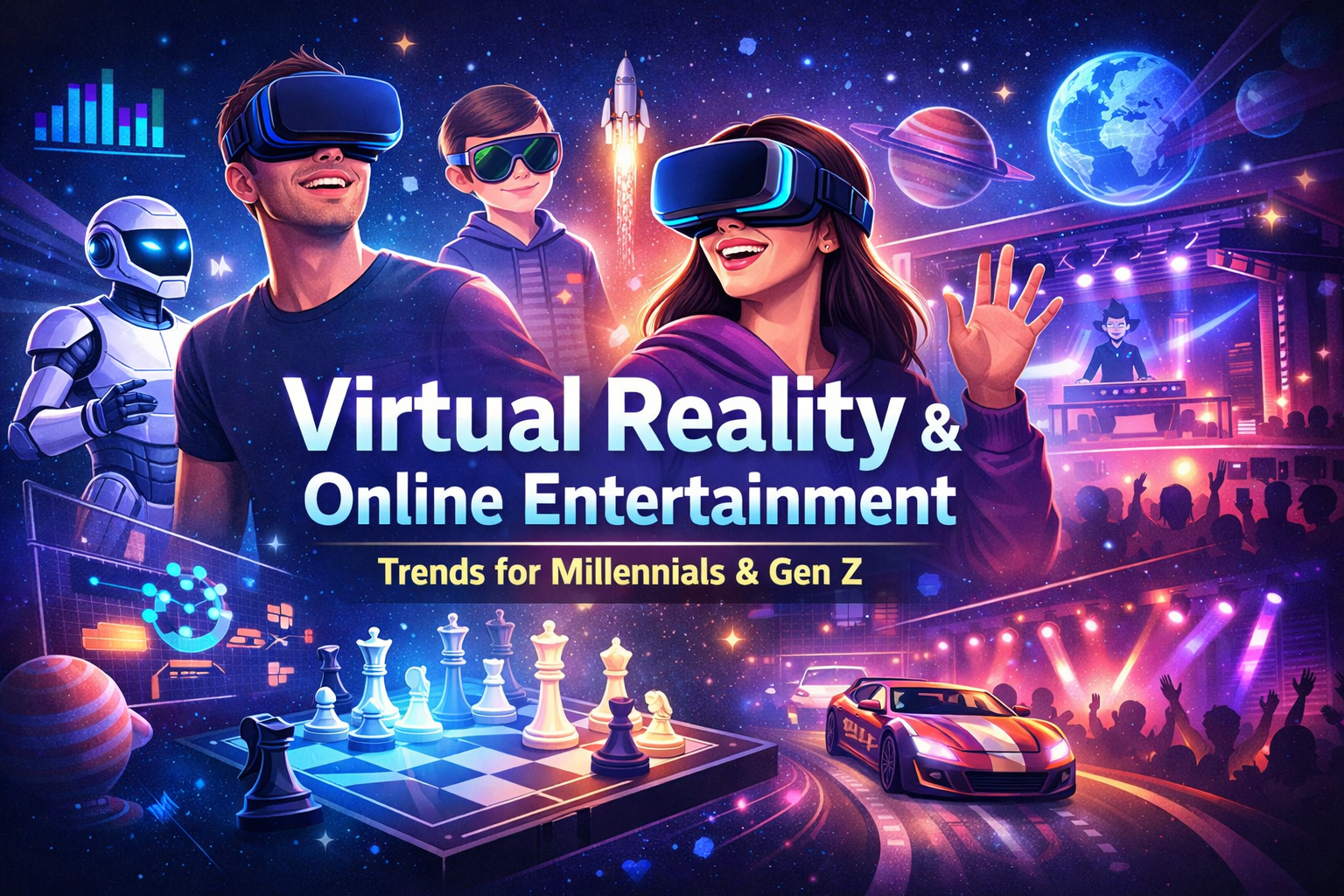
Virtual reality is increasingly becoming, you could almost say, a driving force in online interactive entertainment. More and more platforms are experimenting with immersive 3D environments where a classic venue atmosphere can be experienced digitally. According to a 2023 study by Uplatform and Expertentesten, this trend is especially appealing to millennials.
They use VR experiences more than twice as often as other age groups. Interactive tables, lifelike graphics, and social features are all ingredients of modern online gaming environments that meet the expectations of today’s audiences. Demand is fueled by tech affinity, the desire for innovation, and perhaps also the appeal of experiencing something beyond everyday reality.
While revenues in traditional segments are stagnating, providers are turning to these new trends. Still, there are challenges that continue to slow down the boom.
Why VR Appeals to Millennials
Millennials are a key group for digital entertainment. Their behavior differs significantly from that of earlier generations. It’s not just about outcomes for them, they are looking for experiences. VR technology enables a different quality of play: users move through walkable virtual spaces with avatars and interact in real time with friends.
This environment simulates real-world venues in a digital way. According to experts from Expertentesten and eGamersworld, this immersive effect helps users truly dive into the experience.
And it works. Around 36 percent of millennials try VR-based games at least once a month, according to 2024 data. Simple features like voice chat strongly support a sense of community. It’s not only about the games themselves, but also about interaction.
It’s no surprise that traditional, less interactive formats are becoming less attractive to this audience. The industry sees opportunities here to regain lost engagement. Innovative graphics and social elements are exactly what millennials expect and what keeps them involved.
Trends and the Role of Innovation
The VR trend is once again reshaping the online gaming industry. Interactive designs, personalized avatars, and virtual worlds combined with technologies like artificial intelligence significantly enhance the user experience.
The VR headset market grew to 98 million units sold in 2023, an increase of 23 percent compared to the previous year, according to Statista. Providers are now heavily investing in hybrid solutions that combine augmented reality with traditional VR.
AI integration is also being pushed forward. It analyzes user behavior, suggests suitable games, and enables personalized rewards. This helps increase engagement. Some platforms are even experimenting with metaverse-style elements.
This allows games to be integrated into larger digital worlds and offers more than just gameplay, it also creates space for social networking. Around 40 percent of German millennials already use VR features in online gaming today. This is changing how competition and entertainment are perceived.
Challenges and Technological Limits
Technology and engagement go hand in hand, but there are still obstacles. High-quality VR headsets are still relatively expensive for many people, often starting at around 350 euros, which can exclude casual users. Compatibility issues between software and different devices can also slow broader adoption. Market players are therefore investing more in cloud-based technologies and improved connectivity.
In addition, providers are focusing on more realistic graphics and intuitive controls. The goal is to lower entry barriers and create a smooth experience while avoiding technical frustration. Generation Z and millennials in particular are easily discouraged by poor usability. On the other hand, a strong community factor can help overcome such barriers.
Data protection and youth protection are also becoming increasingly important. People expect transparency and secure transactions. Pilot projects using contactless authentication methods are already being tested to meet rising security requirements.
Relevance for Millennials and Gen Z
These target groups set the standards. Innovation matters to them. Around 55 percent of surveyed millennials say they would not stay engaged long-term with traditional online offerings.
They expect VR features, social elements, and regular updates. This challenges providers. VR features are now a focus in almost every second product launch in 2024. Reward systems and competitions are also gaining popularity.
The industry sees VR as a way to stand out and reach new communities. Acceptance levels are rising in Germany despite technical barriers. This is modernizing the image of the entire sector. Sustainable growth opportunities lie in the combination of VR, AI, and social networks. Competition remains strong, and standards continue to evolve. Those who fail to adapt risk losing connection with their audiences. The next wave of trends is probably already just around the corner.
Responsible Use in the Digital Age
Virtual reality is expanding the boundaries of online entertainment, but prevention and responsibility are becoming even more important. Experts emphasize the need to keep both opportunities and risks in mind and to set clear limits, both technically and personally. Tools for youth protection, usage limits, and self-control features have become standard on modern platforms. Studies show that these tools are being used more frequently. Despite all the fascination with technology, responsible digital participation remains the key guideline for both providers and users.