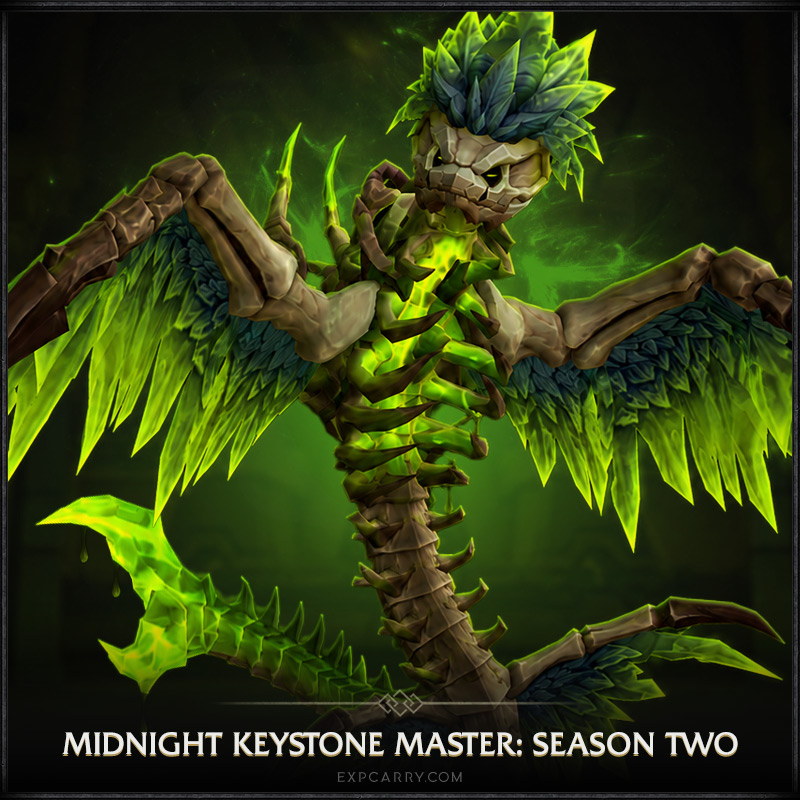

This WoW Midnight mount farm guide for 2026 is built for collectors who want steady progress without pretending one camp spot stays best forever. Midnight is a live expansion, and mount farming is a time game. You win by maximizing eligible attempts, cutting travel, and pivoting quickly when a loop goes cold.
Below you get a practical system for mounts/rare-mounts">rare mounts Midnight 2026 and midnight drop mounts: how to think about “best spots” in Midnight, how to score a farm by real attempts, and route templates you can run in short sessions or scale across alts. Use this as a repeatable plan rather than a one time list, because player traffic, shard behavior, lockouts, and spawn availability change week to week.
How mount farming works in WoW Midnight 2026
Most players lose time because they farm mounts like they farm gold: they stick to one location and hope luck shows up. Mount farming works better as a schedule. You rotate between three attempt types, each with a different rhythm and a different “best practice” for efficiency.
- Open-world attempts: rares, elites, and target mobs. Efficiency comes from circuits and shard pivots, not camping.
- Weekly attempts: bosses or activities with limited tries. Efficiency comes from fast runs and doing them early after reset.
- Long-term attempts: reputation or system progress that unlocks mounts. Efficiency comes from doing the smallest repeatable actions that move the bar.
The best WoW Midnight mount farming spots are the ones that let you stack eligible attempts quickly with low downtime. That is why spot types matter more than a single coordinate. You are looking for density, not a mythic secret location.
Lockout reality check: eligible attempts beat kills per hour
Before you optimize any loop, confirm whether your target is limited by a daily or weekly lockout. In modern WoW design, many rare sources only give meaningful loot credit once per day or once per reset. If that is the case, ten kills in an hour can still equal one real attempt.
Use this rule to stay honest:
- If the source is lockout-limited, your priority is maximizing unique eligible attempts per character per reset.
- If the source is not lockout-limited, your priority is attempts per hour and minimizing downtime.
This guide focuses on both cases, but always measure the right thing for the mount you are chasing.
Best mount farming spots in Midnight

This section explains the spot types that usually produce the highest mount progress in modern WoW expansions. Use these as filters when you open your map and decide where to spend the next 30 to 90 minutes.
| Spot type | What you farm | Why it is efficient | When it fails |
|---|---|---|---|
| Zone rare circuits | Multiple rares in one zone | High eligible attempts if the loop is tight and targets stay available | Prime-time crowding, phased objectives, or dead shards |
| Target clusters | Elites or rare packs on one lane | Low travel, easy to repeat in short sessions | Slow respawns, heavy competition, or lockout limits |
| Weekly sources | Lockout-based mount drops | Guaranteed scheduled attempts with a clean routine | Long runs with lots of travel and setup |
| Event windows | Temporary farm targets | Attempt density spikes during active periods | Ends quickly and demand shifts |
Zone rare circuits for midnight drop mounts
If Midnight has open-world rares that can drop mounts, your best play is almost always a circuit. A circuit converts uncertain spawns into steady eligible attempts by chaining checks across many targets. Your goal is to avoid waiting. Waiting destroys progress.
Build your circuit around clusters, not the entire map. A good circuit has these qualities:
- Short loops that you can repeat without thinking, usually 8 to 12 minutes.
- Multiple rare nodes close together so you can tag even if one target is dead.
- A safe pivot point that lets you branch into a second cluster without long flights.
Practical build method that works in any zone:
- Pick 6 to 10 rare locations you can reach quickly and reliably.
- Order them into a clockwise or counterclockwise lap that avoids backtracking.
- Run one test lap, then remove any points that consistently waste time.
PIVOT RULE: if you go 6 to 8 minutes without a meaningful tag because everything is dead, stop forcing it. Try a shard change by joining a group, switch to your second cluster, or move to another zone entirely. Shard swaps often help, but they are not guaranteed, so always keep a backup plan. Volume is the strategy for midnight drop mounts.
Target clusters for rare mounts Midnight 2026
Some of the best rare mounts Midnight 2026 progress comes from compact target clusters: areas where multiple elites or rare packs are aligned on one travel lane. These farms are not “the best” because the drop is higher. They are “the best” because you can repeat eligible attempts fast with almost no setup.
How to identify a good target cluster spot:
- You can reach it quickly from a flight point or hub.
- Targets are close enough that you are fighting more than traveling.
- Respawn cadence feels steady, or there are enough targets that downtime stays low.
How to run a cluster efficiently:
- Do not over-pull if it slows your pace. Faster kills and clean tags beat risky chain pulls.
- Set a timer for 20 minutes. If the eligible attempt density is poor, leave. This prevents stubborn, unproductive sessions.
- Keep a backup cluster ready. If one area is crowded, your best spot is your second choice.
Routes and schedules that increase eligible attempts
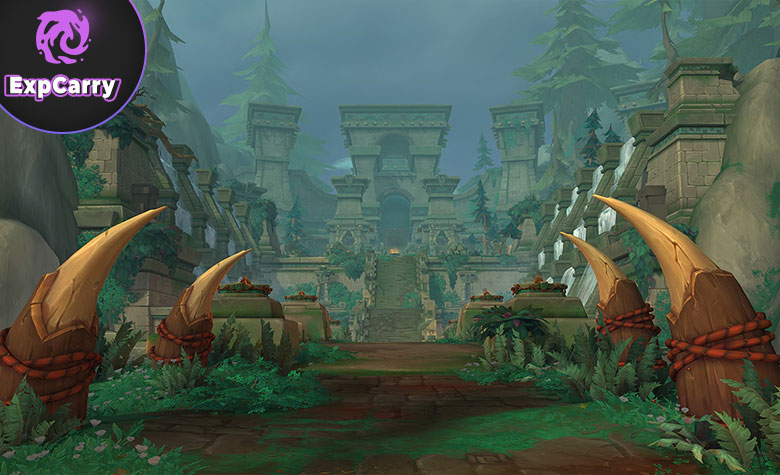
Most mount farmers fail because they do not structure time. They farm until they are annoyed, then they quit. These templates force decisions, keep the session efficient, and reduce the common trap of long flights with no tags.
The 30 minute loop for a WoW Midnight mount farm session
This is the loop you run when you want guaranteed progress in a short session. It is designed to maximize eligible attempts and prevent you from getting stuck in one dead shard.
- 10 minutes: run your core circuit in Zone A, the densest cluster lap.
- 10 minutes: try a shard swap by joining a rare group or changing your shard state, then rerun the same core lap.
- 10 minutes: switch to Zone B and run one core lap, then stop.
This works because it forces two shard states and two zones. Even if one is crowded, the session still produces tags. If you are farming midnight drop mounts, this loop is the fastest way to keep attempt density high without extending playtime.
The weekly reset loop for collectors
Weekly attempts matter because they are scheduled and predictable. If Midnight includes lockout-based mount sources, your job is not to make the run harder. Your job is to make the run faster and scale it across characters.
- After reset: do weekly sources first, starting with the shortest runs. Park characters to remove travel.
- Mid-week: run rare circuits during calmer hours to improve tag access and reduce dead laps.
- Weekend: only do long circuits if eligible attempt density stays good. If it does not, switch zones or switch to short sessions.
This schedule prevents burnout and keeps you progressing even when luck is cold. You are converting resets into structured attempts, not converting hours into frustration.
Explore services related to this guide, selected from our Mounts catalog.
View All Mounts Services


Conclusion
The best WoW Midnight mount farming spots in 2026 are defined by eligible attempt density, not hype. For midnight drop mounts, prioritize zone rare circuits built around tight clusters, and try shard changes the moment your lap goes cold. For rare mounts Midnight 2026 that come from compact target areas, pick locations where you fight more than you travel and enforce a short timer so you do not waste sessions in crowded shards.
To keep progress consistent, run a simple collector schedule: weekly sources right after reset, then two zone circuits you can repeat without thinking, plus one backup loop for prime time. If you measure eligible attempts, respect lockouts, and pivot fast, you will stack more real chances every week without padding playtime or relying on one lucky camp.